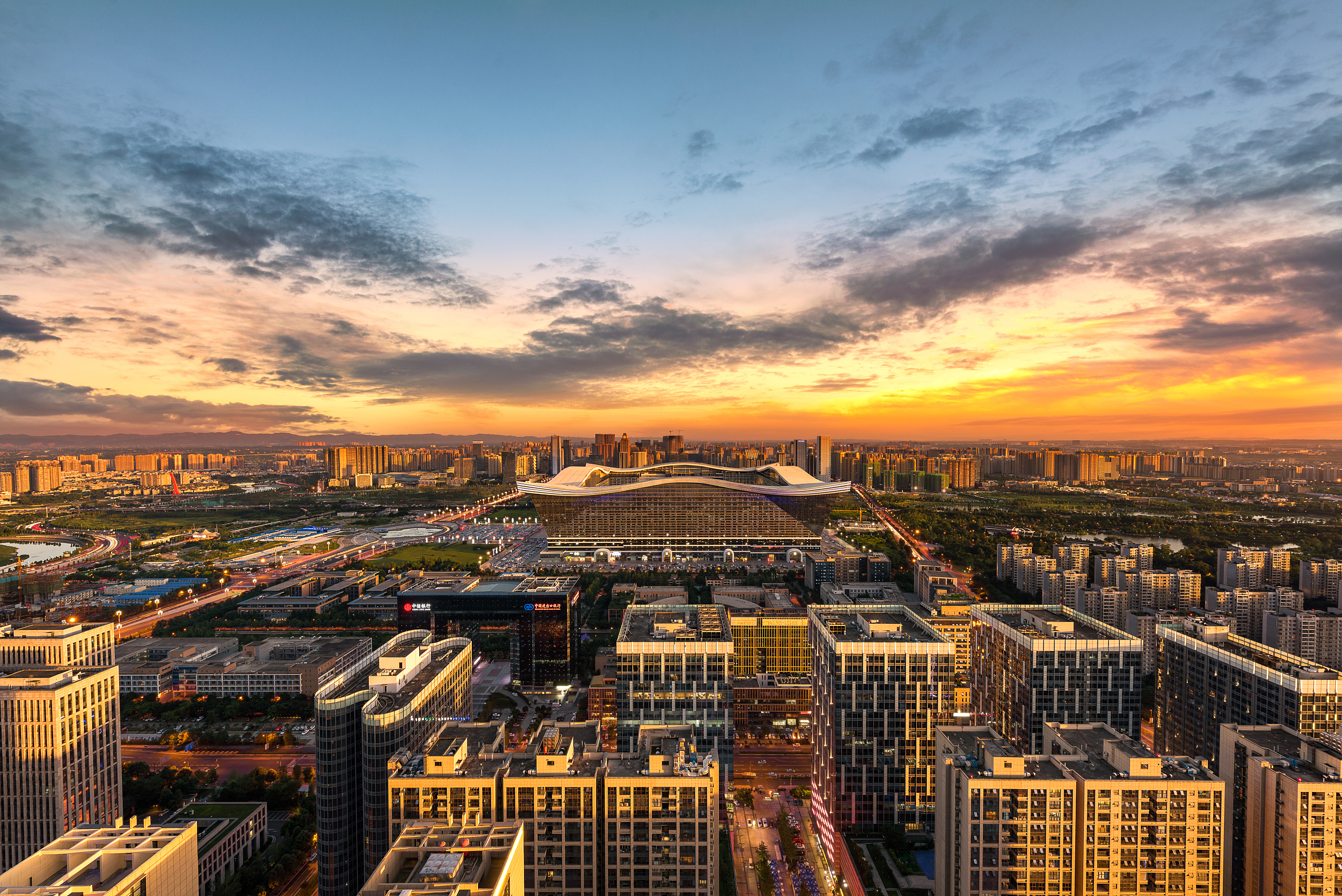
Chengdu New Century Global Center is located in Chengdu’s core urban center. It is composed of the central entertainment district as well as the surrounding hotels, businesses, etc. It integrates entertainment, exhibition, business, media, shopping and hotels. If you’re visiting Chengdu, be sure to make a trip here. In addition, the Chengdu New Century Global Center has many high-end brand-name shops and restaurants to explore.
归档: Attractions
-
Shenhai Well
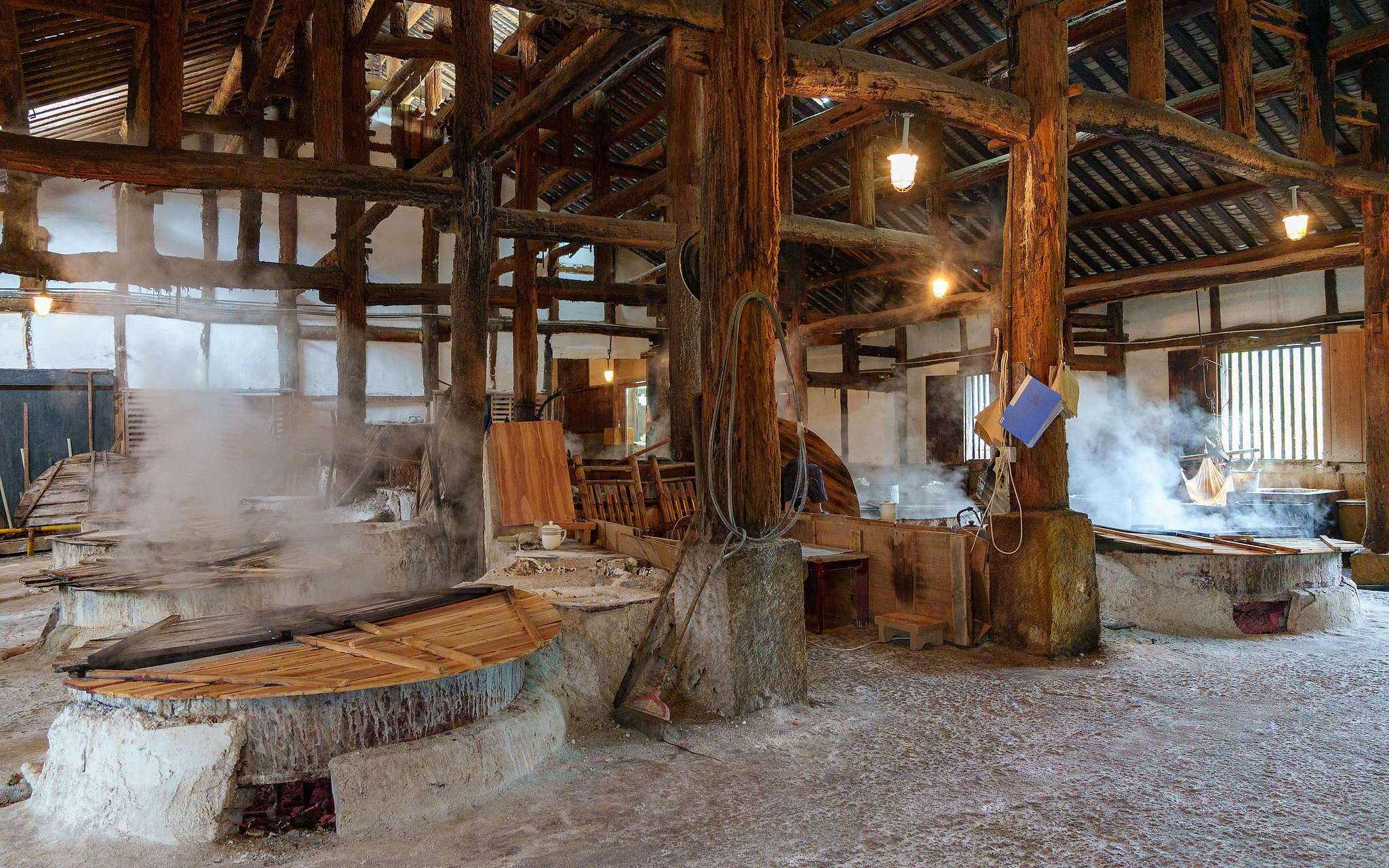
Shenhai Well is at the foot of Ruanjiaba Mountain in the Da’an District of Zigong City. It is the “living fossil” of well salt production using the traditional method and a symbol of the maturity of ancient Chinese drilling technology. Shenhai Well has been excavated since the third year of Daoguang in the Qing Dynasty. It has an amazing depth and a long history. Walking in the scenic area, you can see the masters boiling and carrying salt using traditional methods, recalling the great wisdom of the ancients.
-
Dadu River Jinkou Grand Canyon Scenic Area
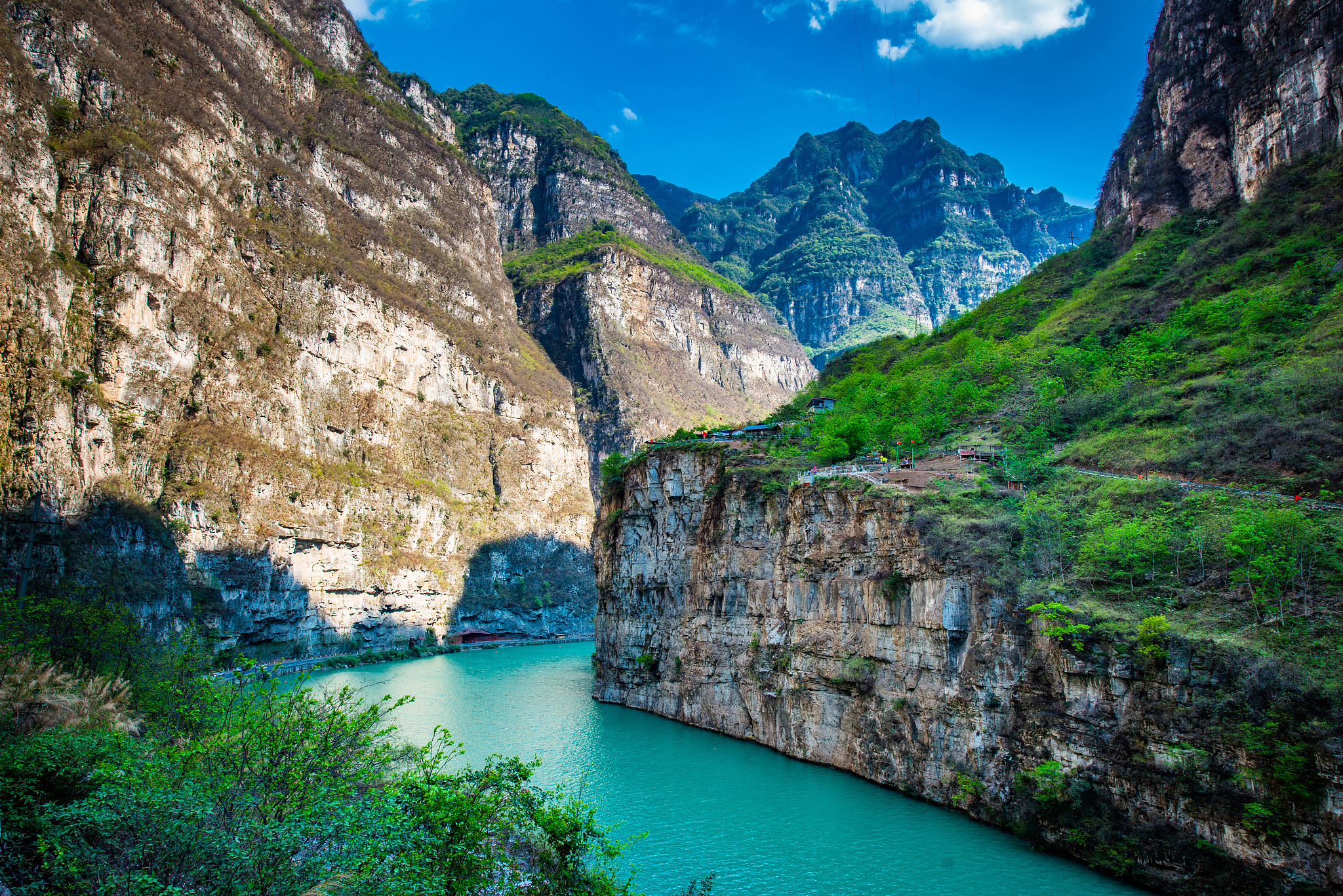
The Jinkou River Grand Canyon, which starts from the Wusi River in the west and freezes to the Jinkou River, spans the Jinkou River District of Leshan City, Sichuan Province. Hanyuan County in Ya’an City and Ganluo County in Liangshan River. It has a total length of 26 kilometers, the width of the valley is less than 200 meters, and the depth of the valley is 2600 meters. The peaks on both sides of the canyon protrude, and the dangerous rocks stand up, forming various pictographic landscapes, like people and beasts, lifelike, overlapping mountains, shady trees, waterfalls, various mountain flowers and wild grasses competing for beauty, forming a gorgeous scenery. , natural and elegant. There are many small ravines along the canyon, which are well-proportioned. Among them, the most famous one is the one-line sky. The cliffs on both sides of the gully are close to each other. When you look up, you can only look at the sky. Follow it to enter the Laochang Valley to the center of the ditch. This section is a few kilometers long. The road is even more amazing, with ravines and cliffs, gurgling streams, chirping birds and beasts, and sheep intestines trails, which are completely “malicious” manifestations of nature.
-
Nuorilang Waterfall
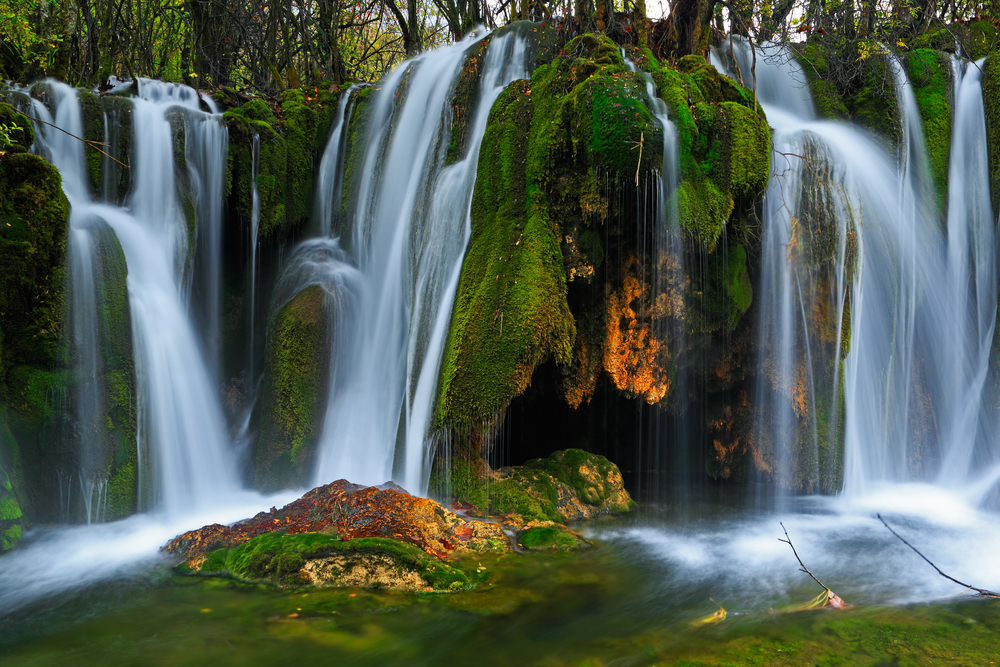
Nuorilang Waterfall is located in Jiuzhaigou Scenic Area, Yuzha Town, Jiuzhaigou County, Aba Tibetan and Qiang Autonomous Prefecture. It is one of the large calcification waterfalls in China and a large number of film and television dramas. The Nuorilang Waterfall means a majestic waterfall in Tibetan. It fell in multiple levels, and the water curtain flew out of the two mountains and fell directly under the cliff to form a rare forest waterfall. Opposite the waterfall, there is a viewing platform, standing on the stage, the panoramic view of the waterfall is in full view. In autumn, the waterfall’s flying stream is turned into a very spectacular picture under the autumn colors and clouds. After the earthquake, it collapsed, and the waterfalls of the past have ceased to exist, which is a pity.
-
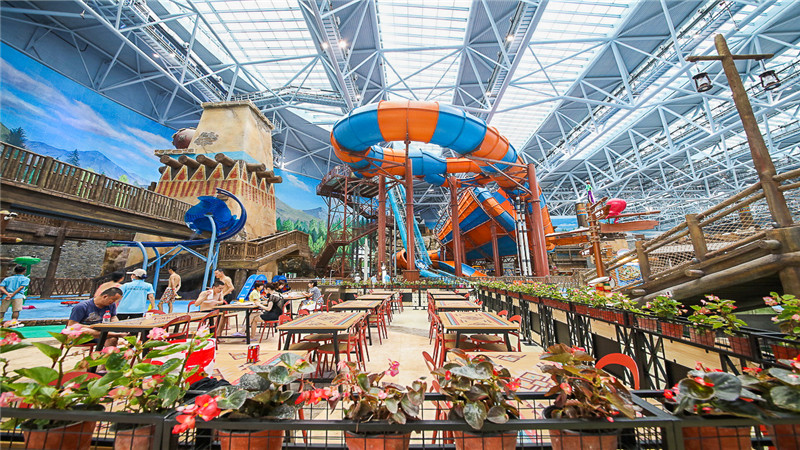
Chengdu Sunac Water Park
Chengdu Sunac Water World has a total construction area of 35,000 square meters. It is a large indoor constant temperature water park featuring glacier wonders and Tibetan and Qiang secrets, integrating water play equipment, special hot spring pools, and leisure SPA.The indoor temperature of the water world is above 28 C all year round, and the water temperature is kept constant at 33 C. It is designed with four theme areas: ice and snow area, Qiang village area, mountain forest area, and leisure SPA area. Visitors can experience many large water play equipment such as big speakers and big wave boards, and enjoy various leisure SPA projects such as soaking pools, snow houses, dry steam, rock bath, salt brick room, wet steam, etc. The indoor temperature of Sunac Water World is constant all year round, subverting the impact of climate on water entertainment, allowing visitors to enjoy non-stop water fun all day long.
-
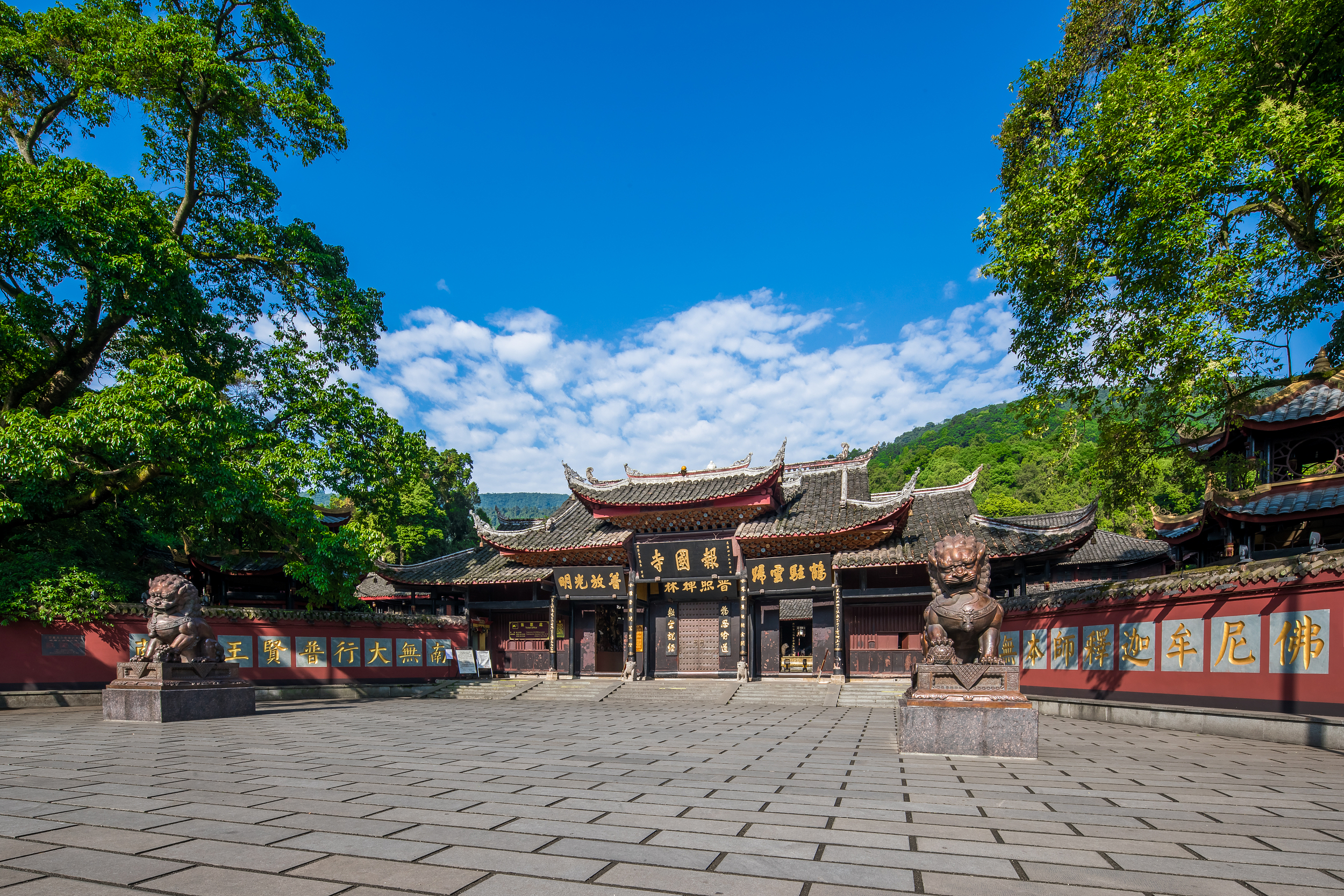
Baoguo Temple
The Baoguo Temple, not far from Mount Emei, was built in the Wanli Period of the Ming Dynasty and is the starting point for most tourists to visit the Emei Mountain Scenic Area. The plaque of the “Baoguo Temple” on the temple gate is from the hand of Emperor Kangxi of the Qing Dynasty. It is also the center of the Buddhist activities in the mountains. The main hall is the Maitreya Hall, the Daxiong Hall, the Seven Buddha Hall and the Puxian Hall. Today it is home to the Emeishan Buddhist Association, where many large ceremonies are held.
-
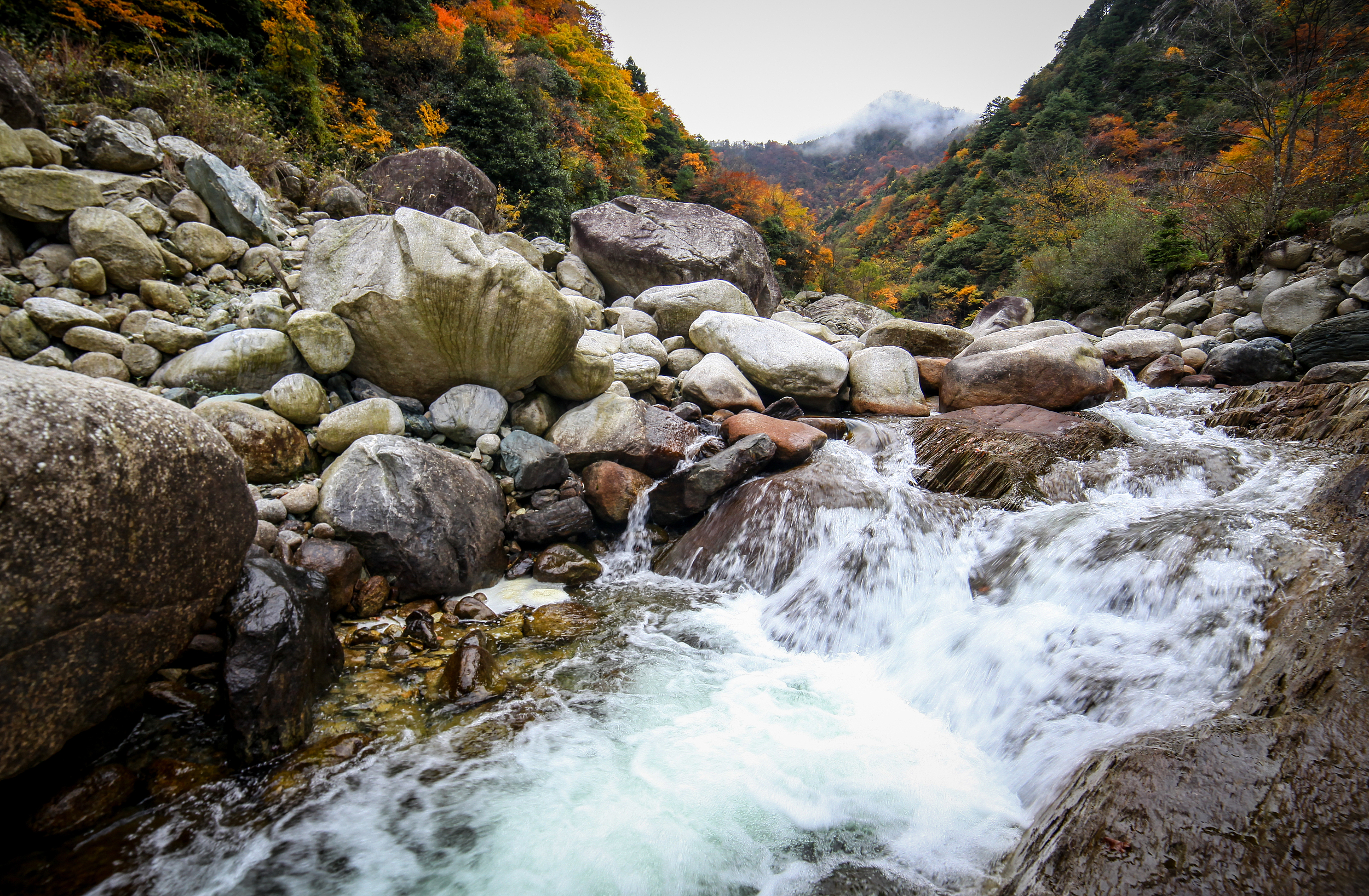
Tangjiahe National Nature Reserve
Tangjiahe Nature Reserve, located on the northwestern edge of the Sichuan Basin in Qingchuan County, features complex terrain with peaks reaching up to 3,837 meters. The area enjoys a subtropical monsoon climate, preserving many ancient species due to its unique geological history. Home to over 3,100 plant species, including rare trees like dove trees and Chinese tulip trees, the reserve also hosts 310 vertebrate species, with 25 being nationally protected, such as giant pandas and golden monkeys. The reserve’s diverse habitats, ranging from evergreen broadleaf forests to alpine meadows, support a rich biodiversity. It also serves as a crucial stopover for migratory birds. The reserve holds significant ecological, scientific, and educational value, with historical sites from the Three Kingdoms and Ming Dynasty adding to its cultural richness.
-
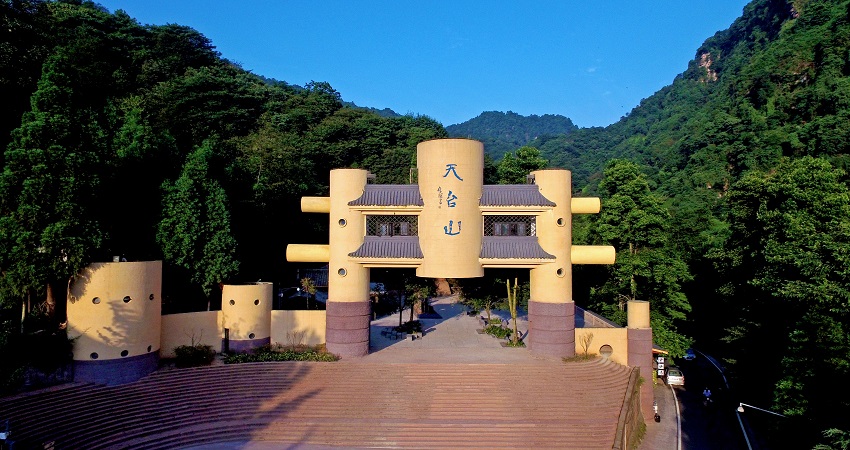
Tiantai Mountain Tourist Attraction
Tiantai Mountain Tourist Attraction is located in Qionglai, the first city west of Chengdu on the ancient Southern Silk Road. It is approx. 110 km from downtown Chengdu, with its main peak, Yuxiao Peak, standing at 1,812 m. It is part of the Sichuan Giant Panda Sanctuaries, a UNESCO World Natural Heritage site, a national scenic area, a national forest park, and a national AAAAA-level tourist attraction. It is also one of the top eight global destinations for firefly viewing.TiantaishanOriginally known as Dongmeng mountain, it is said to have been the site where Emperor Yu offered sacrifices to heaven during his flood control efforts, earning the name “Yu Gong Meng mountain.” Historically, the mountain was shared by Confucianism, Buddhism, and Taoism, with over 100 temples, Taoist shrines, and official residences at its peak. The attraction features a box-shaped synclinal mountain, roughly forming a U-shape resembling a westward-facing “chair.” The mountain rises from low to high, creating three terraces: Yitian terrace, Ertian terrace, and Zhengtian terrace, showcasing the distinctive scenery of “each terrace ascending to the heavens.” Renowned for its “unique peaks, bizarre rocks, beautiful waters, serene forests, and enchanting clouds,” the area boasts “ninety-mile rivers with eight hundred streams, nine thousand peculiar rocks and two thousand peaks,” with approx. 95% forest coverage and abundant flora and fauna. “The higher the mountain, the higher the water,” as the Jinlong river meanders down from the highest peak, Yuxiao peak, creating scenic water features like long beaches, cascading streams, waterfalls, and alpine lakes, along with phenomena like low-altitude sea of clouds and Buddha’s halo. It is celebrated as “no need to see water after visiting Jiuzhaigou, no need to play with water after visiting Tiantai,” making it a mountainous summer retreat famous for high-altitude water activities and nighttime firefly viewing, as well as a biodiversity-focused natural attraction for science education. Recommended half-day tour routes for Tiantai Mountain attraction Route 1: Visitor center > (approx. 15 min by vehicle) > Yitiantai (visit the firefly micro museum, check in at the Tiantai mountain gate, approx. 40 min tour) > (walking) > Wanshui bridge > Changhong waterfall > Shenfeng cave > Xiangshuitan waterfall > Zushi bridge (approx. 1.5 hr walking tour at Yitiantai) > Ertiantai (check in at the silk road post station, Tiantai mountain geology micro museum) > (approx. 25 min by vehicle) > Visitor center (return). Route 2: Visitor center > (approx. 15 min by vehicle) > Yitiantai (visit the firefly micro museum, check in at the Tiantai mountain gate, approx. 40 min tour) > (approx. 30 min by vehicle, passing by Changhong waterfall, geology museum, inverted boot stone, Huashi sea, Jinglun academy, etc.) > Zhengtiantai (check in at the Tianfu tree king,Hydrangea seaHigh-altitude forest plank road > butterfly beach > Bailong crossing (walking tour takes about 30 minutes) > (about 15 minutes’ walk) > Zhengtian terrace > (about 40 minutes’ drive) > visitor center (return). Recommended 1-day tour routes for Tiantai Mountain attraction Visitor center > Yiantai (visit the firefly micro museum and firefly research institute, check in at the Yiantai mountain gate) > (walking tour of Changhong waterfall, Shenfeng cave, the first waterfall in western Sichuan – Xiangshuitan waterfall,GuanyinqiaoEtc. Distance approx. 1.7 km.) > Ertiantai (check in at the silk road post station, visit the Tiantai mountain geology micro museum) > (approx. 3.6 km by vehicle) > Zhengtian terrace (visit Leiyin temple, Tianfu tree king – thousand-year-old yew,Hydrangea sea,Forest aerial walkway) > Bailong crossing (branch 1: Butterfly beach, Shibali fragrant grass gully to experience high-altitude water play fun, enjoy over 20 water interaction projects; branch route approx. 1.2 km. Branch 2: Visit Xiushui three charms, Panlong waterfall; branch route approx. 2.2 km) > Zhengtian terrace (approx. 14 km by vehicle) > Visitor center. Recommended 2-day tour routes for Tiantai Mountain attraction First day Tiantai mountain visitor center > accommodation > Yitiantai Xiaojiawan mountain gate > (visit the firefly micro museum and firefly research institute, check in at the Tiantai mountain gate) > (walking tour: attractions along the ancient southern silk road including Changhong suspension bridge, Changhong waterfall, Shenfeng cave, Xiangshuitan waterfall, etc. Distance approx. 1.7 km) > Ertiantai (check in at the silk road post station, visit the geology micro museum) > Ancient southern silk road (Tang dynasty pilgrimage route) > (walking tour to attractions including Tang dynasty great Buddha, Tianfeng gorge, Drunk stone maze, Ginseng tree, Small mill, etc. Distance approx. 1.2 km) > (take vehicle from Small mill station to Zhengtian terrace, approx. 10 min drive) > Zhengtian terrace (walking tour to Leiyin temple, Tianfu tree king – thousand-year-old yew,Hydrangea sea, forest skywalkButterfly beach and other attractions; distance approx. 1 km > Bailong crossing (branch 1: Shibali fragrant grass gully, experience high-altitude water play fun, enjoy over 20 water interaction projects, distance approx. 1.2 km; branch 2: Xiushui three charms, walking tour to Tiantai Mountain Tourist Attraction – Guifei pool, fragrant grass stacked stream, moon cave flying water, Panlong waterfall and other attractions, distance approx. 2.2 km) > Zhengtian terrace > Accommodation (dinner) > Firefly viewing spots (Xiaojiawan/Denglean/Zhengtian terrace) > Accommodation (late-night snack, entertainment, rest). Day 2 Accommodation → Huangjiang rock/Yehe ridge/Yinding peak (sunrise and sea of clouds viewing) → Accommodation (breakfast) → Monk’s yamen (walking tour through ten-li shaded avenue,Stone lion from the Ming dynastyAttractions such as the monk yamen and the southern silk road poetry corridor (approx. 1.3 km away) → sandao bay entrance (walking tour includes the jinglun academy ruins, yingyue bridge, and camellia corridor)Dieyin springAttractions, distance approx. 3 km) → Sandao bay exit → Accommodation (lunch, check-out) → Tiantai mountain visitor center →Red Army Long March memorial hall(VisitRed Army Long March memorial hallAttractions such as the site of the Shita District Soviet Government, the Southern Song Dynasty Shakyamuni Tathagata True Body Pagoda, and the Digital Memorial Hall of the Long March of the Red Army → Return.
-
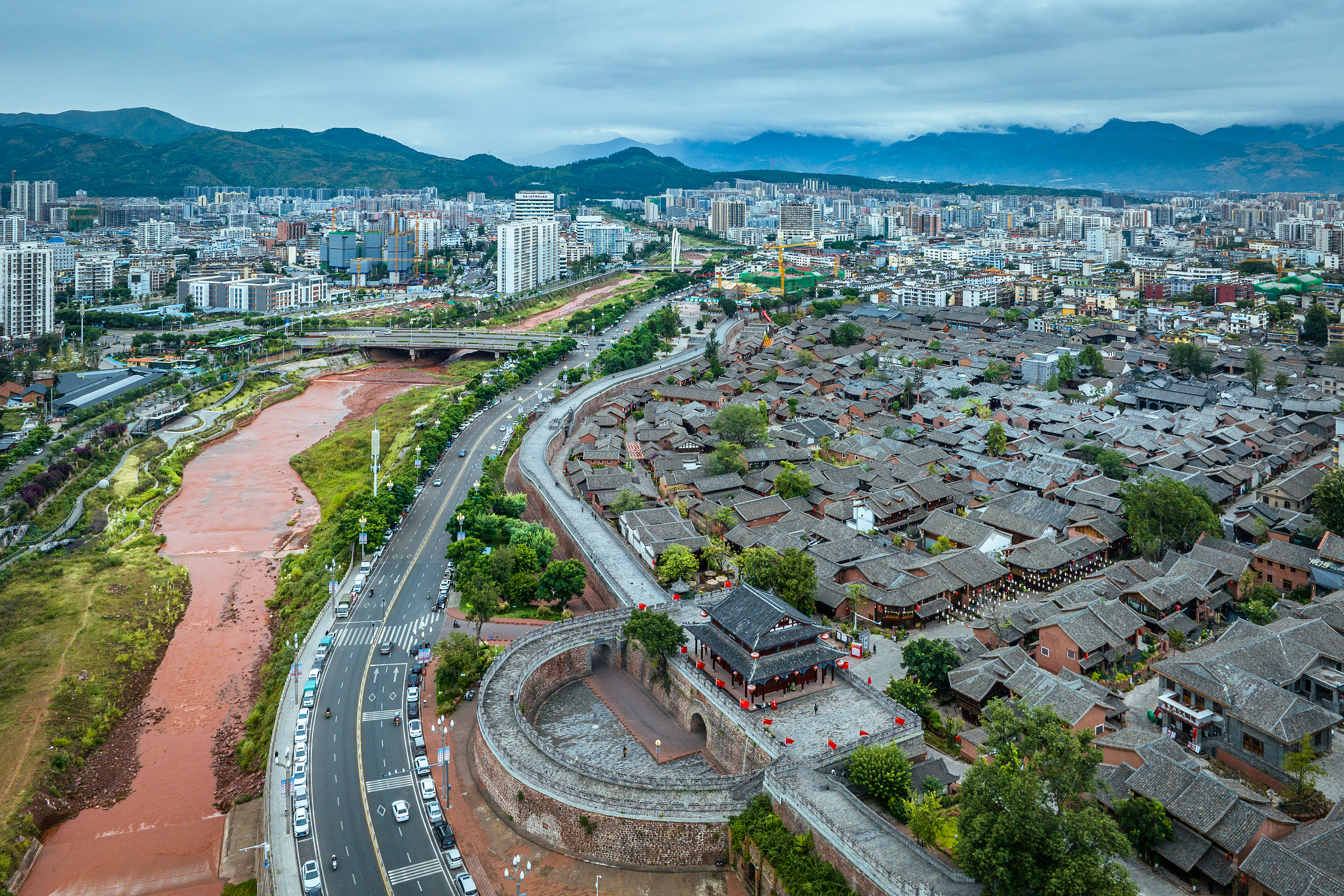
Ancient City of Jianchang
The ancient city of Xichang is located in the central part of Liangshan Prefecture. It has been an important town in the southwestern border of the motherland since ancient times. Since the Qin and Han dynasties, successive dynasties have established prefectures, prefectures, government offices, and appointed officials here. Today, this ancient city with a history of more than 2,000 years occupies only the northeast corner of Xichang City. The three city gates are its prominent symbols. Despite this, the charm of the ancient city of Xichang still exists, and the basic pattern of the ancient city is still well maintained. The monuments mainly include the ruins of the Tucheng City in the Western Han Dynasty, the unnamed Hanque, the White Pagoda of the Tang Dynasty, the Jingzhuang Temple of Nanzhao, the Luoluo Xuanweisi, the mosque, and the Datong Gate.
-
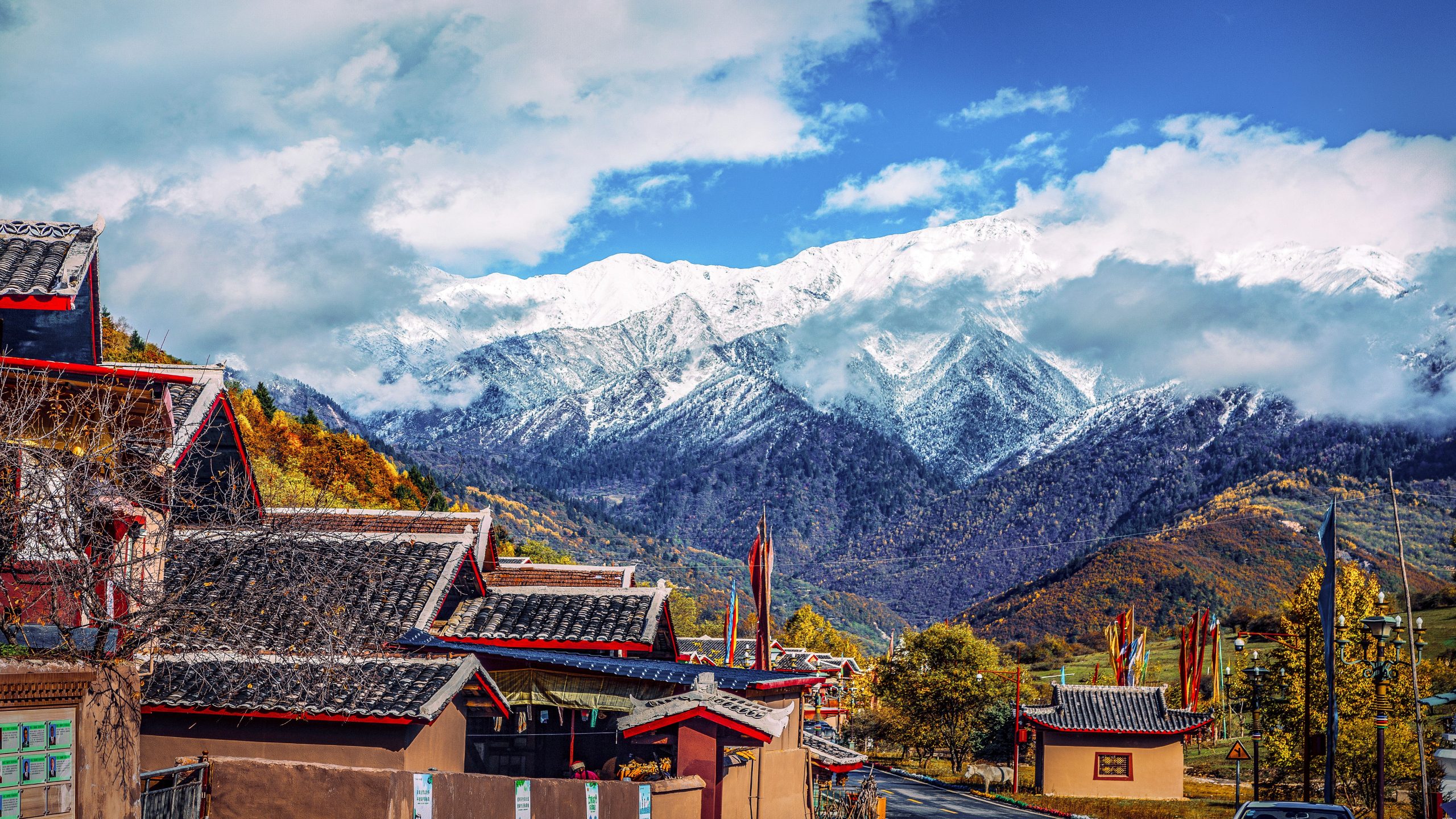
Jiuzhai Beautiful China Resort
China Green Development Jiuzhai Paradise Resort is located in Zhongzhagou Valley, Zhangzha Town, Jiuzhaigou County, just a mountain away from the Jiuzhaigou attraction. Zhongzha, meaning “land where the divine eagle descends” in Tibetan (pronounced “Qiongqia”), is hailed as the “back garden of Jiuzhaigou.” As the saying goes, “No visit to Jiuzhaigou is complete without exploring this paradise.” The Jiuzhai Paradise Resort integrates outdoor adventures, luxury accommodations, family-friendly activities, commercial leisure, themed entertainment, sports wellness, and cultural arts into an eco-cultural destination. It features three core functional areas: a luxury hotel cluster, a Tibetan-Qiang intangible cultural heritage town, and Wild Word.The luxury hotel cluster brings together three major international hotel groups – Marriott, InterContinental, and Hilton – featuring properties like the Rissai Valley, a Ritz-Carlton Reserve, Conrad Jiuzhaigou, Hilton Resort Jiuzhaigou, Hotel Indigo Jiuzhaigou, and Hilton Garden Inn Jiuzhaigou. Additionally, the development includes complementary facilities such as the Firefly Forest Camp and Huaili Shared Space youth hostel, further diversifying its offerings.The Tibetan and Qiang Intangible Cultural Heritage Town has introduced renowned brands like Hard Rock Cafe, KFC, Womei Cinema, and Sha Zhuangyuan. It also features the Jiuzhaigou Qiongqia Lantern World, creating a unique destination that combines Tibetan and Qiang cultural experiences with leisure activities.Wild Word has created the Jiuzhaigou Qiongqia Ice and Snow World Ski Resort, operating mountain off-road UTV projects and primitive forest hiking trails, while also establishing an outdoor research and education base. This comprehensive business layout will enhance the tourism industry in the Greater Jiuzhaigou region, fully meeting the diverse needs of people for a better life.