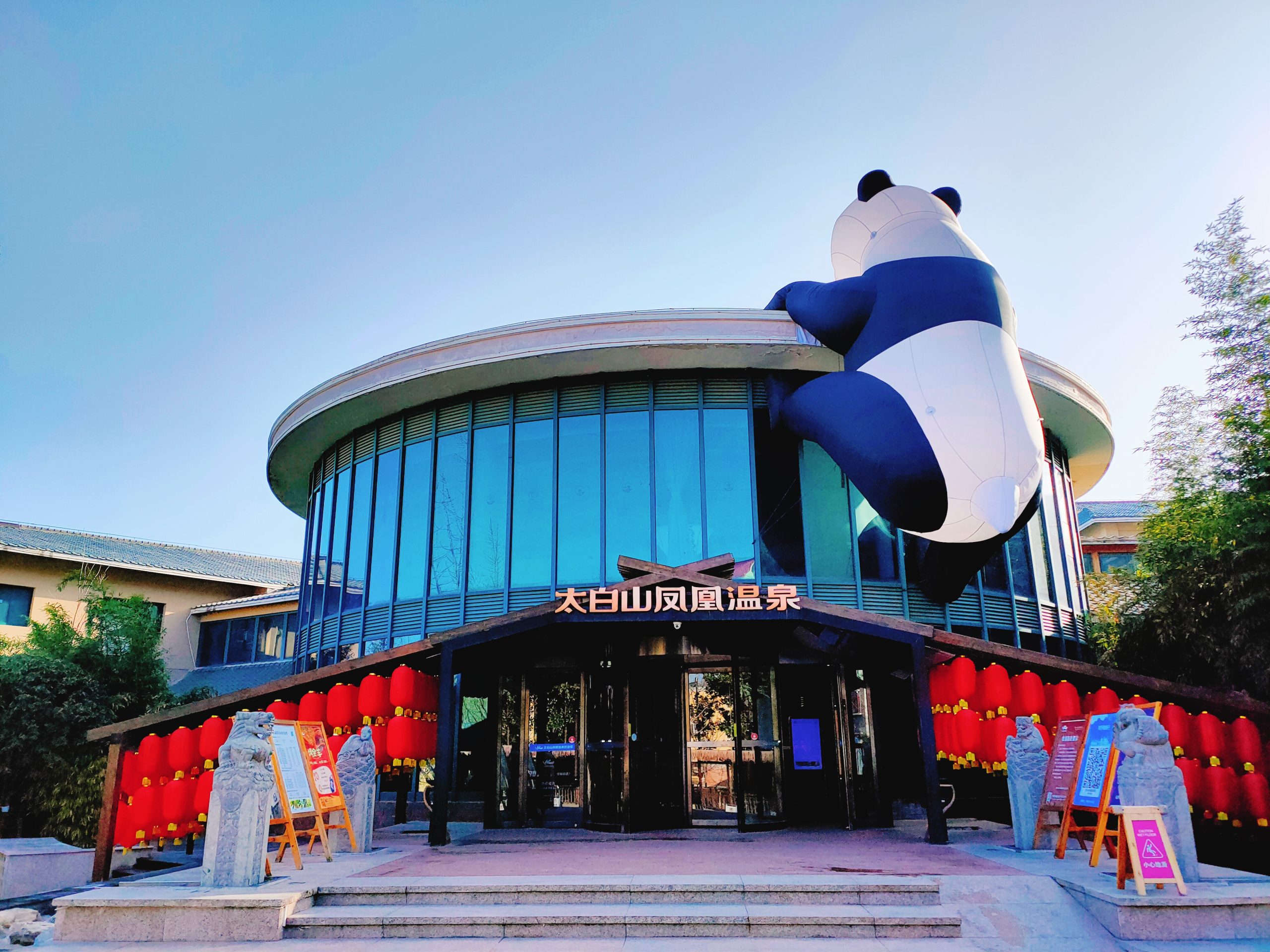
Located at the mountain hot springs at the foot of Taibai Mountain, the hot springs health areas include an outdoor hot springs area, an indoor spa treatment area, a steam area, and a relaxation area. The outdoor hot springs are built against the mountain and include a dynamic hot springs area, a private hot springs area, and a children’s play area, with dozens of different kinds of hot spring pools to choose from. Indoors, you can enjoy activities like lying in a “bubble bed,” taking a relaxing soak, or having a foot acupuncture bath.
归档: Attractions
-
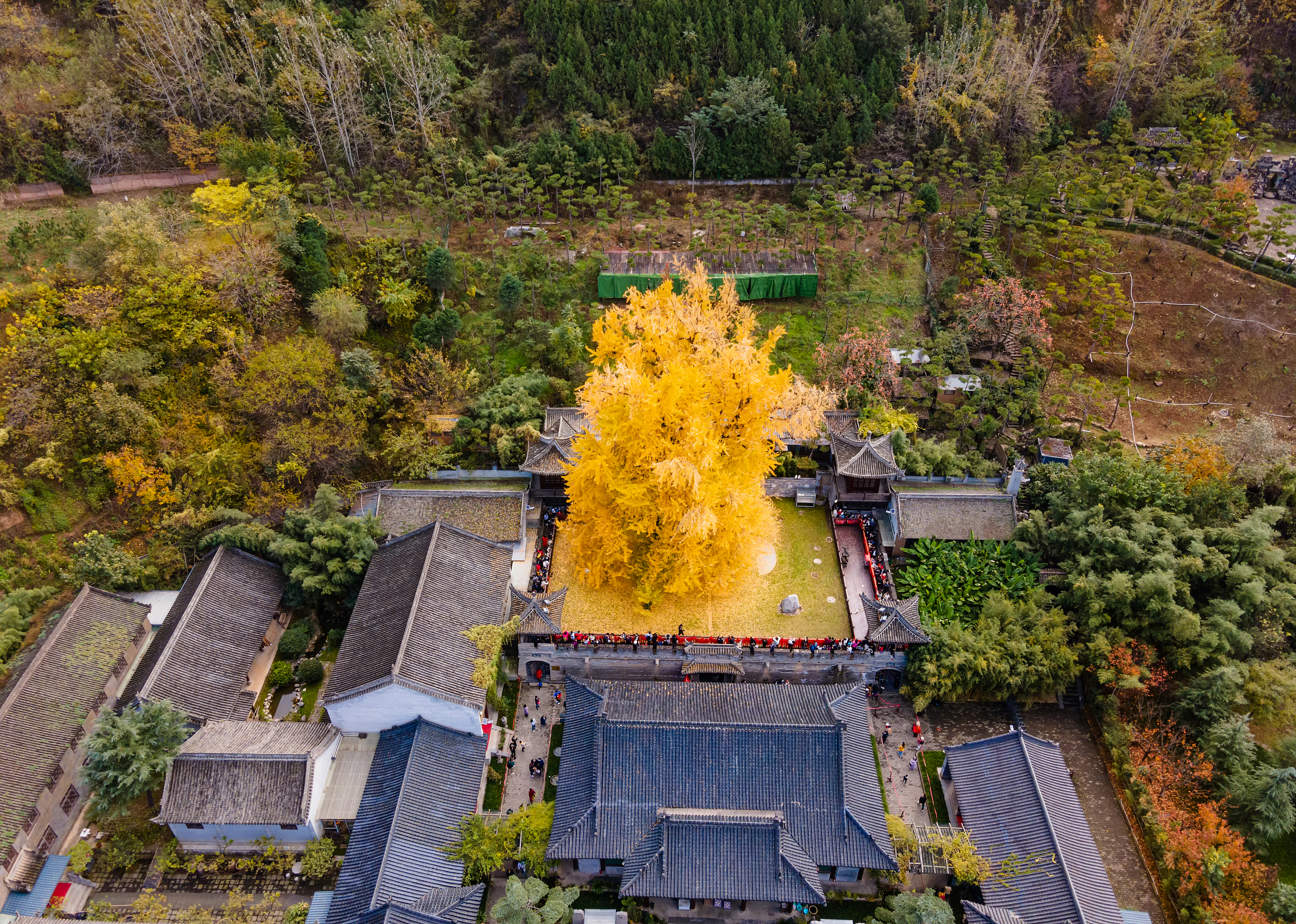
Ancient Guanyin Temple
The ancient Guanyin Temple was built in the Zhenguan period of the Tang Dynasty and has a history of about 1,400 years. It is one of the thousand-year-old ancient temples in Zhongnan Mountain. The ancient temple has Guanyin Hall, Dazhong Meditation Hall, Dashanyuan and other buildings. There is a thousand-year-old ginkgo tree in the temple. It is said that it was planted by Li Shimin, Emperor Taizong of the Tang Dynasty, and it has been listed in the national protection list of ancient and famous trees. In the late autumn, the ginkgo trees are full of golden colors, a gust of wind blows, and the yellow leaves flutter in the sky, landing like a golden carpet, attracting countless tourists to visit.
-
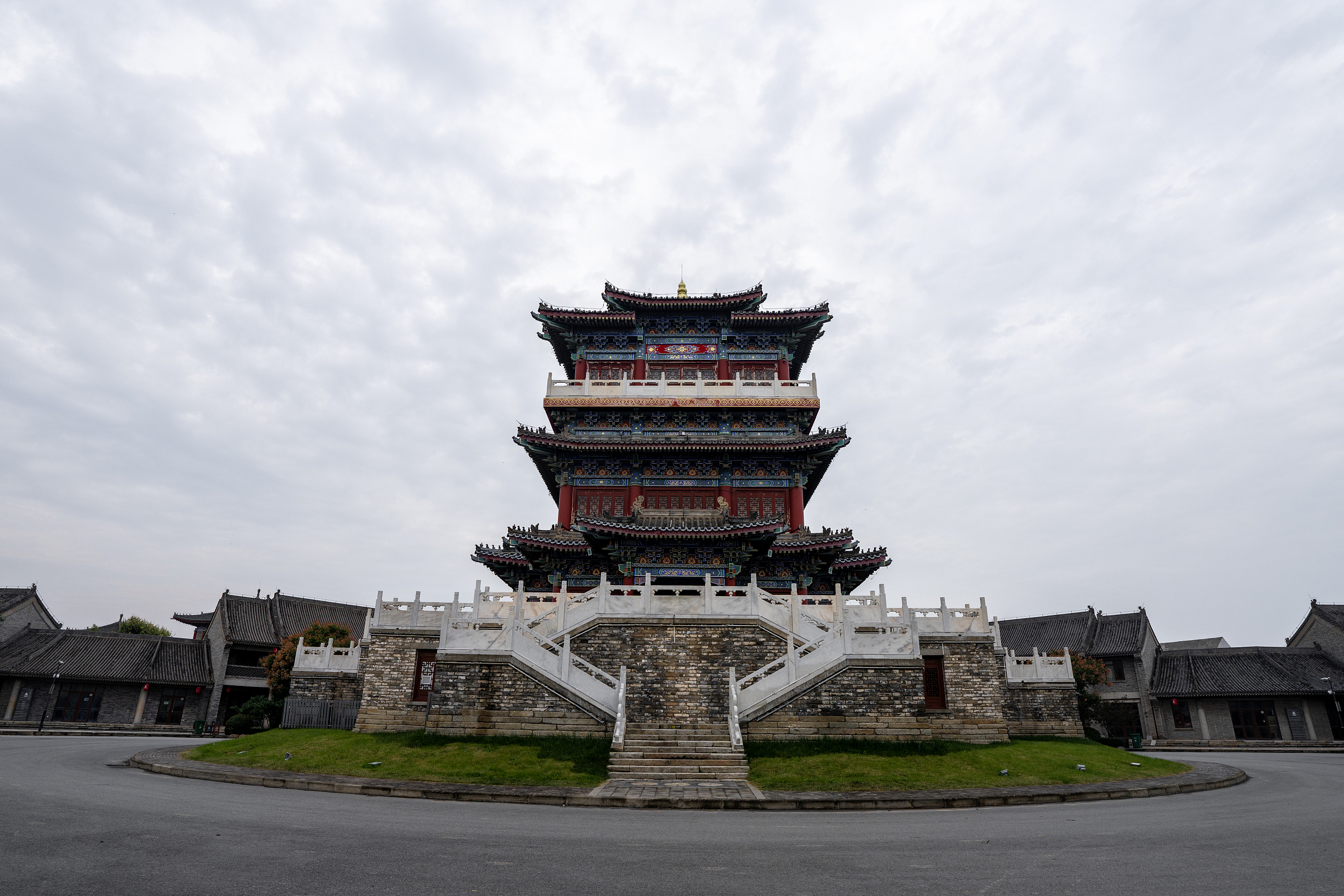
The Ancient City of Tongguan
The ancient city of Tongguan was relocated twice and fortified in three places from its establishment to the Tang Dynasty. The city changed a lot and the facilities were different. In the early days of the Eastern Han Dynasty, the Hangu Pass built by the Qin Dynasty in Lingbao County, Henan Province was abolished. Emperor Wu and Emperor Xian successively moved to Xin’an, Henan Province and Hengshan Mountain in Hongnong.During the Jian’an period, Emperor Xian moved the city to the outer side of the upper south gate of Tongguan, which is now the area of Yangjiazhuang and Chengbei Village in Gangkou Town. The name of Tongguan originated from this place. There is no record of its construction in the annals. Judging from its remains, it starts from the west edge of Yuanwanggou in the east, passes through Chengbei Village in the west to the east bank of Jingou. It faces ditches on the east and west sides, and the terrain is flat and wide. During the Southern and Northern Dynasties, the battle in which Emperor Min of Northern Zhou, Yuwen Jue, defeated General Dou Tai of Eastern Wei took place here. After Emperor Min won, he changed Tongguan to “Tonggu Pass.”
-
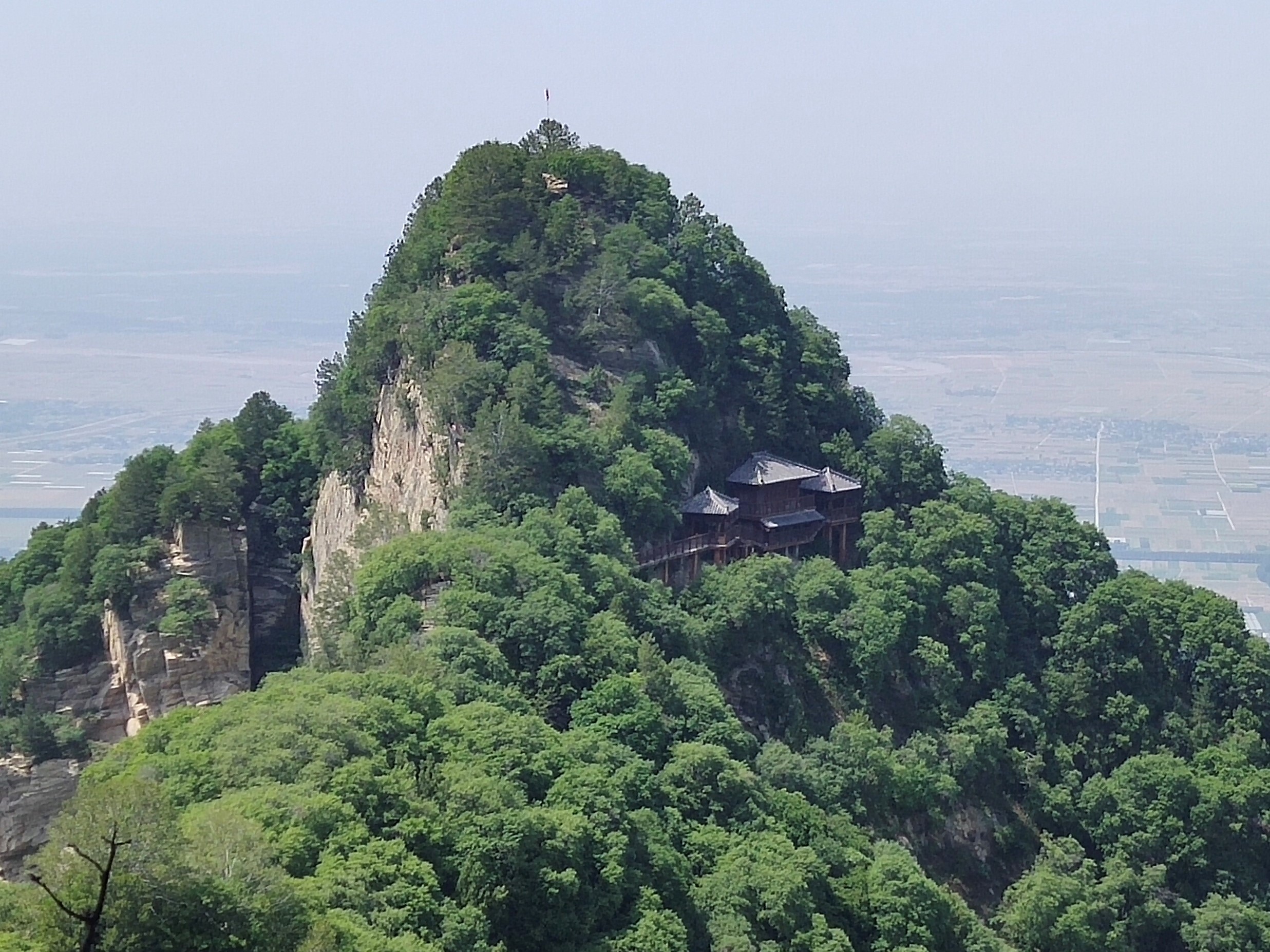
Shaohua Mountain National Forest Park
Shaohua Mountain Forest Park, located in the southeast of Huaxian County, Weinan City is named after the famous Taoist mountain Shaohua Mountain. The Shaohua Mountain Forest Park consists of five scenic spots which include Shaohua Peak, Qianlong Temple, Hongya Lake, Shimen Gorge and Jungle Valley. Many stories of Jiuwenlong Shijin in the famous “Water Margin” had taken place here. Today’s Shaohua Mountain is more of a place for mountaineering and fitness, close to nature.
-
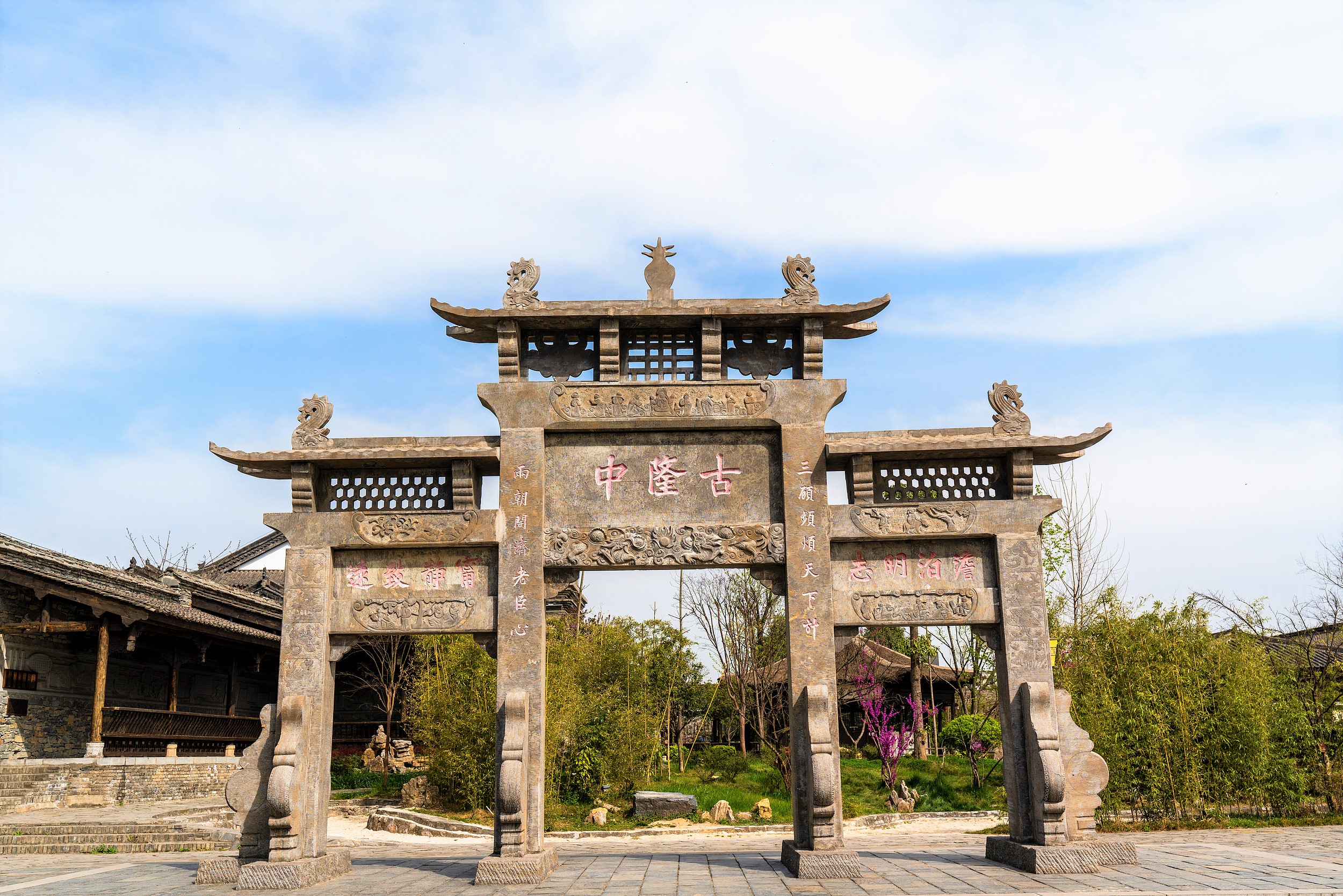
Zhuge Town
Zhuge Ancient Town is based around Zhuge Liang’s Eight Diagrams layout concept, with a water street and a dry street as the main street, symbolizing the Yin and Yang of the Eight Diagrams. It has a strong culture dating from the Three Kingdoms Period. There is plenty of entertainment, such as historical sites, live performances and folk catering. It consists of six sections, including Wuhou Temple, Ma Chao Tomb and the live performance “Memorial on Sending Out the Troops.”
-
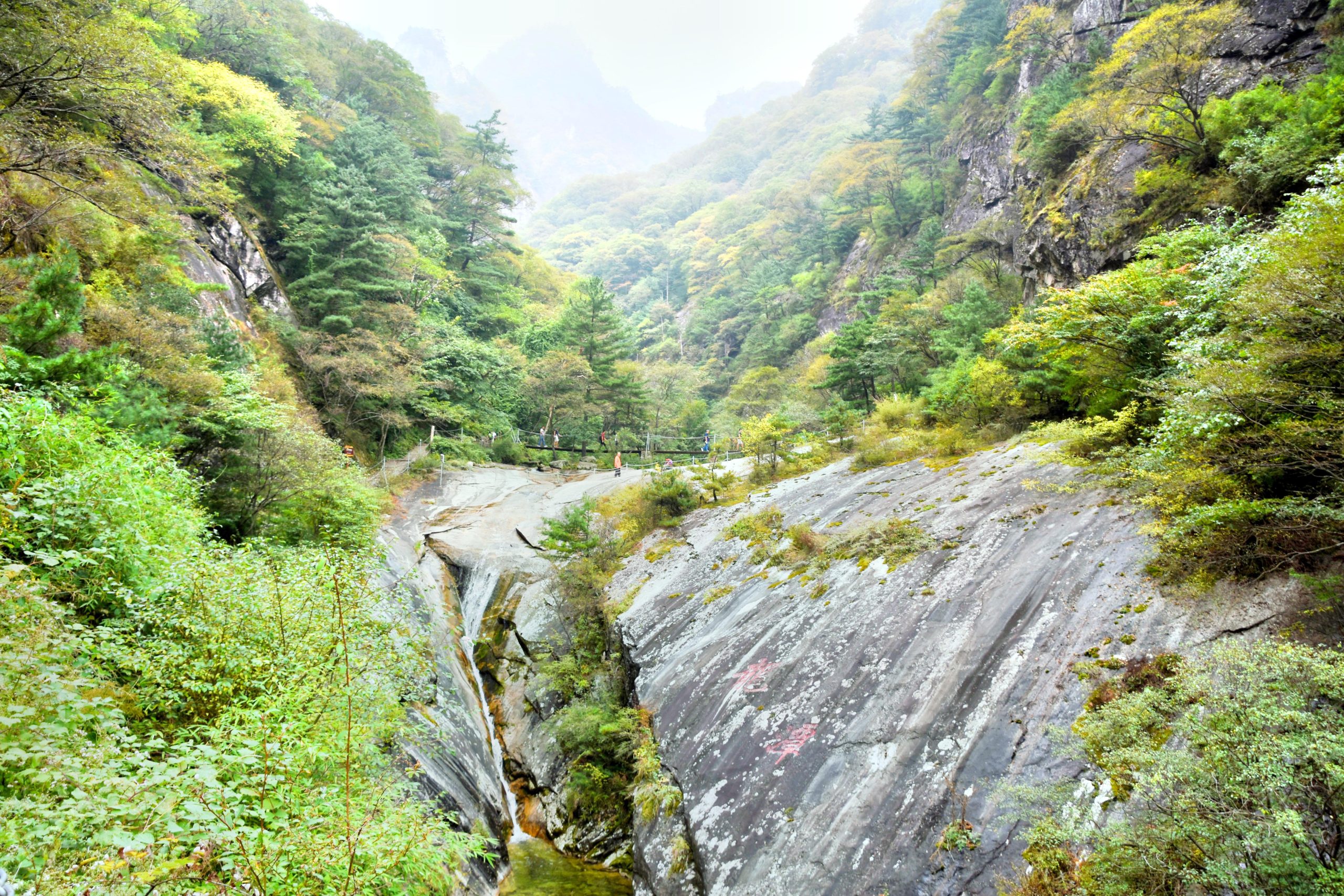
Zhuque National Forest Park
The Suzaku National Forest Park is found in the upper reaches of the Donghe River in the south of Hu County, Xi’an, and on the northern side of the Qinling Liang, where you can find hundreds of scenic spots. The mountains in the park are part of the fold belt of the North Qinling Mountains. The front mountain channel is open and flat, with dense forests and beautiful scenery. The peaks on the back are stacked and the mountains are steep. There are countless odd cliffs and rocks in the jungle giant trees and exotic flowers, forming a natural landscape painting.
-

Huang Bai Yuan
Huangbaiyuan Scenic Area is located in Taibai County, Baoji City, Shaanxi Province, with a total area of 896 square kilometers. The scenic area mainly includes Taibai Mountain National Nature Reserve, Huangbaiyuan Aquatic Biology National Nature Reserve, and Niuweihe Giant Panda Nature Reserve. It was declared a national 3A Attraction in 2013, and currently has Dajiangou Attraction and Primitive Forest Scenic Attraction. The Attraction is rich in forest, mineral, hydropower, biological resources, etc., and the forest coverage rate reaches more than 96%; there are many kinds of wild animals, including giant pandas, golden monkeys, takins, red-bellied tragopans, and fine-scaled salmon. Huangbaiyuan Scenic Area is one of the most primitive ecological areas in the Qinling Mountains. It is known as the “natural oxygen bar” and the “Jiuzhaigou of the Qinling Mountains”; Huangbaiyuan Scenic Area has been rated as “the longed-for beautiful Chinese characteristic town”, “the national beautiful environment town”, “the most charming original ecological Attraction in Shaanxi “, ” the Shaanxi characteristic tourist town”, “Baoji beautiful village” and was rated as “the national ecological cultural village” in September 2014.
-
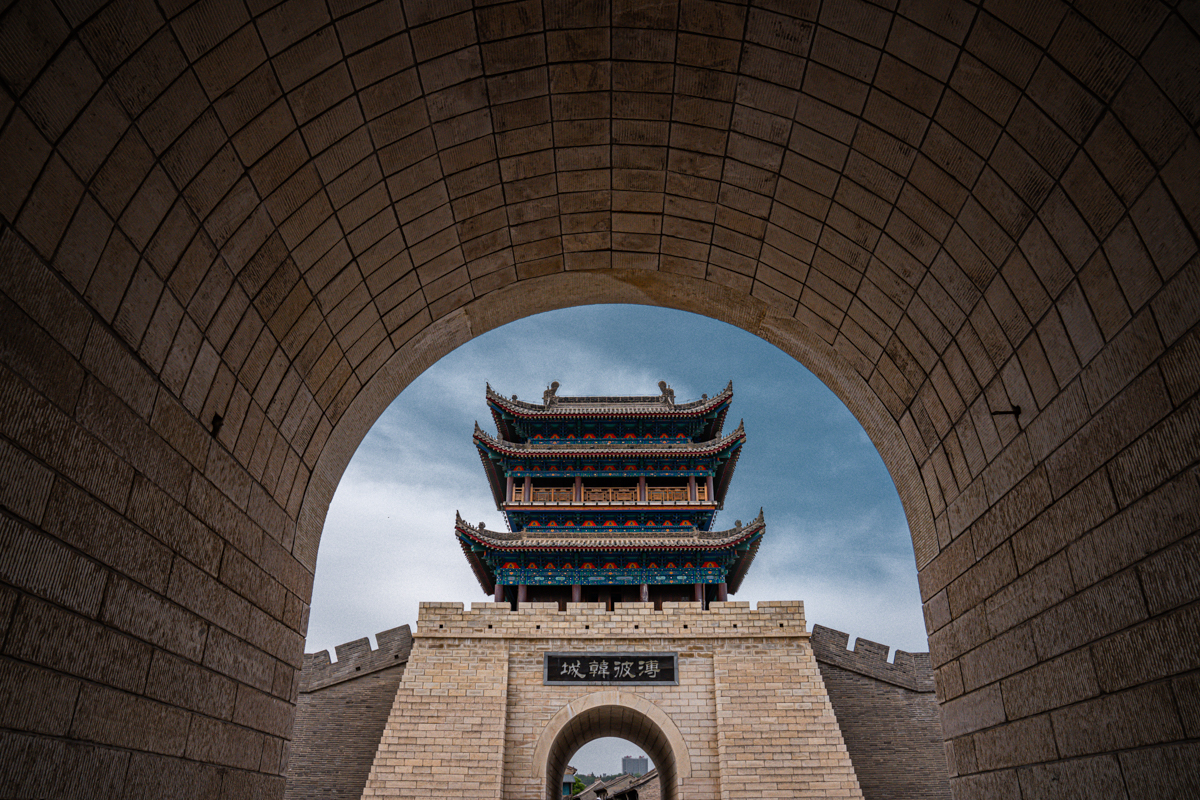
Hancheng Ancient City
The ancient city of Hancheng was constructed in the Sui Dynasty. It has a history of 1,500 years and preserves the buildings of Tang, Song, Yuan, Ming and Qing. Inside the ancient city, a group of ancient streets from the Ming and Qing Dynasties, a group of ancient buildings, a group of ancient houses in the courtyard and patterns are all well protected. It is one of the six well-protected ancient cities in the Ming and Qing Dynasties. The ancient city is also the place where Hancheng’s cultural relics gather. The towering golden pagoda and the ancient temples of the city cluster are amazing.
-
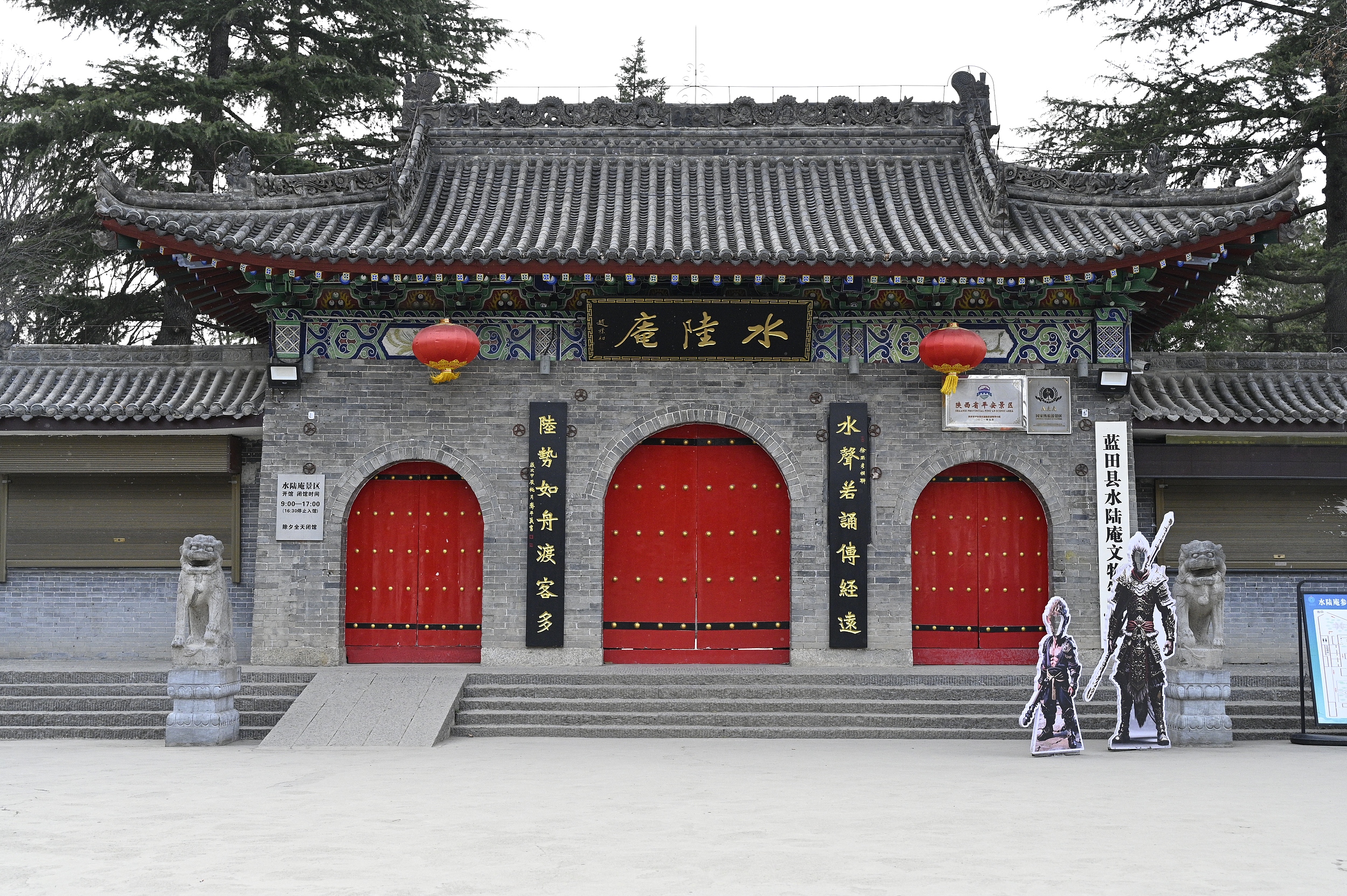
Shuilu Temple
Shuilu Temple is a renowned Buddhist monastery dating back to the Six Dynasties period, housing ancient painted sculptures that represent a treasure trove of China’s classical sculptural art, often hailed as “China’s second Dunhuang.” Originally serving as the Shuilu Hall, it was a key venue for conducting the “Grand Shuilu Fast” and “Shuilu Ritual Ceremonies.” During the Ming Dynasty, Prince Qin Zhu Huaizhen spent over five years renovating it into a family temple. The temple’s Mahavira Hall preserves more than 3,700 clay sculptures, celebrated as “wall-sculpture masterpieces.” Surrounded by water on three sides like an isolated island, with towering green mountains behind and a river encircling it, the site earned its name as Shuilu Temple. Shuilu Temple is a quadrangle-style complex featuring a five-bay mountain gate at the front, 13 side rooms on both the north and south sides, a three-bay central hall in the courtyard, and a five-bay main hall to the west. This complete Buddhist temple complex maintains a serene and ancient atmosphere throughout its tranquil courtyards. The colorful clay murals are the essence of Shuilu Temple, boasting significant aesthetic value and historical research importance. These murals are entirely housed within the temple’s main hall, divided into four sections: the north and south gable walls, the central partition walls, and the eave walls. The mural group integrates painting, sculpture in the round, relief carving, and openwork techniques, adorning walls, beams, and columns with over 3,700 statues depicting human figures and natural elements. These artistic works showcase Buddhist stories and mythological characters through exquisite carvings and vibrant colors, serving not only as expressions of religious faith but also as testaments to ancient artisans’ rich imagination and superb craftsmanship, attracting numerous visitors to pause and admire. Renowned for its exquisite wall sculptures and Buddhist rituals, Shuilu Temple is not only a sacred site of Buddhist culture but also an ideal destination for art enthusiasts and history researchers to explore ancient traditions.
-
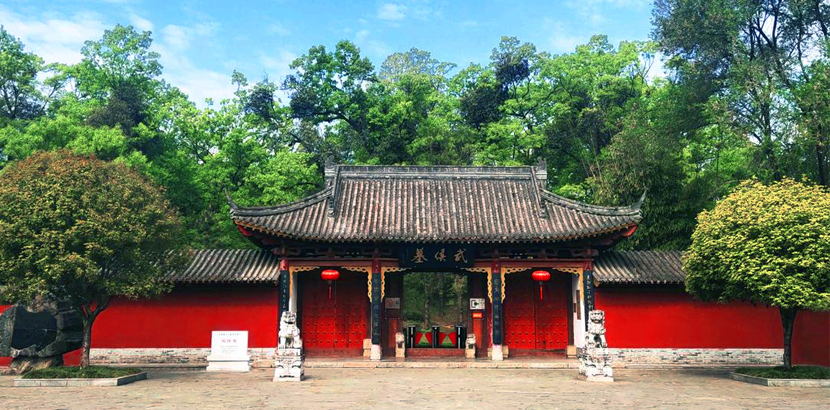
The Wuhou Tomb
Located at the foot of Dingjun Mountain, Wuhou Tomb is the tomb of Zhuge Liang, the prime minister of the Shu Kingdom in the Three Kingdoms period. The tomb is surrounded by brick walls, with a small pavilion in front of it, and a stone tablet stands in the pavilion carved with the words “The Tomb of Marquis Zhuge Liang.” Inside the court, there are numerous poems that eulogizing Zhuge Liang from past dynasties, as well as renovated temples and stone tablets carved with verses. In the court, people can see a Zhuge Liang statue sitting upright, with Guan Xing and Zhang Bao on both sides, who were believed to be the descendants of Guan Yu and Zhang Fei.