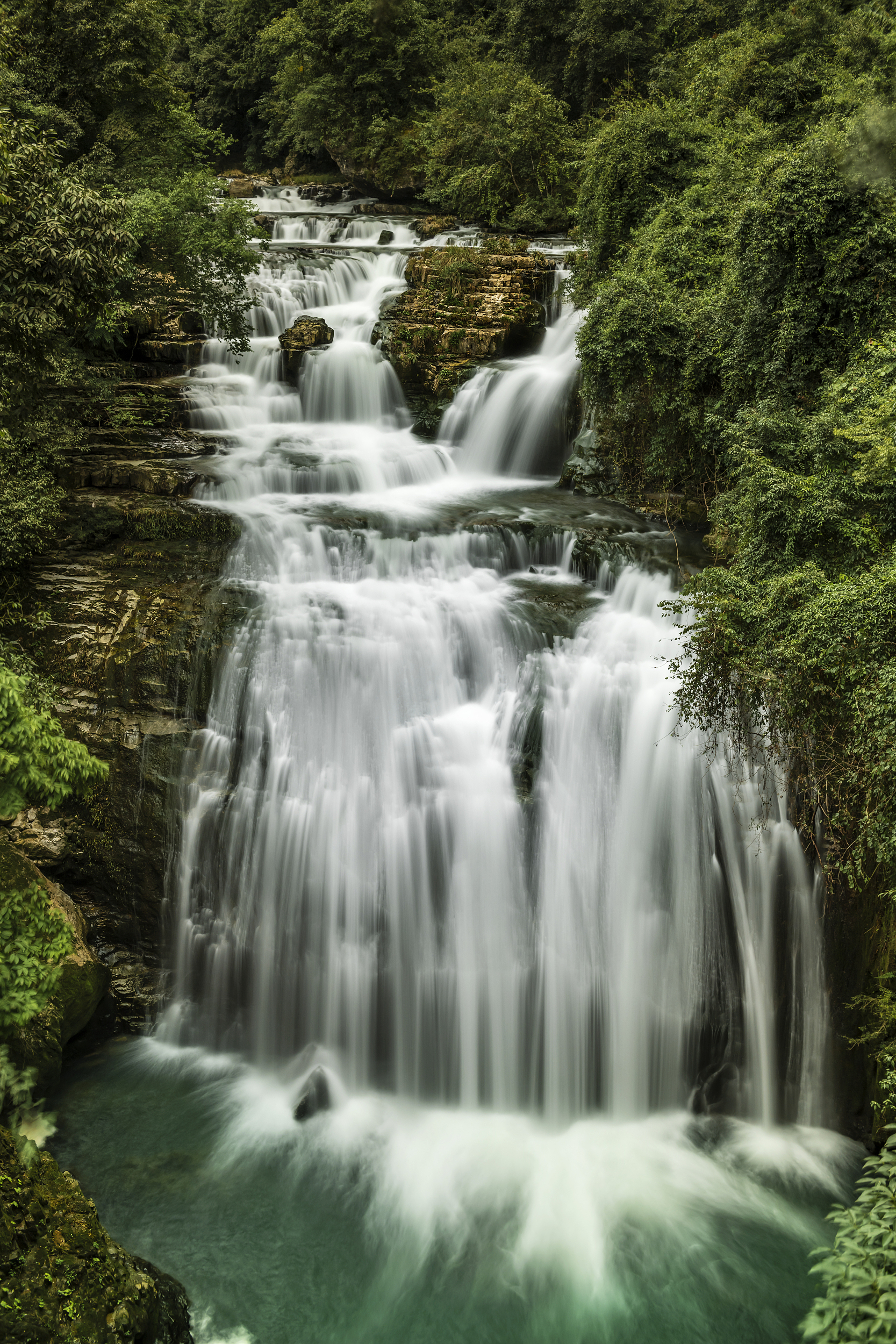
Incense Rock is named after the magical Buddhist shrines carved naturally by Banbian Mountain. In the scenic area, the peaks and peaks, strange rocks, waterfalls and springs are spectacular. The largest shrine in the world, the Incense Rock Shrine, is located at the foot of the mountain in the middle of the scenic spot, with a width of more than 500 meters and a height of more than 100 meters. There is a Buddha in the shrine, which is tall and majestic. The peak stands, if the stone people worship from afar, it is completely integrated, which is indescribable. The Incense Rock Waterfall is located between the shrine and the stone man. The river narrows and steepens, and suddenly an eight-level waterfall emerges. The total drop is about 250 meters and the width is 40 meters. The trees are hidden, the water mist is lingering, and the rainbow is looming. Walking up the steps along the waterfall viewing pavilion, the mountain road is winding, the strange trees are intertwined, the vines are surrounded by branches, the green leaves cover the sun, and when you walk about 800 meters, you suddenly see a scene – the dripping pool, the dripping water is like a singing piano, and the deep pool is like a dragon. Gives a sense of winding paths. Going along the trail, the twists and turns seem like there is no way, and then a big hole suddenly appears, which is called “Tuyun Cave”. Clouds and mists linger at the entrance of the cave. If thunder. The Erdong Natural Bridge is very majestic. It is called “the first natural bridge in Guizhou”. The bridge is about 300 meters wide, 50 meters high, and about 40 meters long. There is a “skylight” in the center of the bridge. , within reach, there is nothing like a fairyland on earth.
归档: Attractions
-
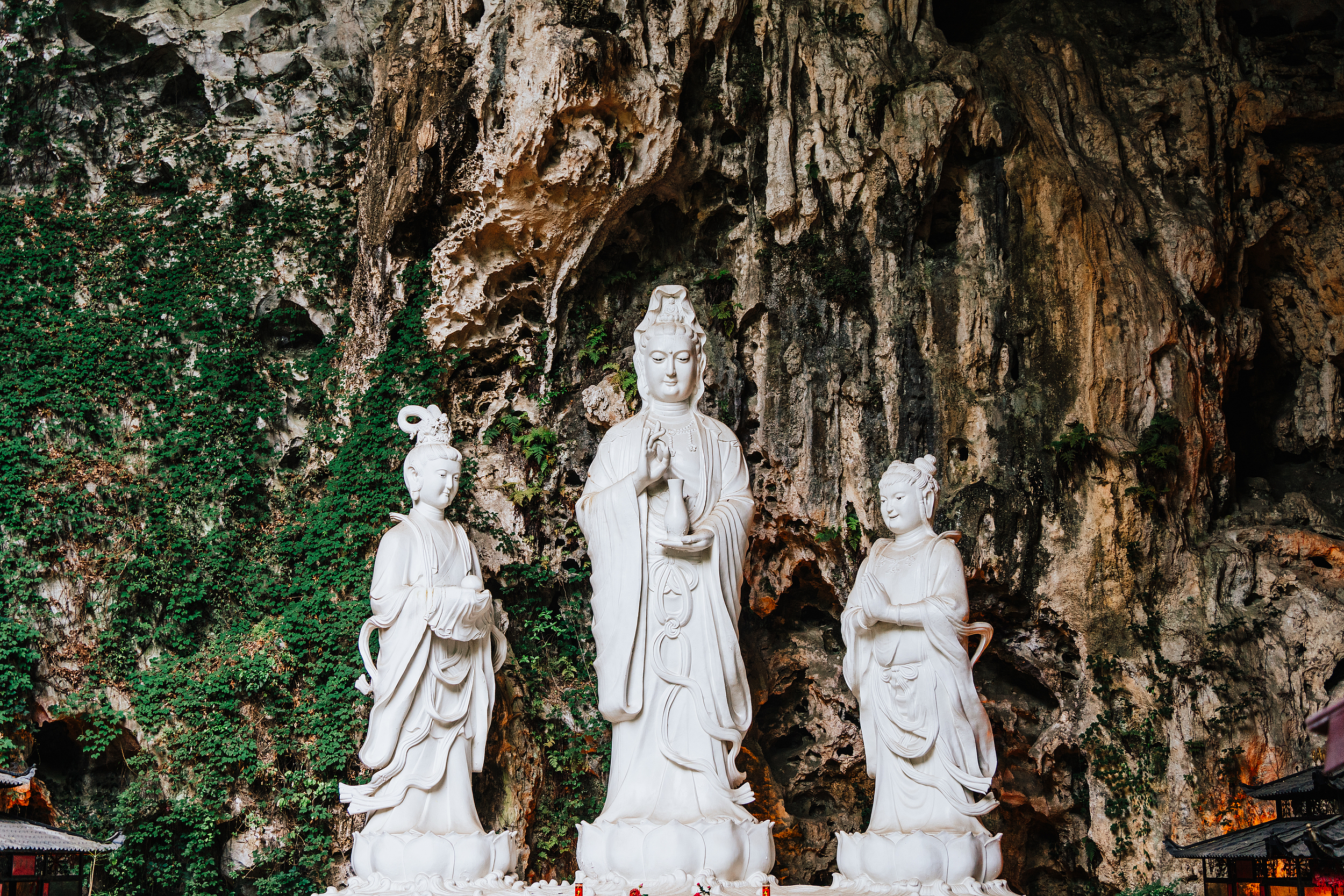
Guanyin Cave
Located on the hillside of Shoushan Mountain, on the banks of the Xuantang River, Guanyin Cave consists of two interconnected natural caves, one above and one below. It is the largest Buddhist temple within a cave in Southwest China. The lower cave houses the Main Hall, while the upper cave features sculptures of Guanyin Bodhisattva, the Good Wealth Child, and the Dragon Girl. Together, the upper and lower caves contain 27 lifelike statues, each one vivid and lifelike. Incense curls from the two halls, adding to the mysterious and solemn atmosphere. On a vertical cliff outside the cave, the three characters “Guanyin Cave” are inscribed by Mr. Zhao Puchu, Chairman of the Buddhist Association of China.
-
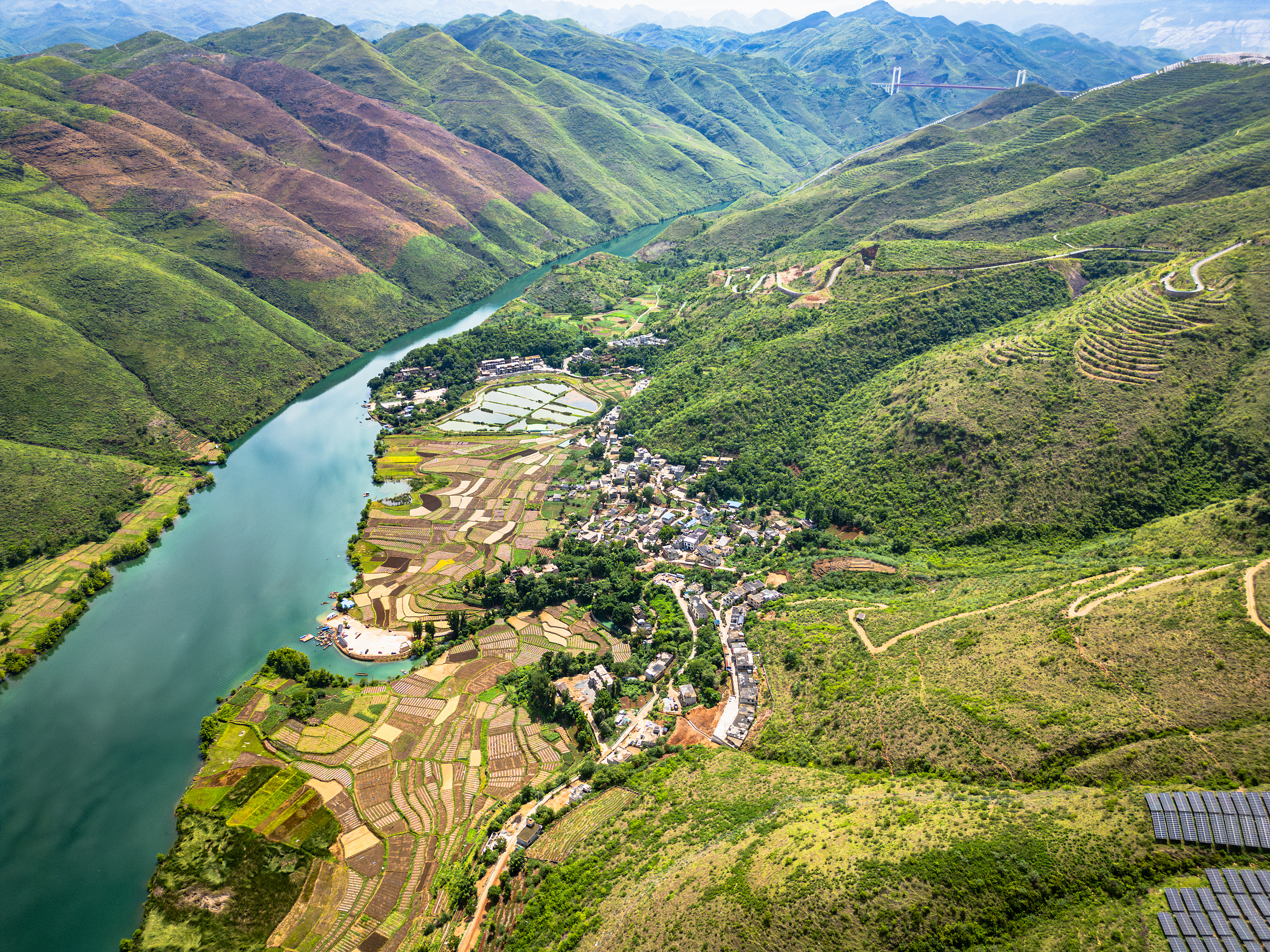
Luoyang River
Luoyang River is located in Guanling, Anshun, Guizhou, and is a typical karst landscape belt. The river cuts out a winding canyon along the limestone strata, and multiple waterfalls hang between the vertical cliffs on both sides. In the rainy season, the mist fills the air to form a natural oxygen bar. Traditional Buyi villages are distributed in the river valley, and the slate roofs and terraces form a humanistic and ecological picture. The Luoyang River route is about 15 kilometers long and needs to cross meadows and rocky areas. It is suitable for hiking enthusiasts and outdoor adventurers. The first section is mainly meadow hiking, and the latter section enters the stream tracing area, where tourists can experience rock climbing, rope descent and other projects. There is a Luoyang River camp in the surrounding area, which provides tents, barbecue grills and other camping facilities, suitable for team activities. As a tributary of the upper reaches of the Pearl River, the area maintains good ecological authenticity. The perfect wooden plank road system and viewing platform design make the canyon a comprehensive scenic spot that takes into account both natural exploration and folk experience, attracting photography enthusiasts and family tourists.
-
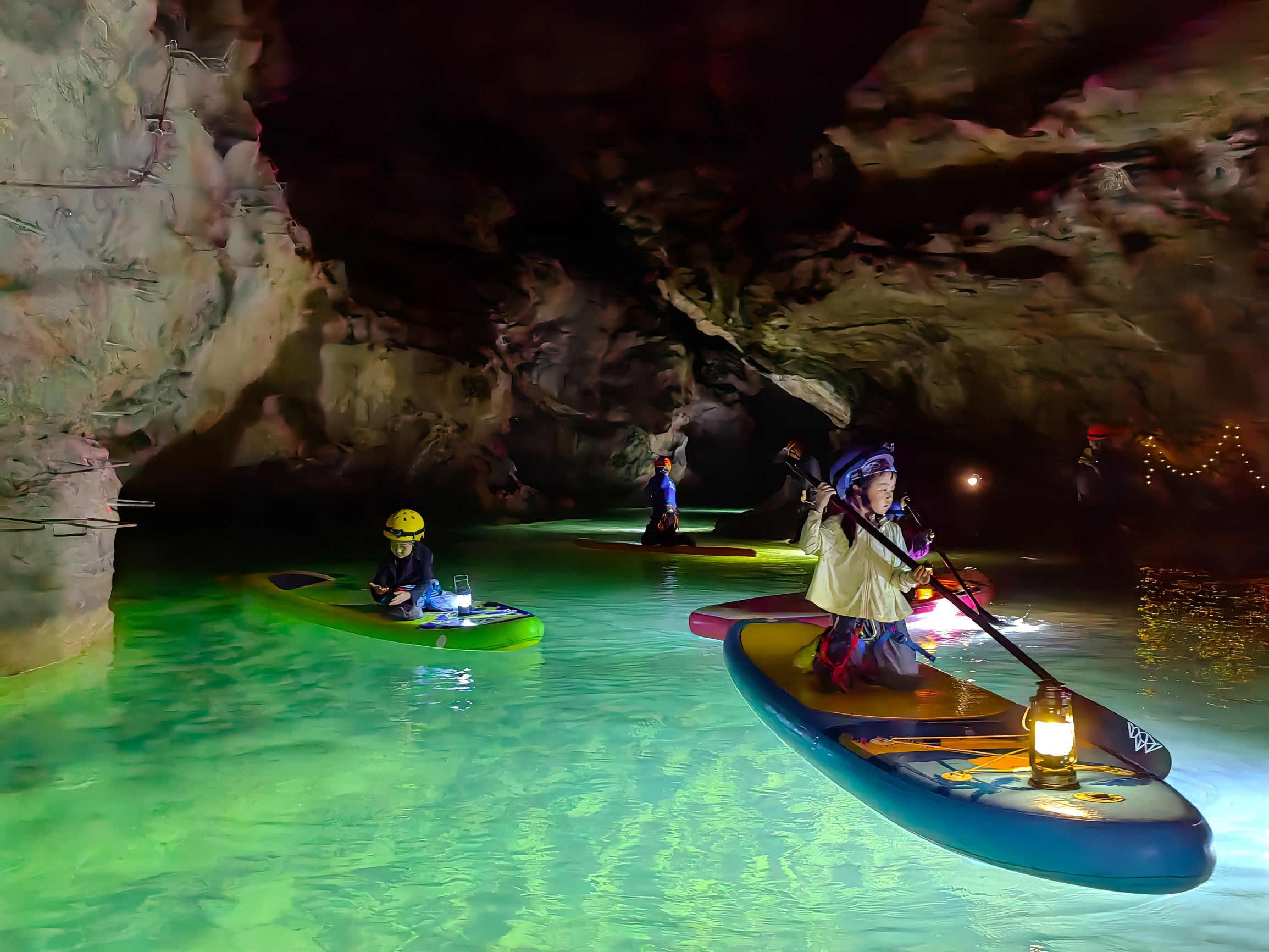
Giant Mountain Sansheng Cave
Guizhou’s Giant Mountain Sansheng Cave features a breathtaking natural wonder—a 108m-tall giant’s profile formed by Triassic reef limestone dating back 230 million years, with “eyelashes” composed of deep-sea tube worm fossils embedded in the rock crevices. The cave offers a fantasy journey themed around “three lives”: In the Realm of Living Water, paddle a canoe through a 1.8 km azure underground river where stalactite reflections resemble dancing Dunhuang celestial beings, blind silver fish dart beneath the boat, and millennial mineral fluorescence seeps from the walls. Step into the 30,000㎡ Dome of Living Light, where AI projections awaken with your movements—stomp to make holographic rhododendrons bloom from stalagmite clusters, wave your hand to summon glowing feather-winged insects from apatite walls, while laser projections on the dome recreate Cambrian ancient marine constellations.
-
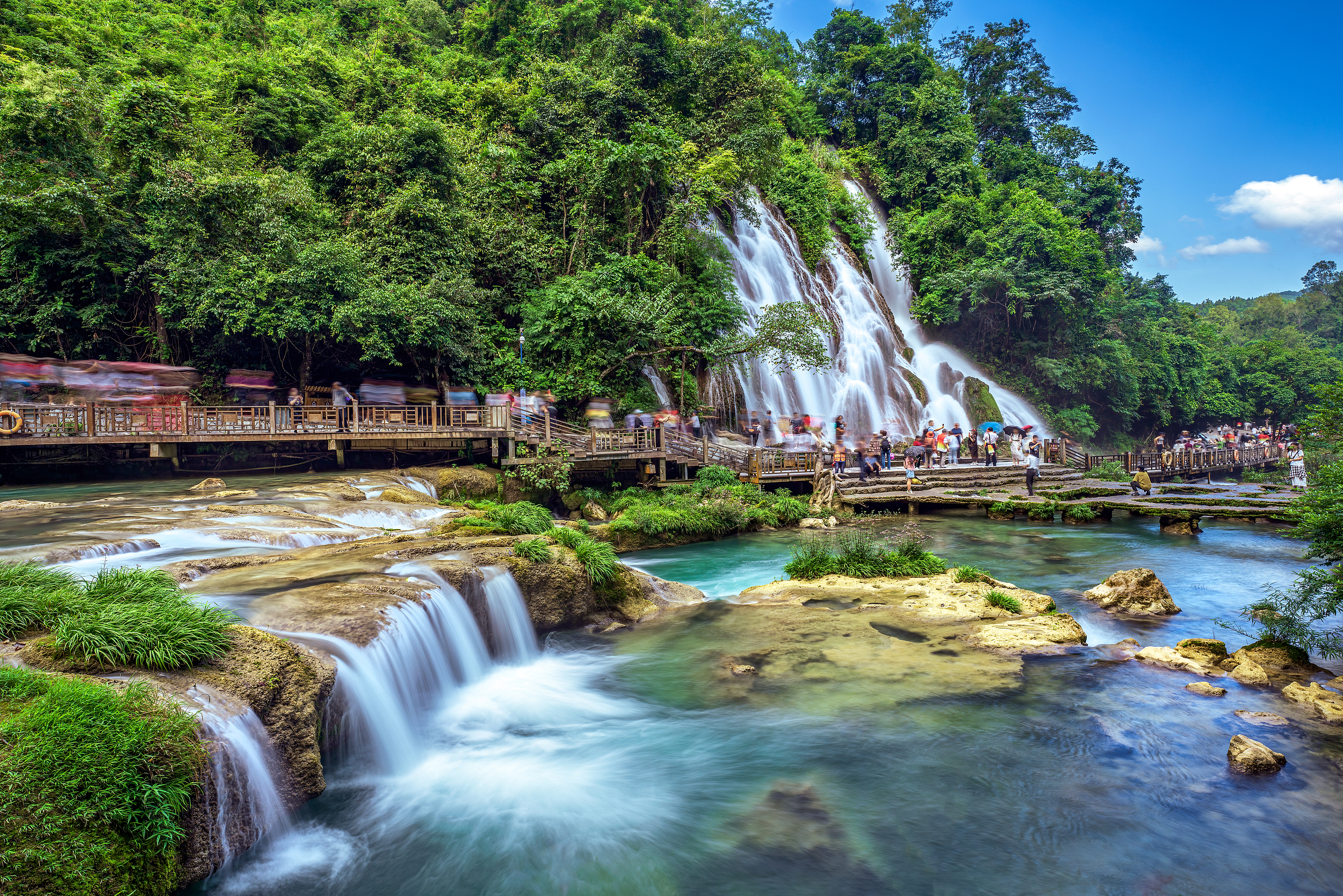
Laya Waterfall
Laya Waterfall is regarded as a woman because of its graceful scenery and is considered the lover of Huangguoshu. The width of Laya Waterfall is more than ten meters, with a drop of about thirty meters. The waterfall is like a mountain falling and the sound is like thunder. It is quite spectacular. Together with the 68-level waterfalls in the vertical direction of Xiangshui River, it forms a wonderful waterfall group landscape. The water mist of Laya Waterfall is scattered and fluttering. When you stand under the waterfall, the cool feeling coming to your face makes you feel refreshed and friendly.
-
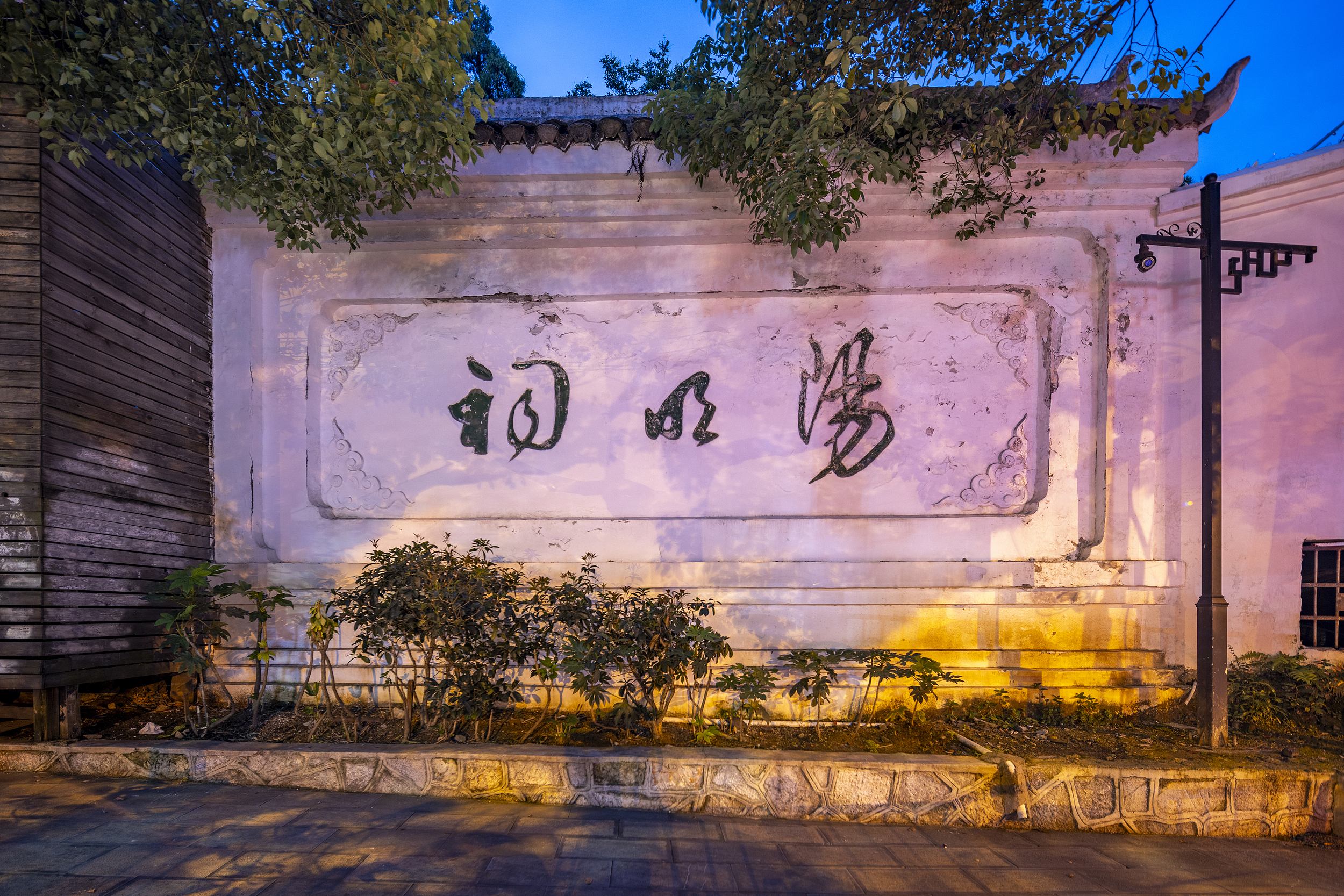
Yangming Temple
Yangming Temple is located at the foot of Fufeng Mountain in the east of Guiyang City. It was built in the nineteenth year of Jiaqing in the Qing Dynasty (1814). Yangming Temple is a general term for three groups of ancient buildings, which includes three parts: Yangming Temple, Yin Daozhen Temple, and Fufeng Temple. The three groups of ancient buildings together form the Fufeng Mountain Scenic Area with a quiet environment and beautiful scenery. Yangming Temple is an ancestral hall built by later generations to commemorate Wang Shouren (word Bo’an, No. Yangming) (1472-1528), the founder of Xinxue, a famous philosopher, military strategist and writer of the Ming Dynasty. The halls and corridors in the temple are connected, the forest is lush, quiet and pleasant, there are many poems and inscriptions, and the collection of cultural relics is eye-catching. In the temple, there are lush forests, root carvings, bonsai in various poses, osmanthus fragrant, many inscriptions, winding corridors, quiet and pleasant. There is a large statue of Mr. Wang Yangming in his court clothes in the temple. The left and right walls of the temple are also inlaid with woodcuts of Mr. Wang Yangming’s “Four Articles of Training” and “Four Articles of the Analects of Confucius”. Since the establishment of the shrine, scholars and writers have sang inscriptions, and there are many excellent works.
-
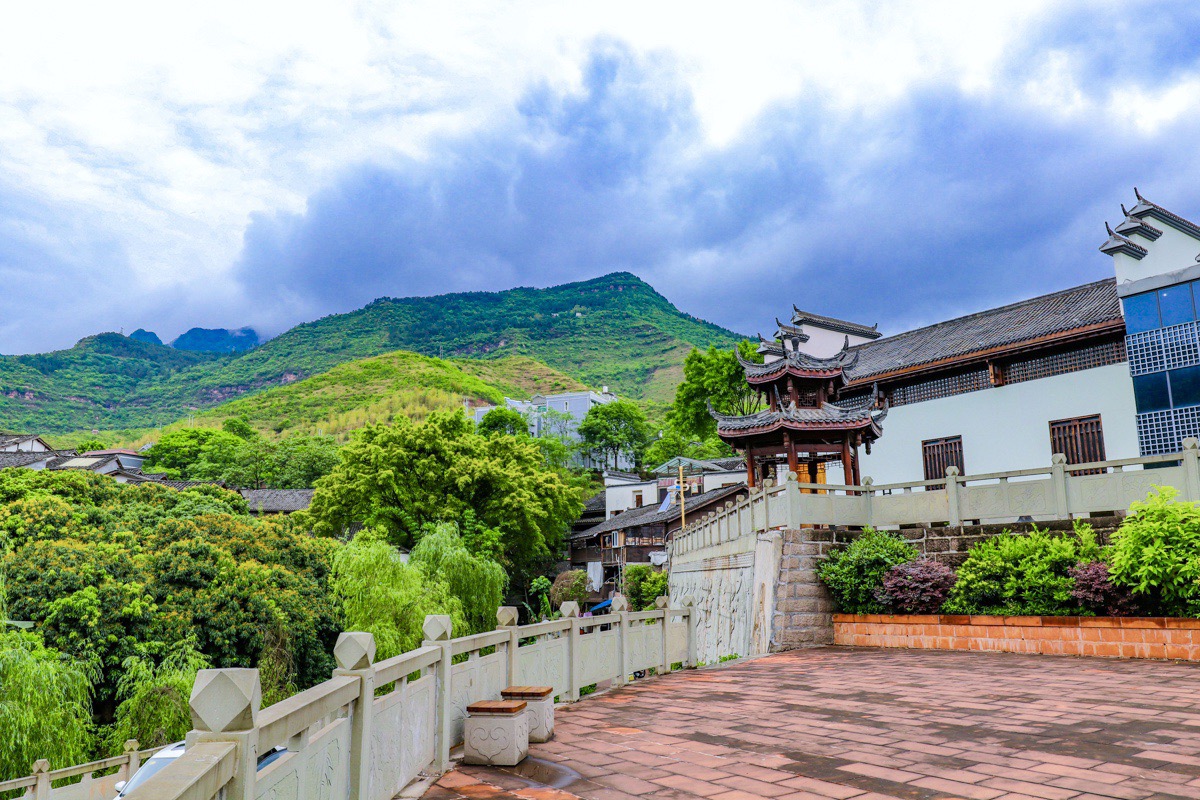
Tucheng Ancient Town
Tucheng Ancient Town is a AAAA-level tourist attraction located in the west of Xishui County, Zunyi in Guizhou Province. In 2005 it was named a major historical and cultural town and became the site of a cultural experience museum built to showcase the unique culture of Tucheng. There are also a number of former residences of historical figures, including Mao Zedong, Zhou Enlai and Zhu De, as well as national cultural protection units in 12 regions. Tucheng has been the home of several merchants over the years, making the town the political and economic center of the mid-Chishui River.
-
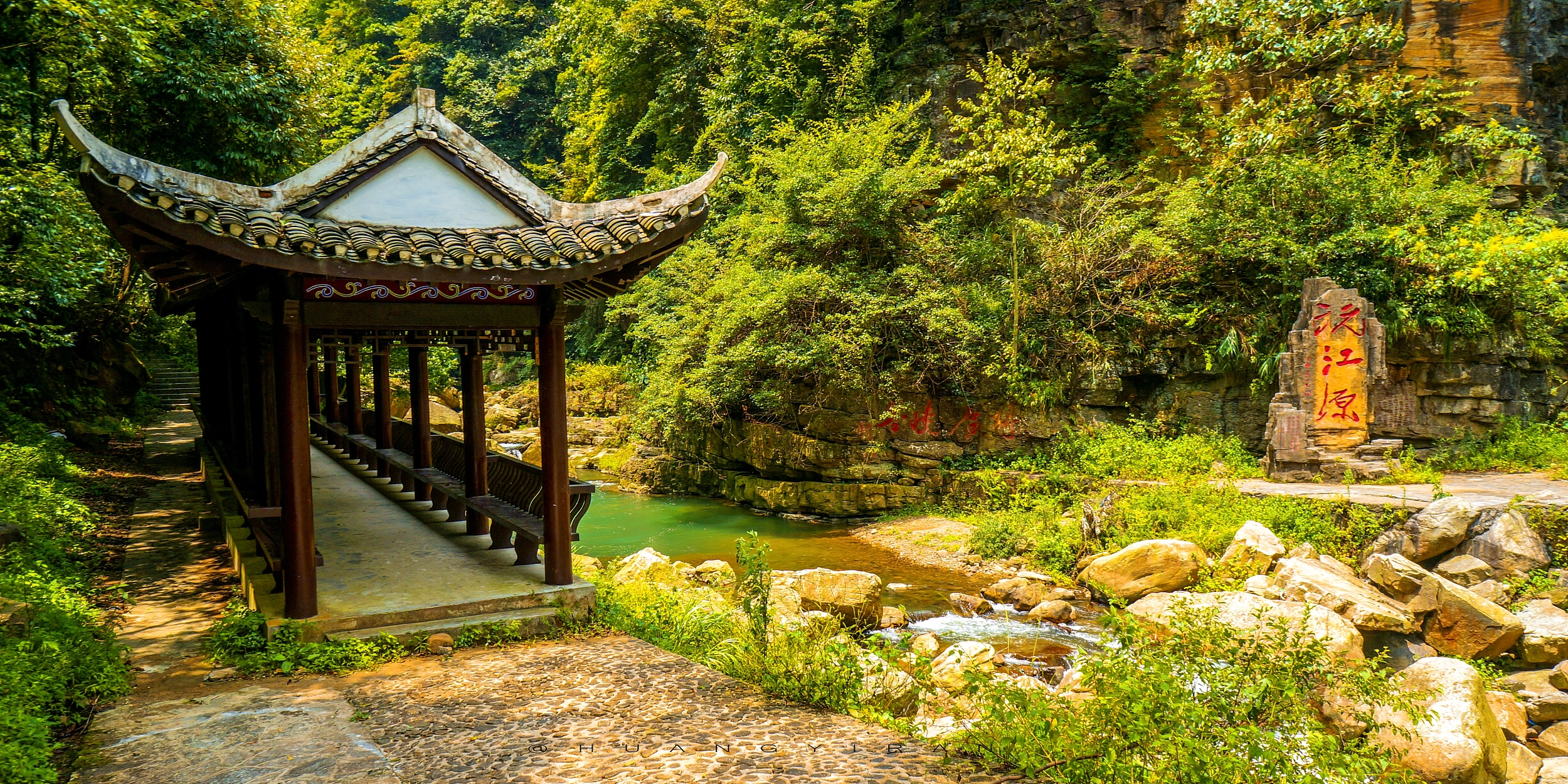
Doupeng Hill
The Cape Mountain Scenic Spot is located in the northwest of Duyun City, 22 kilometers away from the urban area. Duopeng Mountain is as famous as Fanjing Mountain and Leigong Mountain, and is one of the three famous mountains in Guizhou. There are peaks, canyons, caves, streams and waterfalls on the mountain. The coverage rate of virgin forest is as high as 90%. Among them, there are nearly 100 hectares of primitive ancient forest on the alpine platform at an altitude of 1800 meters. , the bizarre landscape of trees bouldering, stones embracing trees, and trees building bridges can be seen everywhere.
-
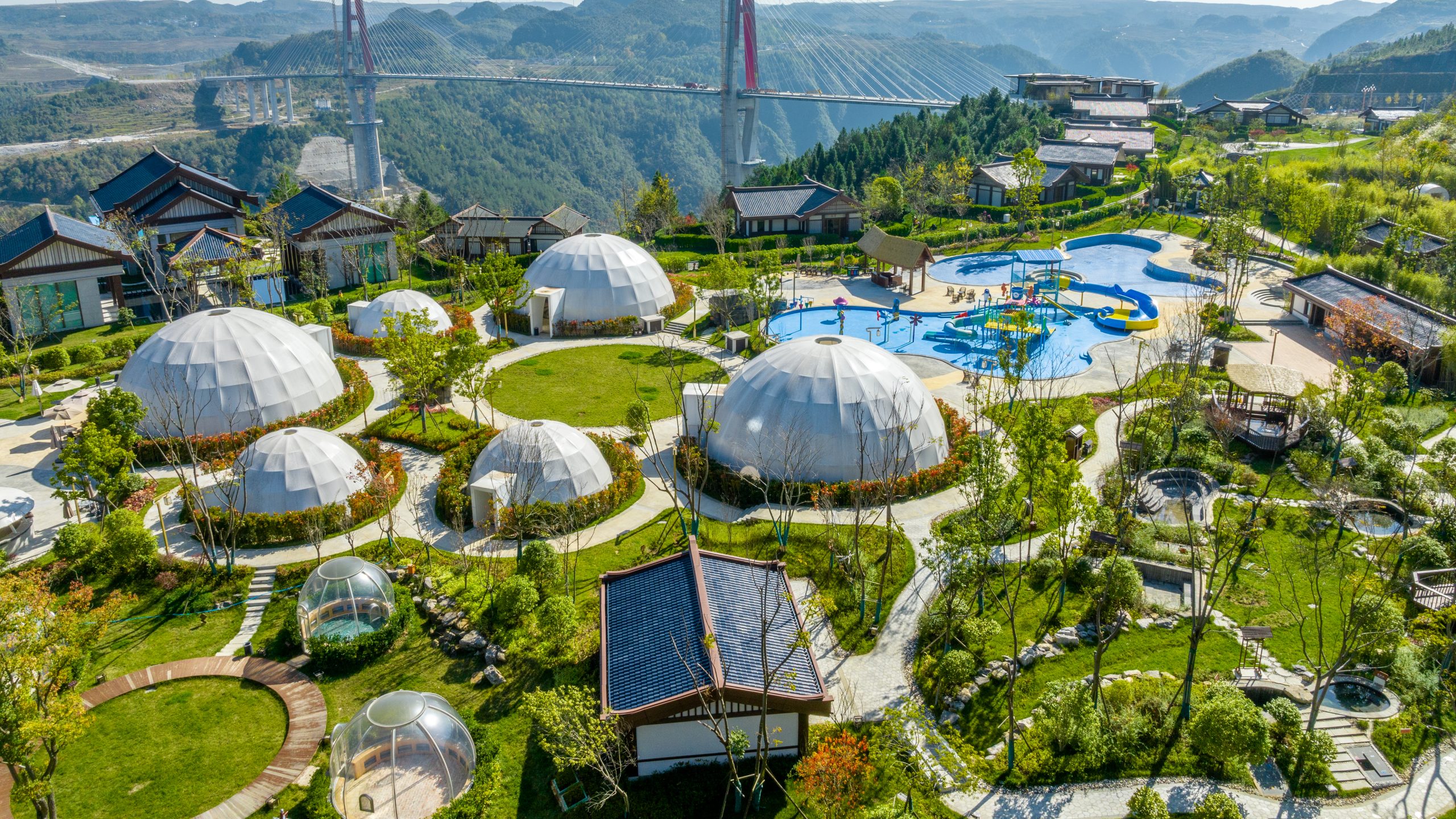
Yuncong Duohua Hot Spring Resort
1. Complete supporting facilities in the scenic spot: Yuncong Duohua Hot Spring Resort Center is a one comprehensive mountain hot spring resort center in central Guizhou that surrounds green hills and canyons and integrates guest rooms, catering, conferences, leisure and entertainment, hot springs and tourism. It is also a holiday center with relatively large scale and relatively complete supporting facilities in central Guizhou. The project construction covers an area of about 200 mu, with a total construction area of about 35,300 square meters. There are one basketball court and one tennis court in the public area, and more than 510 parking spaces. There are 99 superior and deluxe rooms, and 25 cliff view villas. The daily reception capacity of the outdoor hot spring area exceeds 1,600 people. 2. Excellent transportation location: in Guizhou, a micro-holiday destination in the suburbs of Guiyang metropolitan area, located in the leading area of Longxi, Longli County, close to the expressway, adjacent to Guiyang, the provincial capital, and can reach the center of Guiyang and Longli County within half an hour , The main airports and high-speed rail stations in Guizhou Province are extremely accessible, which is convenient for VIPs from inside and outside the province to arrange tours. 3. Beautiful landscape resources: Yuncong Duohua Hot Spring Resort Center has a mountain and canyon landscape, far away from the noise of the city, surrounded by beautiful natural scenery, and is close to the mountain and canyon landscape cable-stayed bridge Duohua Super Bridge and Longli River Bridge. . Hotel internet celebrity check-in area: enjoy your own unique cliff sunset landscape. 4. Warm climate: It belongs to the subtropical monsoon climate, which is mild and comfortable, with abundant sunshine, no severe cold in winter and no scorching heat in summer. 5. Forest health and scarce spring resources: The total area of Tangquan District is about 27,000 square meters. The design combines the spring quality of Tangquan and of the site to create a cloud with the core concept of “walking in the cloud and mist, cleaning the dust between mountains and rivers” Wonderland Spa. Mountain forest terrain, a total of 48 soup pools, covering 6 stretched membrane pool areas, 7 hot spring pools, 30 scenery pools, and 5 bamboo forest secret pools.
-
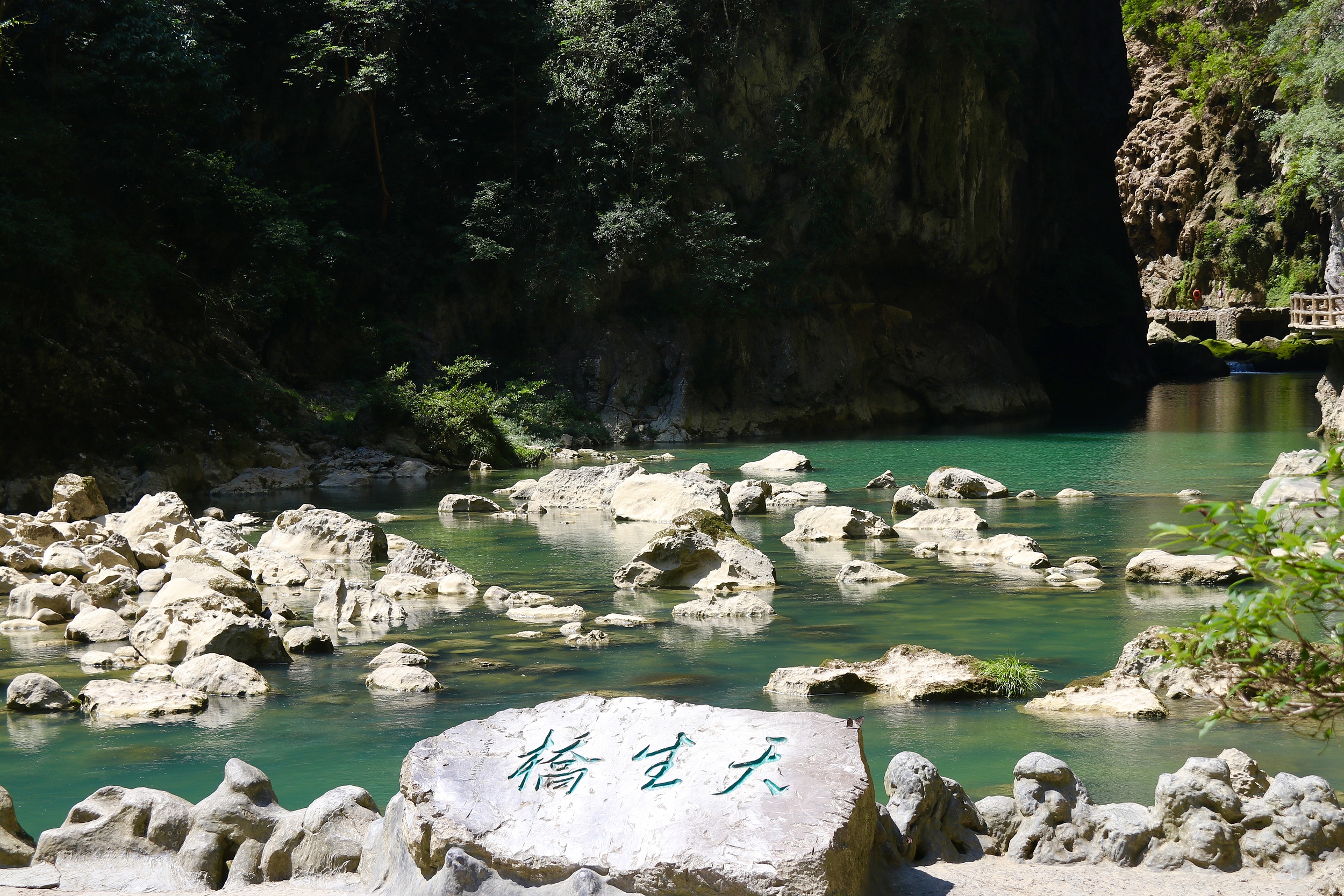
Natural Bridge
Tianshengqiao, located in Qiannan Buyi and Miao Autonomous Prefecture, Guizhou Province, is a tourist destination renowned for its unique natural landscape and geological wonders. A prime example of karst landform, Tianshengqiao’s naturally formed, bridge-like limestone structure attracts numerous tourists and geology enthusiasts. This natural stone bridge spans a clear river, forming a spectacular natural arch and showcasing the wonders of nature. Visitors can stroll across the bridge and experience the wonders of nature. The natural environment surrounding Tianshengqiao is equally breathtaking. Lush vegetation, gurgling streams, and diverse flora and fauna make it an ideal destination for ecotourism. Visitors can enjoy hiking, photography, and birdwatching, enjoying the tranquility and beauty of nature. Whether nature lovers or cultural explorers, Qiannan’s Tianshengqiao offers a unique travel experience, allowing visitors to appreciate the natural wonders while immersing themselves in the cultural charm of Guizhou.