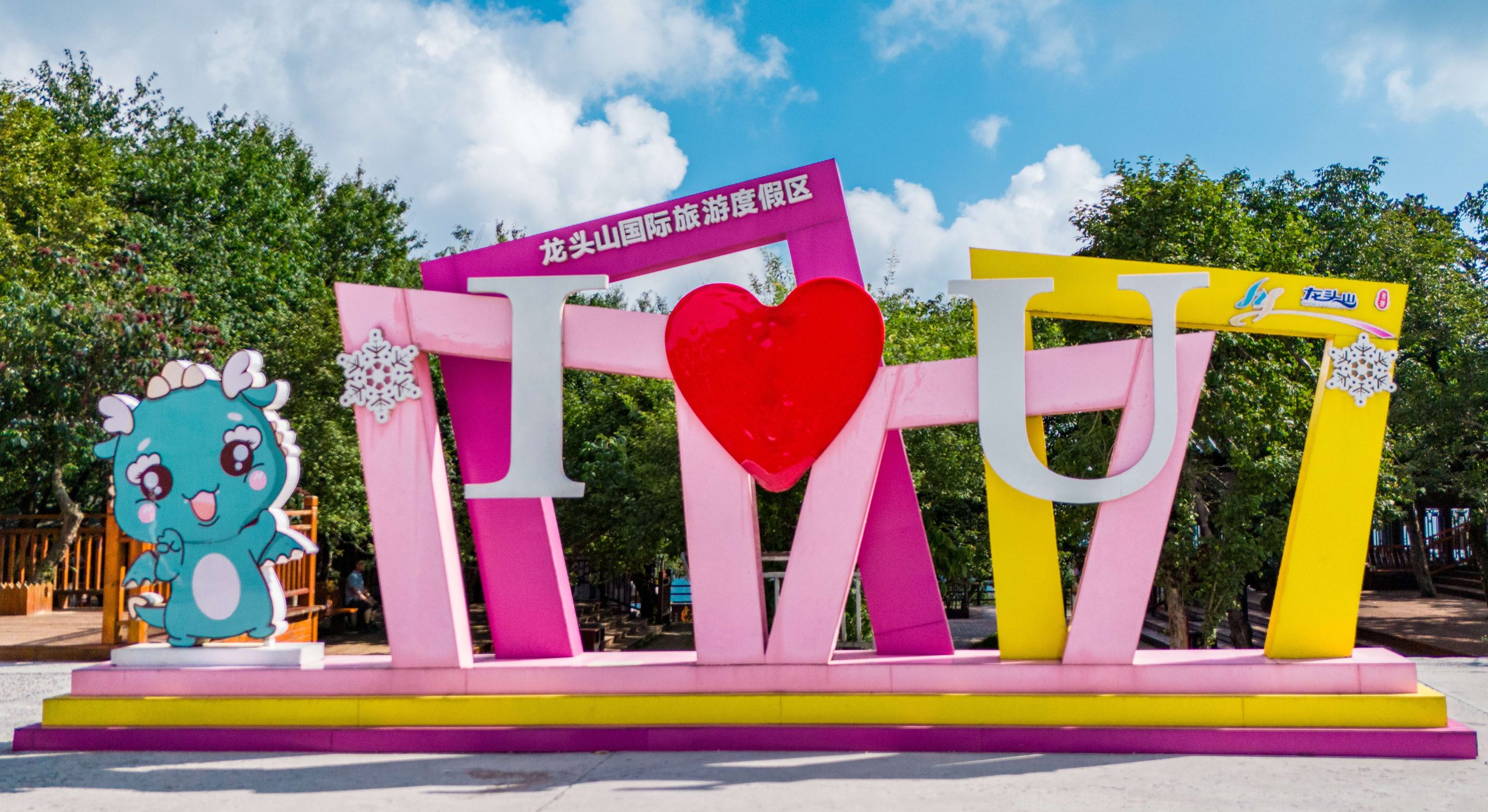
Hanzhong Mount Longtoushan International Tourism Resort is located in Xiaonanhai Town, Nanzheng District, Hanzhong City.Longtou MountainBelongs toCangshan Mountain RangeAt an elevation of approx. 2,336m with high forest coverage, this attraction is renowned for its four wonders: sea of clouds at sunrise, colorful forests, peculiar rock formations, and rime ice scenery. It’s a stunning alpine nature resort featuring magnificent mountain landscapes, beautiful surroundings, and captivating scenery. From afar, the undulating mountain ridges resemble a dragon’s body, while the solitary peak towers like its head, piercing the sky and mingling with the clouds—a spectacle both magnificent and majestic. This unique terrain and mild climate create a year-round tourism experience: “admire azaleas in spring, escape the summer heat, marvel at fall foliage, and ski in winter.” It stands as Qinba region’s most distinctive fall foliage viewing destination and one of its largest winter sports resorts.
归档: Attractions
-
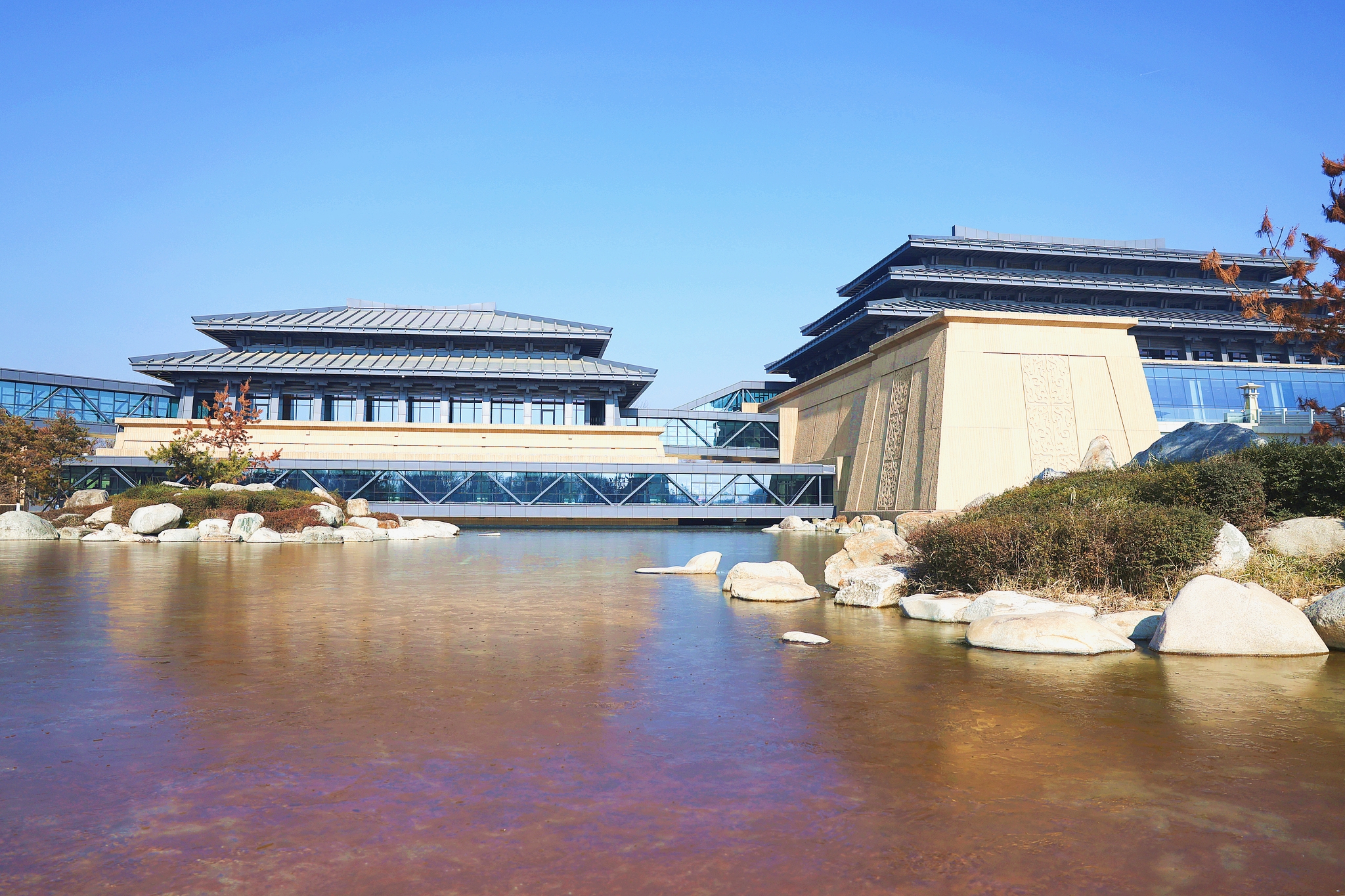
Qinhan Civilization Museum
The Qin Han Museum of Shaanxi History Museum is located in the core area of Qinchuangyuan and Weihe Science and Technology Innovation Belt in Qinhan New Town, Xixian New District. It is an important part of the large-scale comprehensive cultural tourism project Daqin Civilization Park. It is a collection of cultural relic protection, display and exhibition, academic research, science education, It is a modern museum with a strong traditional style that integrates tourism services and other functions.The Qin Han Museum of Shaanxi History Museum adopts the appearance of a high platform building. The exhibition area is located on a high platform on the first floor, and public activity areas such as tourism services are located in the “hall” on the high platform. It can not only meet the use requirements of different functions of the museum, but also It also presents the high-platform architectural modeling characteristics of the Qin and Han palaces of “high pavilions and beautiful palace rooms”.Spreading out the plane of the museum area, each unit is distributed according to the layout of “Wei River runs through the capital, with Xiang Tianhan, crossing the bridge to the south, and Fa Qiangniu”, with Yaoguang, Kaiyang, Yuheng, Tianquan, and Tianquan among the Big Dipper. The five stars of Tianji form a symmetrical layout and are connected to each other through overhead corridors. The axis determined with Yuheng as the center is set on the extension of the central axis of Palace No. 1 of Qin Xianyang Palace. Among them, the main building adopts the form of a high platform to meet different functions. At the same time, it also shows the characteristics of Qin and Han palaces such as “high terraces and pavilions, beautiful palaces and rooms, complex roads and empty roads, horizontal bridges and waves, lofty towers, and combination of palaces and gardens.” The origin of high platform construction is very early, such as the Lutai of the Yin Shang Dynasty and the Lingtai of the Zhou Dynasty. From the Warring States Period to the Qin and Han Dynasties, the style of building platforms was very popular. The museum adopts the appearance of a high platform building, with the exhibition area located on a high platform on the first floor, and public activity areas such as tourism services located in the “hall” on the high platform.The interior is divided into five exhibition halls with an exhibition area of about 11,300 square meters, including the main exhibition hall “Qin and Han Civilizations”, the ruins exhibition hall “Cities and Tombs”, the art exhibition hall “Technology and Beauty”, the temporary exhibition hall and the public archaeological center.The core main exhibition hall explains the achievements and role of this period in the development of Chinese civilization at multiple levels and angles from the aspects of politics, economy, military, culture, science and technology, and foreign exchanges of the Qin and Han dynasties – this is not only the ancient politics of our country The era when the system was created was also the era when academic thought was laid, and it was also the era when the Chinese nation, with the “Han” as the main body, was formed.The exhibition halls on both sides are the permanent special exhibitions “City and Mausoleum” and “Technology and Beauty”, which not only echo and in-depth explanation of the basic display of “Qin and Han Civilization”, but also display the splendor and splendor of Qin and Han civilization from the aspects of archeology and art respectively.Specifically, “Cities and Tombs” aims to explore the role of capitals and mausoleums as the true carriers of civilized society through the analysis of four major sites in Yongcheng, Yueyang, Xianyang, and Chang’an based on the results of archaeological excavations. position in an ongoing process of development.”Technology and Beauty” mainly uses material remains such as sculptures, murals, portrait stones, and ceramic models to show the rich and diverse image world of people during the Qin and Han Dynasties, and also reveal people’s understanding of the universe, life and death at that time.The temporary exhibition hall extended outwards can realize the multi-purpose effect of one hall. Temporary exhibitions, academic conferences and lecture salons can be held here, and it is planned to be built into a Qin and Han archaeological and historical research center.Nowadays, museums are also getting rid of the boring traditional exhibitions and adding a large number of perceivable and immersive technological means to make cultural relics come alive. For example, the digital exhibition hall and public archaeological center in the Qin and Han Museum use digital technology to present the food, clothing, housing, transportation, and social customs of the Qin and Han Dynasties, and then combine it with the display of archaeological results to tell archaeological stories in an all-round way and popularize archaeological knowledge.
-
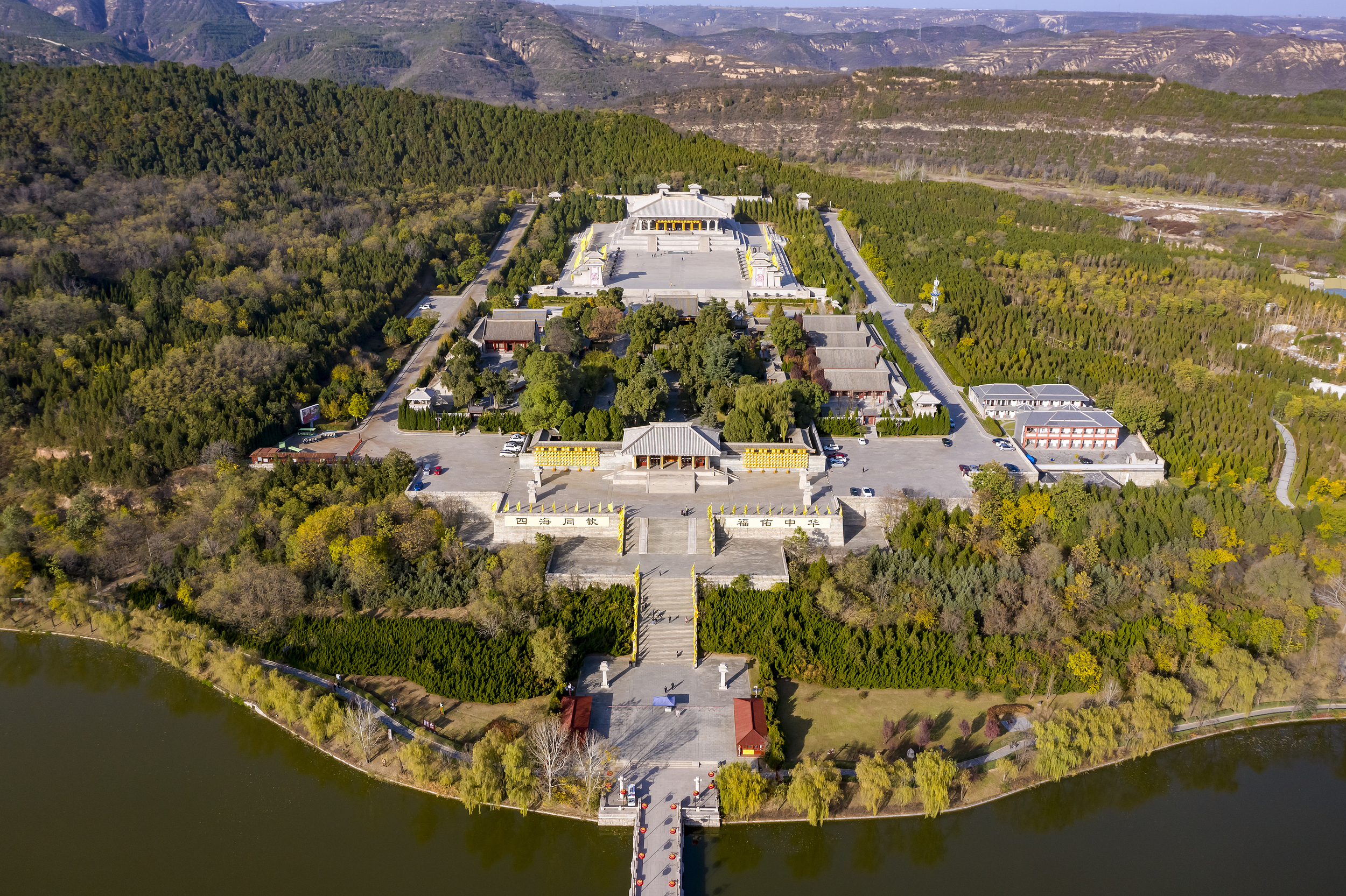
The Mausoleum of Yellow Emperor
The Mausoleum of the Yellow Emperor is located on Qiao Mountain in Huangling County near Yan’an. The Yellow Emperor is regarded as the ancestor of Chinese civilization. The mausoleum is surrounded by ancient evergreen trees which have been protected for generations. In addition to the mausoleum, the site is also home to the Xuanyuan Temple, which is named after the Yellow Emperor’s personal name Xuanyuan. It was constructed during the Han dynasty and is surrounded by a number of ancient evergreen trees, one of which is believed to have been planted by the Emperor himself 5,000 years ago.
-
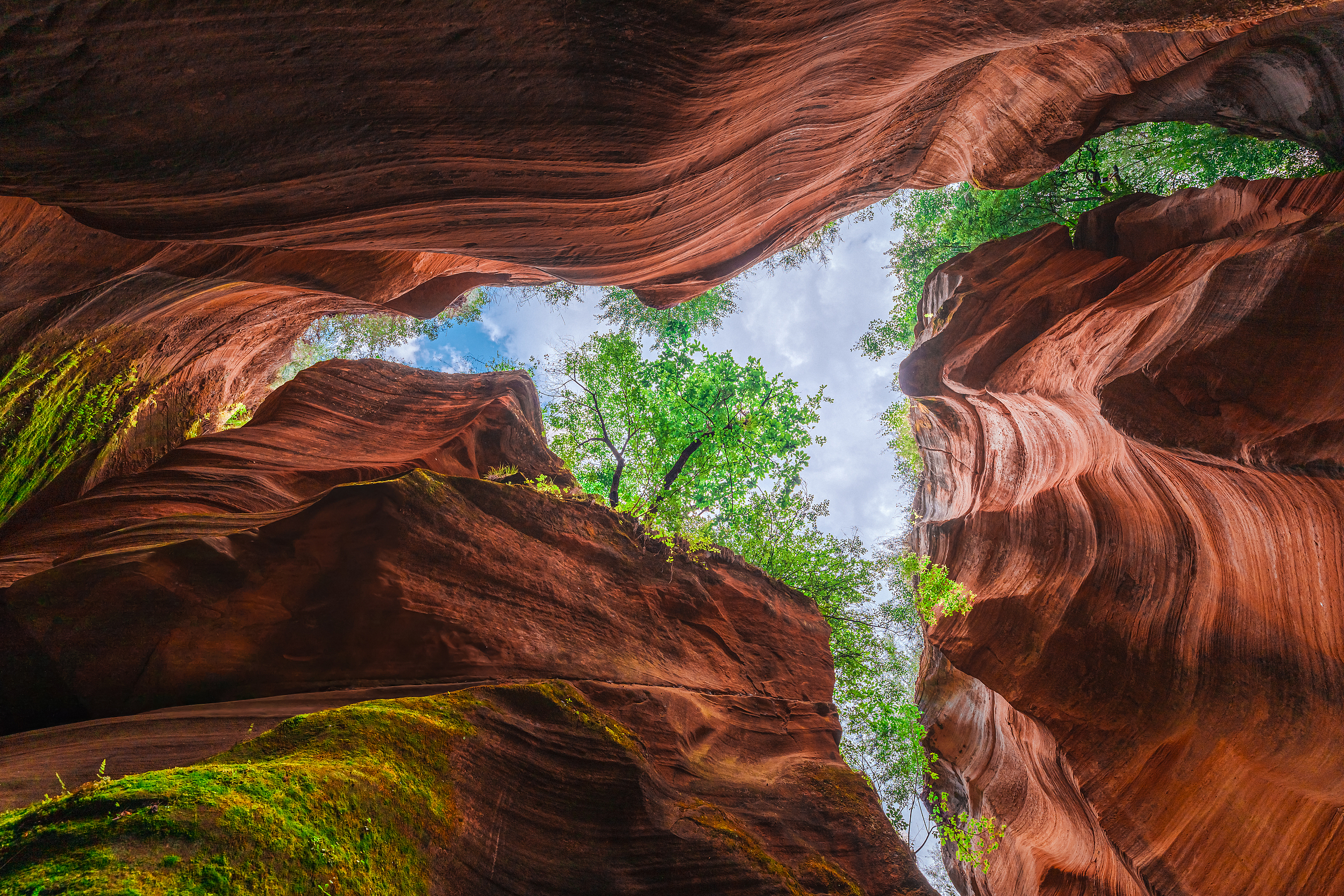
Ganquan Canyon
Ganquan Grand Canyon is located in Ganquan County, Shaanxi Province. It is composed of Huashugou, Huabaogou, Longbagou, Mudangou, Yixiantian and other scenic spots. Among them, the scenery of Huashugou is more brilliant. Hundreds of millions of years ago, a strong earthquake separated this loess mountain into a big crack, and after hundreds of years of rain erosion, such a canyon was slowly formed. The magical geology and landforms here are known as China’s “Antelope Canyon”, attracting countless photographers. When you walk into this magical canyon, the straight and staggered lines pass smoothly, the light and shadow are unpredictable, and the phantom is amazing, which makes people sincerely lament the uncanny craftsmanship of nature.
-
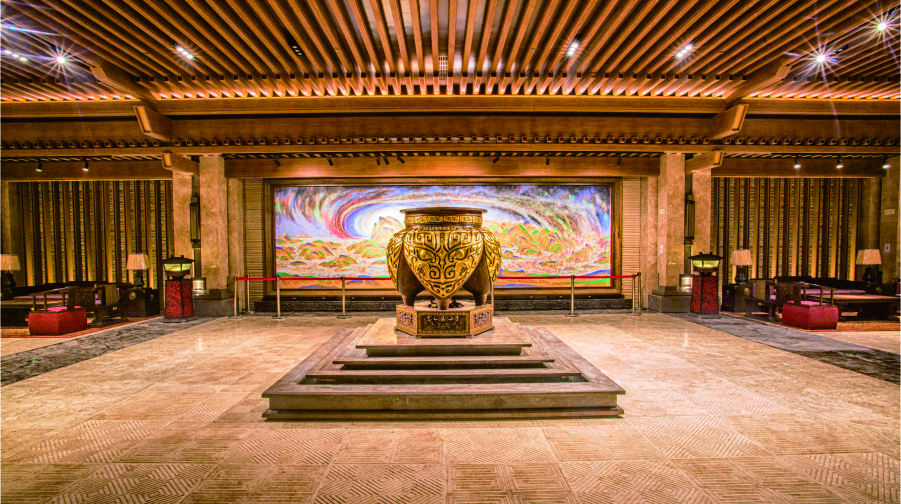
Xinghan Scenic Spot
Xinghan Scenic SpotHanyuan LakeBuilt with the natural ecology of the Han River as its foundation and the essence of Han culture as its soul, this Han-themed cultural tourism resort recreates the historical splendor of the early Han dynasty. It integrates Han-style attractions, commercial streets, museums, hotels, dining, and performances to offer visitors an elegant, delightful, and joyful Han cultural experience. The large-scale water show “Legend of Tianhan,” directed by renowned director Sha Xiaolan, features over 200 performers in a spectacular aquatic production combining water projections, floating installations, synchronized formations, and innovative visual effects.Hanyuan LakeThe water stage comes alive with passionate performances, enhanced by modern high-tech elements including grand fountain displays, large-scale pyrotechnic effects, laser shows, and dynamic fan-shaped water screens – presenting visitors with a breathtaking legendary panorama of Han culture.
-
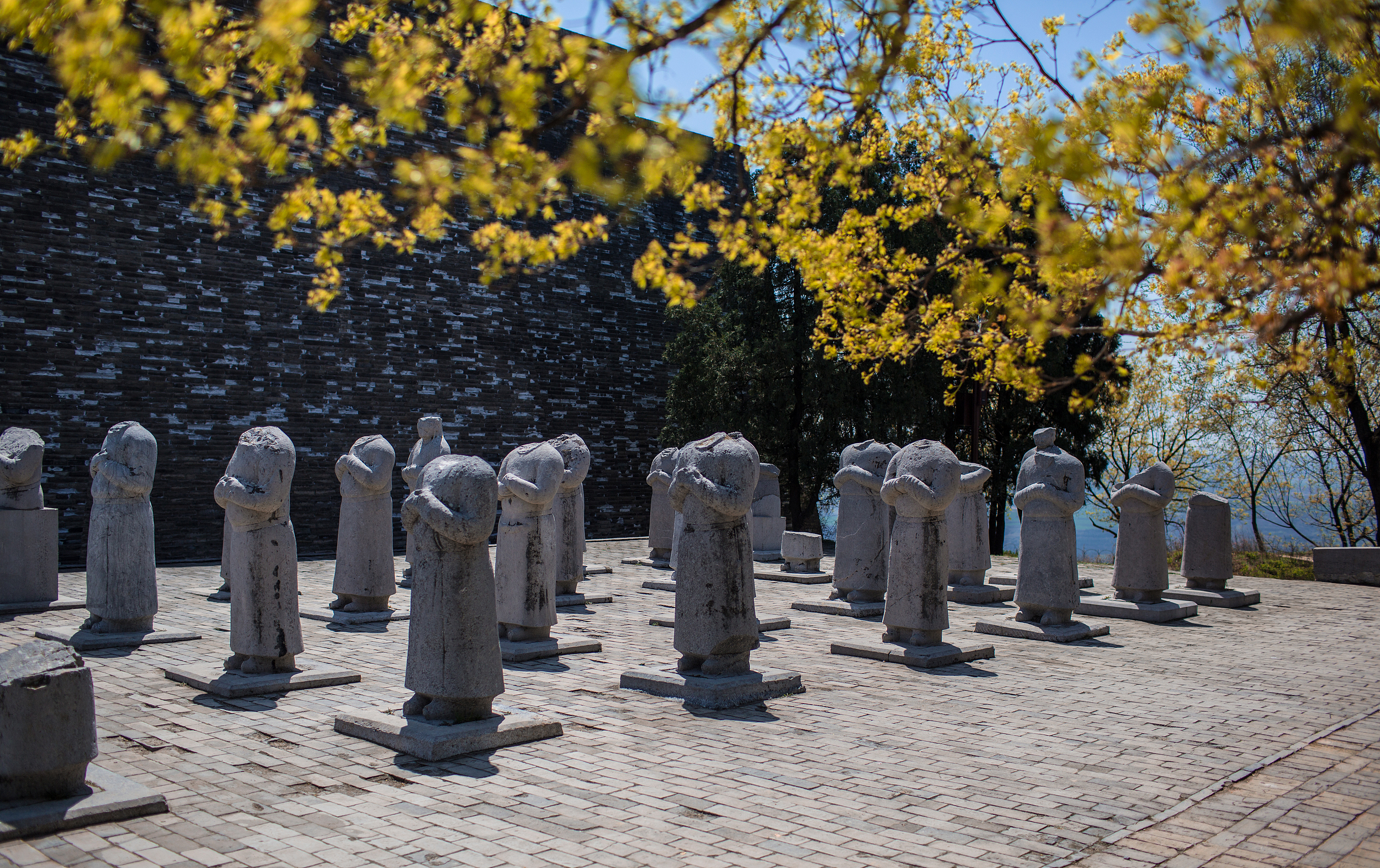
Qianling Mausoleum
The Qinling Mausoleum was constructed in the year 684 and is one of the rare places in China – or even the world – where emperors from two dynasties and an imperial husband and wife are interred. Emperor Gaozong of Tang (Li Zhi) and his wife Wu Zetian, China’s only empress, are interred here. This mausoleum is also one of the few imperial tombs in China that has not been looted. The Qinling Mausoleum Scenic Area is quite large. In addition to the Qinling Mausoleum itself, it also contains many “companion tombs” (peizangmu) in which members of the imperial court and major ministers are buried. The tombs of Prince Zhanghuai, Crown Prince Yide, and Princess Yongtai are currently being excavated.
-
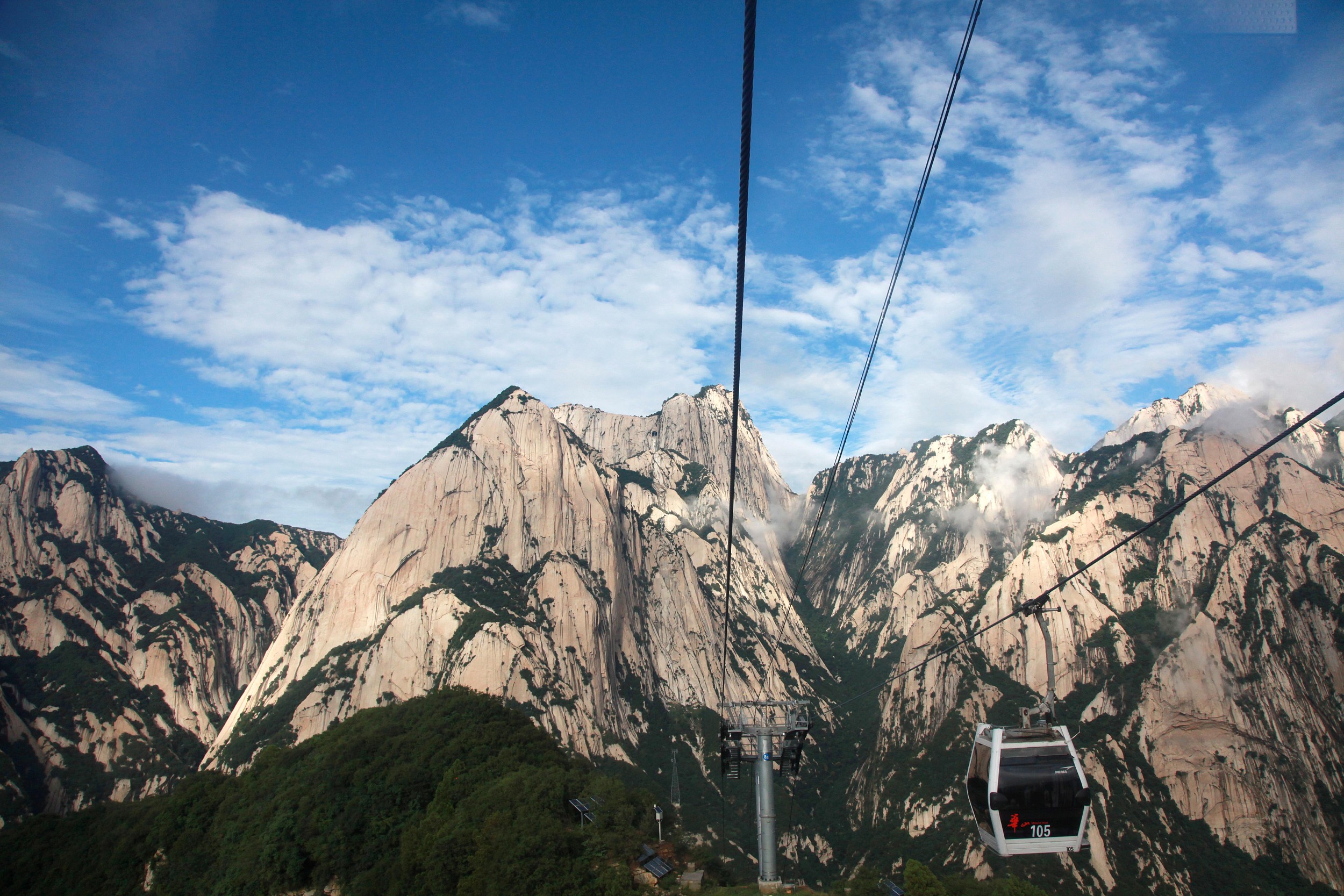
Huashan West Peak Cableway
Huashan West Trail Road is a single-line circular cableway. The ropeway equipments were introduced from France and adopted a full digital automatic control system. The lower station of the cableway is located at the Donggoukou, the middle station is located in the Xianyu Baique Temple, and the upper station is located in the south side of Huashan West Peak. If you sit on a cable car, you are able to watch the overall beautiful scenery of Huashan.
-

The Mount Taibai National Forest Park
The Mount Taibai National Forest Park is located in Mei County, Shaanxi Province, situated atAt the northern foot of Mount Taibai, the highest peak of the Qinling MountainsIn-parkThe Mount Taibai National Forest ParkConfirmQinling MountainsThe main peak, standing at approx. 3,771.2m above sea level, boasts majestic and awe-inspiring terrain. The attraction features stunning natural scenery with perpetual snow atop the summit even in midsummer. Viewed from the Guanzhong Plain, its snow-capped grandeur presents “Taibai Snow in June”—one of the Eight Scenic Wonders of Guanzhong since ancient times. The park features a forest landscape as its main attraction, with majestic peaks, crystal-clear streams, and historical relics scattered throughout. Its towering mountain ranges pierce the clouds, making it a renowned tourist destination in Shaanxi. Due to the complex terrain within the attraction, the deeper areas are better suited for visitors who enjoy ecotourism or outdoor hiking enthusiasts. CrossingThe Mount Taibai National Forest ParkThere are multiple routes available, with the mountain climbing paths divided into the northern slope and southern slope, offering both cable car routes and hiking trails. Visitors must follow the developed climbing routes, especially hikers who should not venture off the main trail for exploration. This is to prevent getting lost in the mountains and because the reserve is home to numerous wild animals, including large predators, posing potential dangers to those who venture deep into the wilderness. One of the more conventional options is the hiking summit route, which takes approx. two days to complete, with overnight stays available atXiaowengong TempleStay overnight. 1-day tourThe Mount Taibai National Forest ParkMost itineraries return at “Heaven’s Circle and Earth’s Square,” which stands at 3,511m in elevation. Locals call this spot “3511,” one of China’s geographical north-south dividing points. The true summit ascent begins from here. The first day of the seventh lunar month marksThe Mount Taibai National Forest ParkDuring temple fairs, the mountain comes alive with bustling crowds of visitors both at its base and summit, creating an electrifying atmosphere.
-
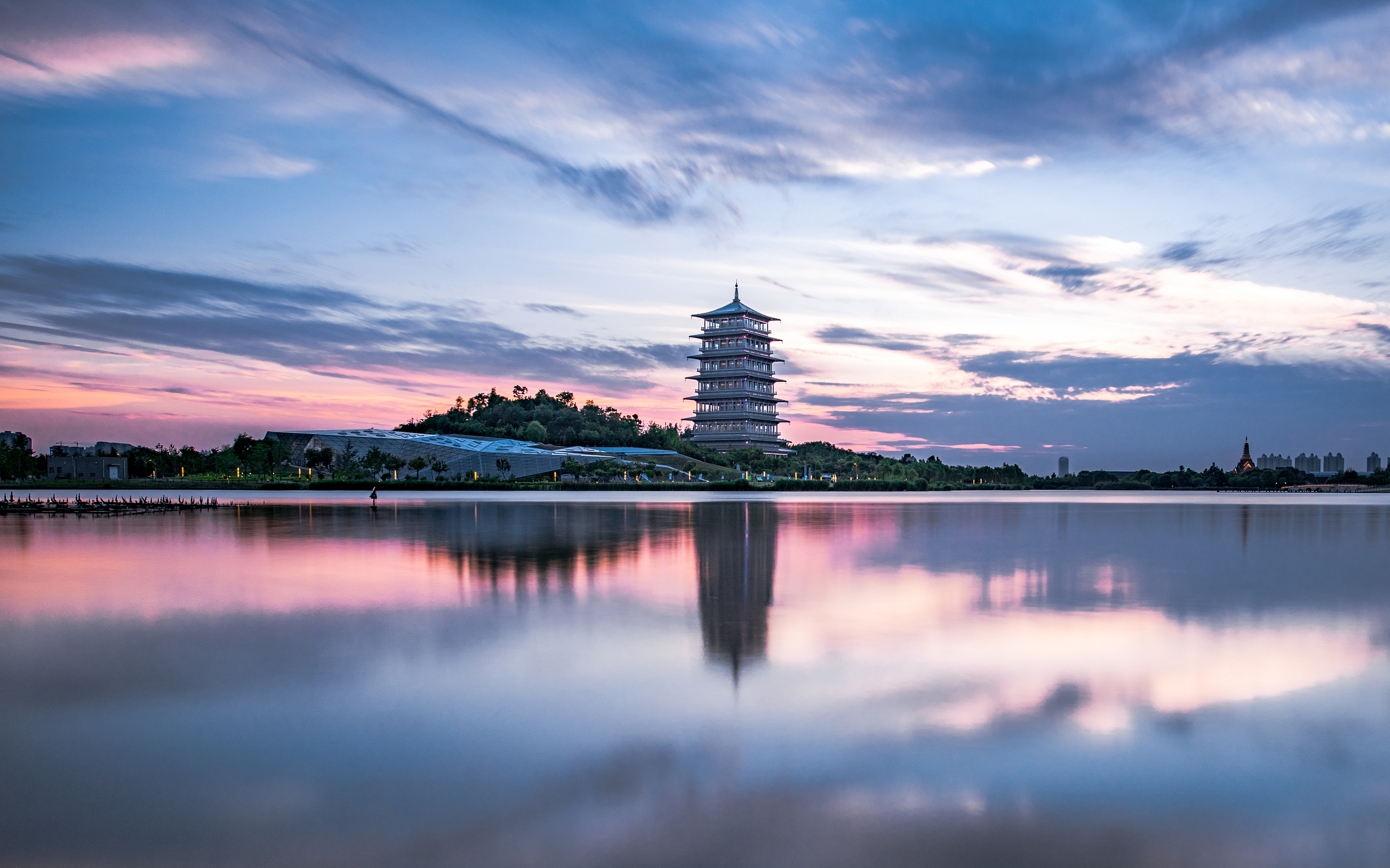
Xi’an Expo Park
At Xi’an International Horticultural Expo Garden, visitors can see and enjoy all kinds of garden landscapes and rare plants from around the world. The novel architecture of Xi’an International Expo Garden makes it a perennial favorite for local wedding photography. Some of the buildings representative of Xi’an International Expo Garden include Chang’An Pagoda, Creativity Pavilion and Natural Pavilion. The Chang’An Pagoda is one of the symbolic landmarks of the Expo Garden. After climbing to of the tower you will have a bird’s-eye view of the entire garden. New plant and flower specimens are on display in the Creativity Pavilion; there are many tropical plants to discover in the Natural Pavilion.
-
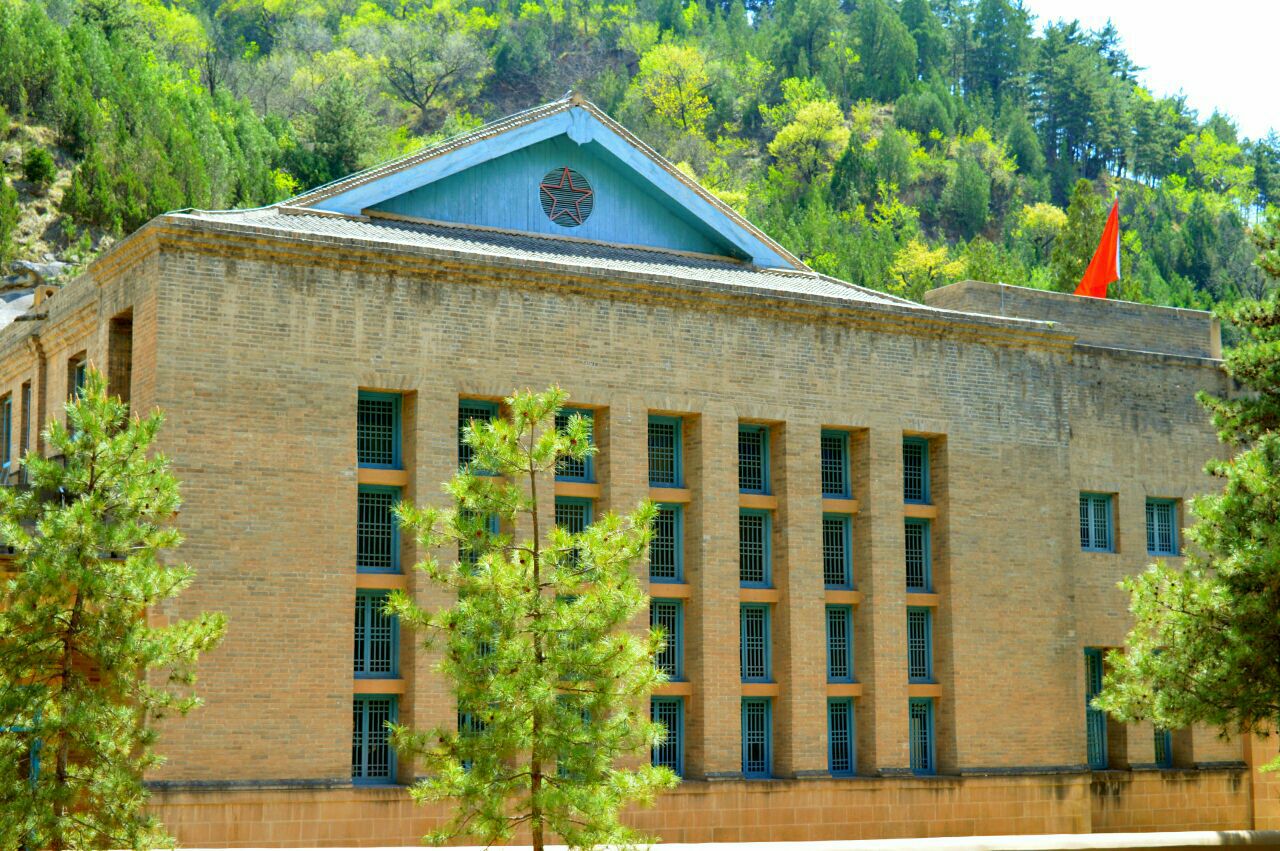
Yangjialing Revolutionary Site
Yangjialing Revolutionary Site is a place where the old generation of central-government leaders, such as Chairman Mao, lived in Yan’an for a long time. Yangjialing Revolutionary Site is divided into two parts, the south part and the north part along the road. The south side of the road is the central auditorium of the year. The north side of the road is the former residence of Mao Zedong, Zhu De, Zhou Enlai, Liu Shaoqi, and other central government leaders. The 7th National Congress of the Communist Party of China, which is of historical significance, was held in the central auditorium. At the meeting, Mao Zedong Thought was determined as the Party’s guiding ideology. In 1946, Mao Zedong met with the American journalist Anna Louise Strong here and proposed the famous theory that “All the reactionaries are paper tigers.”