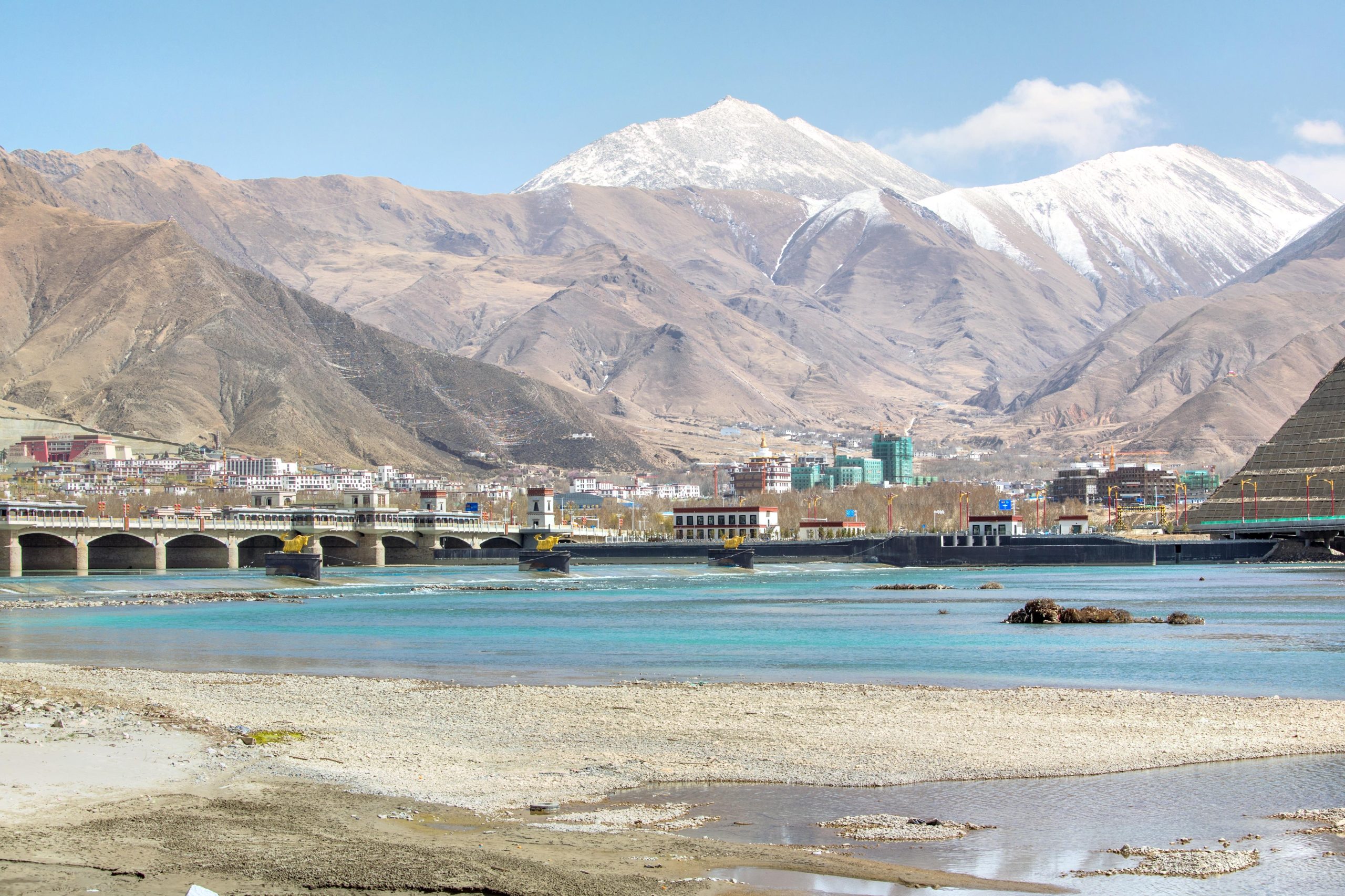
Xianzu Island is a Jiangxin Island located in the Lhasa River in the south of Chengguan District. There are several small sandbars around it, and the sunset is beautiful in summer. The continent runs from east to west. There are two bridges in the north and northeast connecting with the urban area of Lhasa. One is a highway bridge near Lhasa No. 1 Middle School, and you can reach Tibet University soon after crossing the bridge. There is an archway with the inscription “Xianzu Island Ecological Zone”, there is a bridge in the northwest connected to Sun Island, which belongs to Chengguan District, and there is Lhasa Beijing Middle School in the north of the island. From the island, you can see the Lhasa Bridge, the army camp in the ravine opposite, the sheep and cattle on the opposite mountain and the flowing water of the Lhasa River. In April 2011, the large-scale Tibetan TV series “Tibetan Secret” and the March 2012 movie “Tibetan Sky” were all filmed here as the main scene. As long as the domestic movies and TV shows reflect the life and themes of the former noble manor in Tibet, they are usually shot here. There are many youth hostels and small restaurants on Xianzu Island. If you want to avoid crowds, this is a good place.
归档: Attractions
-
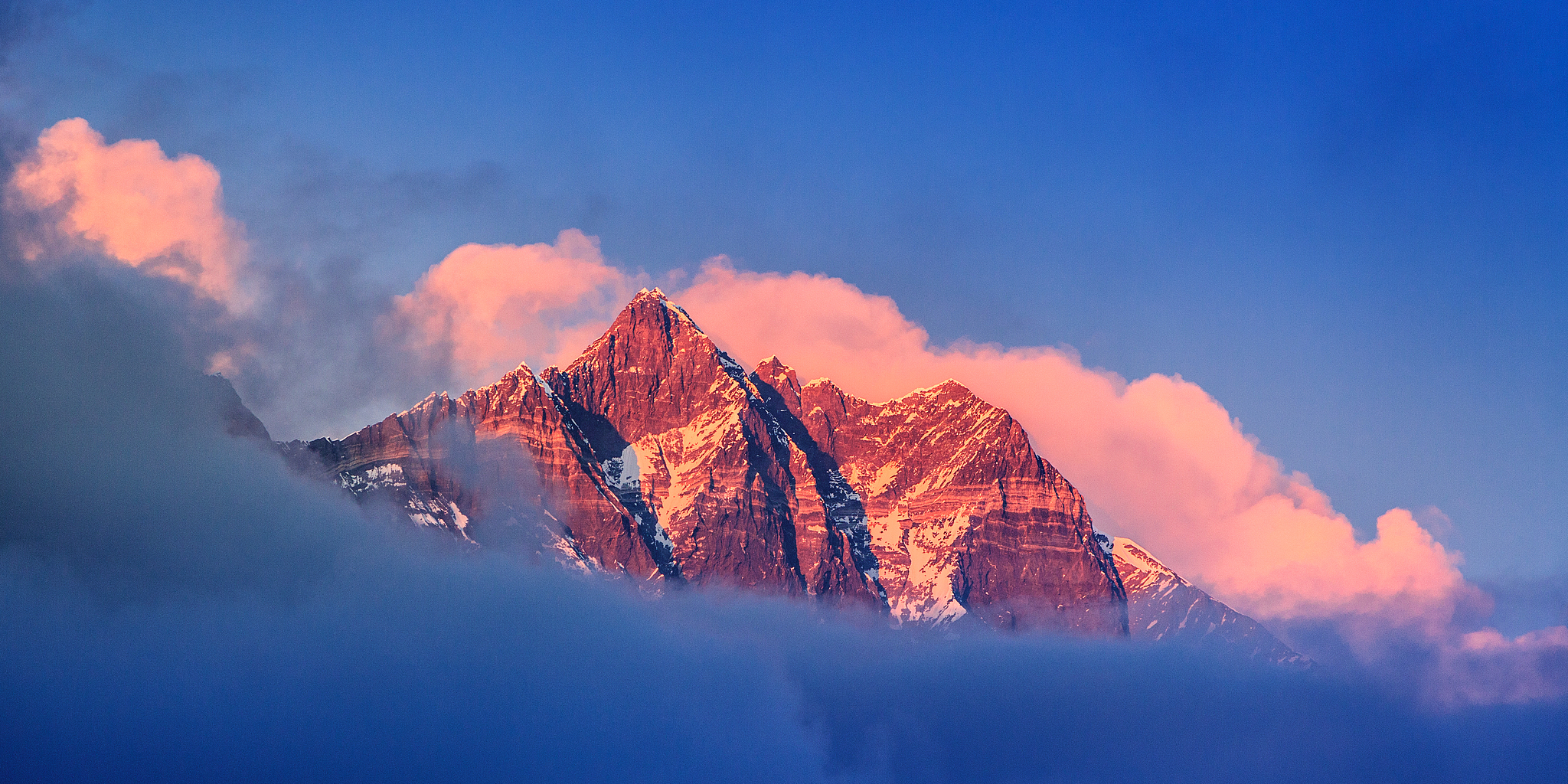
Lhotse Peak
Lhotse is 8516 meters above sea level and is the fourth highest peak in the world. It is located 3 kilometers south of Mount Everest, separated by a mountain col, commonly known as “South Col”. It is bounded by the north ridge and southeast ridge of the mountain, its east side is in China’s Tibet Autonomous Region, and its west side is Nepal. Lhotse Peak is called “Dingjiexie Sangma” in Tibetan language, which means “blue and beautiful fairy”. This “fairy” has extremely steep terrain, extremely complex environment, dense glaciers, large and small, and unpredictable climate. So far no one has successfully climbed from the Chinese side of Dongpo.
-
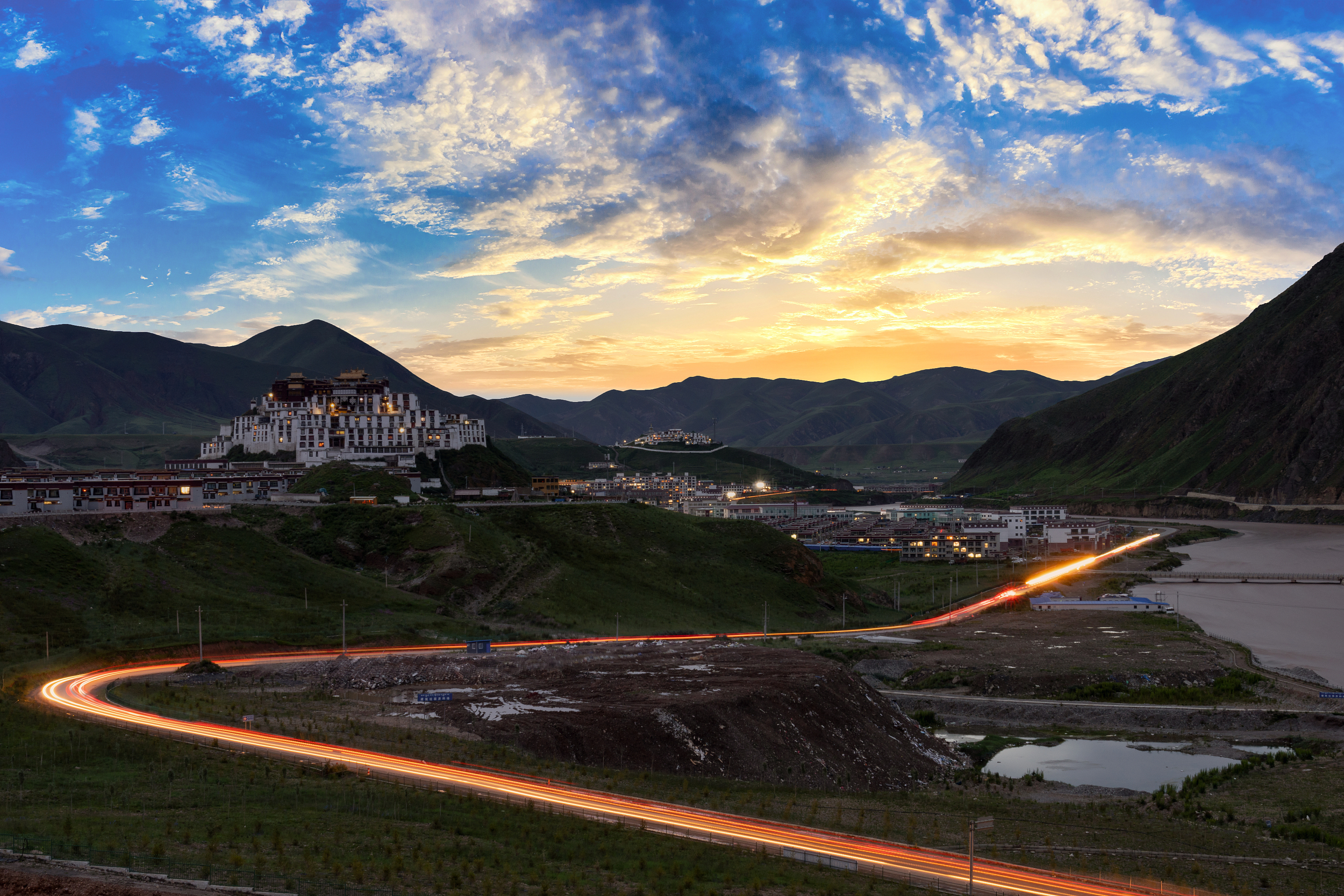
Zandan Temple
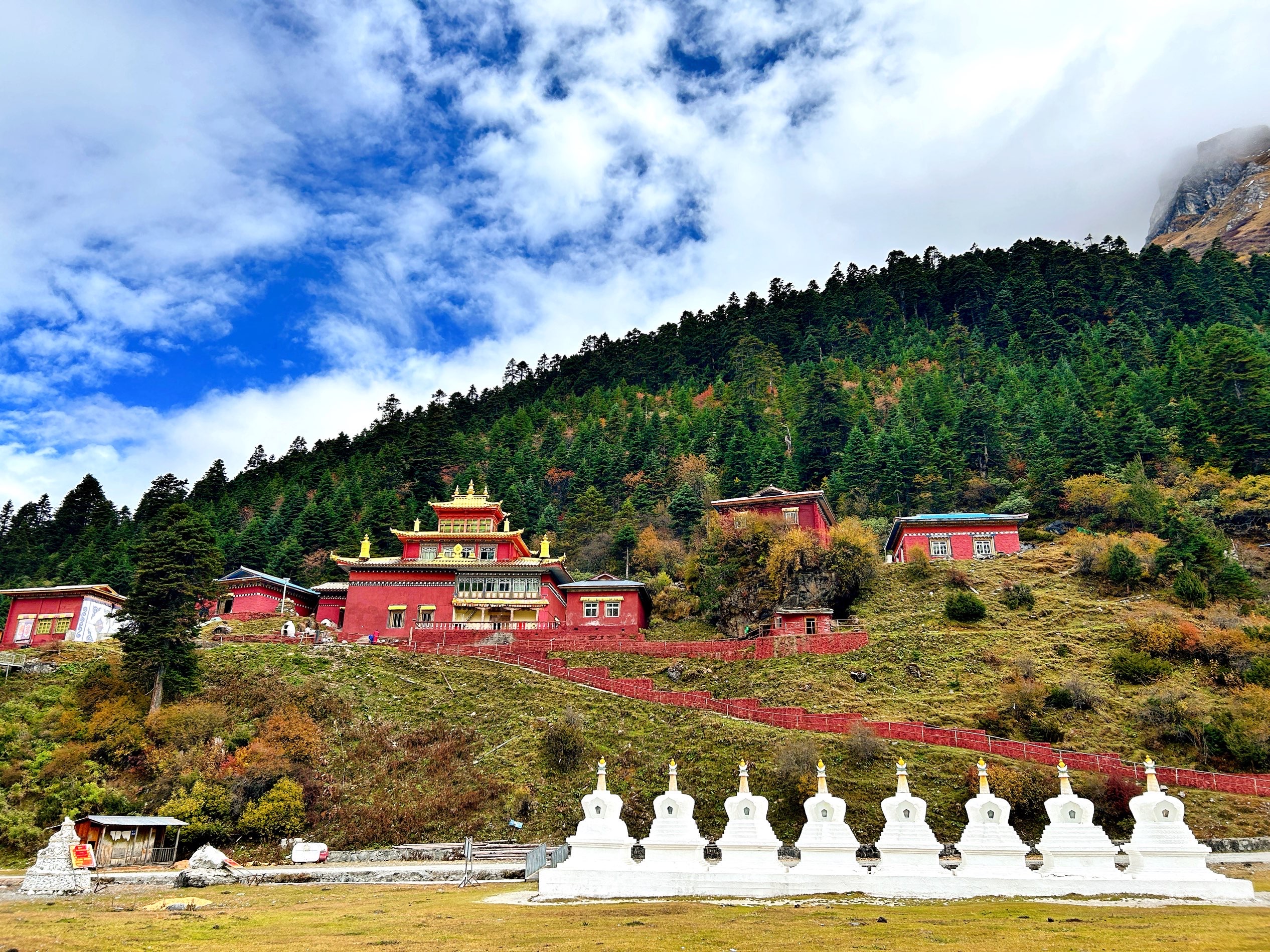
Zandan Monastery, full name “Suoxiu Ganden Pegyeling”, stands proudly in Yala Town, So County, Nagqu City. In 1232 AD, the Zandan Monastery was built by Jowo Gangga, a favorite disciple of the first Karmapa Dusongqinba. At that time, it was an important temple of the Karma Kagyu sect. Time passed to 1668, when Gushri Khan of Mongolia strongly supported the Gelug sect militarily. For a time, many Bon temples were destroyed, and many temples of other sects were forced to convert. Zandan Monastery also changed in this wave and became a Gelug sect. Since then, it has become a subordinate temple of Drepung Monastery in Lhasa.
-
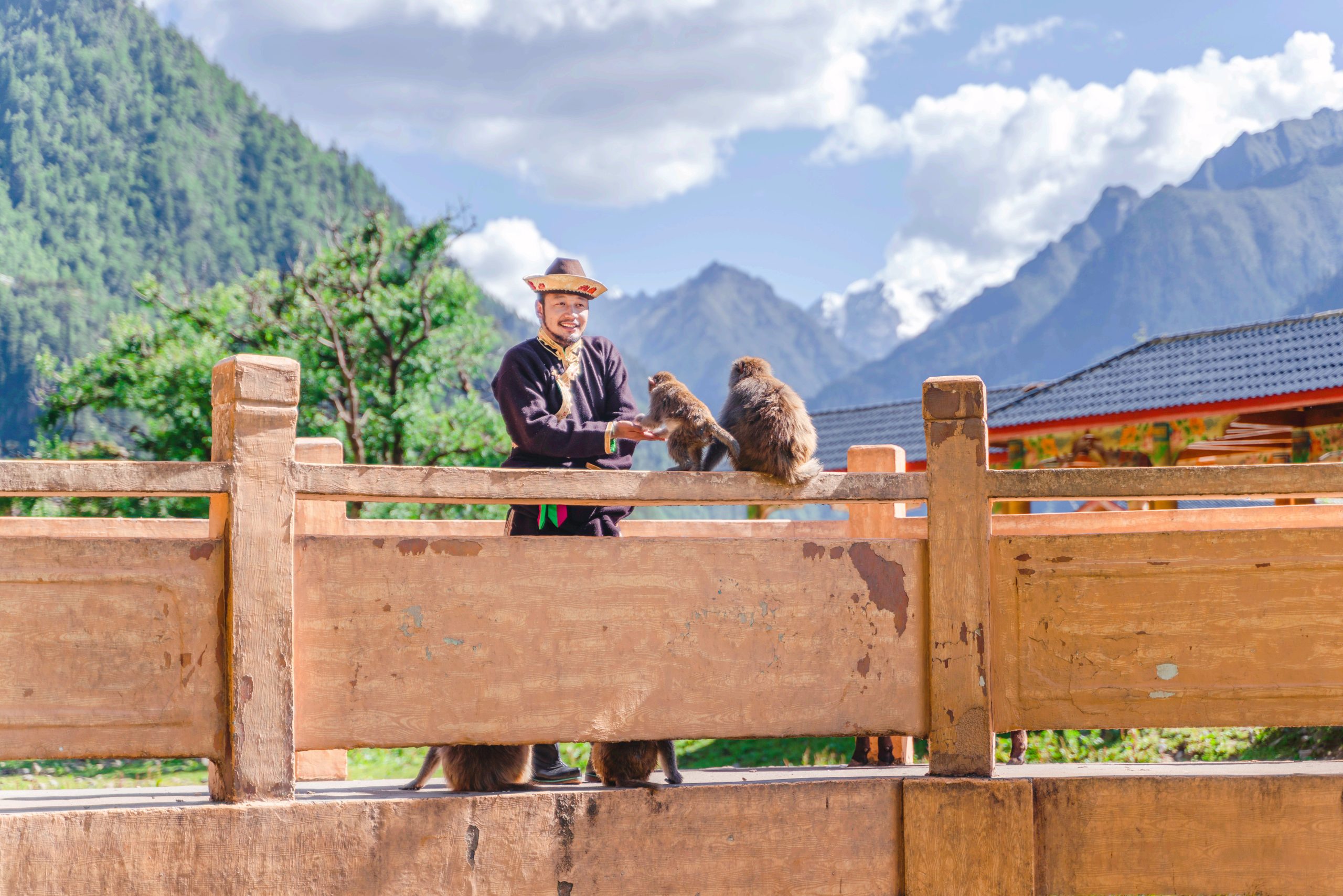
Lin Ze Yesheng Mihou Amusement Park
Attraction is located in Linze Village, Zhongsha Township, Gongbu Jiangda County, Linzhi City, Xizang, and is separated from National Highway 318 by a bridge. The Attraction has snow-capped mountains, grasslands, canyons, virgin forests, and various wild animals. It is 28 kilometers away from the county seat, with an average altitude of 3,280 meters. Linze Village is mainly inhabited by Gongbu Tibetans, and the folk customs of Gongbu are colorful; the villagers live a semi-agricultural and semi-pastoral life.The location of the Apai family manor is also where the treasure box of the God of Wealth, Jiaga Dongzan, is kept. It is also a gathering place for plateau macaques, white-lipped deer and other animals. It is known as the “Valley of Elves”in Xizang.
-
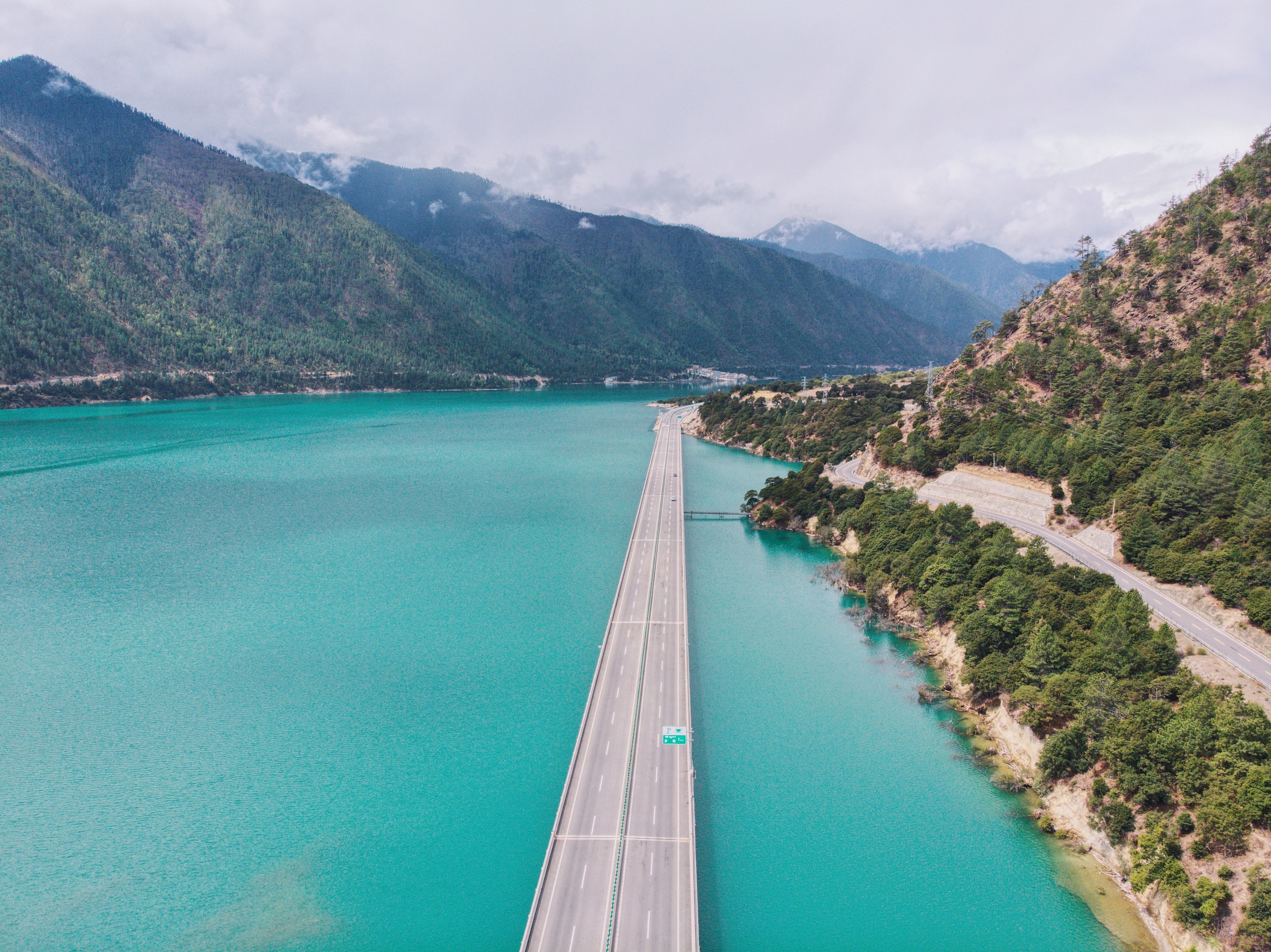
Lhasa-Nyingchi Expressway
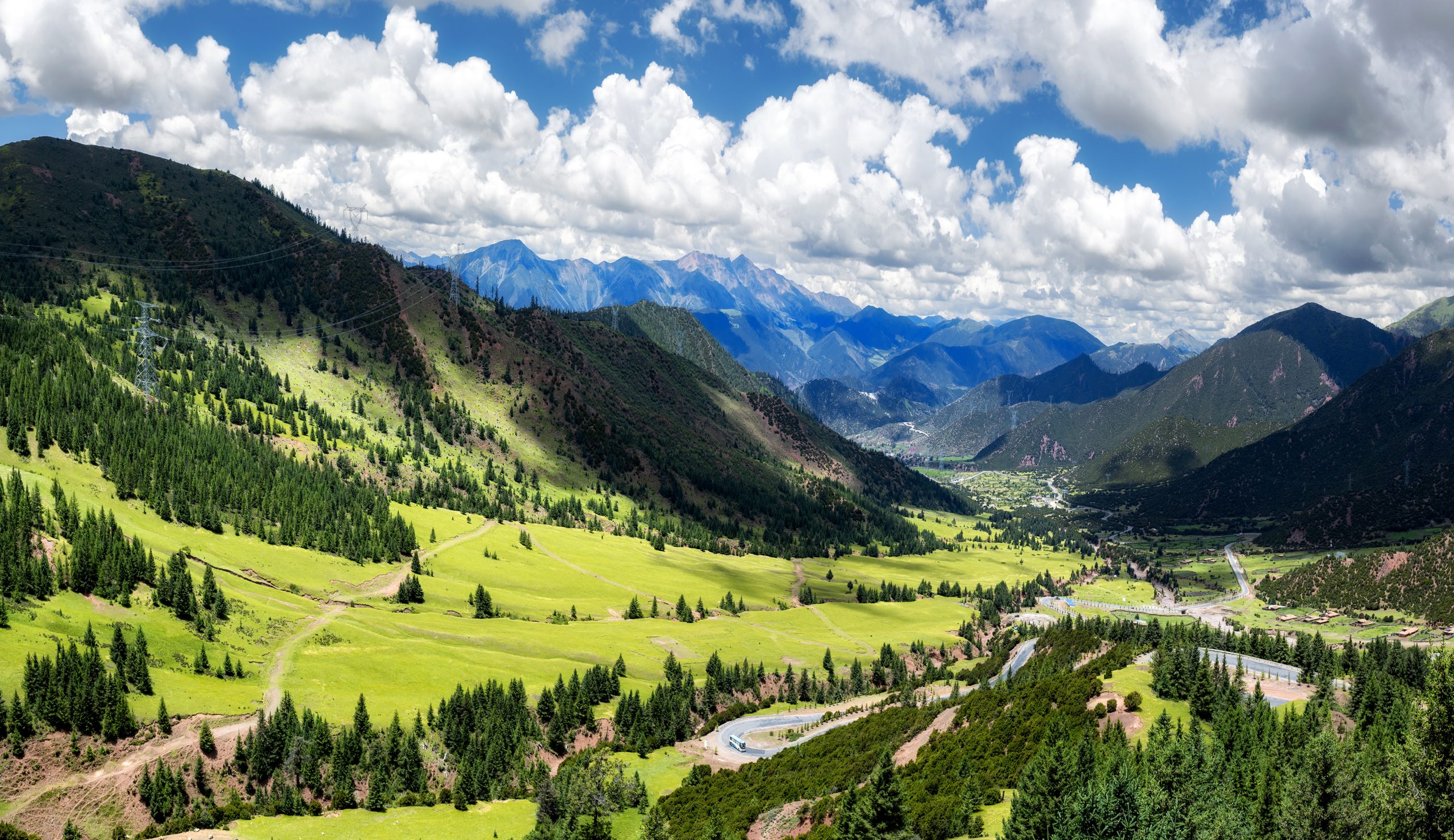
Lin-La Highway is the full name of the Nyingchi-Lhasa Expressway, which is an important part of the G4218 Yaye Expressway. The highway starts from Bayi District, Nyingchi City, passes through Gongbu Gyamda County, Mezhugongka County and Dagze County, and then arrives in Lhasa. From the section in Gongbu Gyamda County, the Lin-La Highway is interdependent with the Niyang River. The Niyang River is clear and green, like an emerald ribbon, and the river water sparkles under the sunshine. Along the highway, snow-capped mountains stand tall, and the snow on the top of the mountain never melts all year round, which is holy and magnificent against the blue sky. The Tibetan villages on both sides of the highway are scattered and orderly, with unique residential architectural styles, and colorful prayer flags fluttering in the wind, conveying the beliefs and wishes of the local people. The Lin-La Highway is not only a major transportation route, but also the lifeline of economic development. It greatly shortens the time and space distance between Lhasa and Nyingchi, reducing the driving time between the two places from the previous 7-8 hours to 5 hours. Tourists can enjoy convenient transportation while taking in the beautiful plateau scenery along the way, which is an unforgettable visual feast.