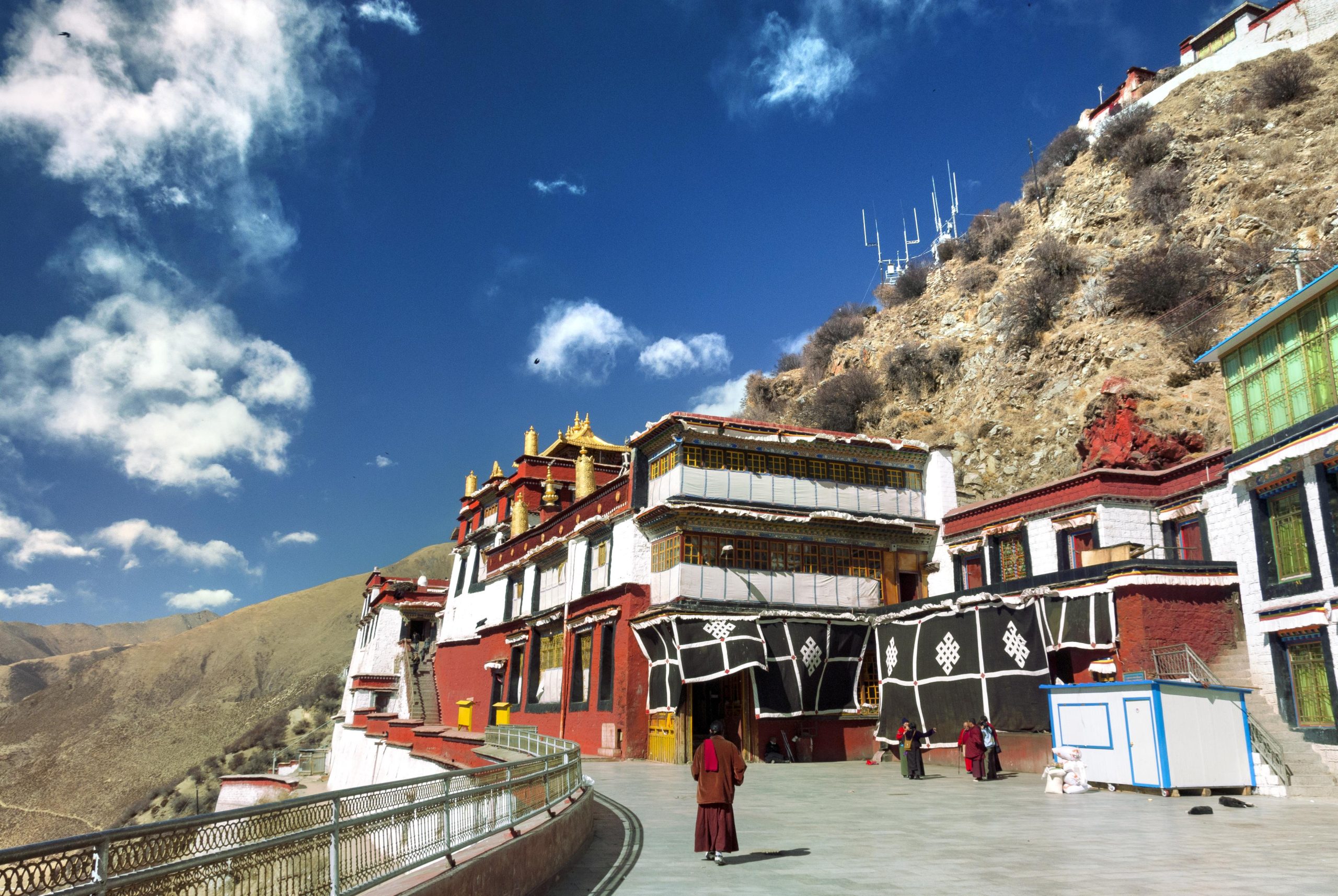
Drigong Ti Monastery is located beside the Edelong River in Mozhugongka County. Founded in 1179 AD, the temple stands between cliffs and mountains, majestic. Therefore, there is an endless stream of believers who come to Drigong Ti Monastery for pilgrimage
归档: Attractions
-
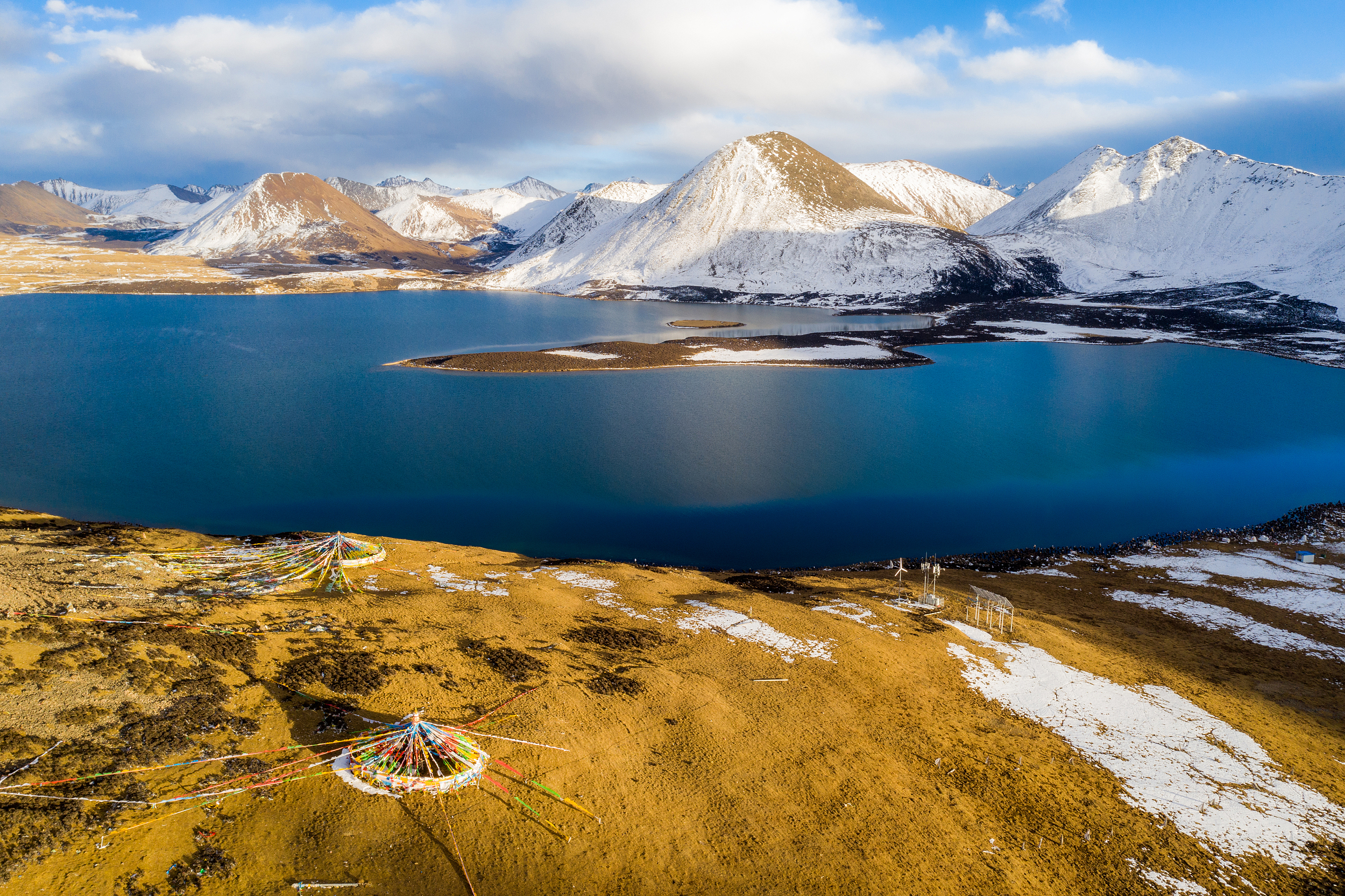
Sijinlacuo Lake
Sijin Lacuo Lake is located in the southeast of Riduo Township, Mozhugongka County, Nyingchi City, about 6 kilometers away from National Highway 318. There are many mani piles by the lake, hung with Hada and prayer flags worshipped by the local people, and many plateaus can be seen pika. The 6 kilometers from the lakeside to the 318 National Road are all gravel roads, and it is easier to puncture the tires.
-
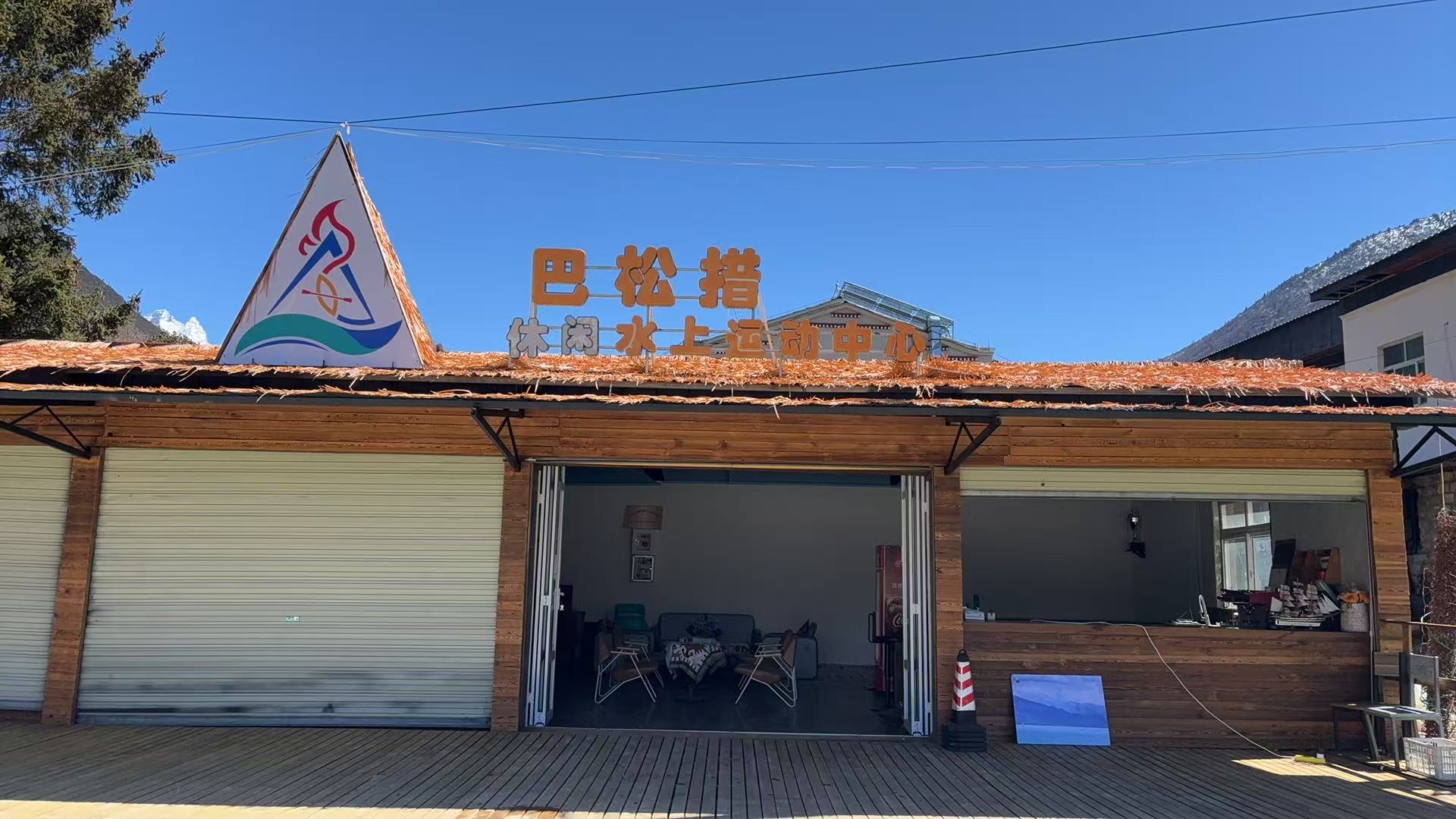
Basomtso Leisure Water Sports Center
The Ba River originates from the beautiful Basong Tso Lake, whose Tibetan name means “green water.” The river flows like an emerald ribbon, meandering between snow-capped mountains and forests. Drifting along the Ba River offers a unique perspective of the landscape—snowy peaks and lush forests reflected in the water, colorful stones lining the riverbed, and a mix of calm stretches and thrilling rapids. Glide leisurely through serene waters, soaking in the ever-changing scenery along the banks, then brace yourself for heart-pounding excitement as you navigate the rushing rapids—an unforgettable adventure that delivers both tranquility and adrenaline.
-
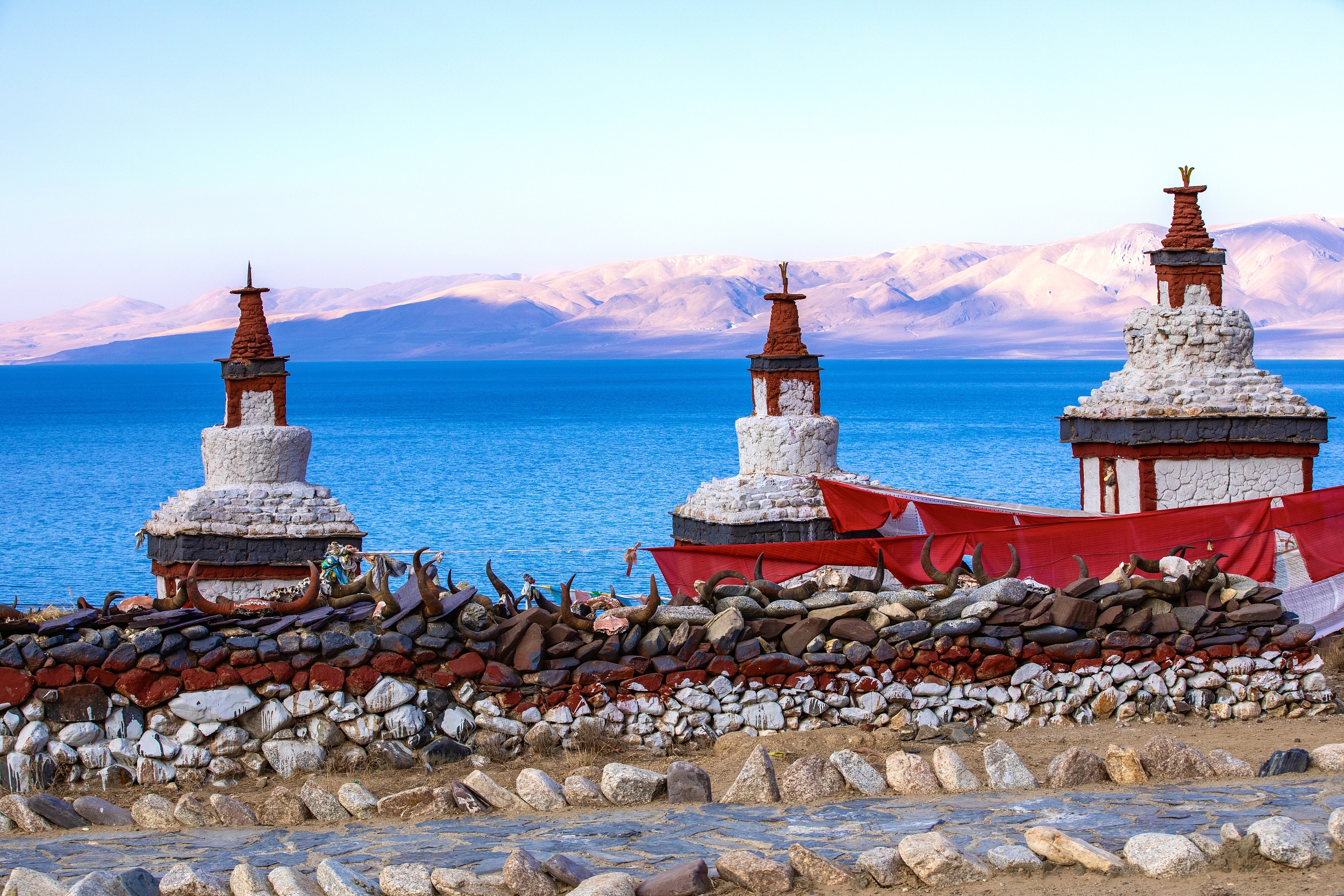
Wenbunan Village
Wenbu Village is located in Nagqu Prefecture. Wenbu is one of the well-known birthplaces of the Bon religion; it contains the ruins of the capital of the Zhangzhung Kingdom, an important place for the kingdom’s prosperity and development; situated in the heart of the Qiangtang Plateau at an altitude of 4,700 meters, it is a place where barley can be grown and willows can be planted to form groves; it is also home to the sacred mountains and lakes of the Bon religion—Dangra Yumco and Dargo Mountain. Wenbu Village faces the lake and is a village clustered with temples, boasting beautiful scenery of lake and mountain views, barley fields, and more.
-
Motuo Museum
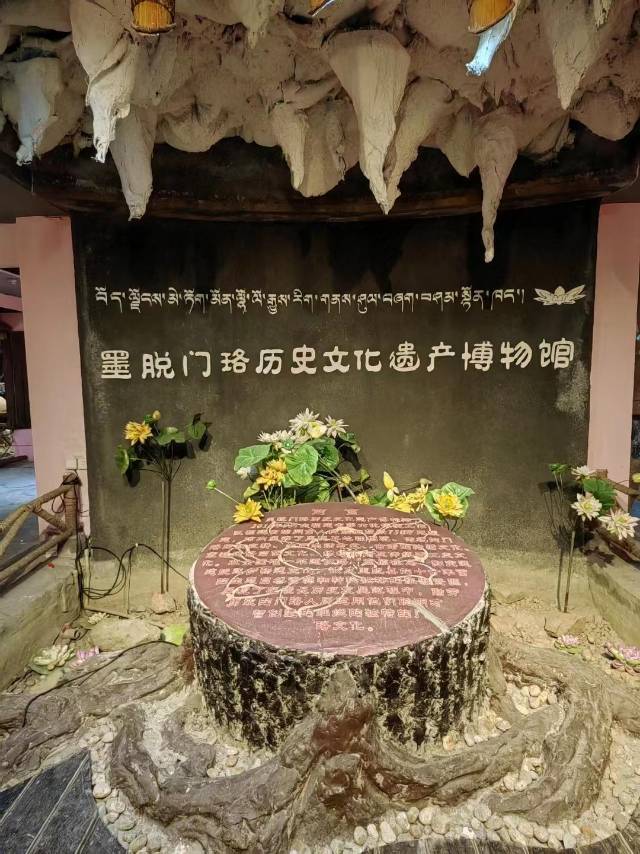
The Medog Menluo Historical and Cultural Heritage Museum, also known as the “Lotus Pavilion”, is located on the hillside west of Medog County, Linzhi City, Tibet. It is a landmark building in Medog County. The museum comprehensively displays the history and culture of the Menba and Lhoba peoples. It has six exhibition areas: geographical location, folk culture, production and life, transportation, hunting, clothing and handicrafts, and introduces the customs of the Menluo ethnic group in detail. The museum building integrates the characteristics of the Menluo ethnic group. The museum houses a rich collection of ethnic cultural relics and intangible cultural heritage, such as rattan and bamboo weaving techniques and the production process of traditional aluminum gourds “Jiu”, which show the life wisdom and artistic creativity of the Menluo ethnic group. As the tallest building in Medog County, the Lotus Pavilion is not only a window to understand the Menluo culture, but also an ideal viewing point overlooking Medog County and the Yarlung Zangbo Grand Canyon. Standing on the pavilion in the early morning, you can often see clouds and mist, as if you are in a fairyland. The Medog Menluo Historical and Cultural Heritage Museum is a good starting point for exploring the diverse culture and natural scenery of Medog.
-
Tangmai Natural Barrier
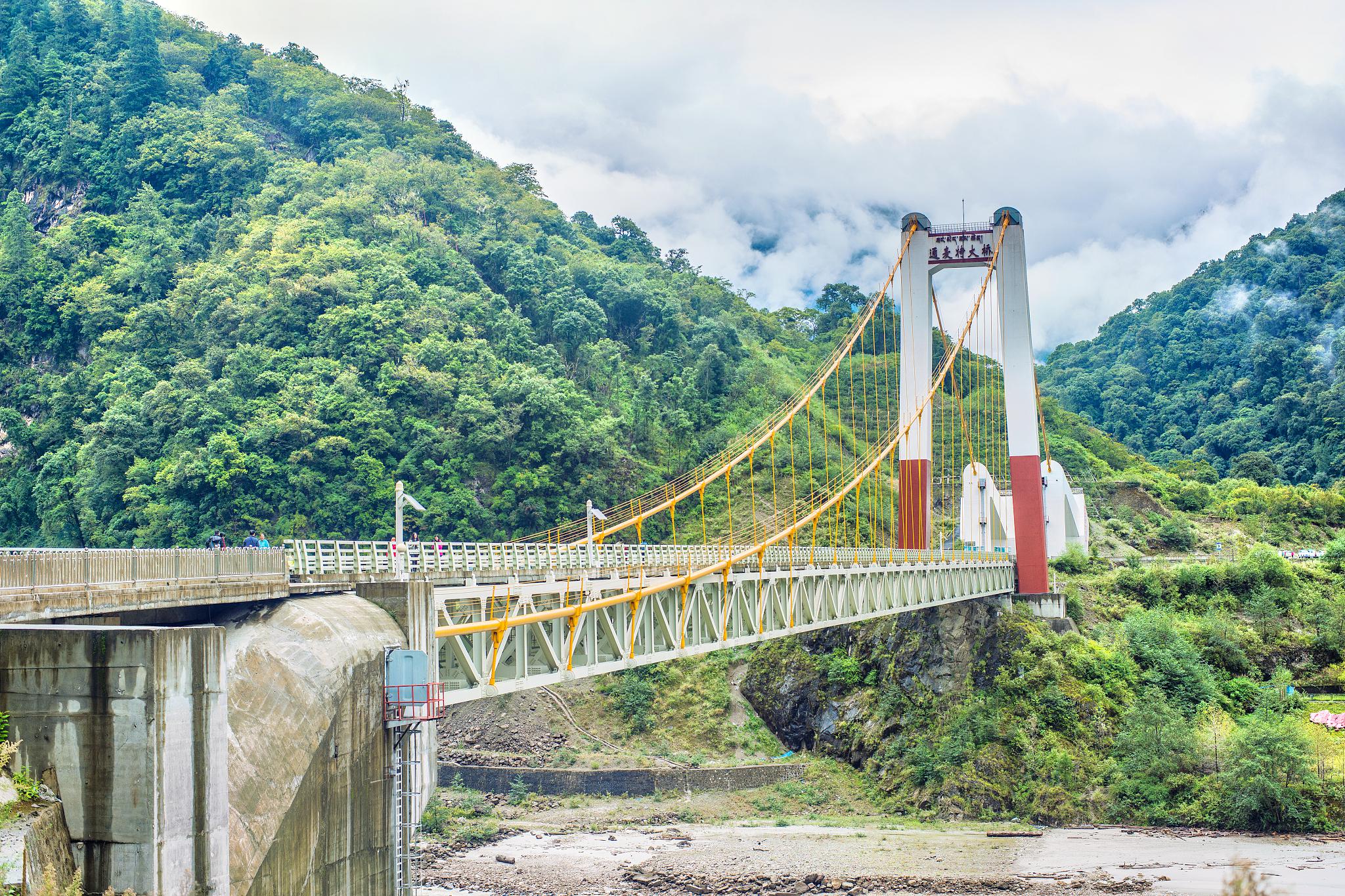
Tongmai Pass is located on the road from Bomi County to Bayi Town. Due to the loose soil and snow-capped mountains and rivers nearby, mudslides and floods occur frequently. This section has become the most dangerous section on the entire Sichuan-Tibet Line and is known as the “Tongmai Cemetery”. From Tongmai Bridge to Pailong Section, a total of about 30 kilometers, the mountain road is a small platform on the mountainside formed by digging and piling up soil, hanging high above the river. The roadbed is very soft and the road is difficult to travel. Drivers need to be especially careful when they reach this section. In addition, this section of the road is often closed or limited to a certain time due to road construction, so be mentally prepared.
-
Ali’anye Park
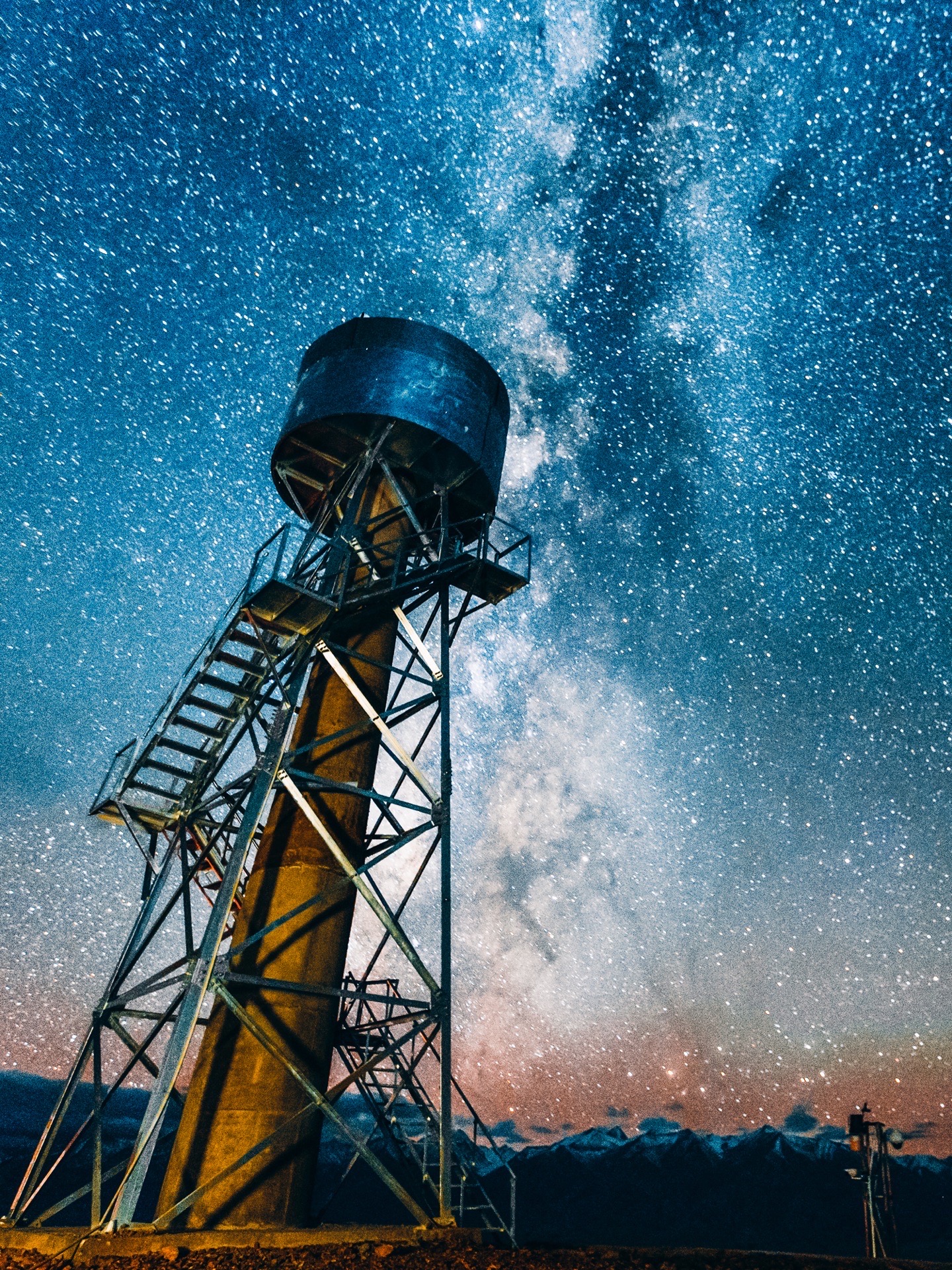
Ali Dark Sky Park is a park dedicated to protecting the night sky environment, attracting astronomy enthusiasts and nature explorers. The park is famous for its unparalleled starry sky view, far away from urban light pollution, making the night sky particularly bright. Visitors can watch the Milky Way, meteor showers and other astronomical phenomena here, which is an ideal place for astrophotography. There are multiple stargazing spots in the park, providing different perspectives and experiences. Visitors can choose to spend the night in the camping area to enjoy the quiet natural environment and the starry sky. To help visitors better understand the night sky, the park provides guided tours to explain constellations and astronomical knowledge. During the day, visitors can explore the surrounding natural landscape and experience the unique ecology of the plateau. Hiking is a good way to understand the local landforms and biodiversity. The park’s facilities include basic camping equipment and an information center that provides maps and activity suggestions. Visitors are advised to bring warm clothes and necessary camping equipment to cope with the temperature difference on the plateau. Ali Dark Sky Park is not only a great place for stargazing, but also a unique place to experience the beauty of nature.
-
Dazhao Temple Square
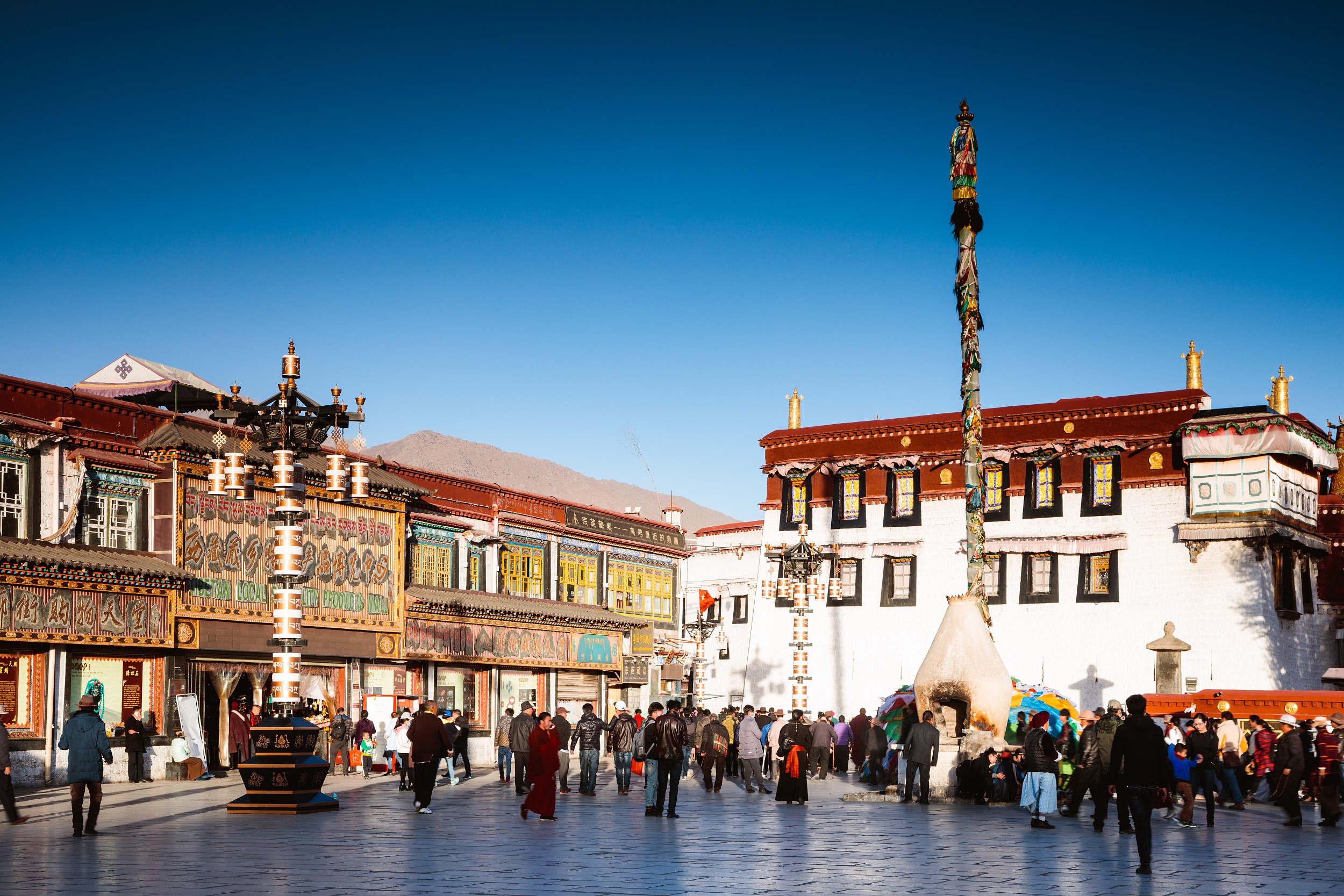
Jokhang Square is located in front of Jokhang Temple. There are all kinds of shops around the square, as well as some stalls selling special products and many food shops. The strong aroma of sweet tea wafts from time to time, and the square looks very lively during the day. There are not only tourists from all over the country in the square, but also more Tibetans, who hold prayer wheels in their hands and turn the prayer wheel clockwise around Jokhang Temple. Jokhang Square is a good place to experience the local Tibetans turning the prayer wheel. Every day, many believers kowtow in front of Jokhang Temple. The ultraviolet rays on the plateau here are particularly strong. If you are exposed to the sun, remember to take sun protection measures.
-
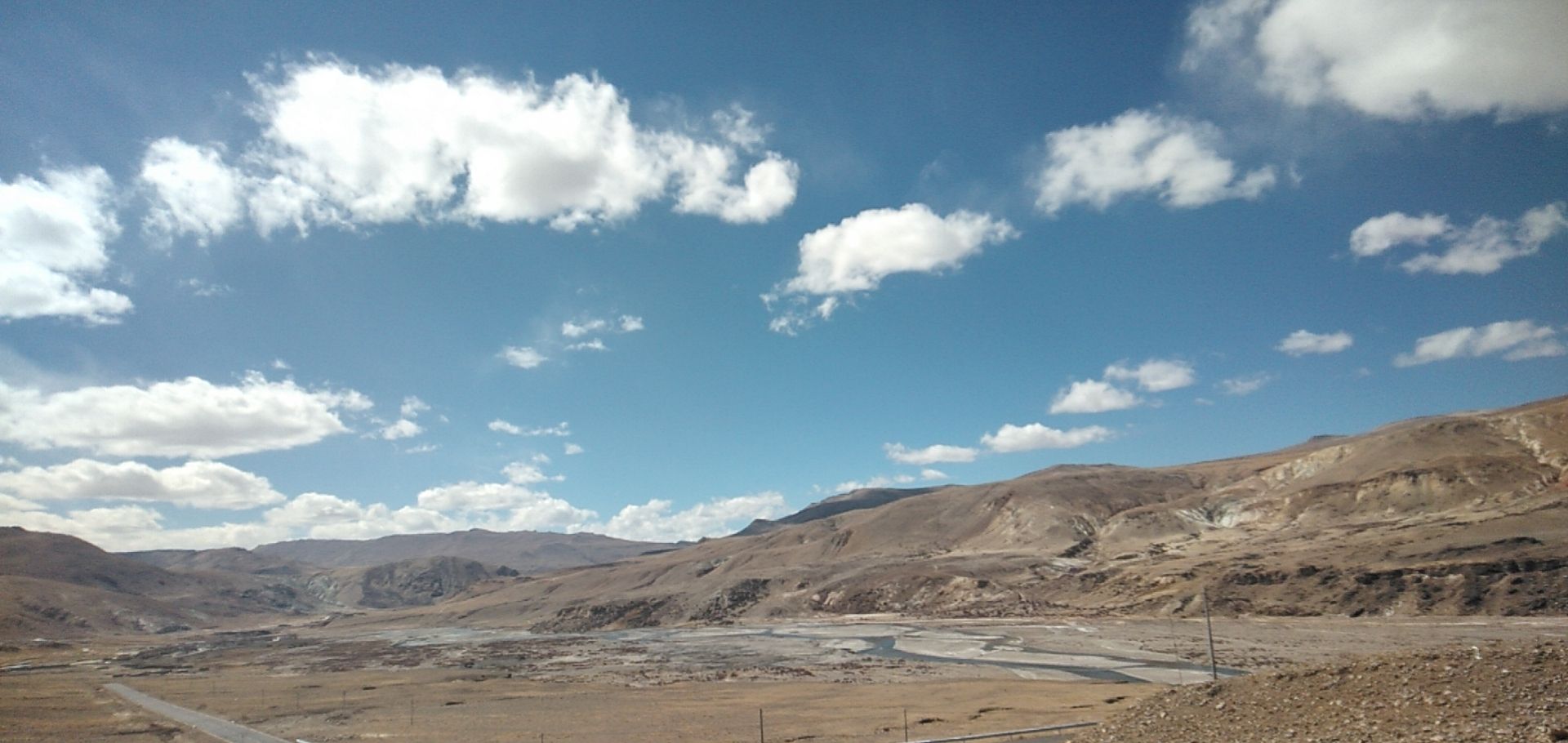
Baga Township
Baga Township is situated between the Gangdise Mountains and the Himalayas, offering a spacious and serene landscape, a beautiful natural environment, and simple local customs. Here, you can witness rolling snow-capped mountains, fluffy white clouds, and herds of cattle and sheep—a truly breathtaking sight.
-
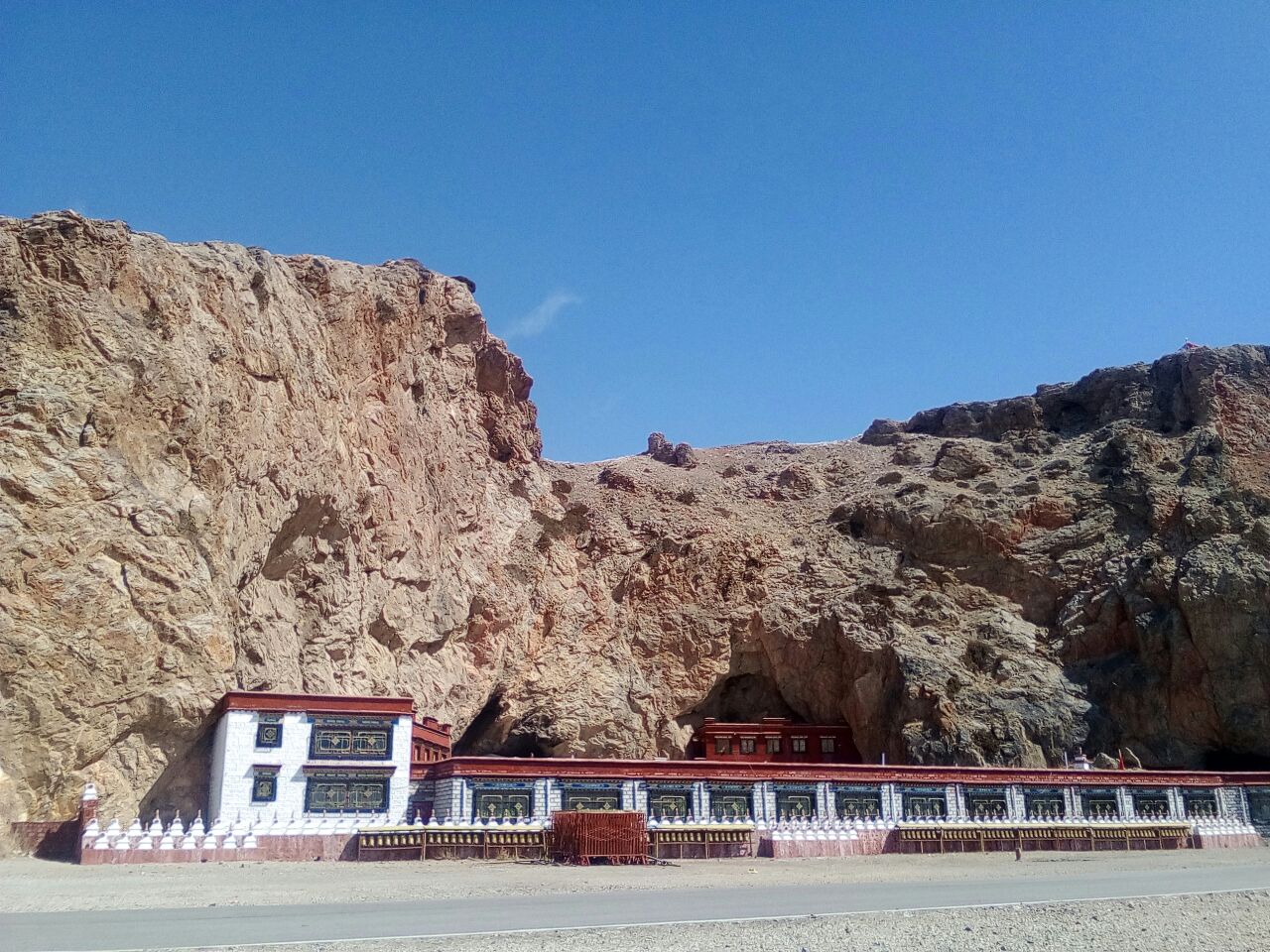
Zhaxidao Temple
Founded in 1498 by Gongtoba Toshe, the monastery belongs to the Nyingma school. Historically, it served as a meditation center for many Living Buddhas, with a peak of eight monks residing there. The monastery was once damaged but was restored and reopened in 1990 with the approval of the county government. The main statue is of Padmasambhava, along with statues of Amitabha Buddha, Avalokiteshvara, and Vajrapani. The area surrounding Zaxi Island Monastery boasts unique scenery, including a Padmasambhava-shaped rock formation, a natural bridge, and cave paintings, among other natural and cultural landscapes. Legend has it that over 2,800 high-ranking monks practiced on Zaxi Island, adding to its mystique. During the Year of the Sheep, many devotees come to the monastery to circumambulate the lake, and it is also a popular destination for tourists and pilgrims who visit and pray for blessings.