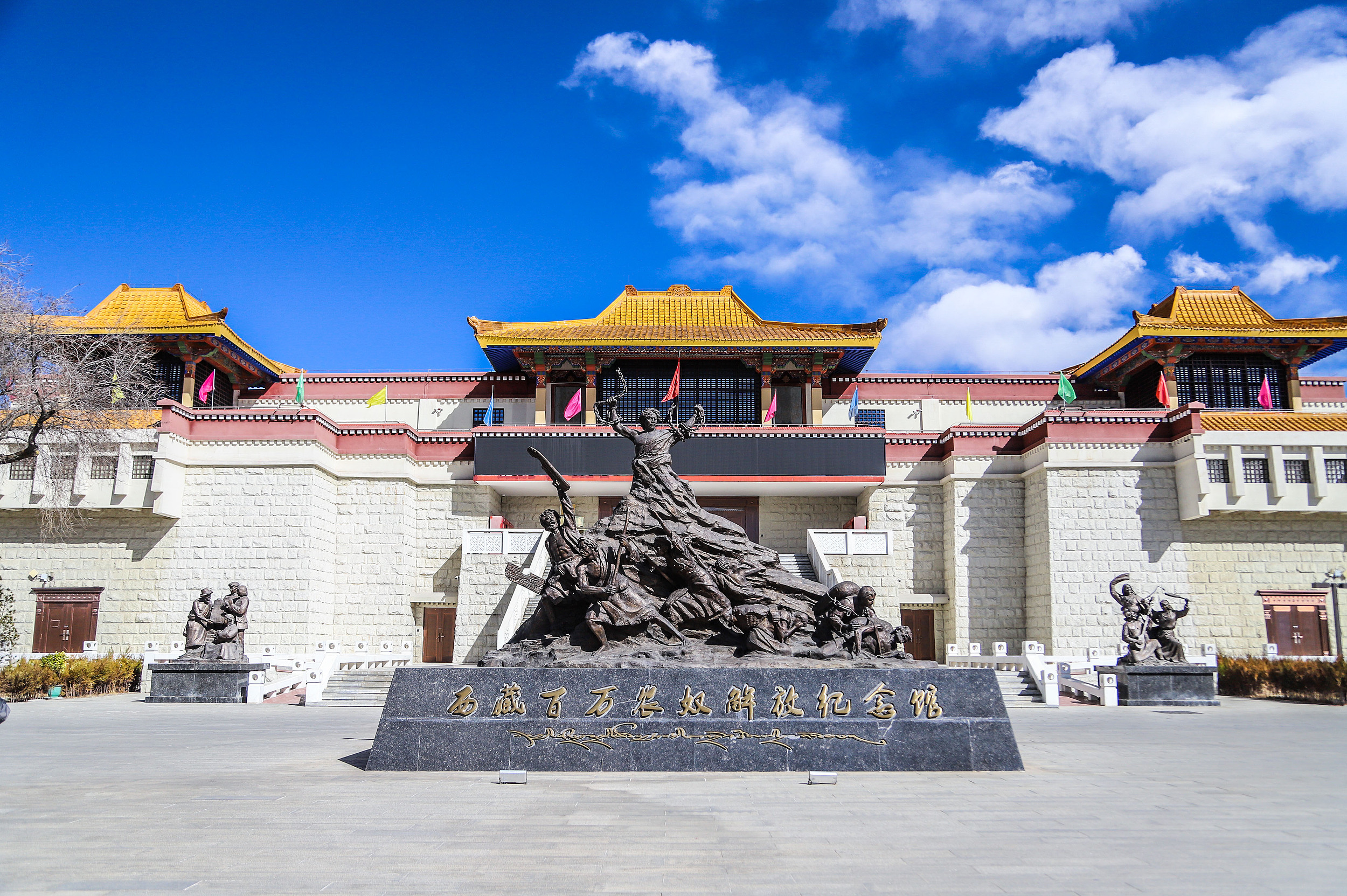
Located in Lhasa, the memorial is of great historical and cultural significance. The museum displays the social changes in the region before and after the democratic reform through a wealth of exhibitions and historical materials. The architectural design of the memorial combines traditional Tibetan style with modern architectural elements, which is solemn and distinctive. The artifacts and pictures exhibited in the museum record in detail the serfdom system in the old society in the region, the living conditions of the serfs, and the social development after the democratic reform. Through historical photos, physical exhibits and multimedia displays, visitors can gain an in-depth understanding of the historical process and cultural changes. In addition to historical exhibitions, the memorial also features special exhibition halls that introduce the region’s achievements in economic development, cultural protection, and ecological construction. Educational activities and lectures in the museum further enrich the visitor experience and help visitors better understand the region’s history and current situation.
归档: Attractions
-
Dagu Scenic Area
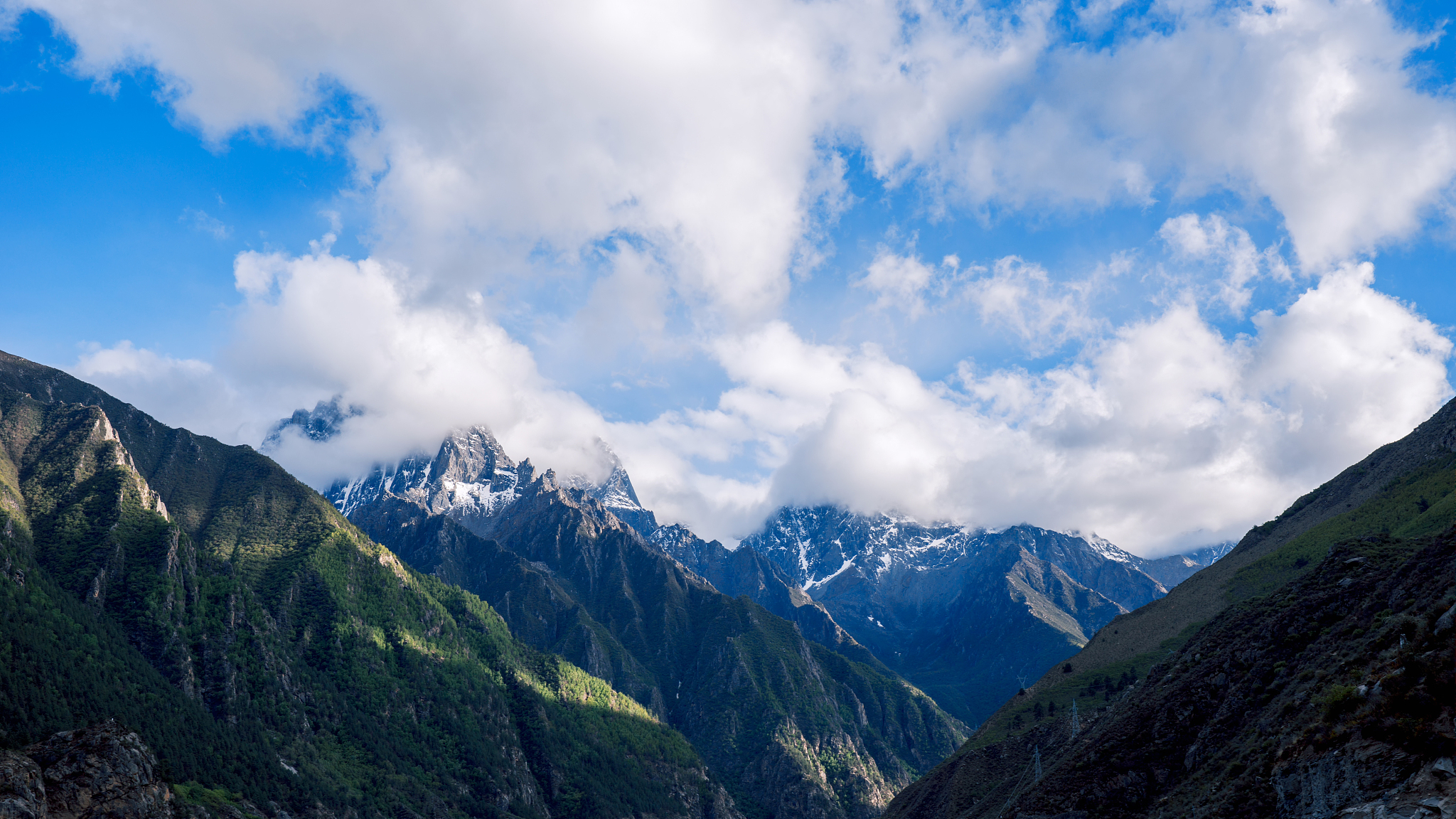
There are four scenic spots in Dagu Scenic Area, namely: Dagu Stream Scenic Area, Baigou Scenic Area, Jiexu Scenic Area, and Gadui Snow Chasing Scenic Area. Among them, Jiexu Scenic Area is under construction. Dagu Scenic Area is located at the junction of Sangri County and Gacha County, with an average altitude of 3,200 meters. It is a must-go place for the East Ring Line of Tibet Tourism. Here, the mountains on both sides of the Yarlung Zangbo River are steep and precipitous, the river surface is narrow, the water is turbulent, and it is roaring. It can be called the first canyon of the Yarlung Zangbo River. The valley on the north side of the canyon has a humid climate, dense vegetation, and clear mountain streams. There are protected animals such as brown bears, Tibetan macaques, snow chickens, and snow leopards. It is also rich in a wide variety of rare medicinal materials such as Cordyceps, Fritillaria, Snow Lotus, Rhodiola Rosea, and other rare medicinal materials. What is novel is that it also grows red peonies, various types of azaleas, gentians, nodding chrysanthemums, primroses and other flowers with high ornamental value. The folk customs of Dagu are a unique and beautiful landscape. Dagu Village is located at the big bend of the Yarlung Zangbo River. Dagu is rich in Dagu stone pots and the special food Dagu stone pot fish. There are naturally formed strange stone landscapes such as the alms bowl of Guru Padmasambhava and the Thousand Buddha Cliff.
-
Mila Pass
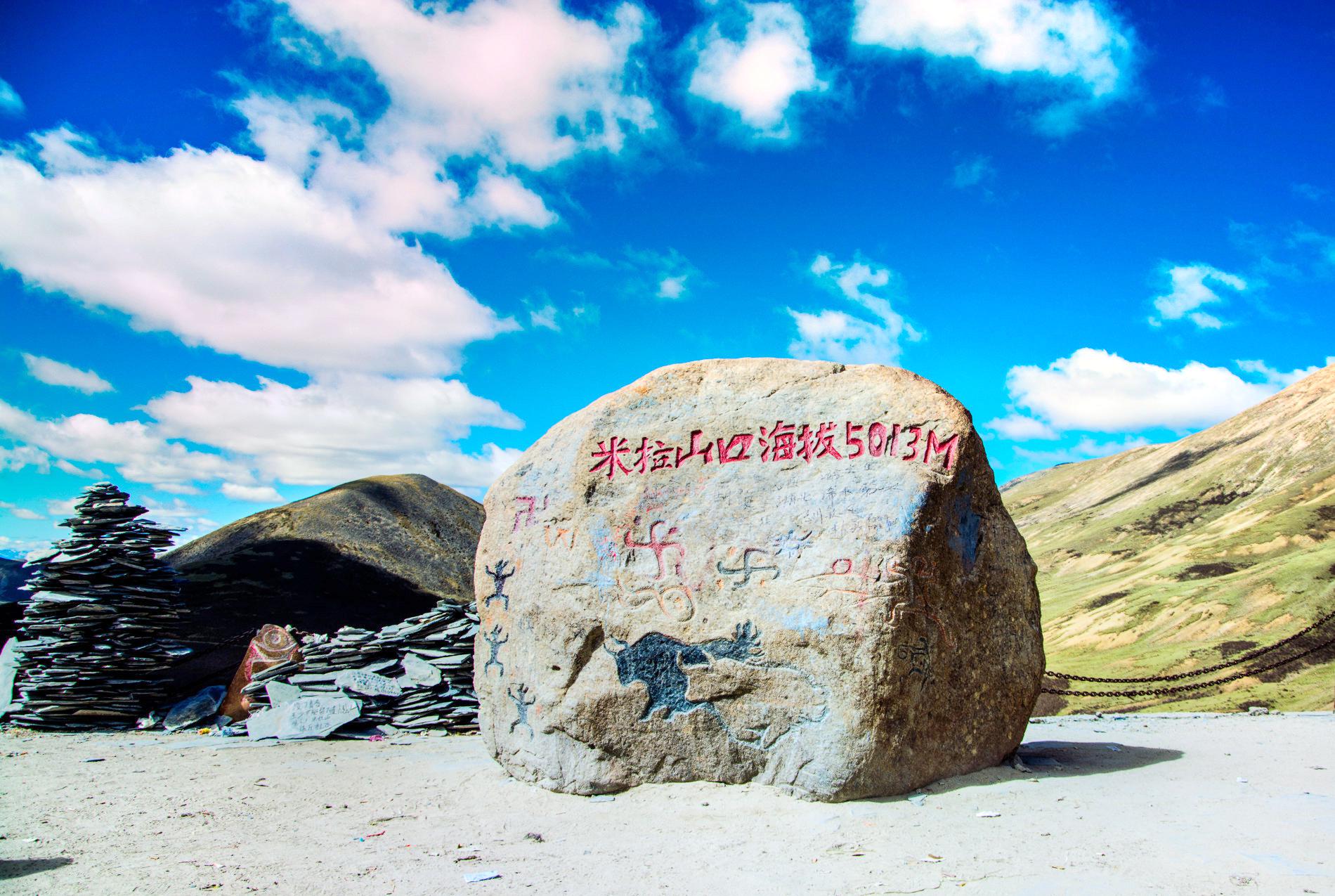
Mira Mountain Pass is the mountain pass when National Highway 318 passes through Mira Mountain, with an altitude of 5013 meters. This is the geographical junction of Nyingchi and Lhasa. Due to the isolation effect of the high altitude of Mila Mountain, the scenery on the east and west sides of the mountain pass is completely different. The east side is Nyingchi with lush green plants, and the west side is arid and desolate. Tourists come to Mila Pass usually by taking National Highway 318 to Lhasa and Nyingchi for a while. Mila Mountain is also a sacred mountain in the hearts of local Tibetans. There are huge prayer flag pillars at the mountain pass. The colorful prayer flags flutter in the wind, and the wind and horses swirl with the wind. The scenery itself is also very good.
-
Birishenshan Ecological Scenic Area
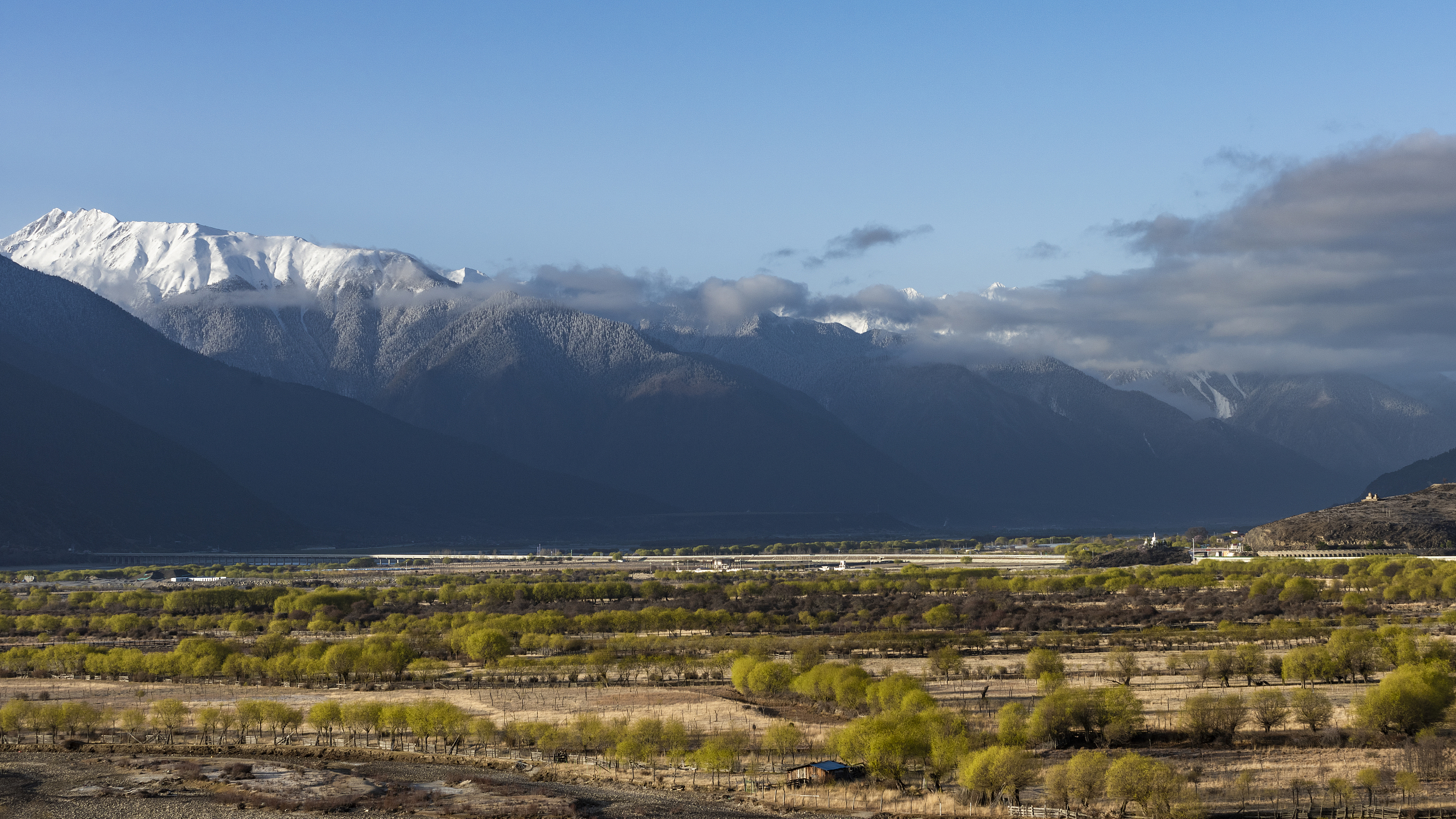
Located east of Bayi Town in Nyingchi, within walking distance, Mount Biri is a popular stop for tourists traveling the Sichuan-Tibet Highway and Nyingchi Line while resting in Bayi Town. The mountain boasts a wealth of scenery, including trees, temples, and museums. The climb is not difficult and well worth a visit. Mount Biri boasts an ecological plank path, accessible via a simple hike. As a sacred mountain for the Bon religion, several distinctive Bon relics can be seen here. The mountain also boasts the Tibetan Buddhist monastery of Biri, with its massive prayer flag columns, making for spectacular photo opportunities. Another key attraction is the Nyingchi Natural Museum, featuring specimens of native flora and fauna. The museum showcases local flora and fauna, showcasing both local characteristics and a wealth of educational resources.
-
Ruzila Viewing Platform
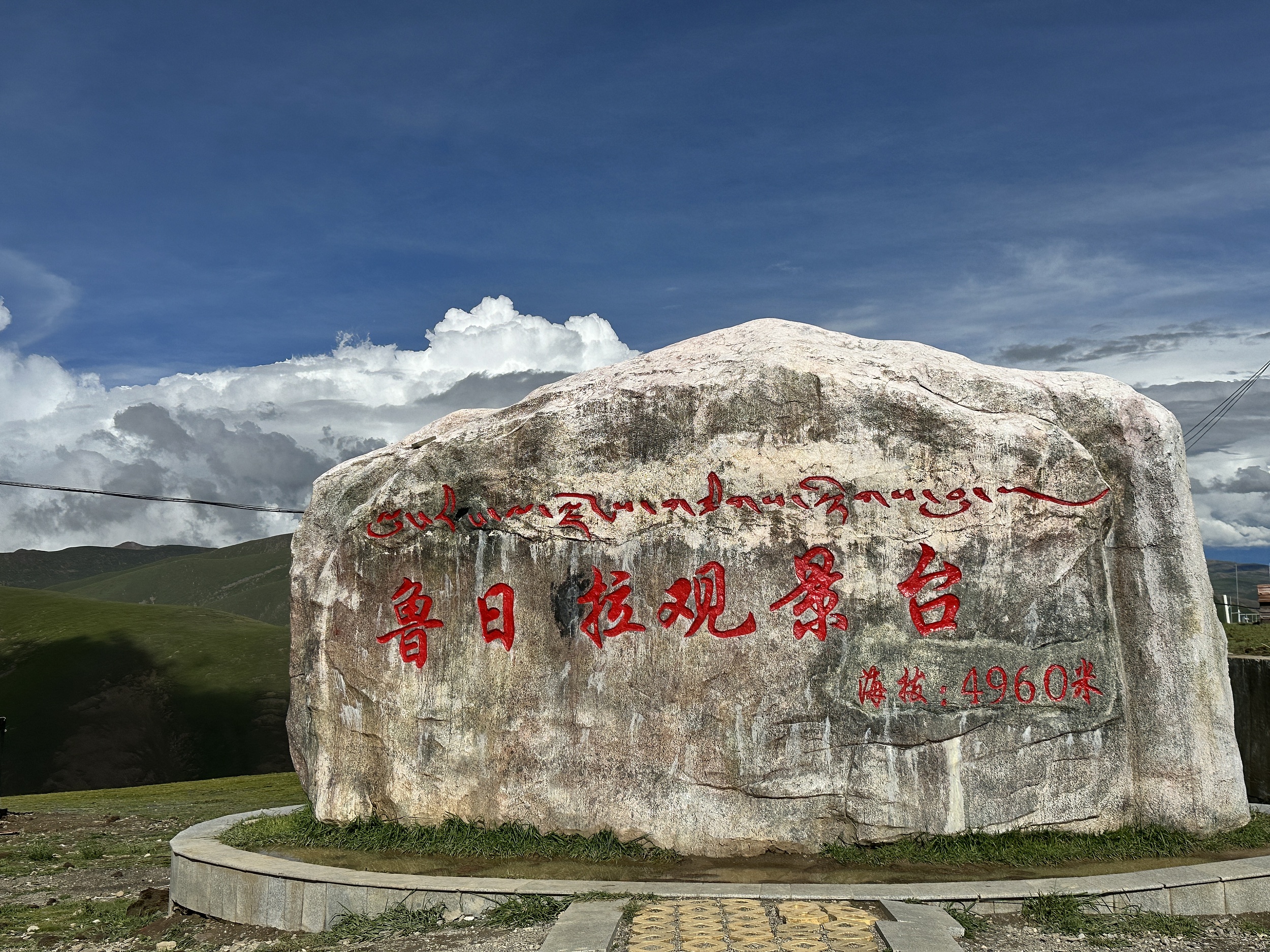
Located on a high mountain northwest of Zhayu Village, Langkazi County, Shannan City, Tibet Autonomous Region, the Lujila Observation Deck is an ideal location for a panoramic view of Yamdrok Lake. Known as the “next Gangbala Observation Deck,” it is popular among tourists for its magnificent natural scenery and unique geographical location. Standing on the observation deck, visitors can enjoy a panoramic view of the azure waters of Yanghu Lake, the surrounding snow-capped mountains, the villages at the foot of the mountains, and the Rito Monastery in the center of the lake, forming a beautiful plateau painting. Especially at sunrise or sunset, the lake surface presents different levels of blue under the sunlight, and the scenery is particularly charming. The geographical location of the Lujila Observation Deck makes it a paradise for photography enthusiasts, and many people have captured amazing natural landscapes here. Whether it is a nature lover or a cultural explorer, the Lujila Observation Deck provides an unforgettable experience for every visitor.
-
Bingchacha (Tibet’s Classic Adventure Route)
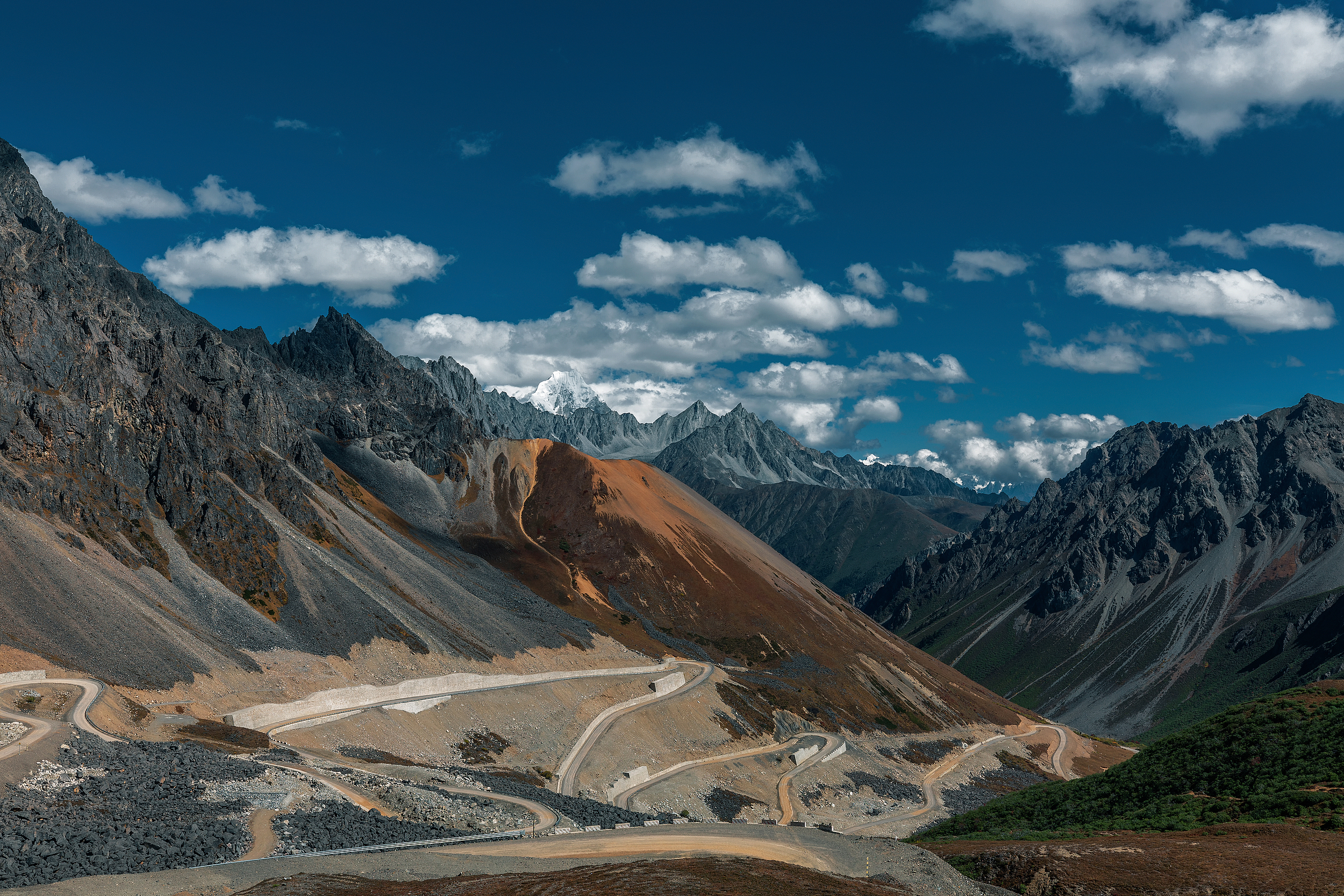
The Bingchacha route traverses the Hengduan Mountains, attracting numerous travelers and adventure enthusiasts with its magnificent natural scenery and unique cultural experiences. Along the way, the route passes through diverse natural landscapes including high mountains and canyons, primeval forests, rivers, and lakes, showcasing the grandeur and magnificence of the Hengduan Mountains. Especially in autumn, the forests and valleys are covered in vibrant colors of autumn foliage, creating picturesque scenery. Travelers can experience the cultural charm of different ethnic groups, savor various local delicacies, and immerse themselves in a rich cultural atmosphere. While the Bingchacha journey is challenging, this is precisely why it has become a dream destination for many adventurers. Here, one can not only appreciate the magnificence and mystery of nature but also experience the fusion and collision of different cultures. Whether you are a nature lover or a cultural explorer, the Bingchacha route offers an unforgettable journey.
-
Mount Everest National Nature Reserve
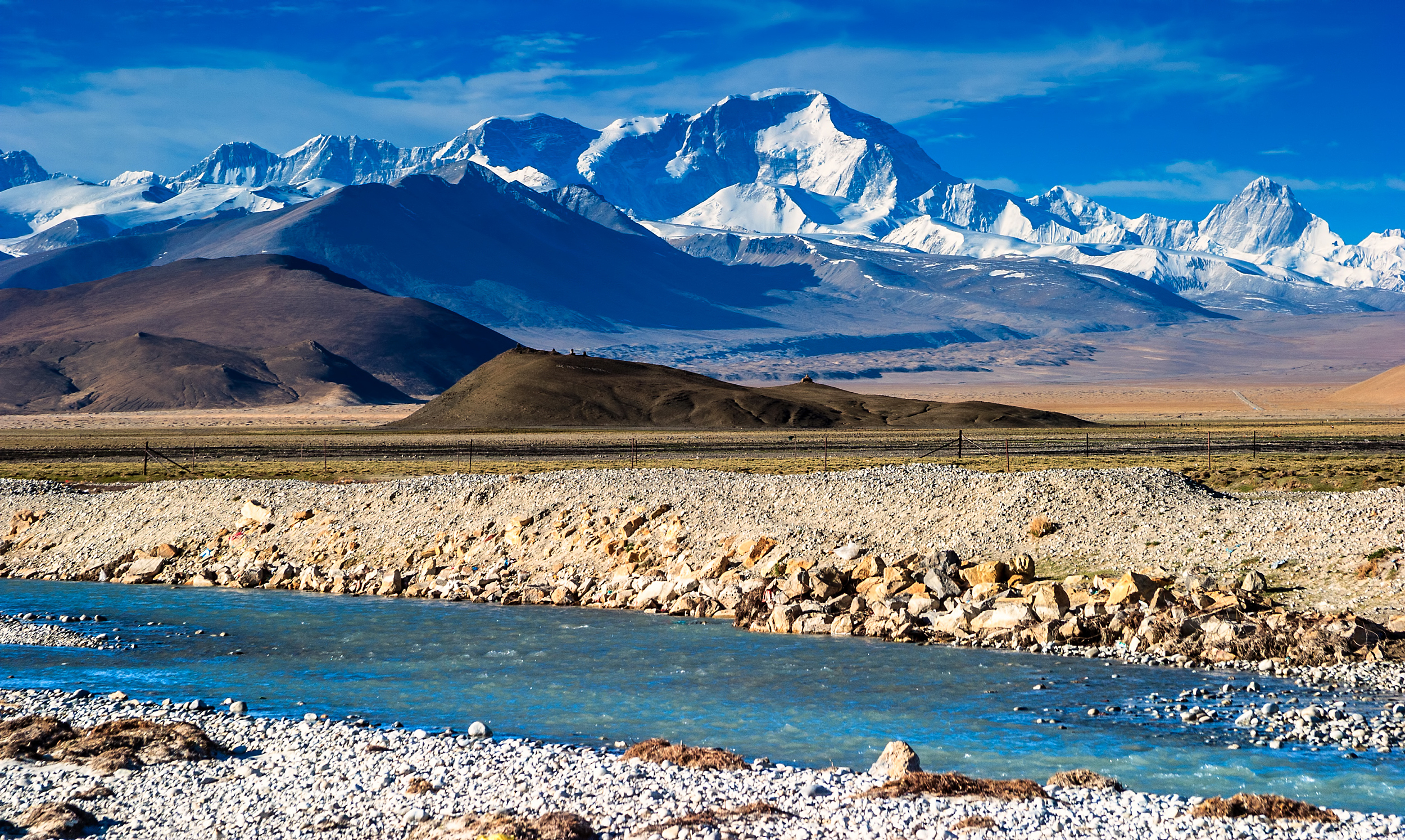
The Everest Nature Reserve spans Dingri County, Nyalam County, Jilong County and Dingjie County with a total area of 33,819 square kilometers. It was established in 1988 with the approval of the People’s Government of the Autonomous Region. It is a comprehensive nature reserve with great scientific research value, mainly protecting the high mountain ecosystem, mountain forest ecosystem, shrub and grassland ecosystem and biodiversity, while protecting the local Tibetan historical and cultural heritage. There are Mount Everest, Lhotse Peak, Zhangzi Peak, Zhuo Oyu Peak and other peaks in the reserve, the base camp of Mount Everest, and Wutiaogou (Chentanggou, Gamagou, Rongshagou, Zhangmugou, Jilonggou). As of January 2019, the core area above the Rongbu Temple in the Mount Everest Nature Reserve is temporarily prohibited from entering the scenic area. The scenic area will continue to open conditionally, and mountaineering activities in compliance with laws and regulations can still be carried out. The news of “the permanent closure of the Mount Everest scenic area” is reported on the Internet. false.
-
Xianggelila Glacier
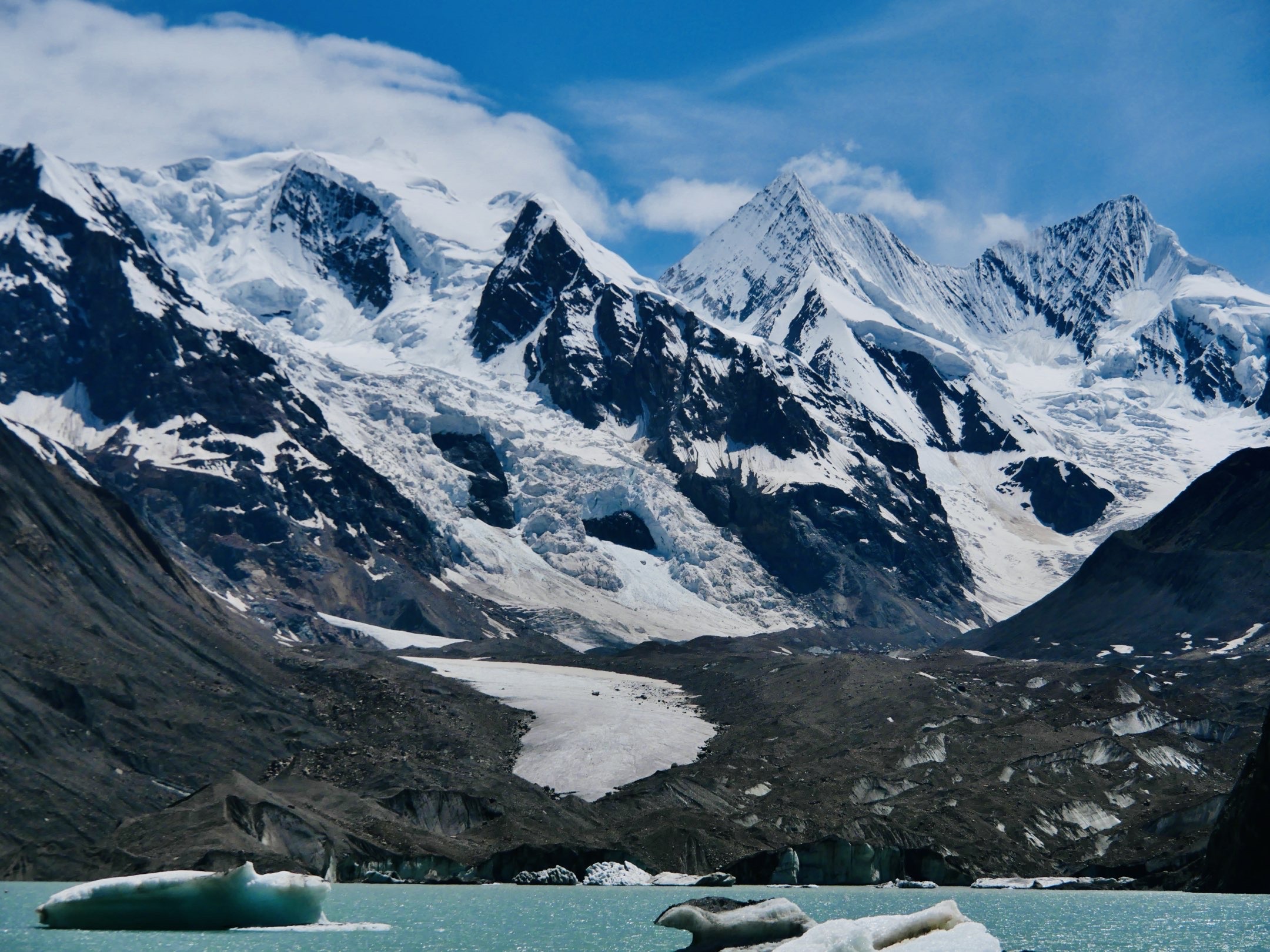
Deep within the Nyainqêntanglha Mountains in Bianba County, Chamdo City, lies a hidden glacial paradise called Xianggela. It is a major source of water for a tributary of the Nujiang River and borders the Three-Colored Lake scenic area.Stretching from the snow-capped peaks to the glacial lake, this approximately nine-kilometer-long “ice and snow dragon” is magnificent. The pristine white ice floes contrast beautifully with the towering snow-capped peaks, especially during winter when the lake freezes over, and the ice floes refract the sunlight into a deep blue glow, resembling scattered sapphires.In the hearts of the local residents, this icy blue landscape is considered sacred, carrying unique beliefs and culture. Thanks to its easy access by car, this undeveloped and sparsely populated place is attracting more and more travelers yearning for pristine scenery to witness the purity of this world.
-
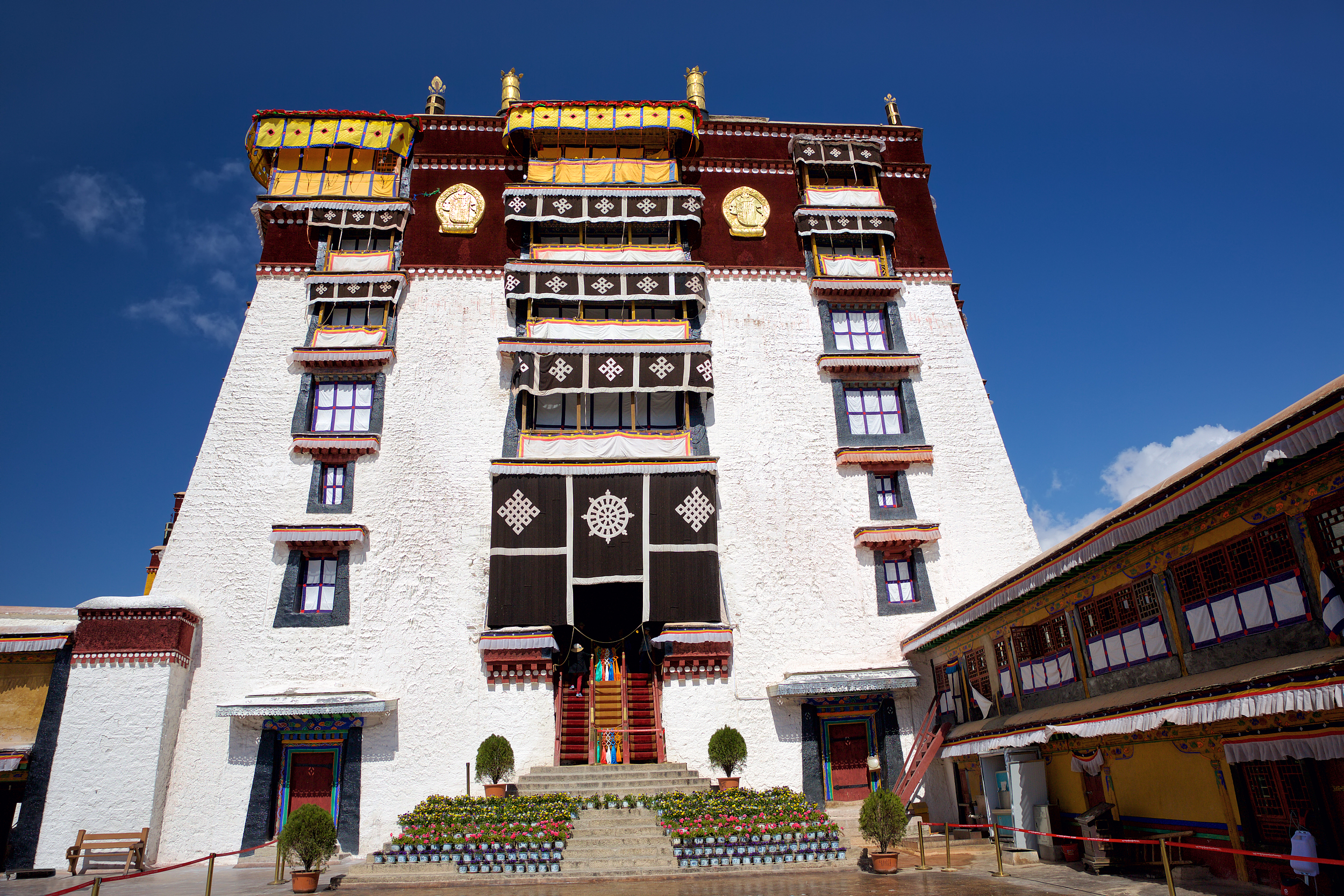
White Palace, Potala Palace
The main building of the Potala Palace consists of three parts. The Red Palace is in the middle, connected to the White Palace in the east and the Zhasha Palace in the west. The three parts are interconnected and integrated. The White Palace is named after its white exterior wall. The White Palace of the Potala Palace was the original location of the local government office and is seven stories high.
-
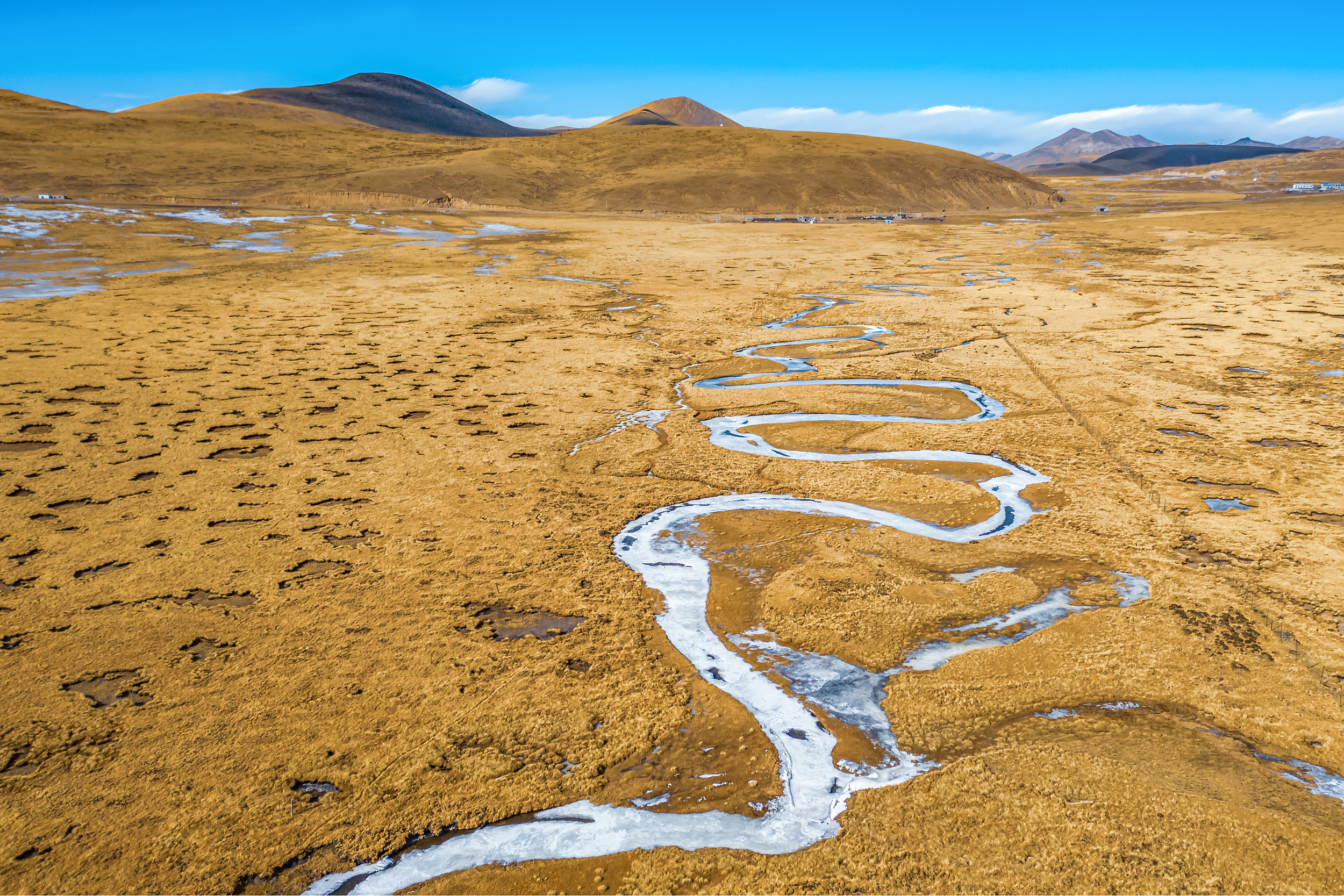
Gongdelin Grassland
Gongdelin Grassland is a famous alpine pasture in the area. In addition to the grassland scenery of cattle and sheep blowing in the wind, it is also a very famous butter production area in the area. Today, Gongdelin Grassland is still an important attraction on the local tourism South Ring Line and East Ring Line. At present, “Pastoral Homestay” has been opened on the grassland, and tourists can taste local food and stay in the tent “Pastoral Homestay” opened by herders.