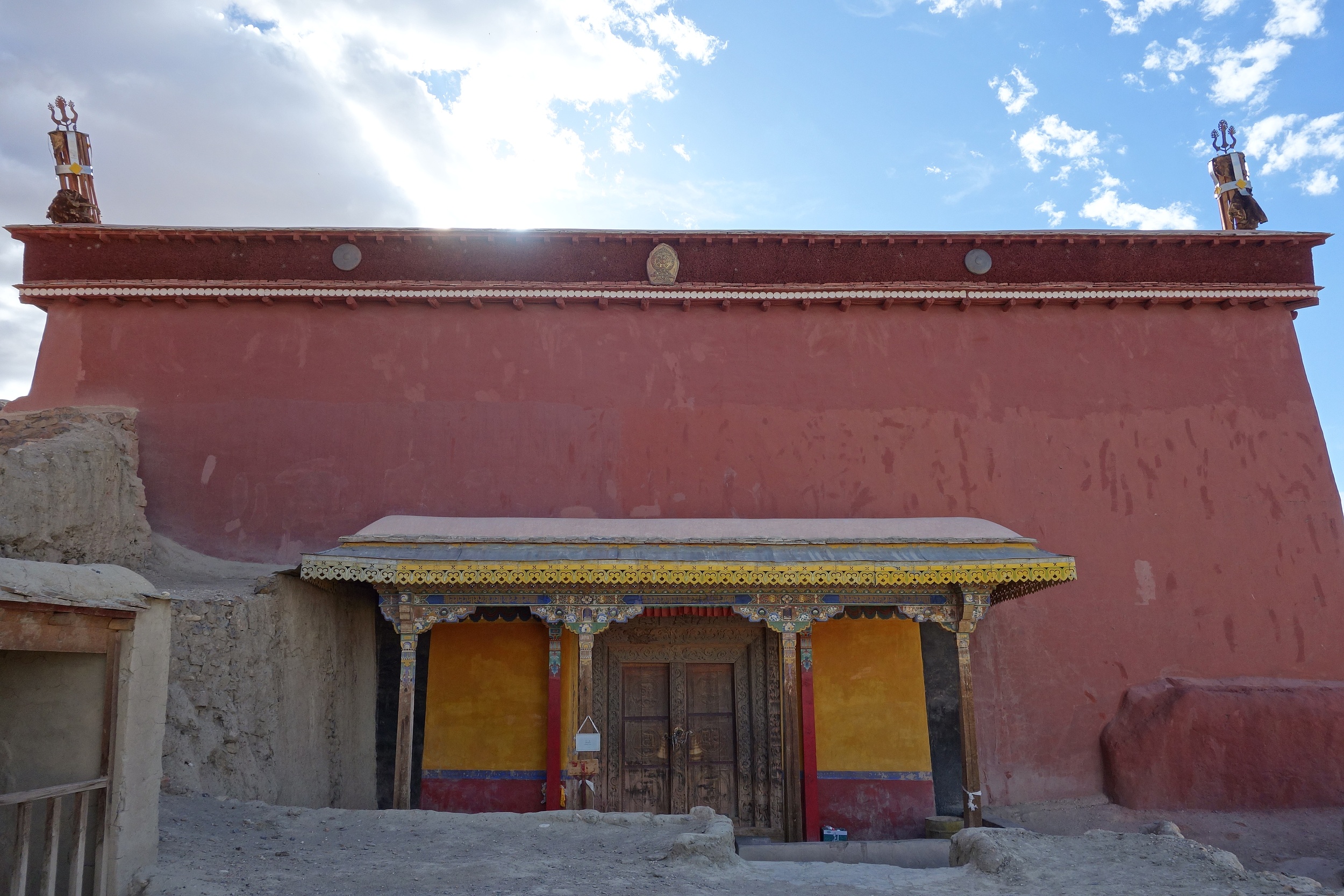
The Red Hall, located in the Ngari region, is one of the important historical sites of the Guge Dynasty. The Guge Dynasty was once a prosperous kingdom in history. Its ruins are located in the earth forest landform by the Xiangquan River, showing the splendid local civilization. The Red Hall is an important building in the ruins, famous for its unique architectural style and exquisite murals. The murals in the hall preserve rich religious and historical content, depicting religious ceremonies, life scenes and mythological stories during the Guge Dynasty. These murals are not only artistic treasures, but also important materials for studying the ancient local religious culture and social life. The architectural structure of the Red Temple embodies the characteristics of ancient Tibetan architecture, using local building materials and craftsmanship, and demonstrating the wisdom and skills of ancient craftsmen. Visitors can feel the strong historical atmosphere and religious mystery when visiting the Red Temple.
归档: Attractions
-
East of the Mountain
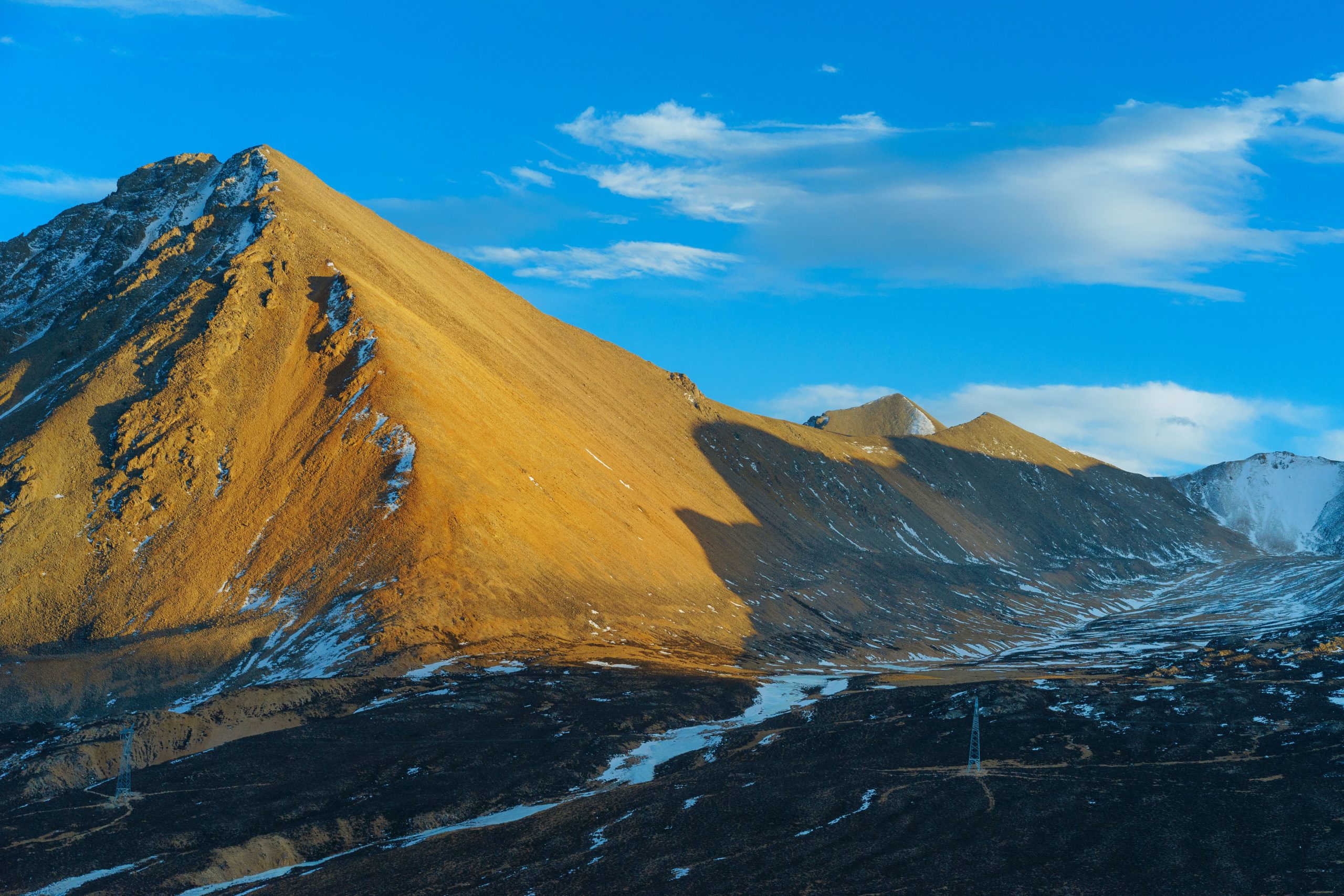
Dongda Mountain, a high mountain pass on the Sichuan-Tibet Highway, is also known as the “forbidden zone of life”. There is snow all year round. It is 5,008 meters above sea level. On one side of the mountain is the surging Lancang River, and on the other side is Zuogong. In Dongda Mountain, the temperature on the Bangda grassland can reach below zero degrees Celsius. However, the temperature on the banks of the Lancang River and the Nujiang River is around 20 degrees Celsius. The altitude difference experienced in a day can be nearly 2,500 meters. Between the two counties are Jueba Mountain, Lawu Mountain and Dongda Mountain with an altitude of nearly 6,000 meters. The road conditions are not very good, and there is often a feeling of “people and horses falling down”.
-
Sejila Mountain Viewing Platform
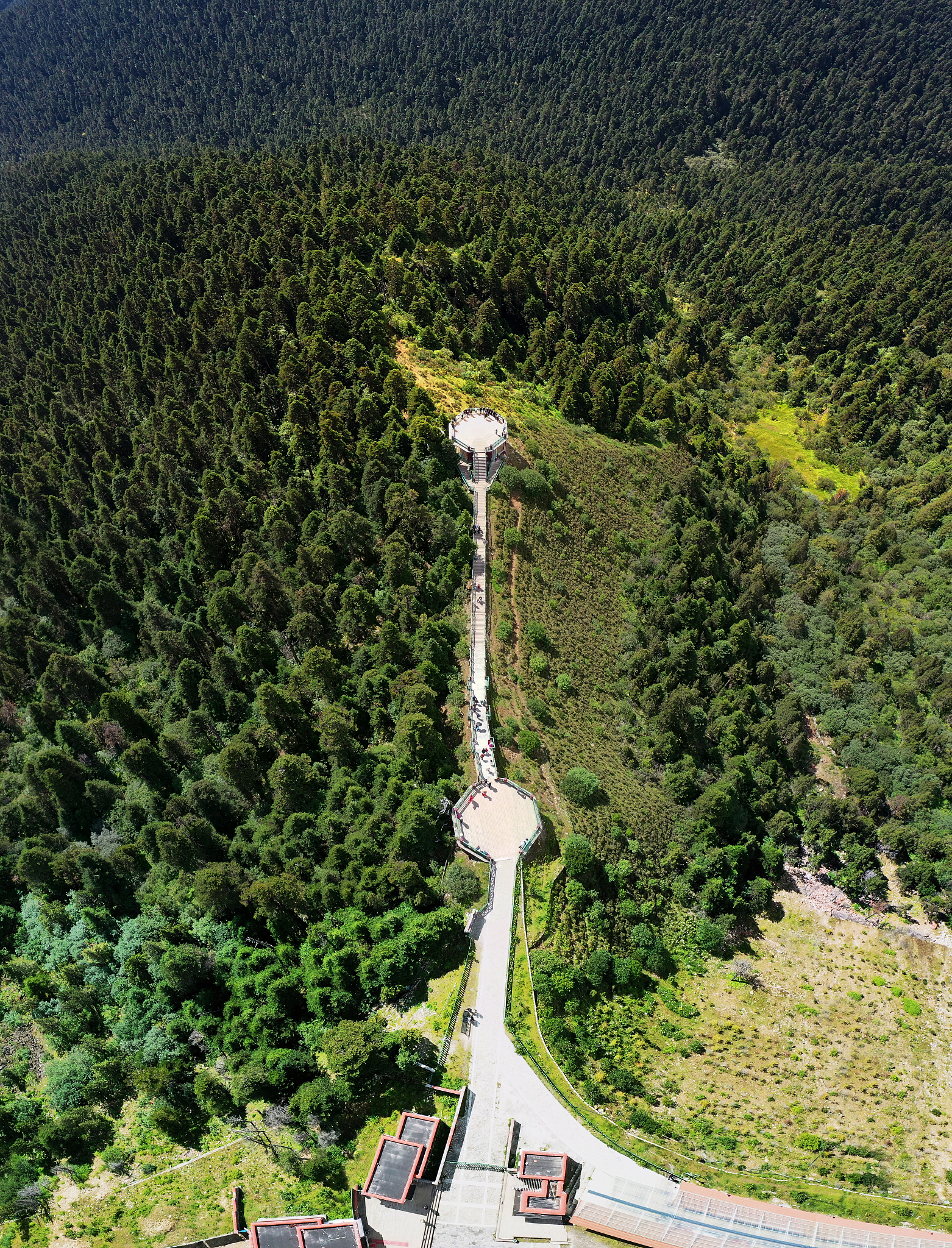
The Sejila Mountain Observation Deck is located in Nyingchi City and is a tourist destination known for its magnificent natural landscape and rich ecological resources. The vegetation types here are diverse, ranging from low-altitude broad-leaved forests to high-altitude coniferous forests, forming an ecological circle with rich biodiversity. In spring, the blooming rhododendrons on the hillsides dye the entire valley pink and purple, attracting many photographers and nature lovers. The observation deck is not only a visual feast, but also a good place to experience the plateau ecology. Visitors can hike here and feel the fresh air and tranquil environment of the plateau. The natural trails along the way provide visitors with the opportunity to explore the mountain ecology while also enjoying a variety of wild animals and plants. The Sejila Mountain Observation Deck is strategically located and conveniently accessible. Visitors can drive to it from the city of Nyingchi, and the picturesque scenery along the way is a pleasure in itself. The observation deck has complete facilities, including parking lots, rest areas and viewing platforms, to ensure that visitors can comfortably enjoy the natural beauty.
-
Qianfo Mountain
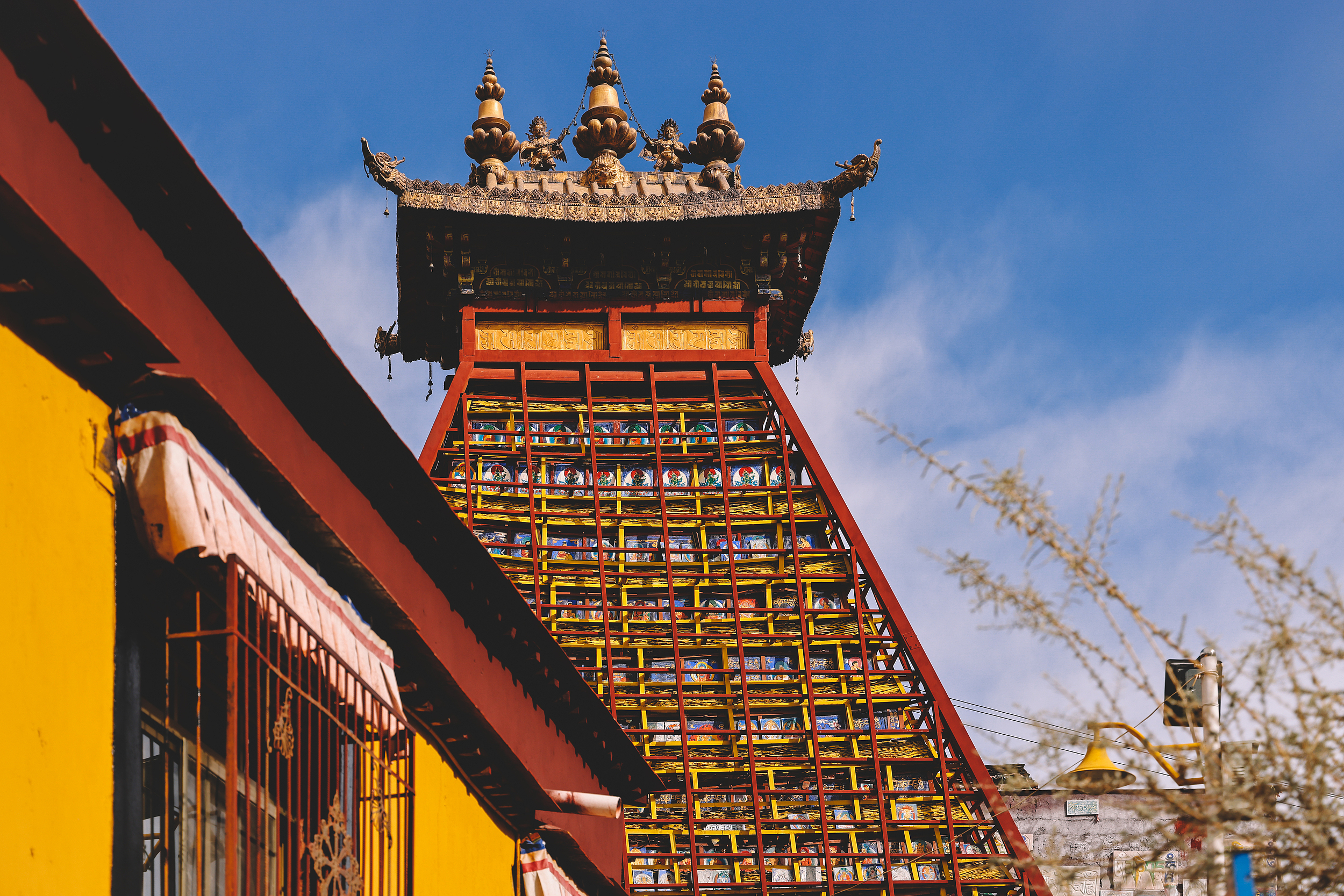
Thousand Buddha Cliff is a famous landscape on Yaowang Mountain. The cliff walls are engraved with thousands of colorful Buddha statues of different sizes. There are many mani piles around the cliff, which are all left by pilgrims.
-
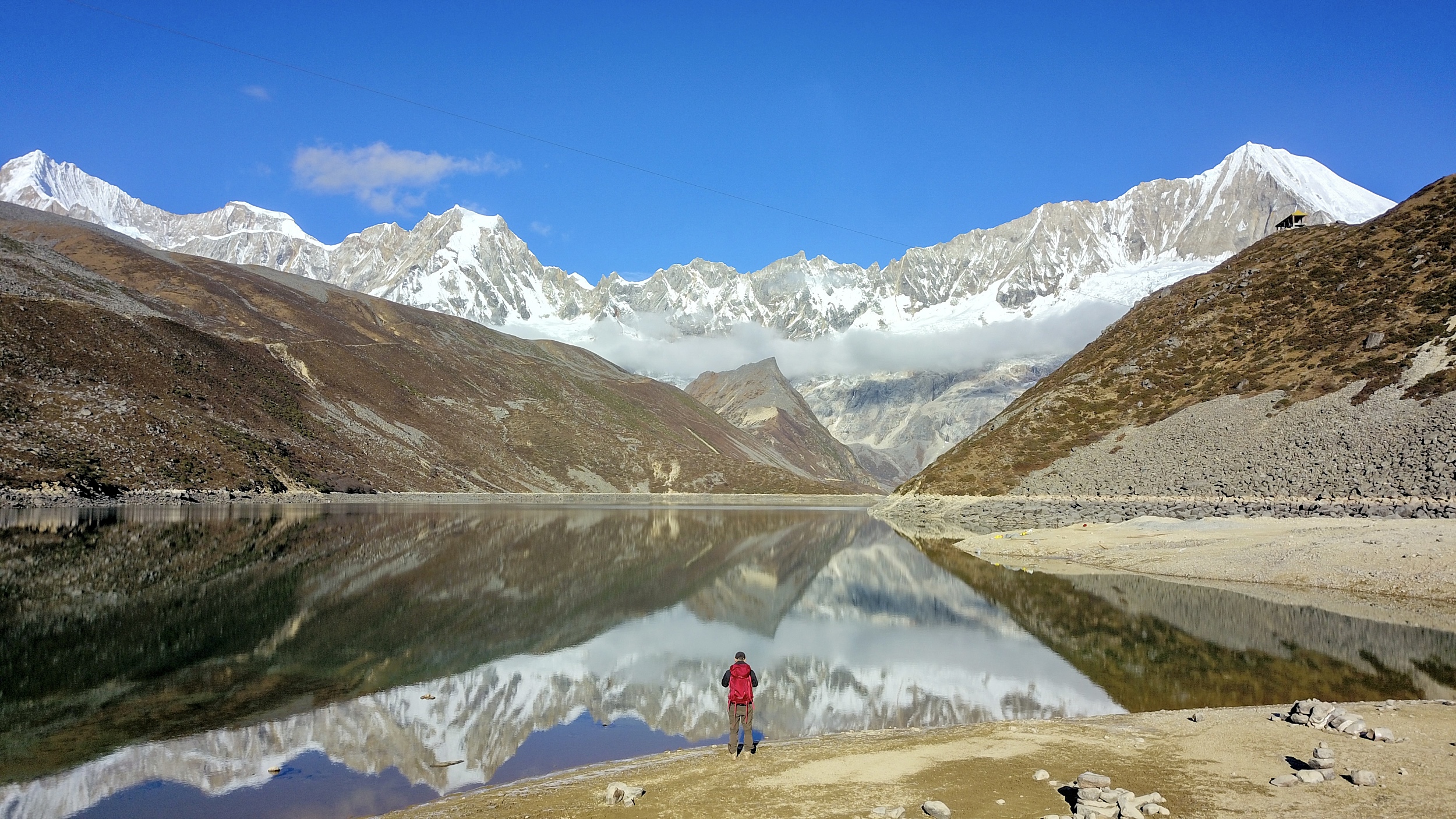
White Horse Lake
The word “White Horse” means “lotus” in Tibetan. According to Tibetan tradition, Lake Pema Lingtso is one of the three lakes where Guru Rinpoche (Padmasambhava) returned to his spirit. It is said that those with the right affinity can see their past and present lives reflected in the lake through a viewing platform beside the lake.
-
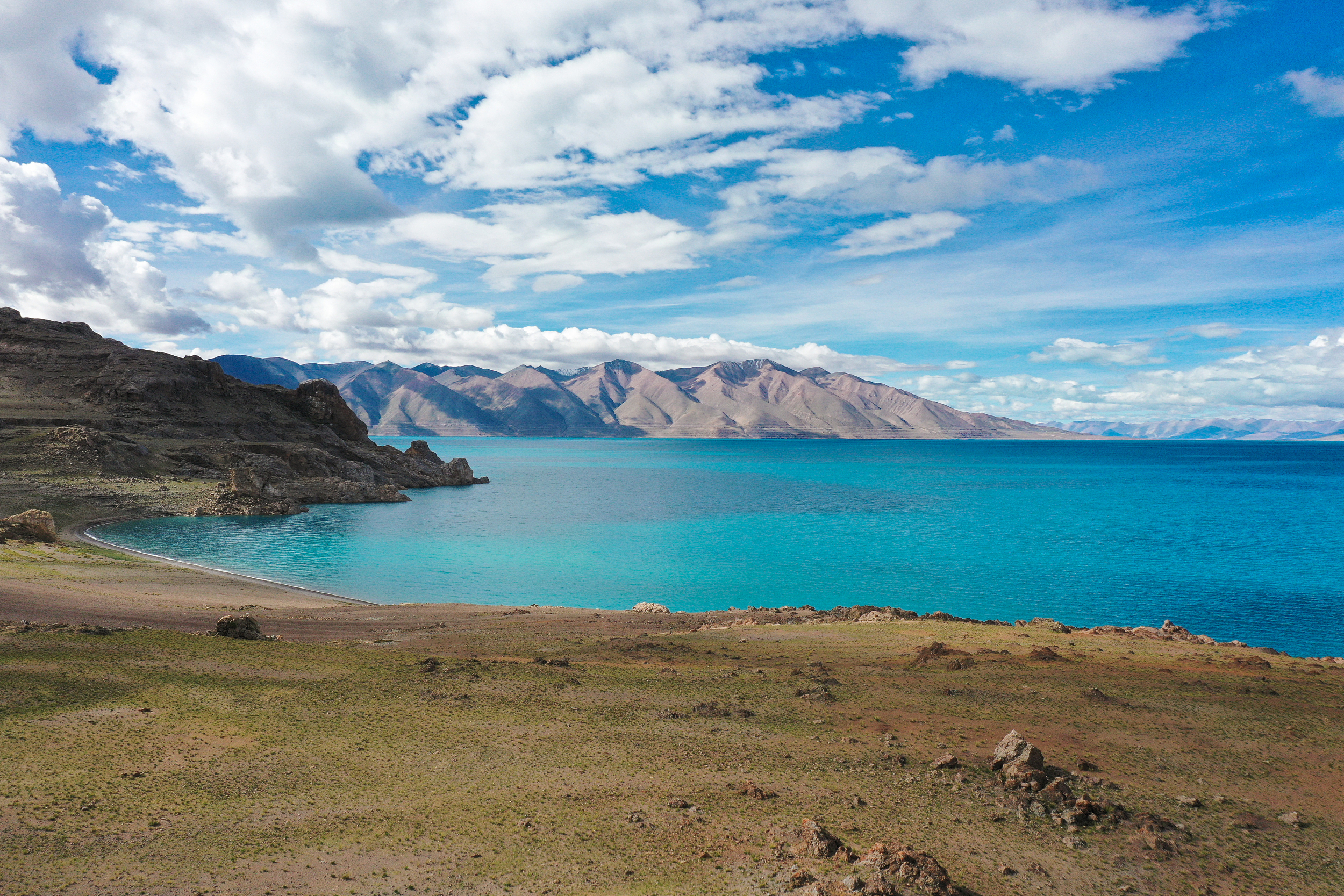
Tangra Yumco
Dangra Yumco Lake, located in Wenbu Village, northern Tibet, next to the ruins of the Zhangzhung Kingdom, sits at an altitude of 4,530 meters. It is one of Tibet’s most famous sacred lakes and a very important holy lake in the Bon religion. The area is sparsely populated, and its crystal-clear waters are breathtakingly beautiful.Dangra Yumco Lake is shaped like a vajra, round at the top, narrow in the middle, and long at the bottom, surrounded by mountains on all sides. The summit of Mount Daguo to the south is perpetually covered in snow. Due to its easily defensible terrain and favorable climate, it was once the site of the Zhangzhung Kingdom’s royal palace. It is one of the areas with the most concentrated Zhangzhung relics in northern Tibet, a key to understanding the mysteries of Zhangzhung culture, and an important site for the study of Bon culture.
-
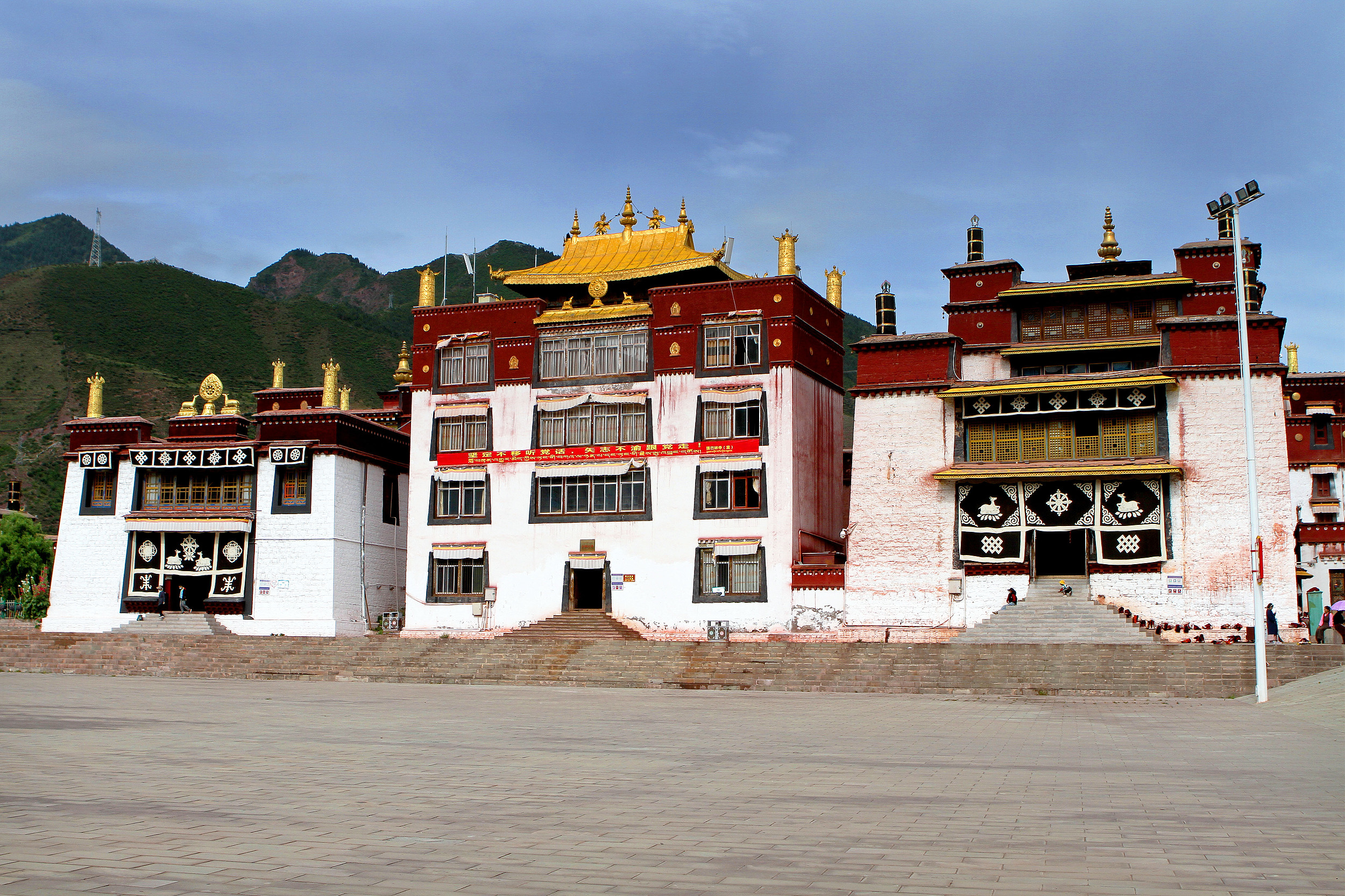
Qiangbalin Temple
Qiangbalin Temple is located on the fourth-level platform in Qamdo Town. The main Buddha in the temple is Qiangba (Daci) Buddha, so the temple is named Qamdo Qiangbalin Temple. The monastery has more than 5,000 monks for a long time, and there are 70 small monasteries around it. It is the largest monastery in Kham. The main buildings of the temple are well preserved. There are hundreds of statues of Buddhas and eminent monks, thousands of square meters of murals and many Thangka paintings in the scripture hall. Legend has it that the Gelugpa master Tsongkhapa, when he was 16 years old, was on his way to study the scriptures, and when he passed by the beautiful place where the two waters meet, he predicted that this would be the place to promote the Dharma. When the temple was built, Xirao Sangbu went to a thousand households to teach sutras for alms, and the thousand households dedicated their pastures as the site of the temple. It is said that the current location of Sangdui Zhacang, one of the five major Zhacangs in the temple, is the place where thousands of households set up yak tents.
-
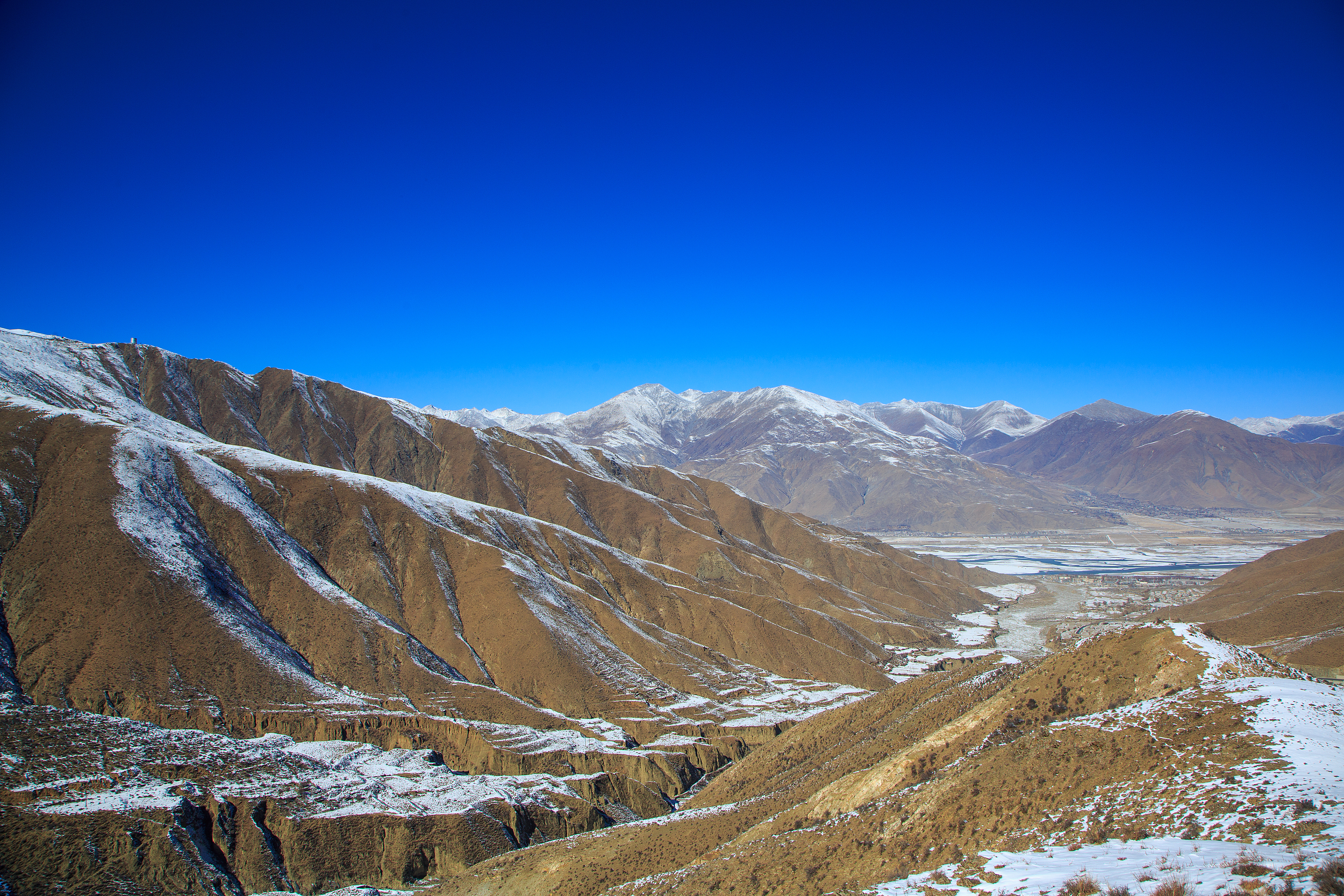
Yajiang River Valley Viewing Platform
The Yajiang River Valley Observation Deck is located on the hillside of Gangbala Mountain in Jiangtang Town, Gonggar County, Shannan City, Tibet, at an altitude of 4,280 meters. It is the only way to Yamdrok Yumtso (Yamdrok Lake). As an important resting point on the winding mountain road from Lhasa to Yanghu Lake, it is famous for its broad vision and magnificent natural scenery. You can overlook the magnificent landforms of the middle reaches of the Yarlung Zangbo River Valley. The Yarlung Zangbo River rushes out of the mountains in this section, forming a winding and deep canyon. The mountains on both sides of the river valley are stacked, and the scenery varies in different seasons.The main body of the observation deck is a 4,280-meter-high stone monument engraved with Tibetan and Chinese. This place is not only a scenic spot for photography enthusiasts, but also a window to experience the Tibetan culture – the local handicraft market and the scene of fluttering prayer flags add cultural atmosphere to the natural landscape. As a microcosm of the integration of nature and humanity in Gonggar area, the Yajiang River Valley Observation Deck has become a classic starting point for exploring the Yarlung Zangbo River, the “Heavenly River” of Tibet, with its pure vision at high altitude and pristine Tibetan customs.
-
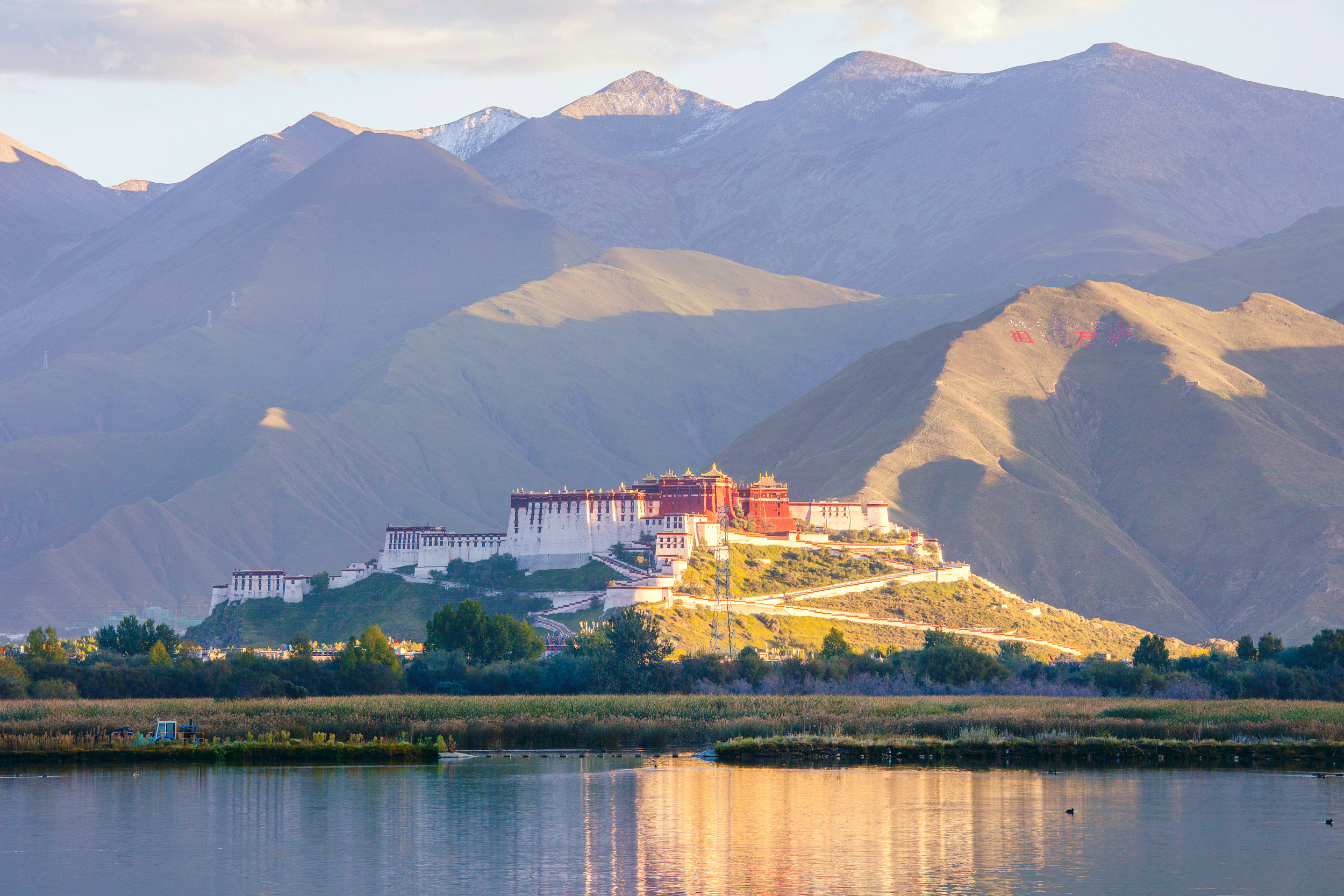
Lalu Wetland Nature Reserve
Lalu Wetland National Nature Reserve is a typical wetland on the Qinghai-Tibet Plateau, belonging to the reed peat bog category. Its humid climate and abundant aquatic plants are rare on the plateau, attracting large numbers of wild birds each year, including ruddy shelducks, mallards, bar-headed geese, brown-headed gulls, hoopoes, larks, and skylarks. A small number of black-necked cranes, a Class I protected animal in China, also frolic here. This urban wetland, one of the highest-altitude and largest in the world, is also a natural inland wetland in my country’s urban areas. Every November, thousands of migratory birds of different species flock to Lalu Wetland to overwinter, making it a habitat and wintering ground for precious and endangered birds such as black-necked cranes, bar-headed geese, ruddy shelducks, egrets, coots, and bearded vultures.
-
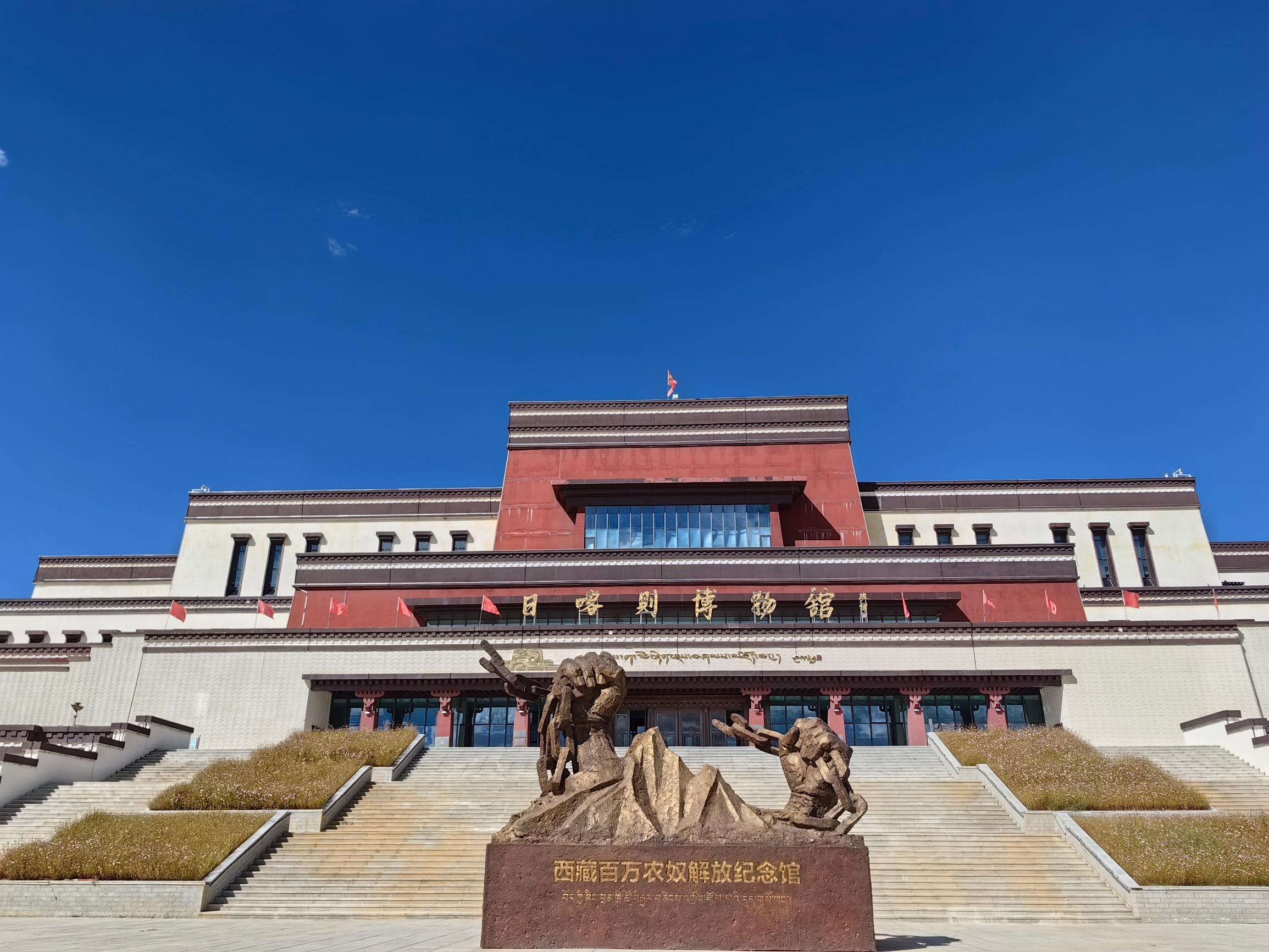
Shigatse Museum
The Shigatse Museum has many collections, including pictures, videos, models and paleontological fossil specimens. Through these exhibits, people can better understand the local natural and cultural history.