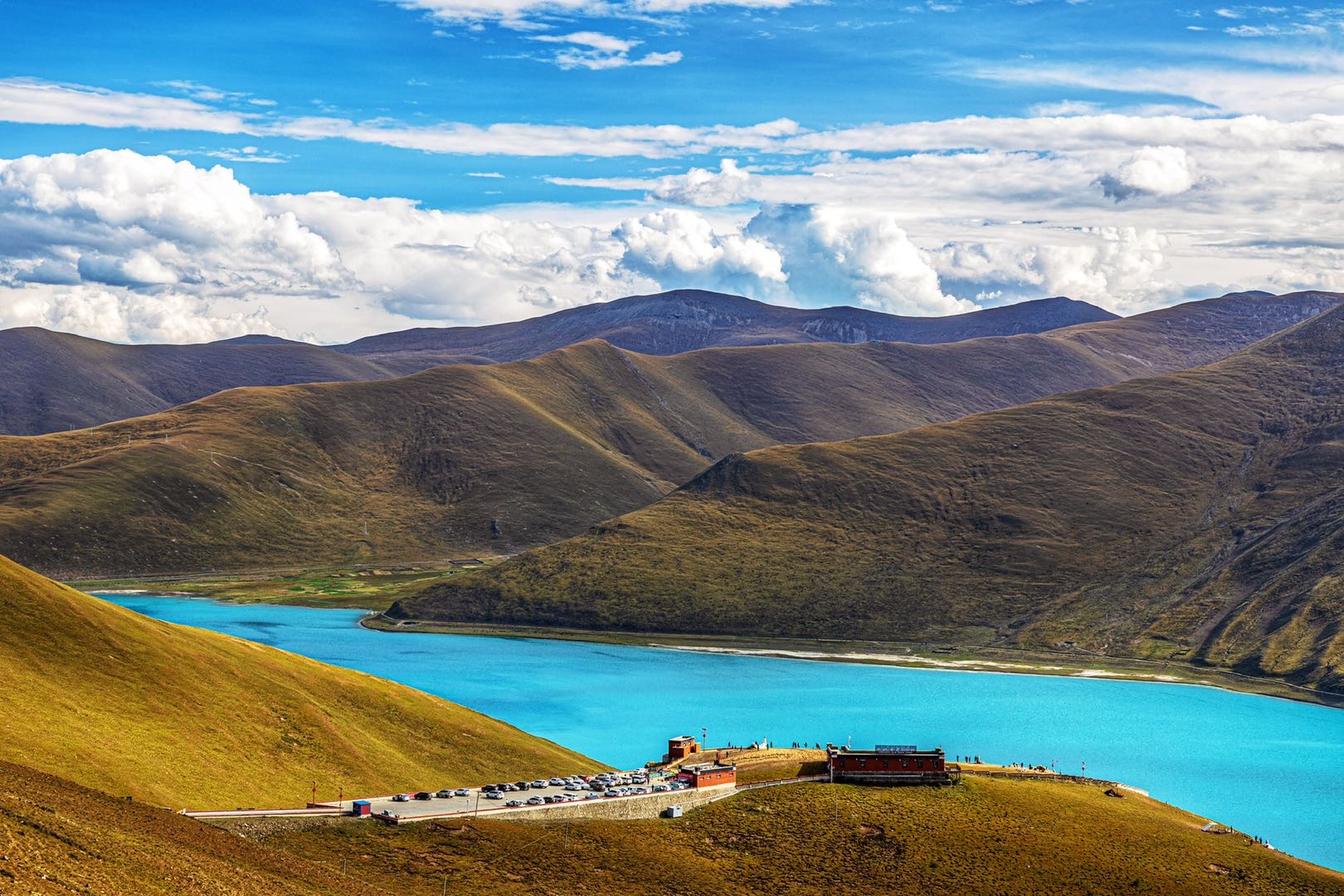
Yamtso Lake is located at the junction of northern Tibet and Xinjiang. The lake area is nearly 100 square kilometers and the altitude is 4788m. It is an inland alkaline lake. The Quaternary sediments at the edge of the lake are extremely energetic, providing a basis for studying the formation and evolution of Yamtso Lake.
归档: Attractions
-
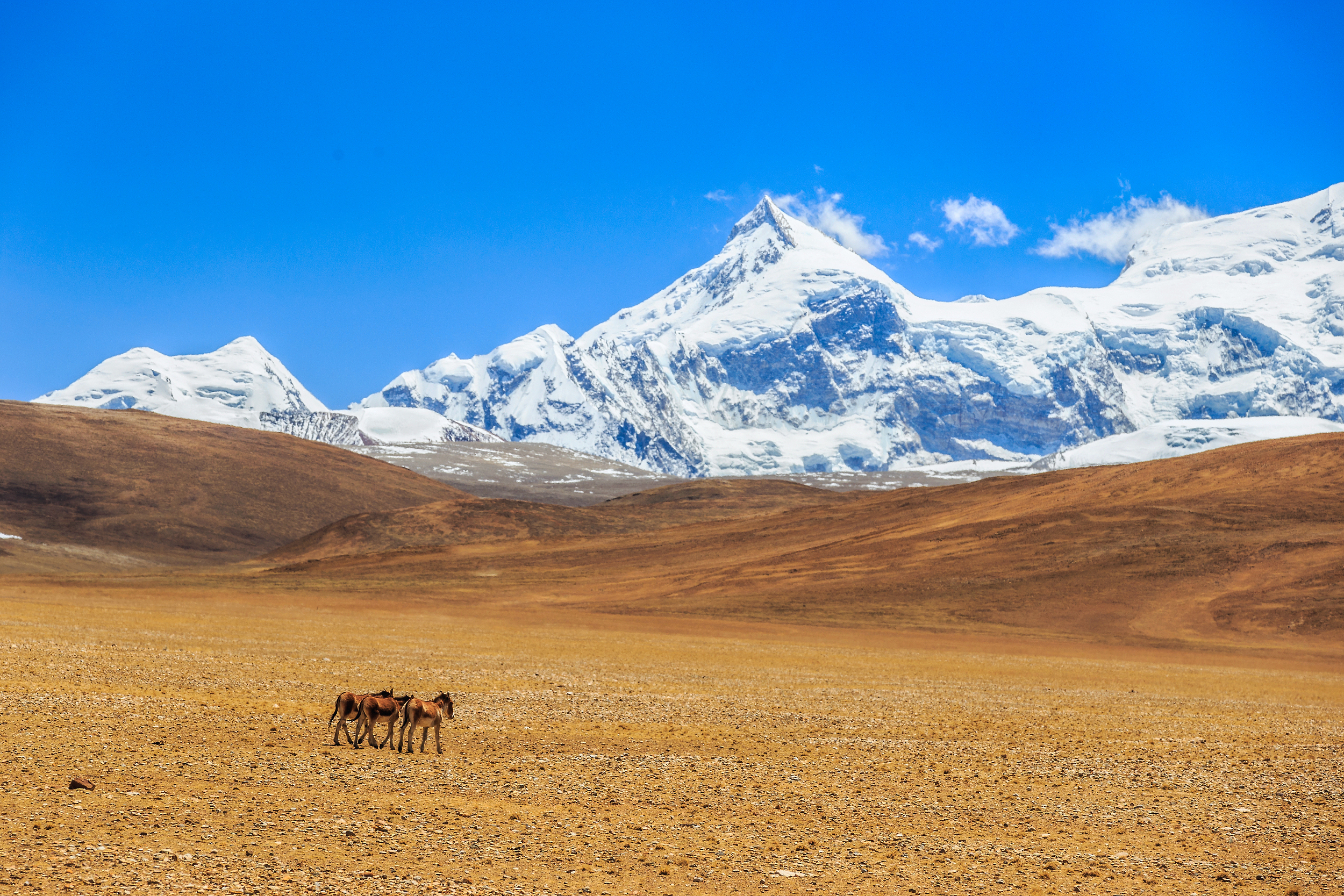
Xixiabangma Peak
Shishapangma is located in the middle of the Himalayas in Nyalam County, Shigatse City, with an altitude of about 8,012 meters. It ranks 14th among 14 8,000-meter peaks in the world. It is an 8,000-meter peak completely within China. The criss-crossing cracks in the ice and snow and the occasional giant ice avalanche create difficulties for climbers. The climatic characteristics of Shishapangma are generally similar to those of Mount Everest, consisting of three sister peaks with similar heights, with two peaks of nearly 8,000 meters respectively about 200 meters and about 400 meters northwest of the main peak. The northern slope faces the Yebo Kangalle Glacier, and the Daqu Glacier is parallel to it. To the east of the north ridge is the Geya Glacier, and the southern slope has the Fuqu Glacier, the end of which descends to the 4,550-meter shrub forest belt. What is fascinating is the ice tower area between 5000-5800 meters above sea level, which is several kilometers long and has a strange landscape shape, just like a living “ice crystal garden”.
-
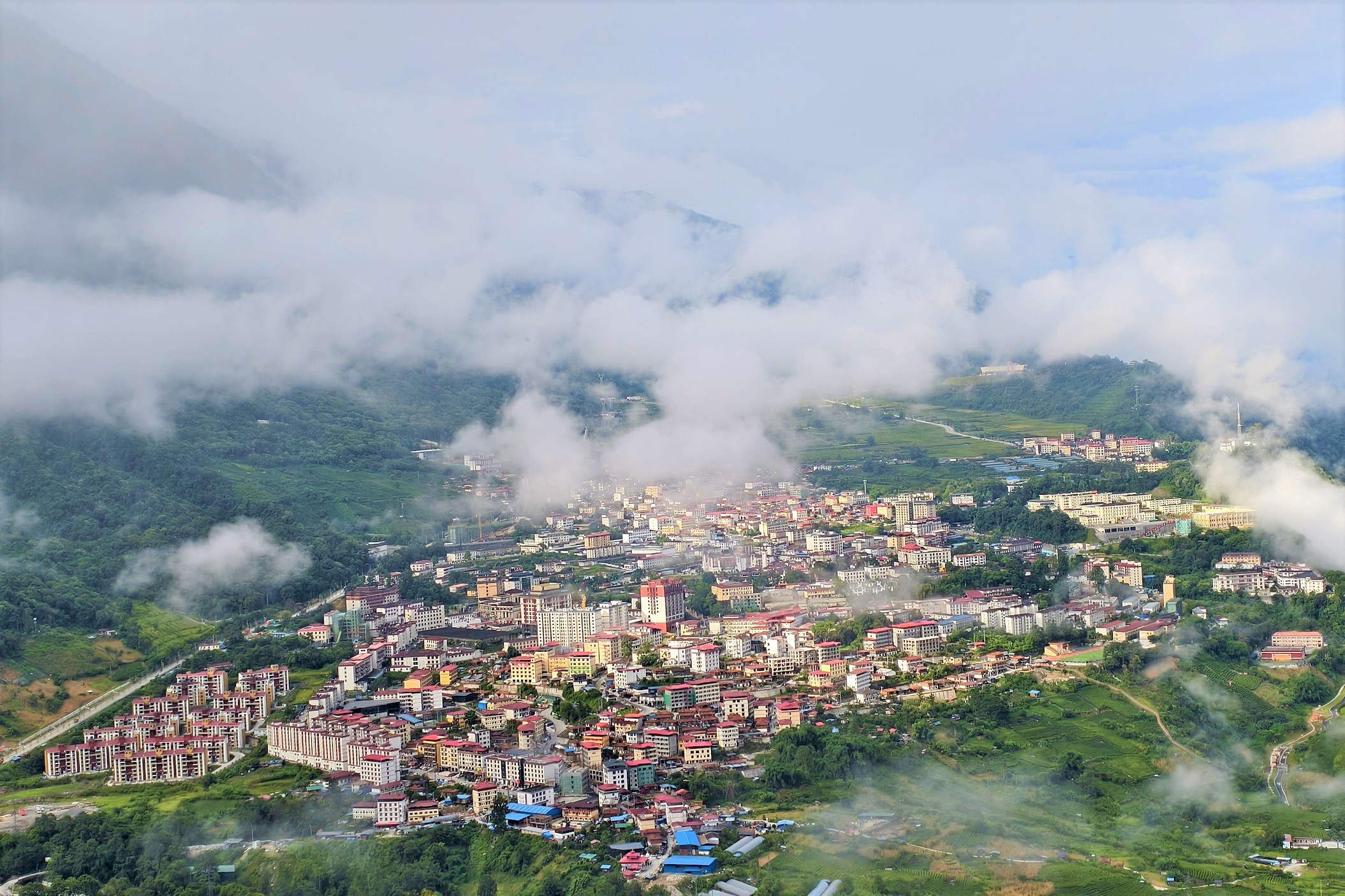
Medog County Mirage Observation Deck
The Mirage Observation Deck is a location for viewing the panoramic view of Medog County, Nyingchi City, Tibet. It is less than three kilometers away from the county seat and is a must-visit spot for tourists. Due to the huge water vapor transport effect of the Yarlung Zangbo Grand Canyon, warm and humid air currents from the Indian Ocean converge in Medog, forming a huge sea of clouds. This spectacle can be seen from the Mirage Observation Deck. With the morning sun, the sea of clouds slowly dissipated, and this “shy” border town gradually revealed its true face. The well-arranged buildings and lush farmland came into view. Accompanied by the roaring sound of the waterfall on the south side and the sound of the Yarlung Zangbo River rushing in the north, the whole city is integrated with nature, like a fairyland on earth, leaving a deep impression on the tourists who came to view the scenery.
-
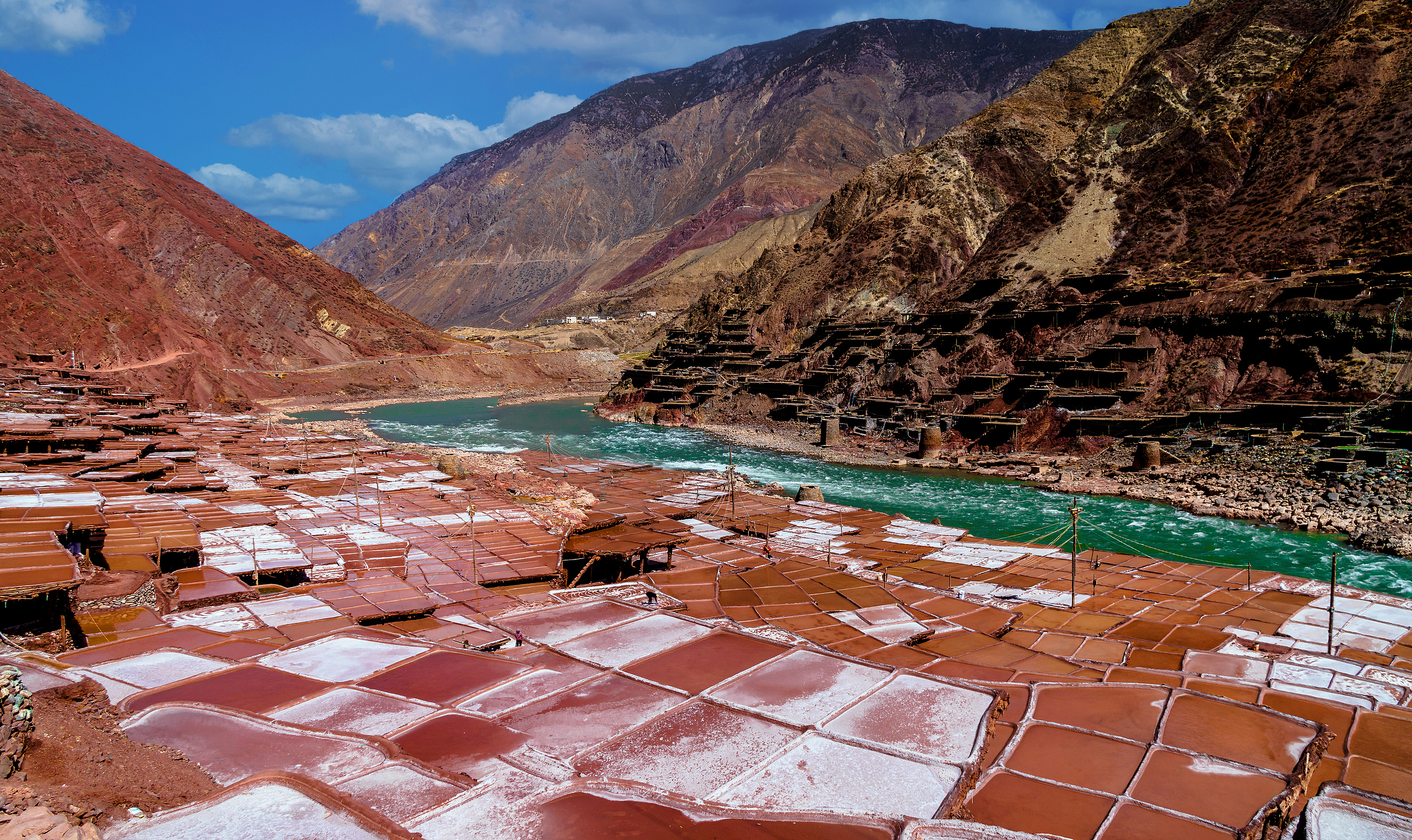
Xizang Yanjing Millennium Ancient Salt Field
The ancient salt fields have a long history, dating back more than 1,300 years. There are more than 3,200 salt fields built on the beaches and steep cliffs on the east and west banks of the Lancang River, with an annual salt production of millions of kilograms. Here you can watch the whole process of handmade salt making, as well as the unique and primitive production tools, hardworking and simple salt farmers and simple folk customs. The China Tea Horse Road Tibet Salt Well History and Culture Exhibition Hall is an earlier exhibition hall on the history of the Ancient Tea Horse Road in China; the Quzika Hot Spring Group has a total of 108 hot springs, known as “Hundred Springs Reflecting the Moon”, with water temperatures ranging from 25 degrees to 80 degrees, containing more than 20 kinds of minerals, which is the best among hot springs and a natural sanatorium.
-
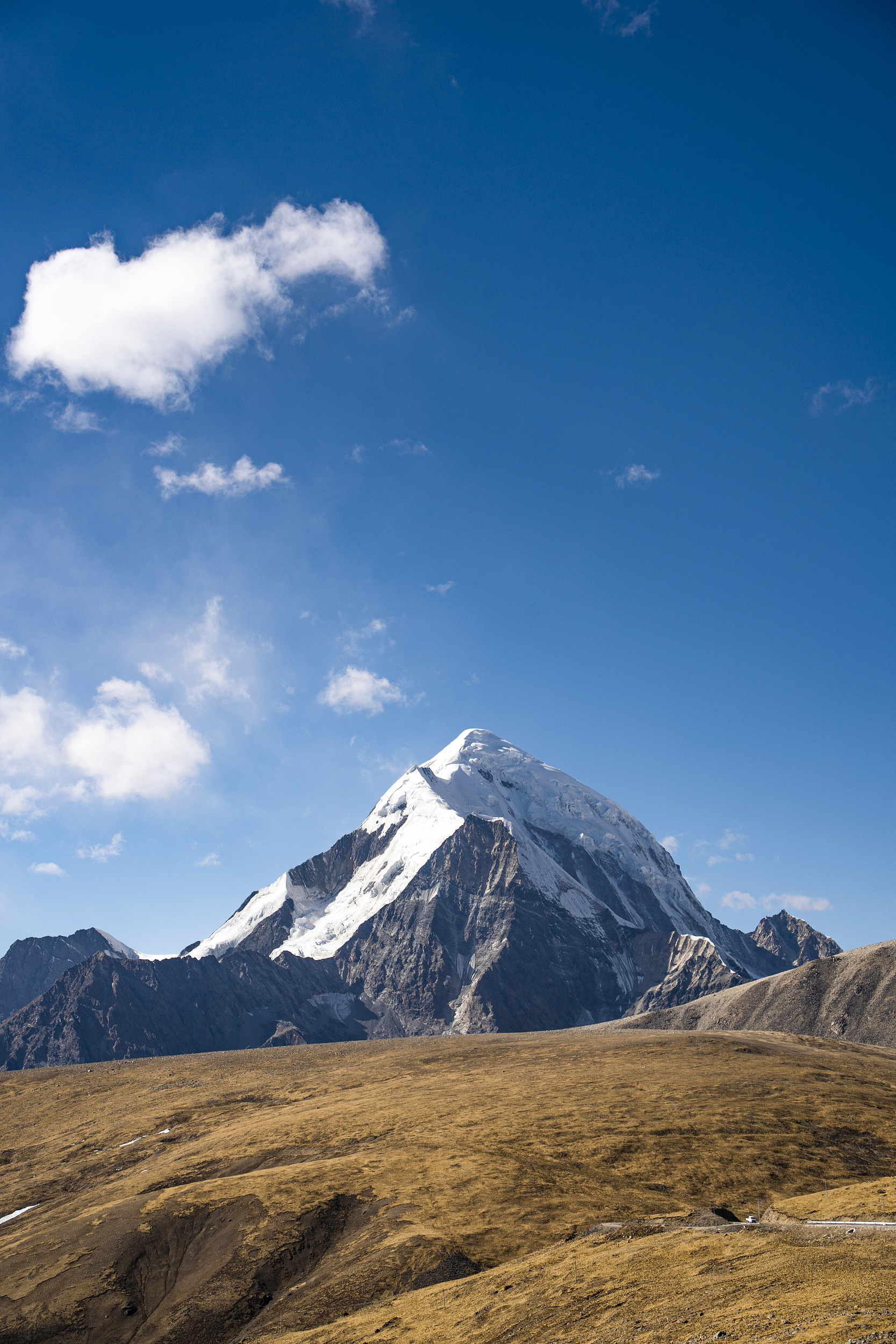
Learned Fairy Peak
Qiongmugangri means the learned fairy in Tibetan. It is located in Nyingchi County, close to the Xinjiang-Tibet Highway, and has convenient transportation.Qiongmugangri Peak, with an altitude of 7,048 meters, is located in the southern end of the Nyainqentanglha Mountains. It is a high peak with a majestic mountain body and a well-developed glacier. The mountain basically has a semi-arid climate, with 80% to 90% of the annual precipitation concentrated from May to September. In particular, August is a month with heavy precipitation and complex weather. Showers, hail, lightning, thunderstorms and other weather phenomena often occur in a day.
-
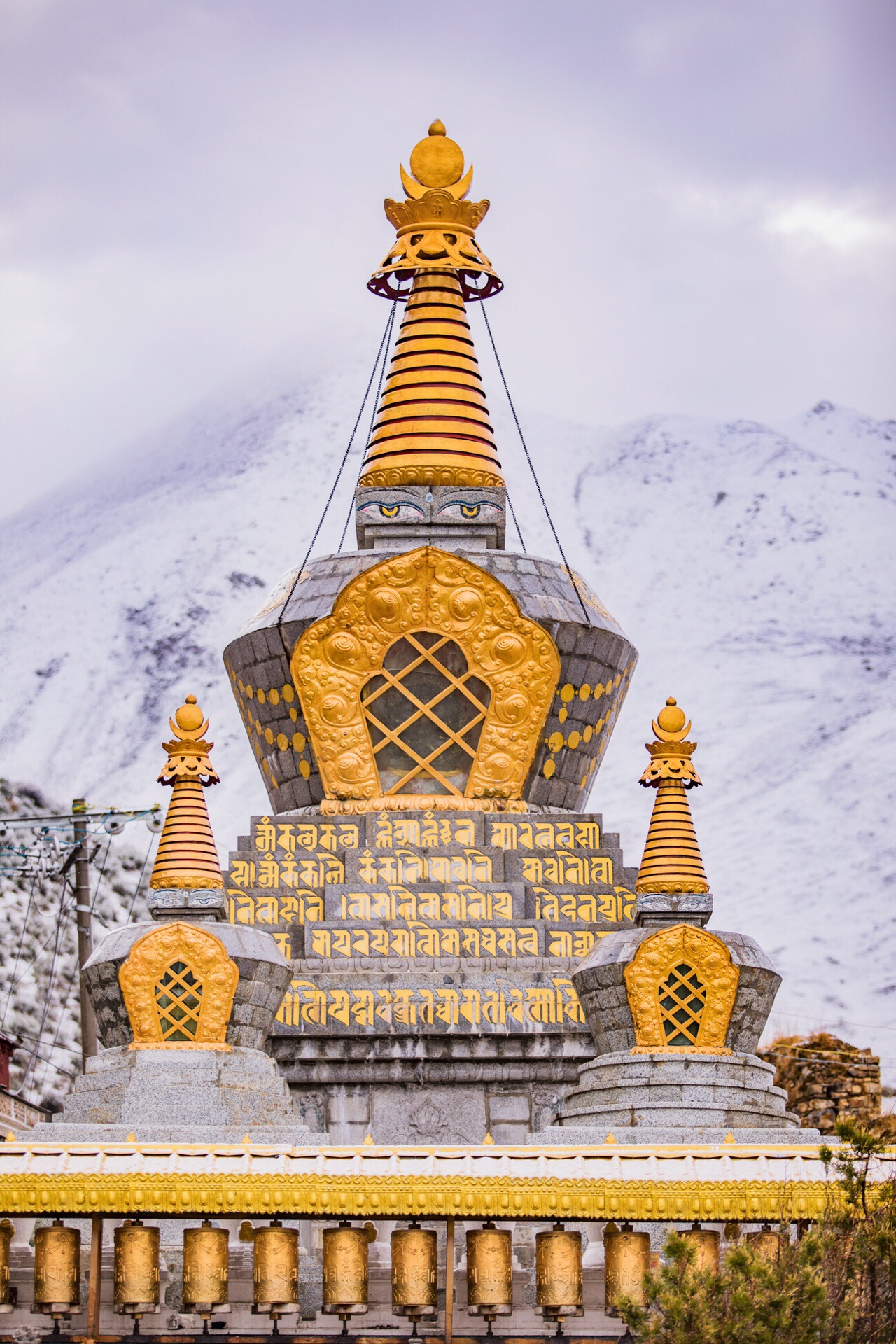
Zhayeba Temple
Zhayeba Monastery is a Nyingma (Red Sect) monastery and one of the four major monasteries. It was built in the 7th century AD and has a history of 1500 years. It is one of the practice temples built by Songtsan Gampo of the Tubo Zanpu for his beloved concubine Mansa Chizun Princess. One of its major features is the combination of Dongli Temple and Dong Temple. Different from the surrounding mountain peaks with only a shallow layer of turf, Zayeba is full of natural aura. The pines and cypresses on the mountain are tall and straight, dense and green, and the clear springs and streams are flowing under the mountain. In spring and summer, the mountains are full of flowers, and the birds are singing in unison. The temple of Zayeba is hidden in the cliff, and it is not a scene. There are more than ten existing caves. Among them, Songtsan Gampo Xiufa Cave was built earlier and is located on a cliff in the middle of the mountain. The original cave contains Buddhist shrines, ancient murals and statues of Songtsan Gampo, but the Buddha statues are now destroyed. Temples were built around the cave, and after many repairs and expansions, a famous temple was formed. In the middle of the 8th century, Zanpu Chisong Dezan advocated the promotion of Buddhism, and invited people from India to promote Buddhism. Not far from the Xiufa Cave, there was a bell room with a bronze bell hanging inside. Judging from the gesture, it should be a cultural relic of the Tubo period. The clock is missing today. In the 11th century, the ancient Indian monk Atisha once wrote books and lectures here, and here is his former residence and practice cave.
-
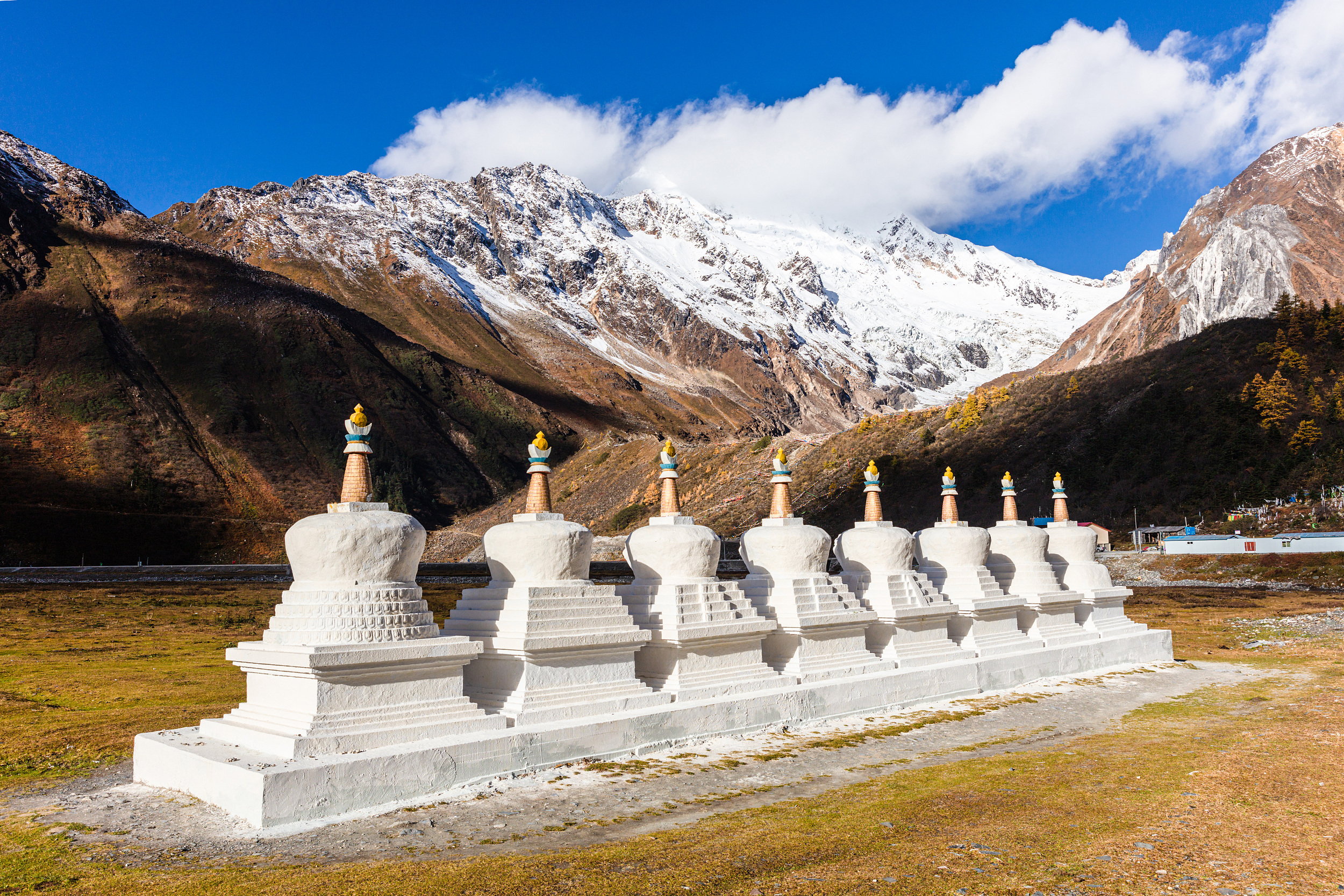
Gawalong Scenic Area
Located in Bomi County, China, Gawalung Scenic Area is a tourist destination famous for its magnificent natural scenery and rich cultural heritage. Nestled in the embrace of the Himalayas, Gawalung Scenic Area attracts many tourists and nature lovers with its towering snow-capped mountains, vast grasslands and clear lakes. Known as a “paradise on earth”, it has spectacular snow-capped mountains and glaciers, alpine landscapes with strange peaks and colors, and the world’s highest Tianchi – Gawalung Tianchi, which consists of three blue pools of different colors, showing fantastic colors such as tea green, wine yellow, and milky white under the sunlight. In addition to natural landscapes, Gawalung Scenic Area also has rich cultural elements. This is one of the important birthplaces of Tibetan culture. Visitors can visit local temples and villages and experience the traditional lifestyle and religious customs of the Tibetans. Gawalung Scenic Area is not only a display of natural wonders, but also a platform for cultural exchange. Whether it is exploring the beauty of nature or experiencing the charm of culture, Gawalung Scenic Area provides tourists with an unforgettable journey and is a tourist destination that cannot be missed in Bomi.
-
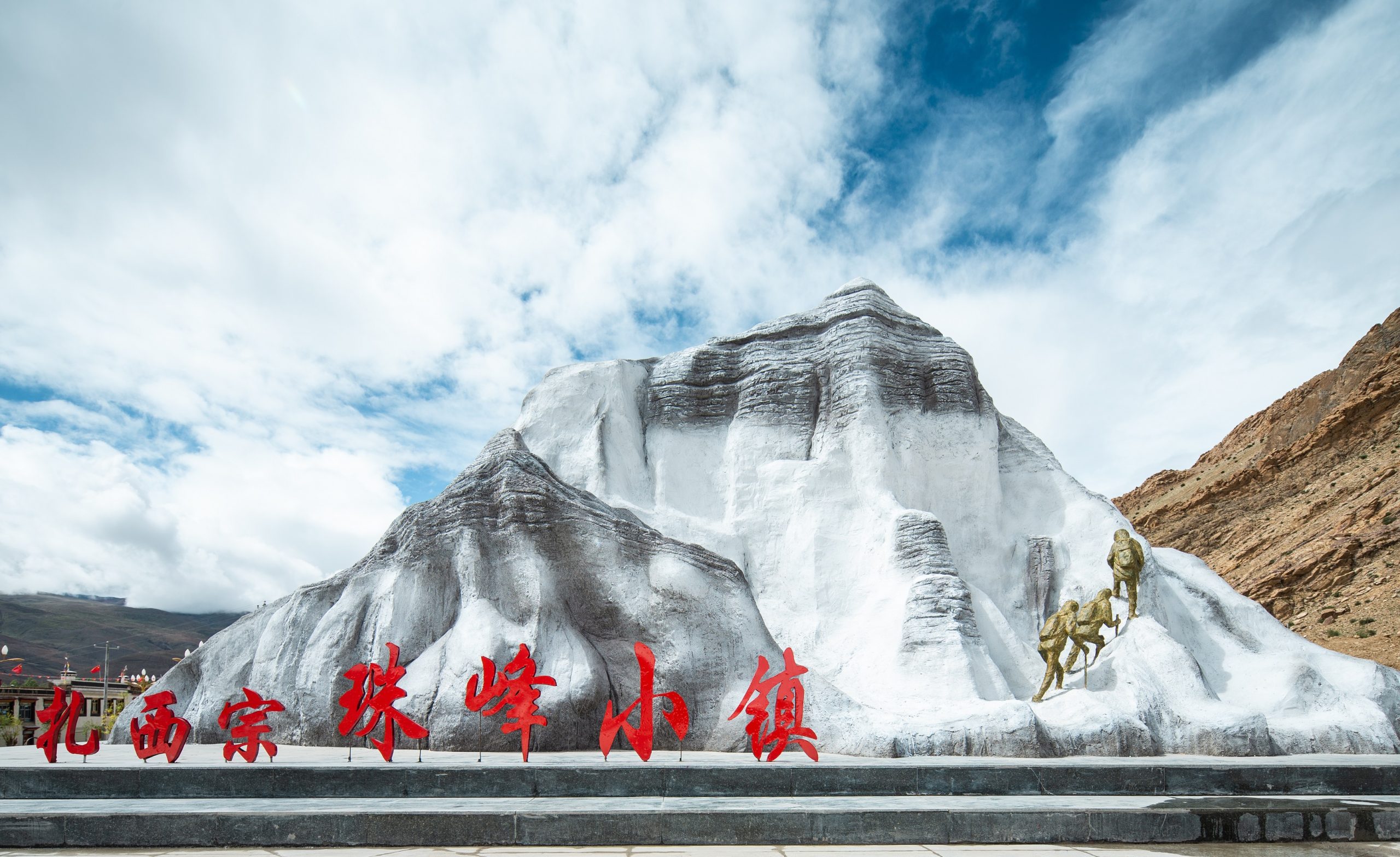
Mount Everest Town
Mount Everest Town is located at the foot of Mount Everest, about 49 kilometers away from Mount Everest, with an average altitude of 4,200 meters. It is the only way to Mount Everest, Mount Lhotse and the eastern slope of Mount Everest, one of the “Top Ten Scenic Spots in the World” – Gamagou and other tourist Attraction. Every year, many tourists for sightseeing, mountaineering and scientific research pass through. It has a unique geographical location and outstanding resource advantages. With the assistance of Shanghai’s Tibet Aid, Mount Everest Town has built supporting infrastructure such as Mount Everest Square, RV campsites, health centers, oxygen production stations, and domestic waste classification collection and transfer treatment centers. It has also introduced well-known brand hotels and built a “Mountaineer’s Home” to provide a communication and experience place for climbers and tourists going to Mount Everest, becoming another “Internet celebrity check-in place” for Mount Everest tourism.
-
Qiangtang National Nature Reserve
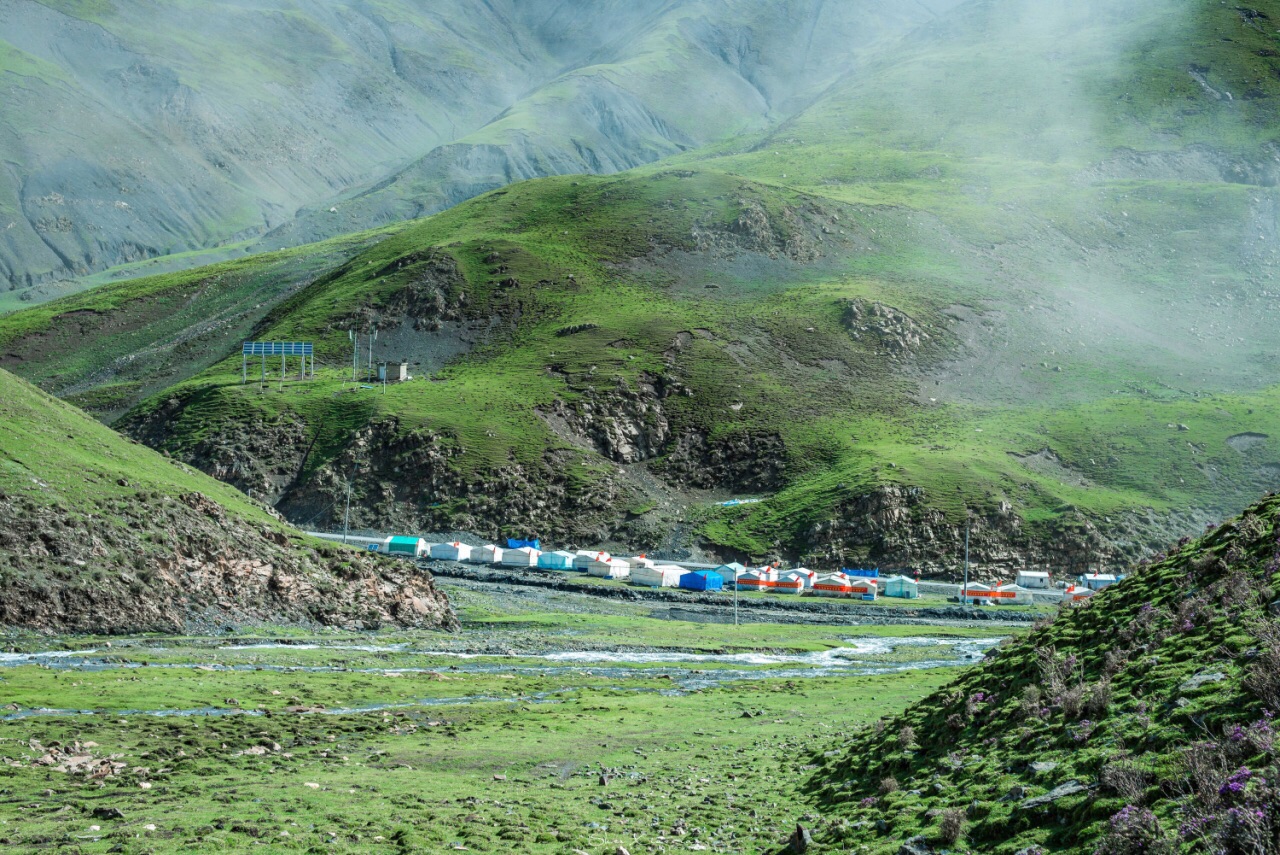
Qiangtang, one of China’s five major pastures, is located between the Kunlun Mountains, Tanggula Mountains, and Gangdise Mountains, covering approximately two-thirds of the Tibet Autonomous Region, with an average altitude of over 4,500 meters. It is not only a paradise for wild flora and fauna but also a rich cultural heritage site.Herdsmen have created a dreamlike and vibrant nomadic culture here. Tents are a major feature. Besides the ancient yak tents, there are also nylon tents in red, blue, yellow, green, and white, a colorful array of shapes and styles, many adorned with vibrant prayer flags.
-
Renqinbeng Temple
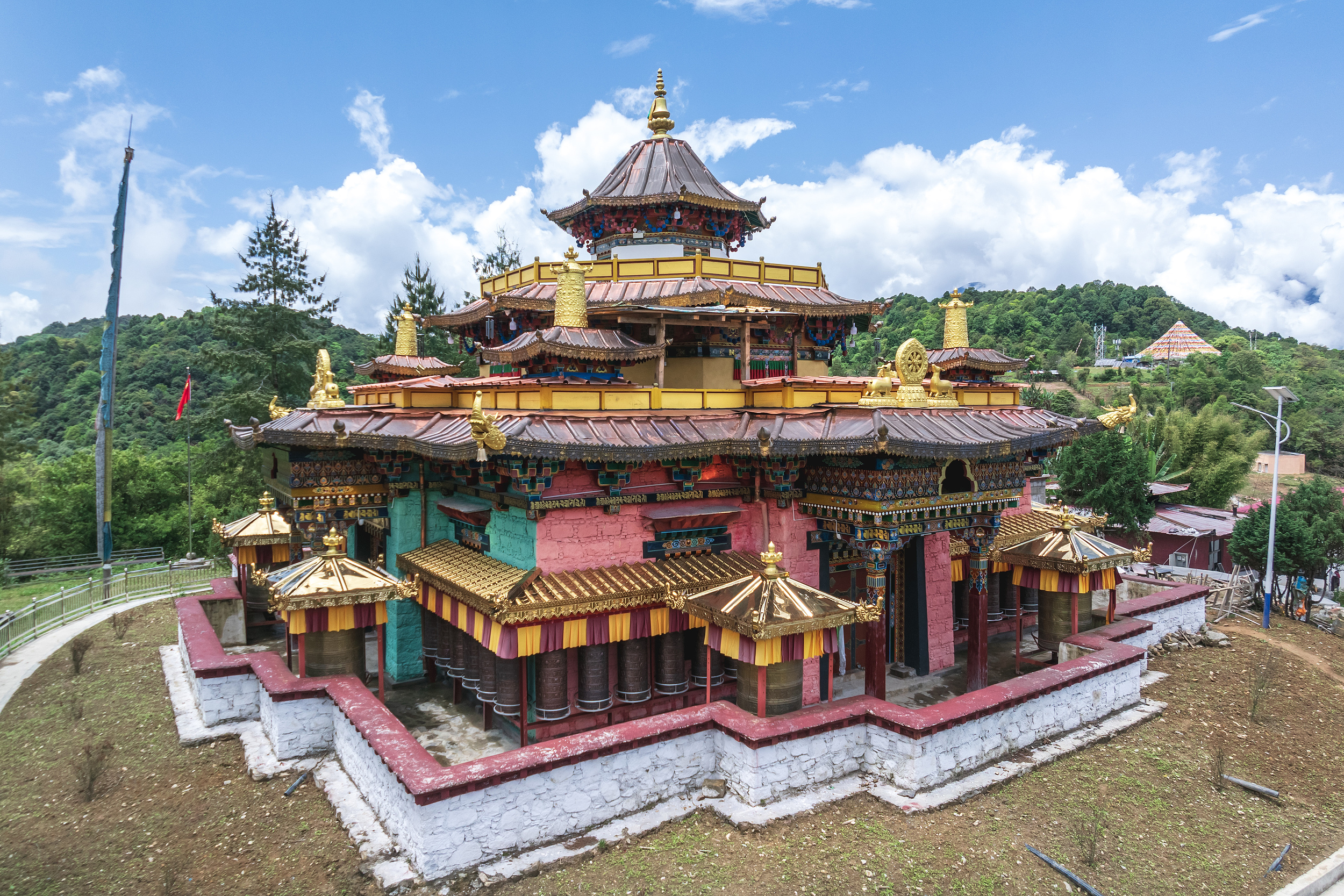
Rinchenbeng Monastery is the largest monastery in Medog. It is said to have been built by Ganbu, the Buddha of Ganbu Monastery. It was originally a three-story stone and wood structure with 12 walls and four doors in the east, west, south and north. There were many gold-plated bronze Buddha statues inside. It was destroyed in 1950 and later rebuilt into a building with two doors in the east and west.