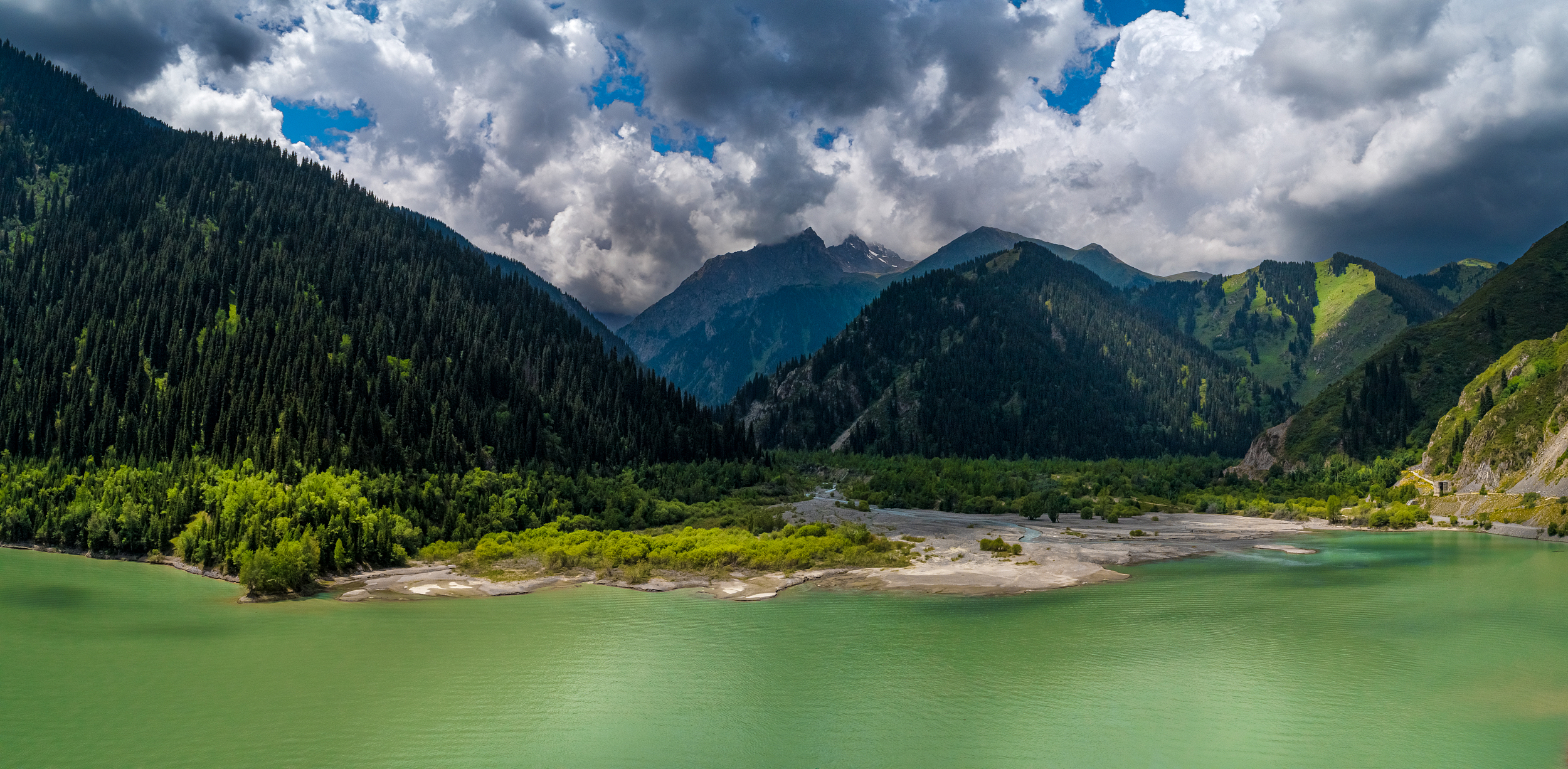
Guxiang Lake is located next to the famous town of Guxiang on the Sichuan-Tibet line. It is a dammed lake on the Palong Zangbo River. The lake is not big, but it is surrounded by trees, and there are pavilions and pavilions on the lake. When it is sunny, the lake is blue and the environment is very good. The peaks on both sides of the lake are often covered with snow, and the photos of the lake under the snow-capped mountains are also very beautiful.
归档: Attractions
-
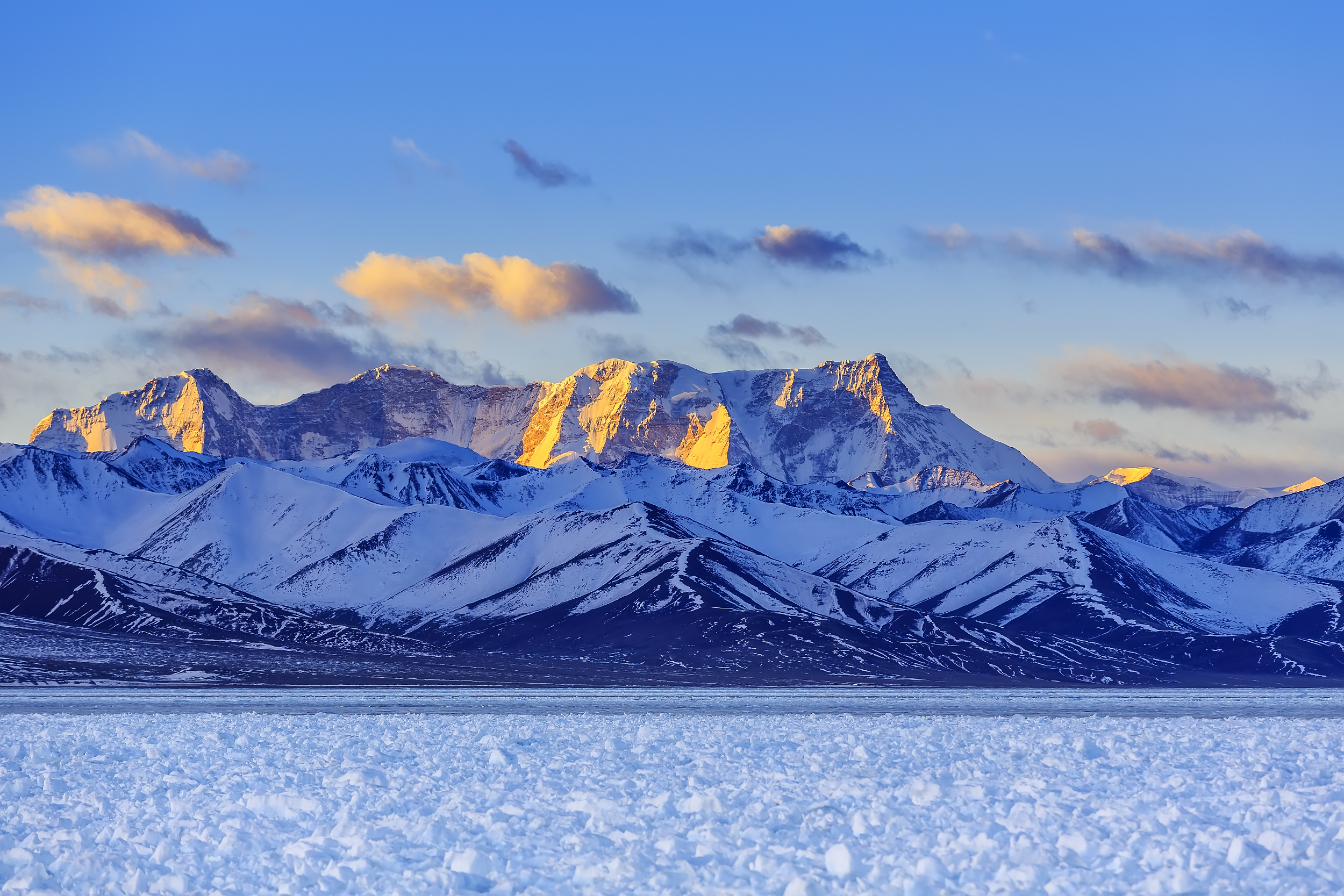
Nyainqentanglha Mountains
The Nyainqentanglha Mountains in Dangxiong are also known as Nyainqentanglha Peak, with an altitude of more than 7,000 meters. Many mountaineering teams have climbed this mountain. Nyainqentanglha Peak is adjacent to Namtso Lake and the scenery is beautiful.
-
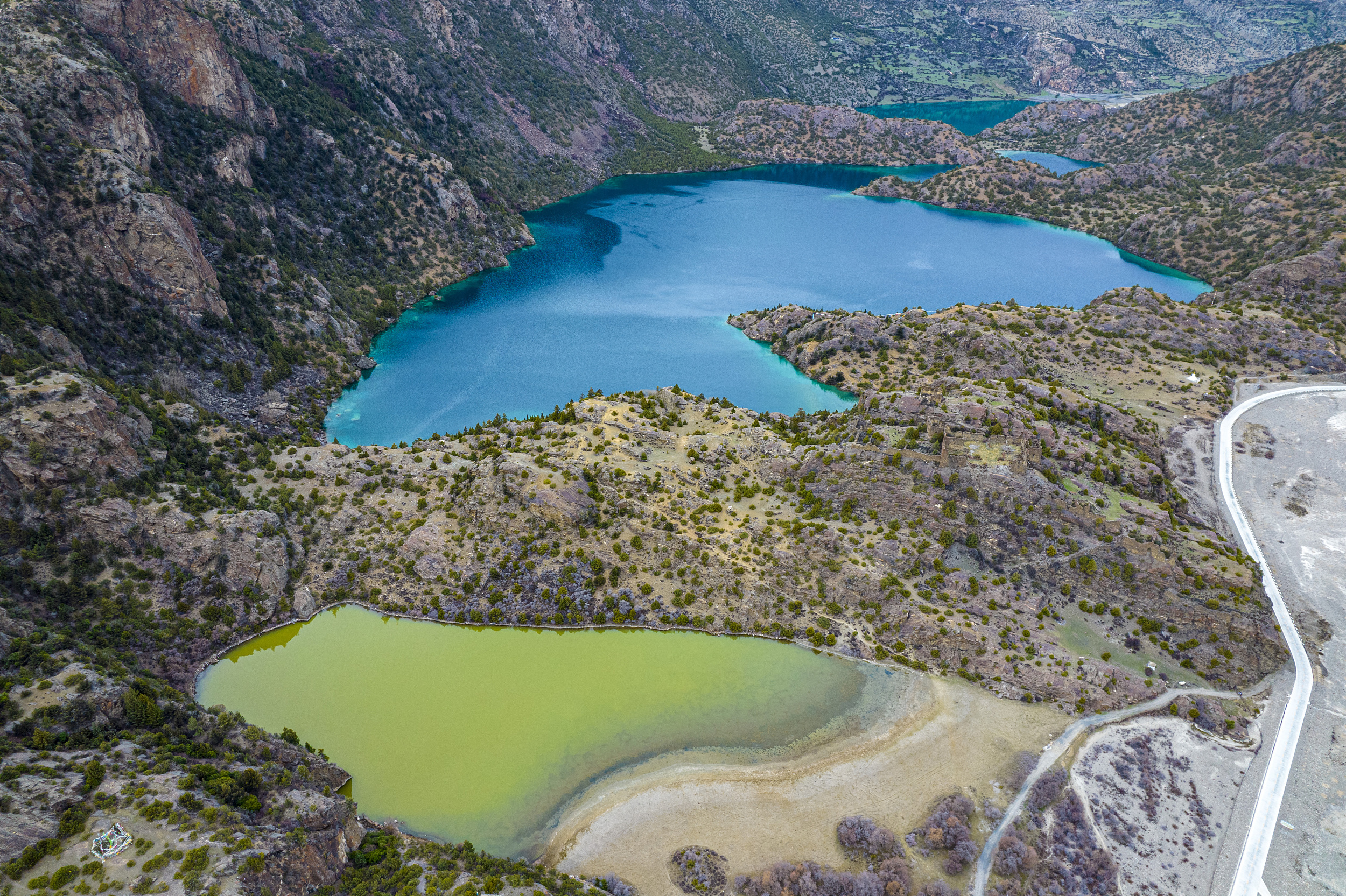
Three Color Lake
“Three-Color Lakes” consist of Black Lake, White Lake, and Yellow Lake, each displaying different colors under sunlight. The lakes are arranged in an irregular “Pin” character shape, separated by low mountain platforms, and formed by years of accumulated ice and snow in the low-lying valleys.
-
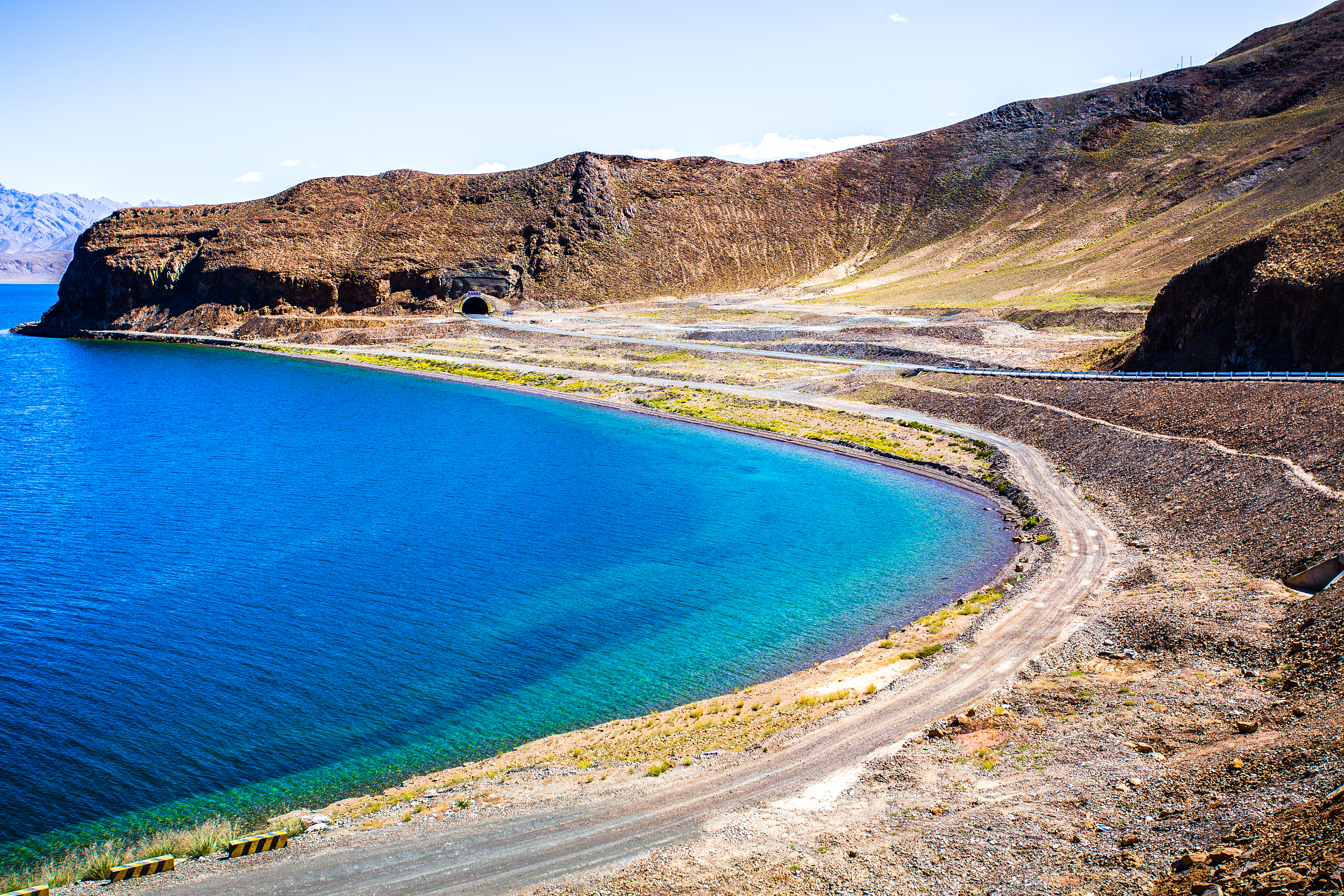
Pangong Lake
Pangong Lake, also known as Tsom Ngaung La Rinpo, is vast and beautiful. It contains more than a dozen islands, home to numerous bird species, including bar-headed geese, brown-headed gulls, gulls, crested ducks, and ruddy shelducks. The lake is also home to numerous aquatic plants, including schizothorax and naked schizothorax.
-
La’nga Co
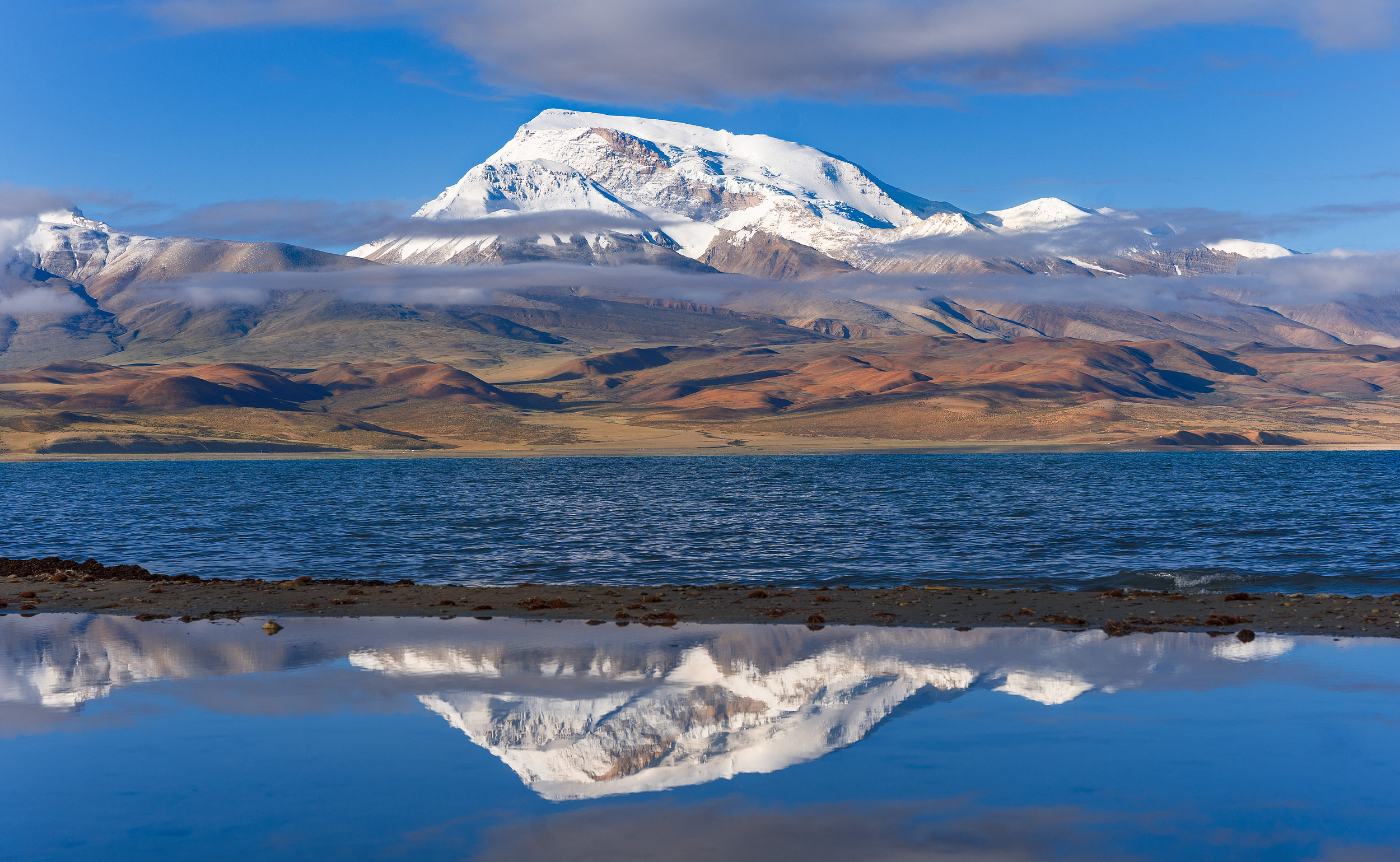
Laon Tso is juxtaposed with Manasarovar and is known as the “Ghost Lake”. But its fame cannot be compared with the “holy lake” Manasarovar. The area of Laon Co is small, slightly lower than that of Manasarovar. In 1906, after measuring the water depth of Manasarovar, Swedish geographers tried to measure the depth of Laon Co, but only to measure the northern end of the lake to no avail. Its depth is still a mystery. Due to the climate change over the years, the water of Laangcuo Lake can no longer flow out and is closed into an inland lake. In the past 100 years, the amount of water supplied from Manasarovar through the Anja waterway has been intermittent, and the accumulated water area is much smaller than that of Manasarovar. The process of increasing chemical degree, but it is still a magnificent lake. There is still a river between the ghost lake and the holy lake. There is a small island in the ghost lake. It is said that there is a small temple on the island. Every winter, the lake is frozen and frozen, and the lama in the temple has contact with the outside world. Like the holy lake, the ghost lake is a paradise for birds.
-
Jiangzi Zongshan Castle
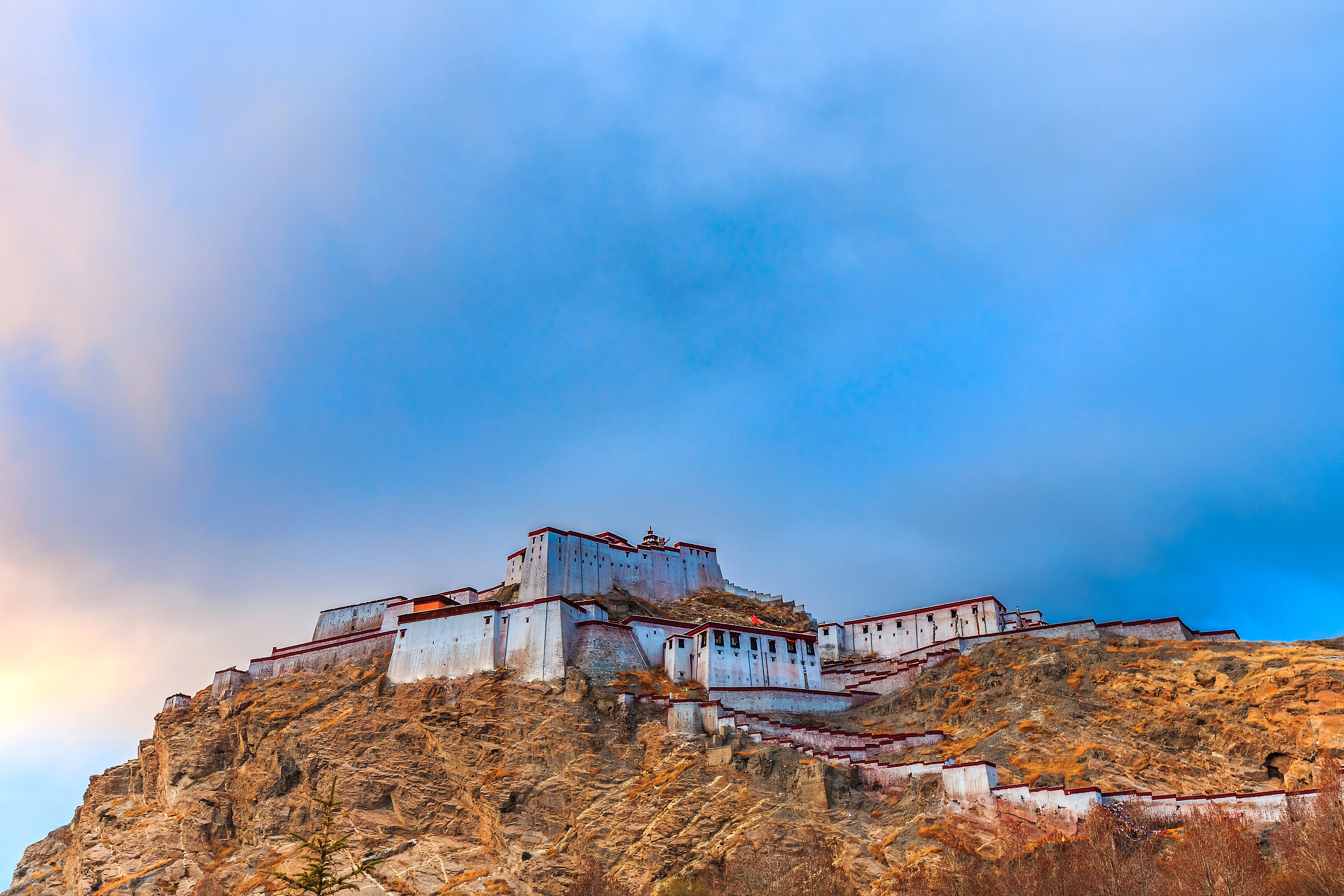
The Zongshan Anti-British Site is located in Gyangze County, China. It is an ancient castle site with important historical significance. Gyangze Zongshan Ancient Castle is not only an important cultural heritage, but also one of the important symbols of the Chinese nation’s resistance to foreign invasion. Gyangze Zongshan Ancient Castle is located on a small hill in the center of Gyangze County, about 4,000 meters above sea level. The history of the castle can be traced back to the 14th century. It was a military fortress at that time and had an important strategic position. The fortress was built on the mountain and has a solid structure. It was an important local fortification in successive dynasties. Today, the Zongshan Anti-British Site has become an important base for patriotic education. The remains of the battle of that year are preserved inside and outside the castle. Visitors can see the bullet-riddled walls and bunkers here, and it seems that they can still hear the echoes of the fierce battles of that year. Every year, many tourists and students come here to commemorate the martyrs and receive patriotic education.
-
Zhari Namco
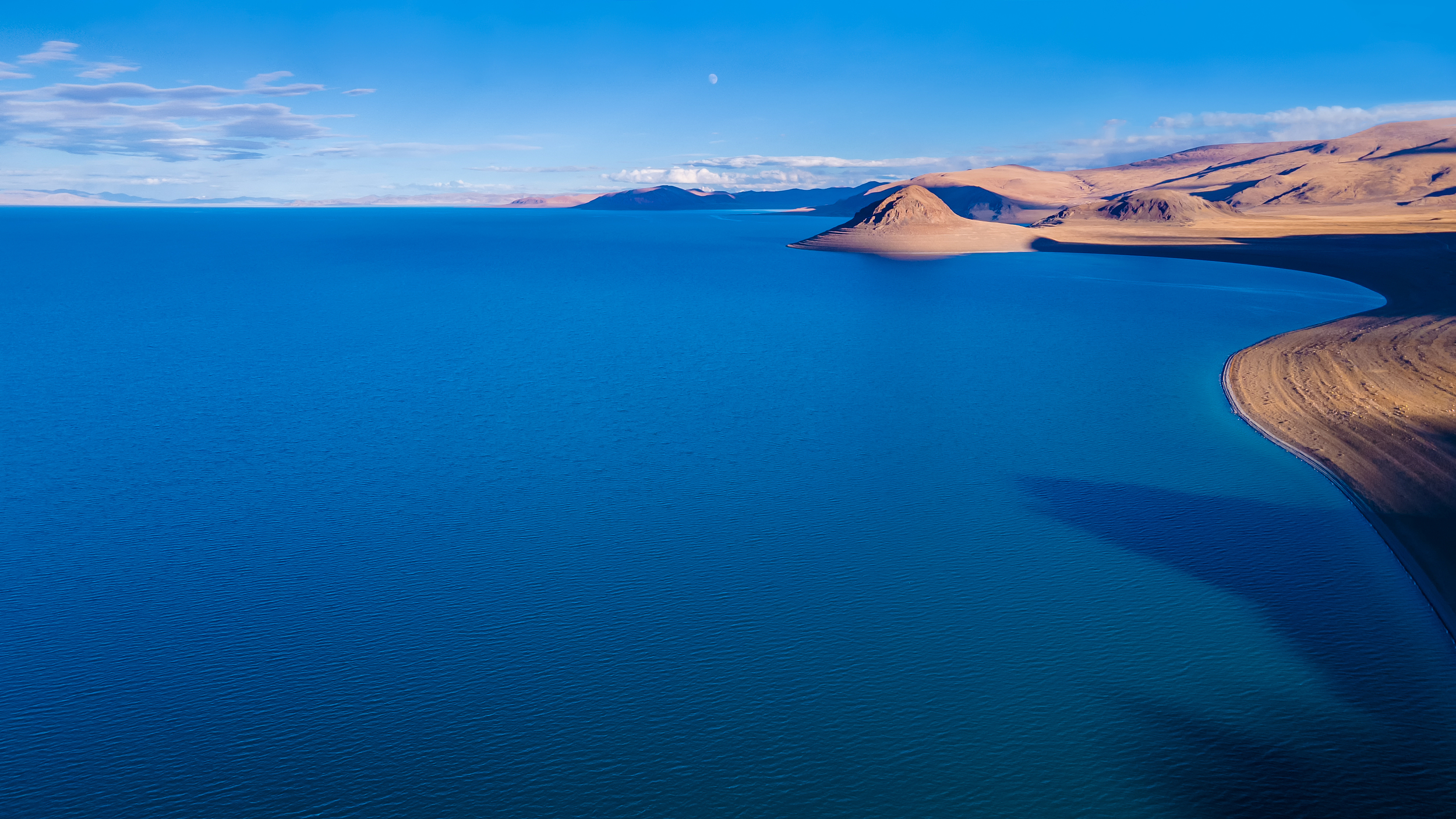
Zari Nanmucuo is located in the northeast of Coqin County, Ngari Prefecture, Tibet Autonomous Region, 12 kilometers away from Coqin County. It is about 500 kilometers away from Shiquanhe Town, where the Ali District Administration Office is located. Between the peaks of the Gangdise Mountains, there are the Ngari area and the Zarinamcuo, the third saltwater lake in Tibet. It covers an area of 1023 square kilometers and the lake is 4613 meters above sea level. It is a large lake with a length of nearly 54 kilometers from east to west and a width of about 20 kilometers from north to south. Zarinanmucuo Lake is wide, warm monsoon and sunny, distant mountains are like daisies, and fragrant grasses are on the shore of the lake. It is a good pasture, rich in precious purple cashmere goats. Along the lake, there are wild animals such as Tibetan antelope and wild ass in groups of three or five, galloping on the lakeside wilderness.
-
Palkhor Monastery and Kumbum Stupa
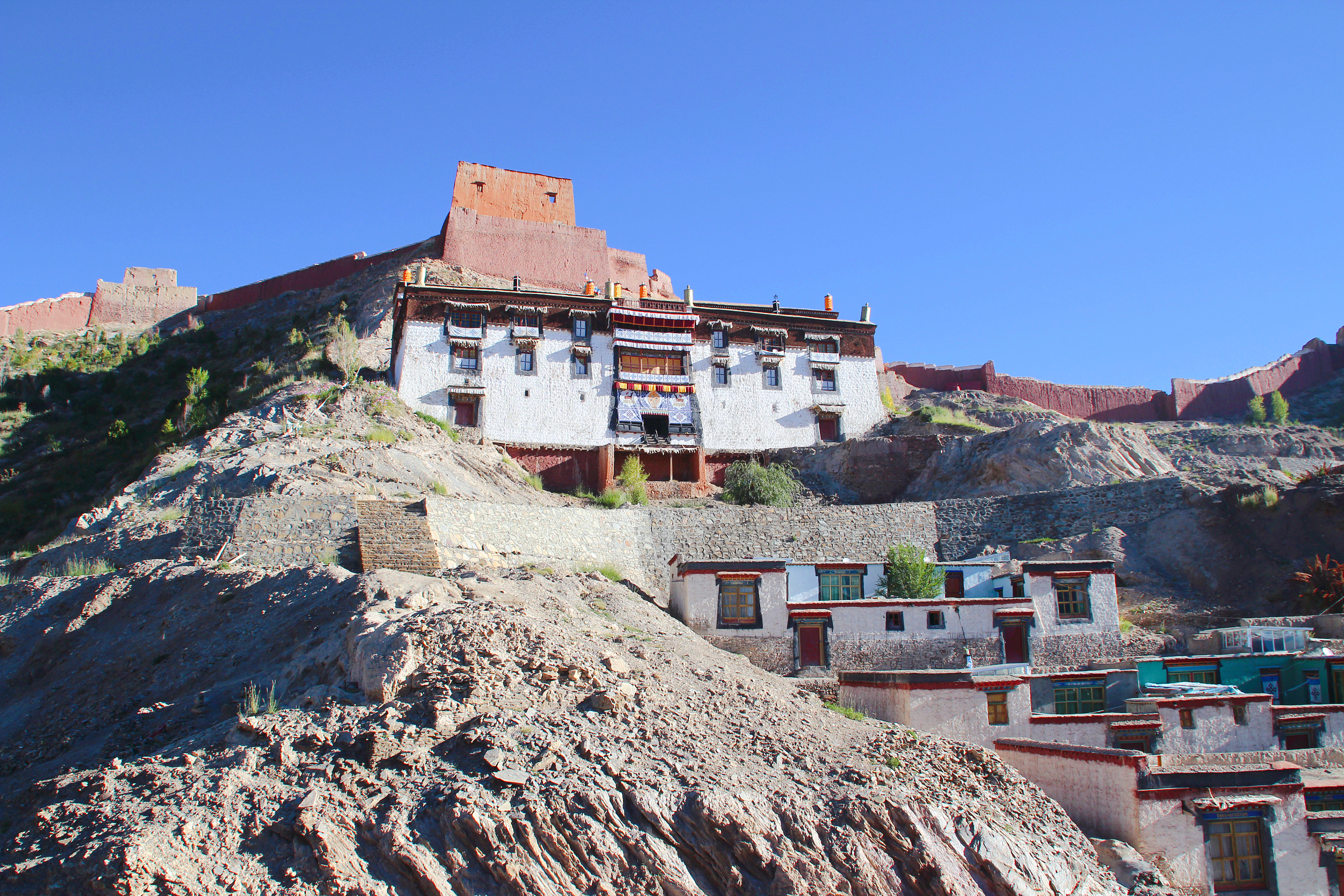
Baiju Temple is located in the county seat of Gyantse County, Tibet. It was built in the early 15th century. It is a temple where the three sects of Sakya, Kadam and Gelug, which are rare in Tibetan Buddhism, coexist. Notable for its value and well-preserved frescoes and statues. There is Baiju Pagoda in the temple. There are more than 100,000 Buddha statues in the pagoda, also known as the 100,000 Buddha Pagoda. Baiju Temple is a typical Tibetan Buddhist temple building. There are pagodas in the temple and temples in the pagodas. The pagodas and temples are natural and complement each other. There are three sects side by side in the temple, each sect has 5-6 Zhacang, and there are 16 Zhacang in the temple, which makes the temple look grand. Walking along the corridor, facing the temple is the main hall of Cuoqin, where the three Buddhas are enshrined, and the Pure Land Hall is on the east and west sides. There is a huge gilt bronze statue of Qiangba Buddha in the northwest corner of the hall, which is 8 meters high and is said to be cast with 14,000 kilograms of brass. The pillars of the hall are covered with colorful Hada and historical thangkas, and the four walls are painted with exquisite Buddhist murals, which feel solemn and sacred. The main hall is divided into three floors. The third floor is the Buddhist hall called Xiaye Lakang. The murals in the hall are quite famous. The contents include mandala, lotus caisson, Buddhist stories, and stories of life. If you are interested, you can take a serious look. . When visiting Baiju Temple, you must not miss the 100,000 Pagoda on the west side of the temple. The pagoda has nine floors and a height of 32 meters. There are 77 Buddhist halls, 108 gates, shrines and scripture halls. The layers are stacked, which is very spectacular. It is a unique treasure in the history of Chinese architecture. There are Buddha statues painted on the walls of each hall. The Buddha statues are rich in color, strong contrast, solemn and exquisite. It is said that there are more than 100,000 Buddha statues, hence the name of the 100,000 Buddha Pagoda. In addition, there are more than a thousand Buddha statues in clay, copper and gold in the pagoda, which can be called a Buddha statue museum. Entering from the tower gate, you can view floor by floor along the stairs, and the ruins can go to the top of the tower. The top is a circular platform overlooking the entire Baiju Temple. In principle, Tibetan Buddhist temples are not allowed to take pictures, but you can take pictures in the 100,000 pagoda, but it costs 10 yuan, which is actually quite cost-effective. For the protection of ancient murals, it is recommended not to turn on the flash when taking pictures.
-
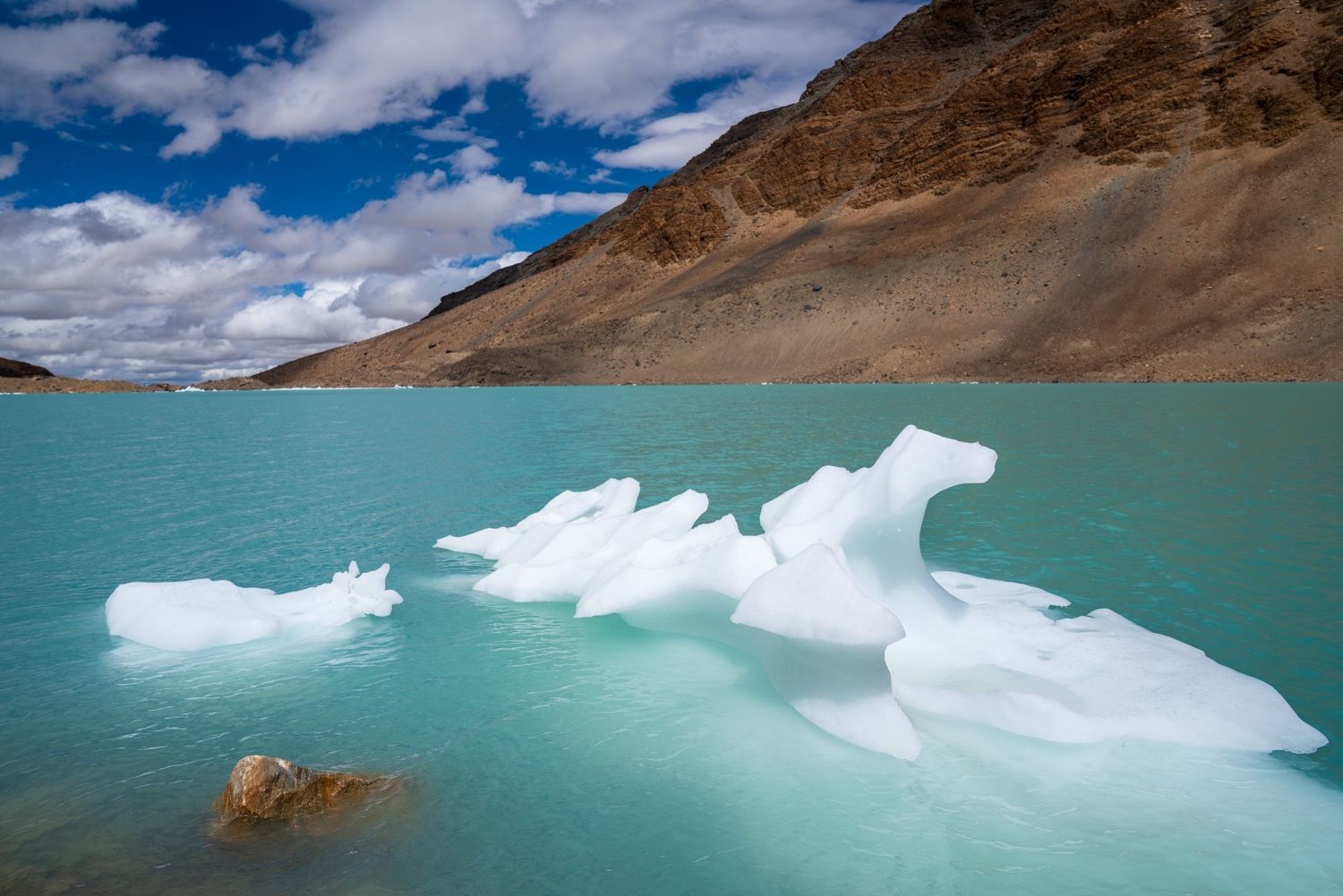
Qudeng Nima Glacier
Qudeng Nyima means “tower and sun”. According to legend, when the pagoda shipped from India passed through the mountain pass here, the sun was shining on it, so it got such a wonderful name. Qudeng Nyima Scenic Spot is located in Gangba County, Shigatse. According to Tibetan scriptures, in the middle of the eighth century, the Indian eminent monk Padmasambhava responded to the request of Tubo Zanpu Chisong Dezan to spread esoteric Buddhism in Tibet, and when he returned to India, he passed by Qudeng. Nima practiced in the caves at the foot of the Mt. Dom Yomchin and Kangchen Jiabu in Gamba County. There was a local shepherd who worshipped him as a teacher and learned esoteric teaching. Soon, the Shepherd’s Tower, the Shepherd’s Tower, and the Fan King’s Tower were built and named “Duoji Qudeng Nyima”, which means the Diamond Sun Tower. Later people used to call it Qudeng Nyima. Qudeng Nyima Lake has a very high spring mouth, reaching an altitude of 5,128 meters. These springs have been circulating in the mountain for ten years and seven months and gushed out of the ground, with rich minerals. According to Tibetan scriptures, this water can cure 424 kinds of infectious diseases and 360 kinds of acute and chronic diseases. It is the “nectar” given by Guru Rinpoche to his followers and believers to cure all diseases, so it is known as “Tibetan Shenshui”. . Every spring and autumn, tens of thousands of devout men and women come here from faraway places to worship incense and worship Buddha, ask for “sacred water” and drink “nectar”. Many believers take a lot of water with them to treat their illnesses when they leave, and some even give this water as precious gifts to relatives and friends.
-
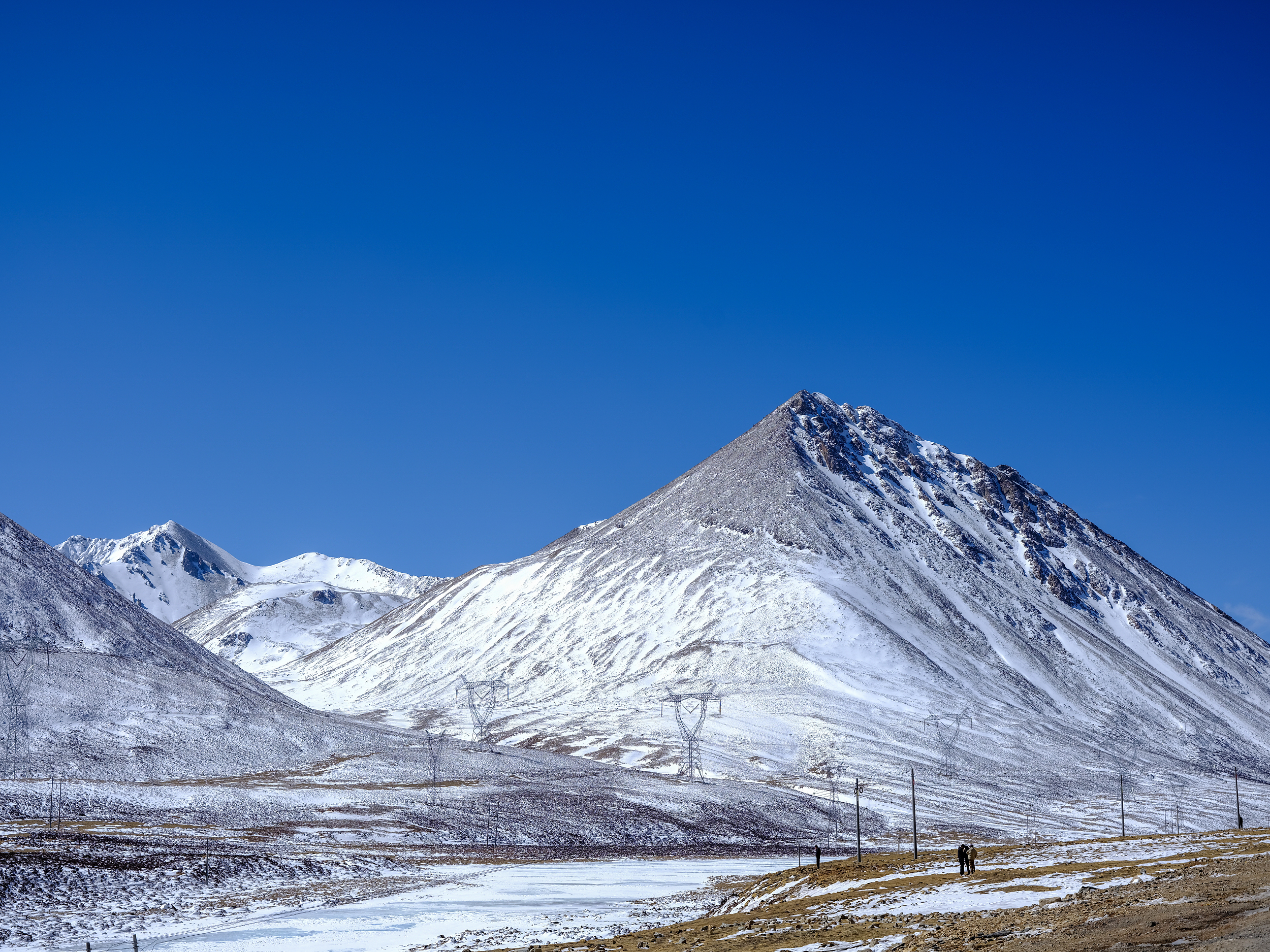
Sejila Pass
Sejila Pass is a key junction on the Sichuan-Tibet Highway, connecting Bayi Town with Bomi County. At approximately 4,728 meters above sea level, it’s not only a geographically high point but also a prime spot for viewing natural landscapes. Due to its unique geographical location, Sejila Pass is a popular spot for viewing Mount Namjagbarwa. Known as the “Paradise in the Clouds,” its main peak is perpetually shrouded in mist. On clear days, visitors can gaze upon the majestic snow-capped mountain from the pass and experience the grandeur and mystery of nature. Every year at the turn of spring and summer, the sea of rhododendrons at Sejila Pass attracts countless visitors. Dozens of rhododendron species grow here, and the flowers, bathed in sunlight, illuminate the mountains in a variety of colors, including red, pink, white, and purple, creating a magnificent natural landscape. Sejila Pass also boasts unique natural landscapes, with its alpine meadows and primeval forests, and its rich biodiversity provides valuable resources for ecological research. Due to the high altitude, the climate at Sejila Pass is unpredictable, so visitors should be careful to dress warmly and prevent altitude sickness when traveling there. Nevertheless, the magnificent scenery and unique natural environment here undoubtedly provide travelers with an unforgettable experience.