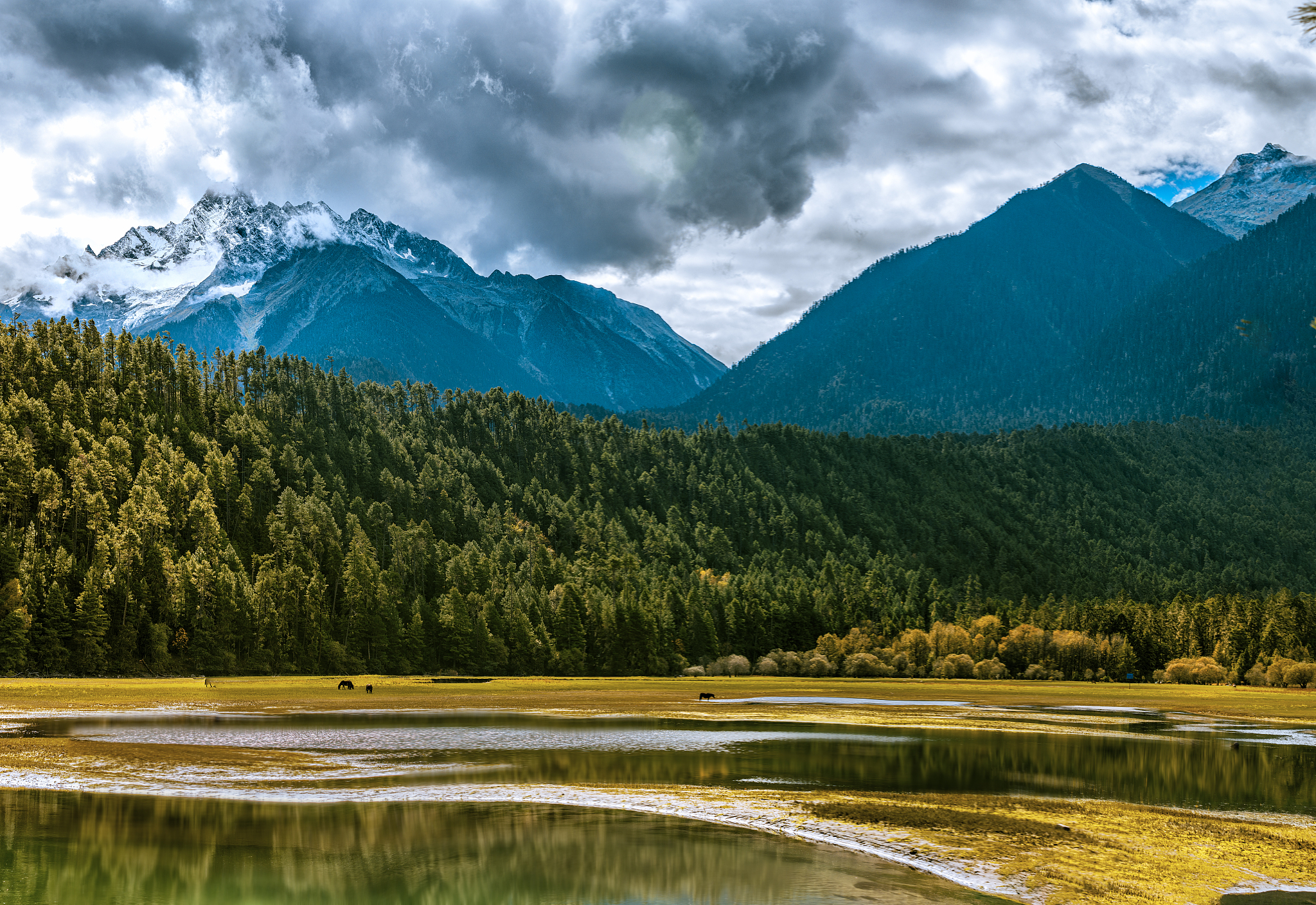
Gangpicea Forest is a magnificent primitive forest attraction located northeast of the Great Bend of the Yarlung Zangbo River in Bome County, Nyingchi City, Xizang Autonomous Region, with a forest coverage rate of over 61%.Over 2,800 hectaresIn 1984, it was designated as a forest ecosystem nature reserve primarily for protecting productive coniferous forests, attracting numerous visitors with its rich ecosystem and unique natural beauty. Overlooking Gangpicea Forest, the distant snow-capped mountains peek through the clouds, while lakes, high peaks, rivers, and lush trees compose a captivating landscape. The growth rate, sustained growth period, and timber volume per unit area in Gangpicea Forest far surpass those of similar forests both domestically and internationally, with spruce being particularly remarkable. Towering trees form a natural green barrier reaching toward the sky. Visitors can stroll along the forest trails, breathing in the fresh air while listening to birdsong and the rustling wind, immersing themselves in nature’s tranquility and harmony. Within Gangpicea Forest, the towering ancient trees and dense vegetation create a habitat for rare wildlife, while valuable medicinal plants thrive abundantly. Lucky visitors might even encounter some of these elusive creatures. As a nature conservation and ecotourism attraction, Gangpicea Forest offers visitors the perfect opportunity to explore the wonders of nature and enjoy a peaceful environment.
归档: Attractions
-
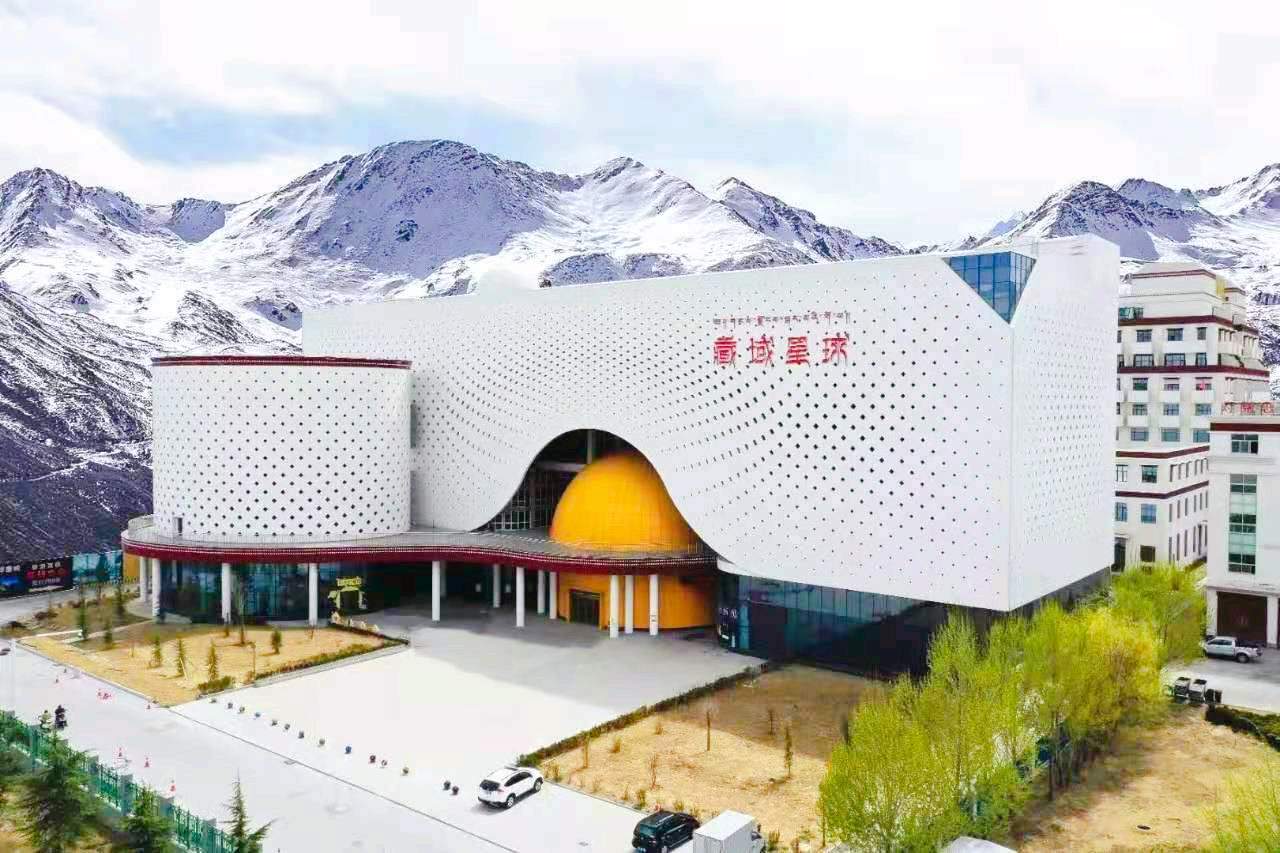
World Peak Planetarium
The Tibetan Planet Astronomy Experience Hall is the first astronomy-themed science and technology experience hall in Tibet. It is currently the largest immersive interactive astronomy experience hall in the country, and it is also an astronomy science popularization experience hall at a very high altitude. Venue at2019Year12moon14Officially opened on the same day, the venue is located next to the Tibet Astronomical Tourism Park on the banks of the Lhasa River in the Lhasa Economic and Technological Development Zone. It is one of the highlight projects of the Lhasa Economic and Technological Development Zone. Popular science infrastructure. The venue is designed with visitors’ first sensory experience as its design guide, with the theme of “perceiving the universe, recognizing the universe, exploring the universe, and discovering the universe”. Through interactive projection, immersive suspended projection, dome theater, object tracking, human body capture, Somatosensory interaction,VR Technology and other high-tech means show the mystery of Tibet and reveal the mysteries of the universe.The first floor of the venue is a chapter of “Eternal Times Connecting to the Present, Perceiving the Universe”.7personal exhibition area,15Individual exhibition items. Through information and data sharing with Ngari and Yangbajing Observatory, you can see an exhibition of giant starry sky paintings taken across Tibet, learn about the development of astronomy in ancient and modern times at home and abroad and Tibet’s astronomical calendar, and display the physical objects and classification distribution of meteorites.The second floor of the venue is dedicated to the chapter “Studying Things to Learn and Understanding the Universe”.6display area,21A solo exhibition project to gain a comprehensive understanding of the universe in which we live. Including the earth-moon system, the solar system, the Milky Way, the universe, etc., it mainly presents the Big Bang, star constellations, cosmic wonders (black holes, gravitational waves and adventures on Mars),UFO Decryption etc.The third floor of the venue is the chapter of “Sword Expanding the Sky and Exploring the Universe”. 3 personal exhibition area,15 The solo exhibition mainly displays the origin of life, human exploration methods, the construction and use of astronomical telescopes, and the development process of space exploration and lunar exploration projects, etc.The fourth floor of the venue is the chapter of “Learning is Endless and Discovering the Universe”, which mainly includes astronomical telescopes, dome theaters,VR experience, space classroom, derivatives area, etc. Visitors can have close contact with astronomy through game interaction in any area, and fully embark on a journey of exploring the mysterious universe. At the same time, Tibetan Planet is also an astronomy-themed tourist venue. In addition to displaying astronomical culture, it also focuses on displaying traditional Tibetan culture through high-tech means; including Tibetan medicine, Tibetan medicine, and Zang Tianwen’s calendar. At the same time, the project strives to become a highlight project in the Tibet-wide tourism reform pilot project, providing a unique tourism experience for tourists entering Tibet, and also providing local residents with a leisure destination for parent-child travel and technology travel.
-
Manla Reservoir
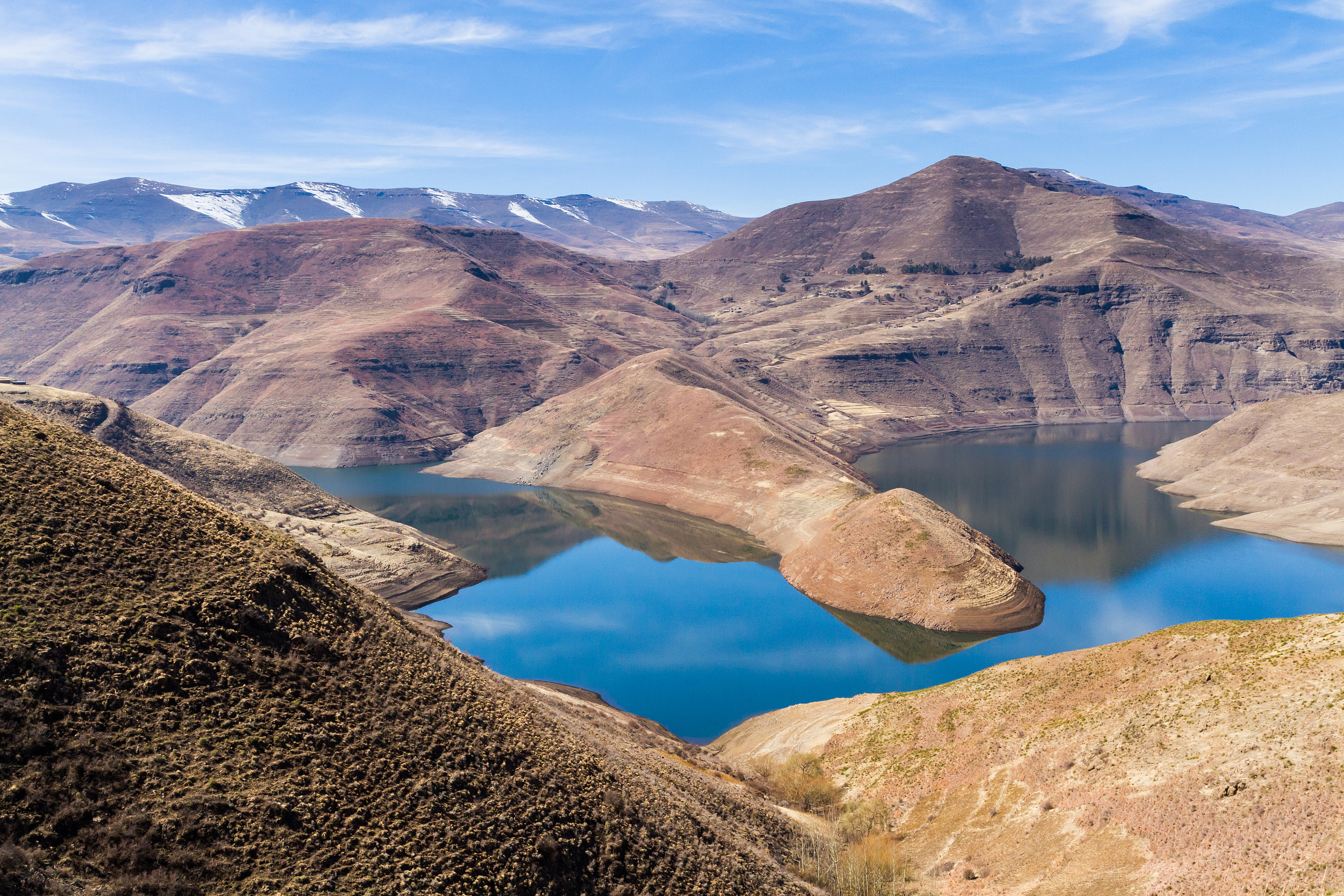
The Manla Reservoir is located in the upper reaches of the Nianchu River in Longma Township, Gyantse County. Although it is an artificial reservoir, the emerald-green lake is particularly beautiful against the distant mountains. You will pass here when you go to Yangzhuo Yongcuo from Gyantse County. There is a small pavilion on the side of the road, where you can look at the scenery of the reservoir from a height, and it is also good to take a break by the way.
-
Zongjiao Lukang Park
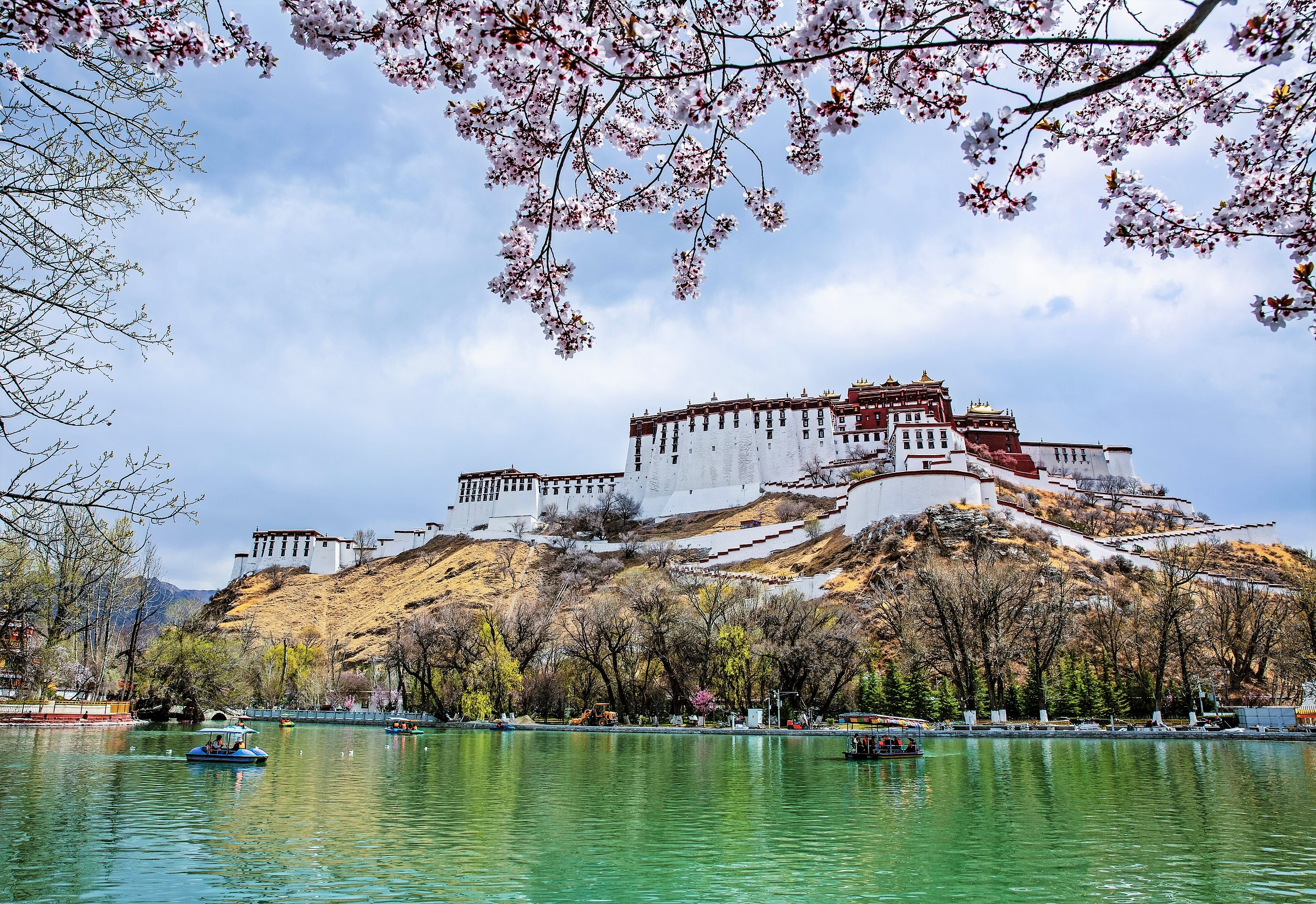
Zongjiao Lukang Park is located behind the Potala Palace Mountain, also known as “Longwangtan Park”. “The Temple of Lu”. Lu Shen is the collective name of Tibetan Buddhism and Bon religion for the gods living in the ground and water. “Lu Shen” is often translated as “Dragon God” in Chinese, and is then misrepresented as the Dragon King called by the locals. Therefore, the lake in Zongjiao Lukang Park is called “Dragon King Pool” in Chinese. In 2006, the park was re-planned and renovated, and the park was divided into five scenic spots, including folk activities area, natural water area, Longtan scenic area, hydrophilic activity area and cultural activity area. There are gravel roads, stone tables and chairs, lawns and fountains in the park, and trees are planted extensively to make it an urban park. At present, Zongjiao Lukang Park has become a place for local citizens to do morning exercises and leisure every day, and it is also a place for turning prayers close to the Potala Palace.
-
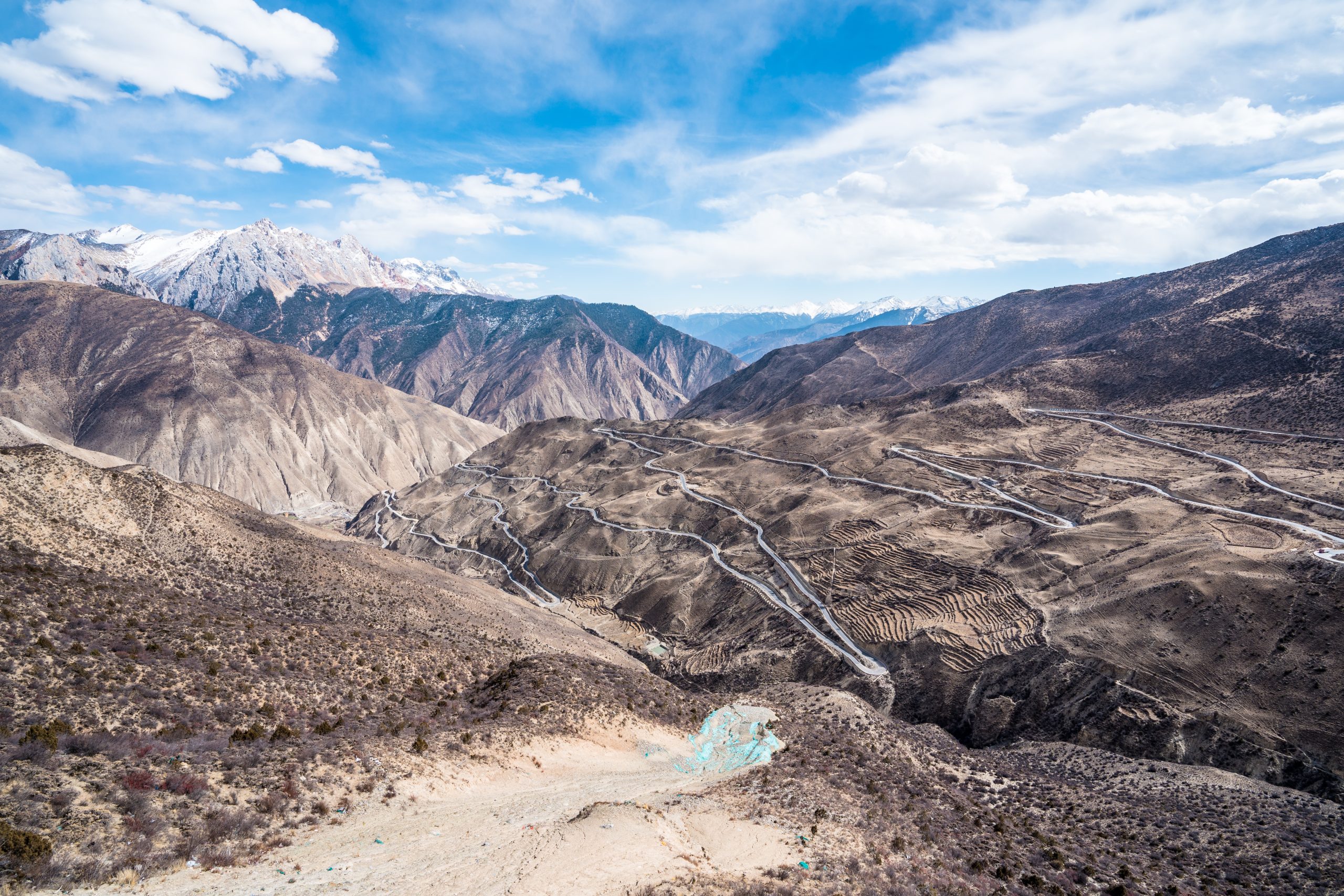
Zig-Zag Mountain Road With 72 Turns
The 72nd turn of the Nujiang River is located in the Basu County in the Qamdo region, and is located between the Changdu Bangda and Basu on the southern Sichuan-Tibet line, also known as “the 99th turn of the Sichuan-Tibet”. The 72nd turn of the Nujiang River is not a scenic spot, but almost all passers-by will stop for a while and enjoy the surrounding mountains when they reach the commanding heights of the road. The Nujiang River 72 turns westward from Bangda, climbs Yela Mountain with an altitude of about 4,658 meters, and then circles down to the Nujiang Canyon with an altitude of about 3,100 meters. The relative height difference is nearly 1,500 meters, and the winding road is about 12 kilometers. As the only way to go through the south Sichuan-Tibet line, the road is narrow and the slope is steep. For many riders or riders, it is precisely because of its danger that it is more challenging. Pedestrians passing by this road every year are full of sigh.
-
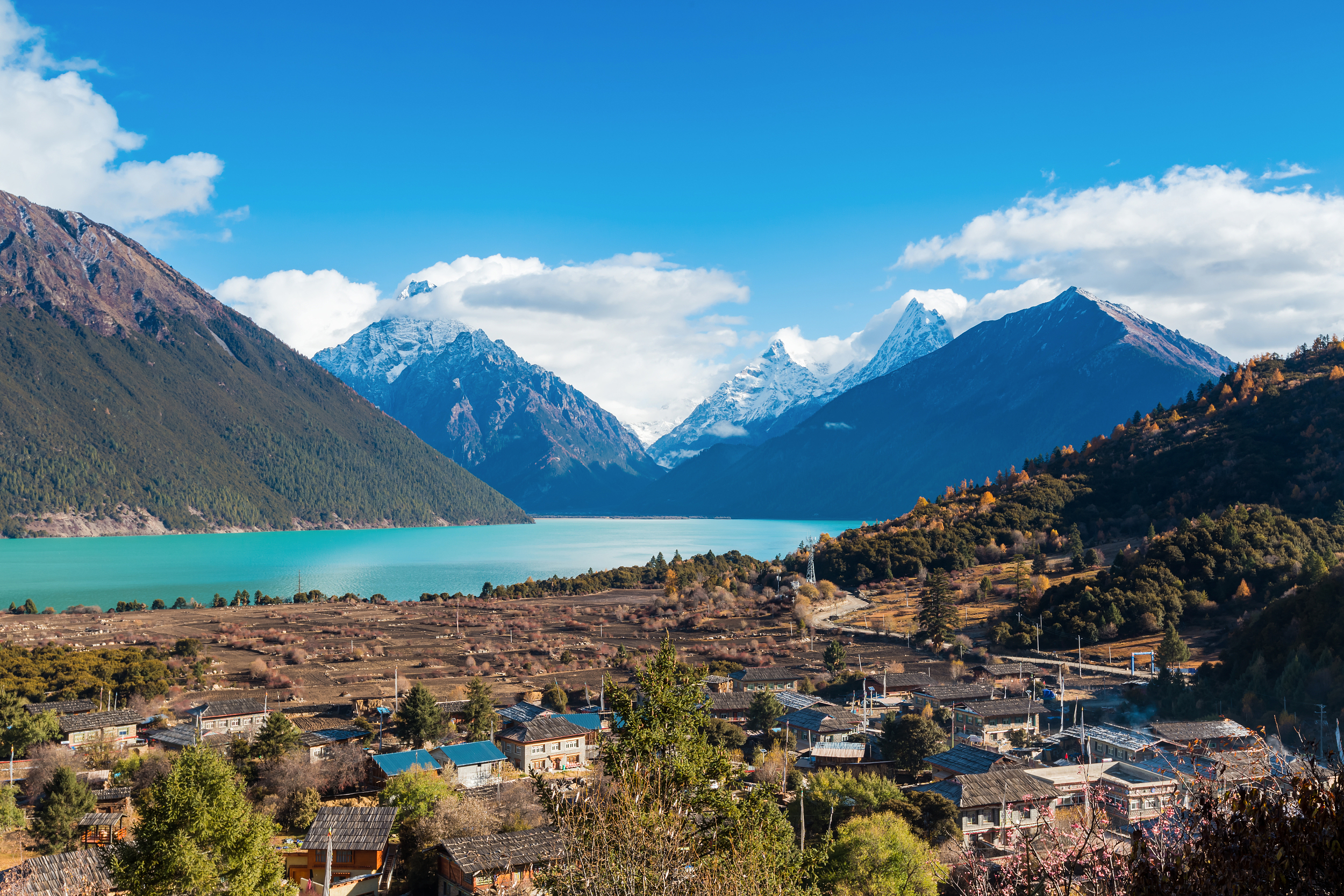
Jieba Village
Jieba Village is located in the depression on the south bank of Basongcuo Lake. It is the gathering place of Gongbu Tibetans and the site of Xingchi Zanbu Palace. “Jaba” means “forgetting” in Tibetan, and the name is quite poetic with the mountains and rivers here. Entering here is like entering a peach blossom garden in Tibet. Jieba Village bathed in the snow-capped mountains and blue waves, the countryside under the morning sun, the farmhouse under the peach trees, the simple villagers and children, the roosters and dogs barking, the curling smoke, and the sounds of the workers and cloth workers are like a fairyland, which is intoxicatingly beautiful. . Jieba Village, a Tibetan-style village with primitive fabric style, is like a paradise forgotten by the world. It is like a fairyland in the embrace of snow-capped mountains, forests and green water. Here, it is very easy to forget all the worldly troubles. The small Tibetan wild boars run all over the mountains and fields. The girl you meet on the road may not be beautiful, but she has a very simple and sincere smile. There are more than 80 peasant families in the village. If you open a family at will, you will receive warm hospitality. There are fire ponds, stone pots, etc. in the house, which can be used for cooking and heating.
-
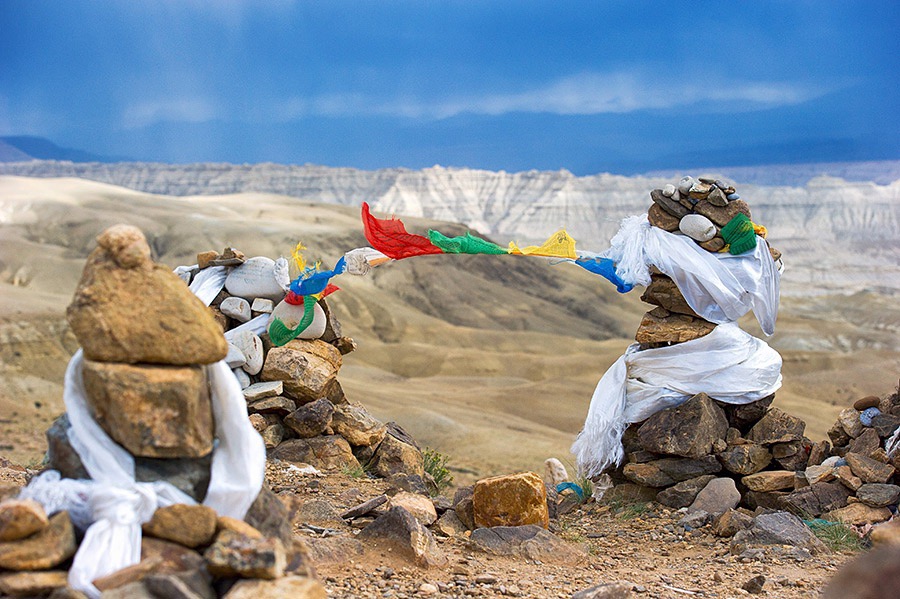
Tibet Earth Forest of Zanda National Geological Park
The Zada Clay Forest is a special geological landform formed by the influence of orogeny. The strata deposited at the bottom of the lake have been cut by flowing water for a long time and gradually weathered and eroded. The “trees” in the clay forest are scattered for dozens of meters in height and in various shapes. Driving through it is like circling around the feet of many giants. As a special landform combination, the Zada Clay Forest has rich and varied forms. On a macro level, the undulating, overlapping, steep and gentle clay forests are spread along both sides of the Xiangquan River. It is a rare “clay forest landform” wonder in the world. These peculiar “soil forest” landforms were formed by the lake basin sedimentary layer in the ancient times under the influence of the Himalayan orogeny, as the water level dropped, the lake basin rose, and the climate and river erosion cut. The steep and rugged rocks look like towering castles, towers, pagodas, etc., which are famous natural landscapes in Ali region. However, about 1,100 years ago, in the same afterglow, the palaces and temples of the once powerful Guge Kingdom stood. From the existing ruins, we can imagine the huge scene at that time, which is far from the current scene. Viewing point: The Xiangquan River Valley terrace a few hundred meters south of the county seat is a good place to view the earth forest. Photography point: On the square near Toling Monastery, a few dozen meters deep from the square is the broad and flat Xiangquan River network. The earth forests on both sides of the river valley are crisscrossed, resembling castles, pagodas, bodhisattvas, and palaces, stretching for dozens of kilometers.
-
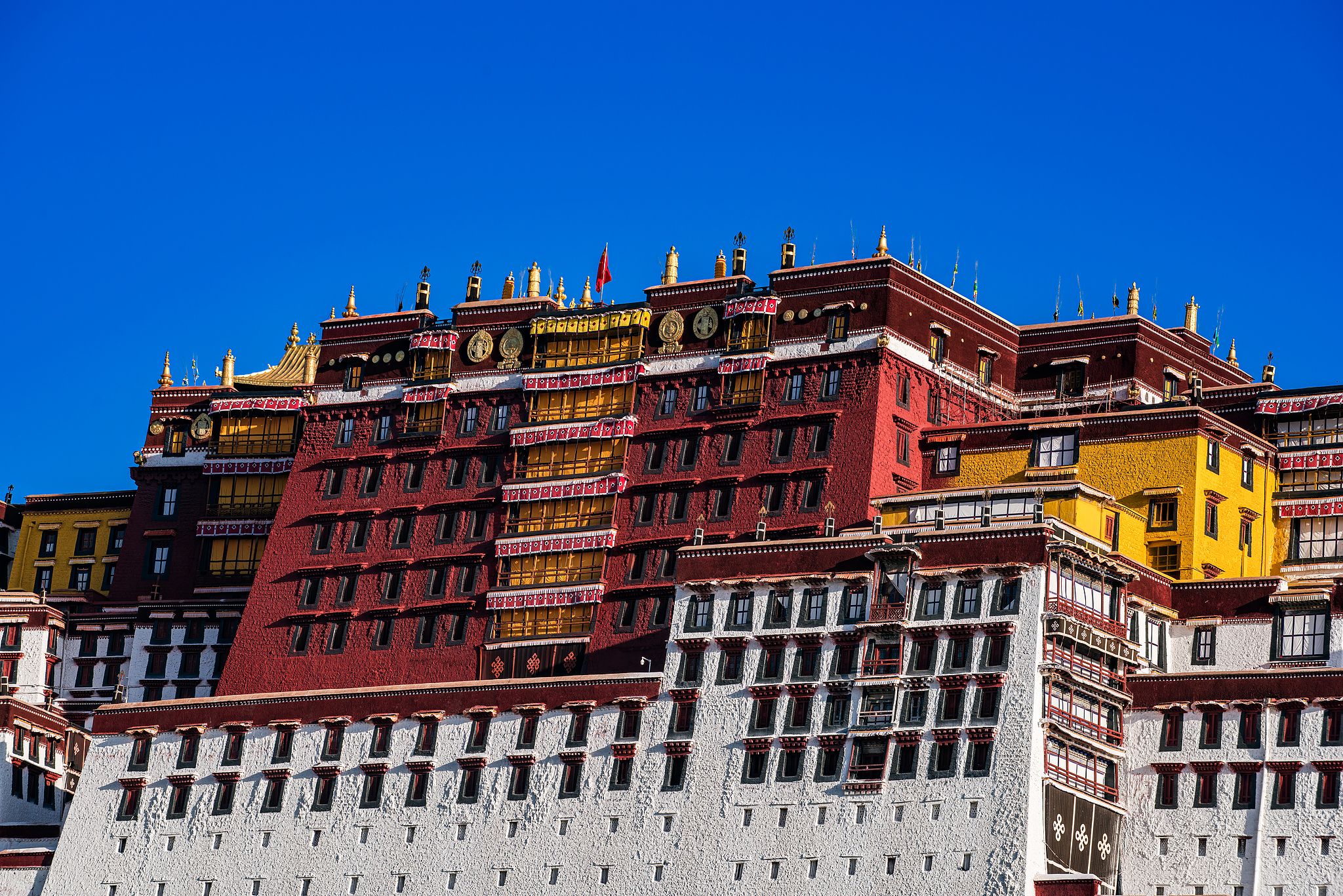
Red Palace
Red Palace is located within the Potala Palace and contains eight stupas. According to records, the gold used for just one stupa amounts to 119,000 taels. The Red Palace is constructed with a stone and wood structure, with exterior walls 2-5 meters thick, and its foundation is directly embedded into the rock layer. The walls are entirely built with granite, reaching several tens of meters high, and are reinforced with molten iron at intervals. The roof and window eaves of the Red Palace are made of wooden structures, with overhanging eaves and upturned corners. The roof is adorned with gilded copper tiles, and the ridge is decorated with gilded stupas, treasure vases, makara fish, and Garuda. The shining roof features hip-and-gable and pyramidal styles, reflecting Han Dynasty architectural influences. The walls under the eaves are decorated with gilded copper ornaments, depicting the Eight Auspicious Symbols, rich in Tibetan colors. The columns and beams are covered with vibrant paintings and ornate carvings. The interior corridors are intertwined, with halls and chambers creating a labyrinthine space, making one feel as if entering a mysterious world. Fifth Dalai Lama’s Stupa Hall, a large palace within the Red Palace. Inside, besides the plaque “Yong Lian Chu Di” bestowed by Emperor Qianlong, there is also a pair of large embroidered curtains gifted by Emperor Kangxi, considered rare treasures of the Potala Palace. Legend has it that Emperor Kangxi built a special workshop and spent a year to weave these curtains. From the West Hall, go upstairs through the gallery to reach Qujie Zhupu (Songtsen Gampo Meditation Cave), a 7th-century building and one of the oldest structures within the Potala Palace. It houses statues of Songtsen Gampo, Princess Wencheng, and their ministers. The higher palace hall in the Red Palace is called Sasong Langjie (meaning “Victory Over Three Realms”), where a portrait of Emperor Qianlong and a “Long Live” plaque are enshrined. Since the time of the 7th Dalai Lama, Kelsang Gyatso, each Dalai Lama has come here on the third day of the first month of the Tibetan calendar to pay homage to the emperor’s plaque, signifying their allegiance to the emperor.
-
Nyenchen Tanglha Viewing Platform
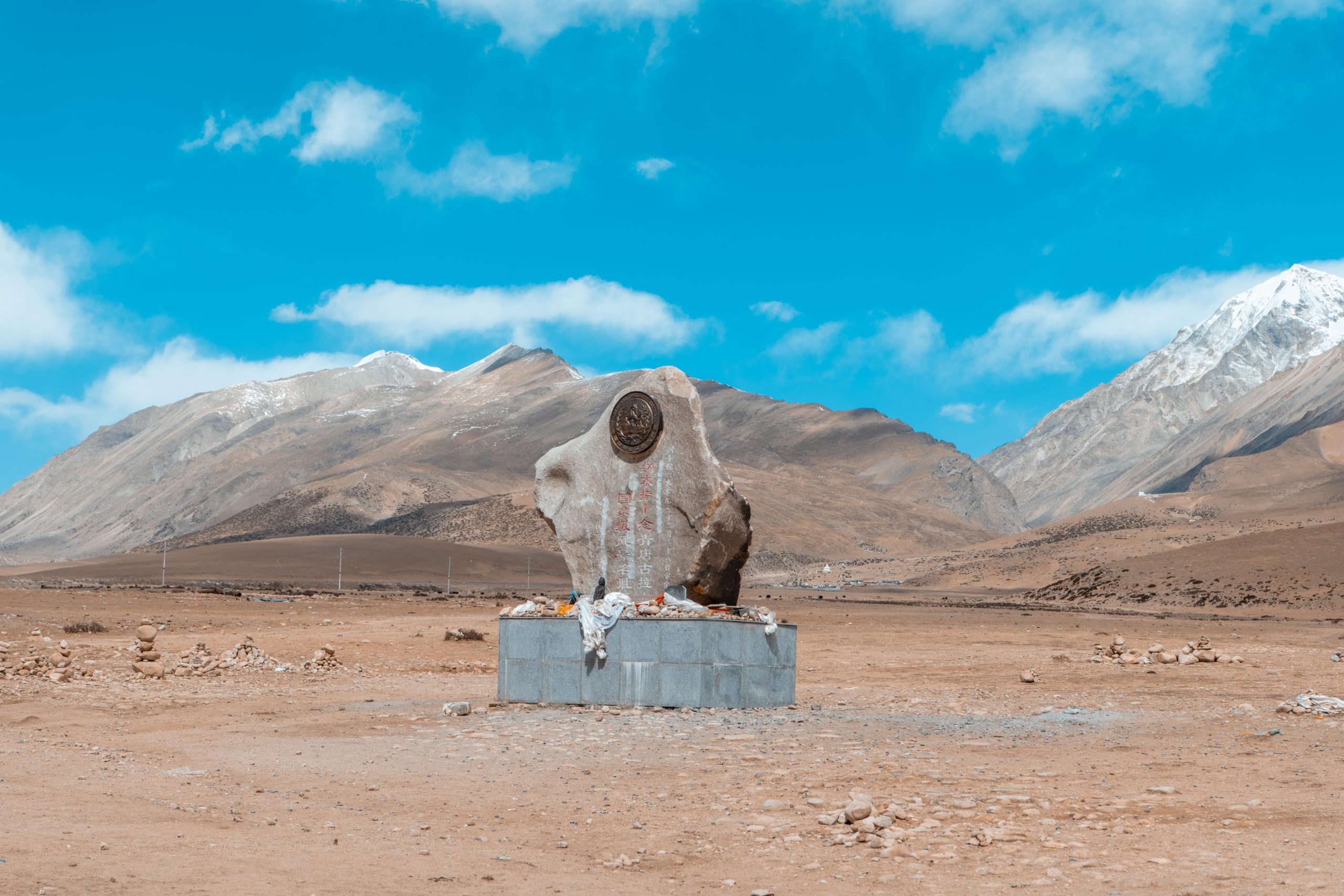
To reach Namtso, take National Highway 109, you need to pass through the observation deck of Nyainqentanglha Mountain (4640 meters above sea level), which is a good place to watch the main peak of Nyainqentanglha Mountain (7111 meters above sea level). In fact, the “observation deck” is a temporary stop on the side of the road, a row of ordinary houses with canteens, toilets, and a small parking lot. Along the road, prayer flags fluttered in the wind; in the distance, the mountains were majestic and snow-capped. The blue sky, white clouds, snow-capped mountains, black and white yaks, and prayer flags dancing in the wind, all of which constitute a colorful picture.
-
Gyirong Valley
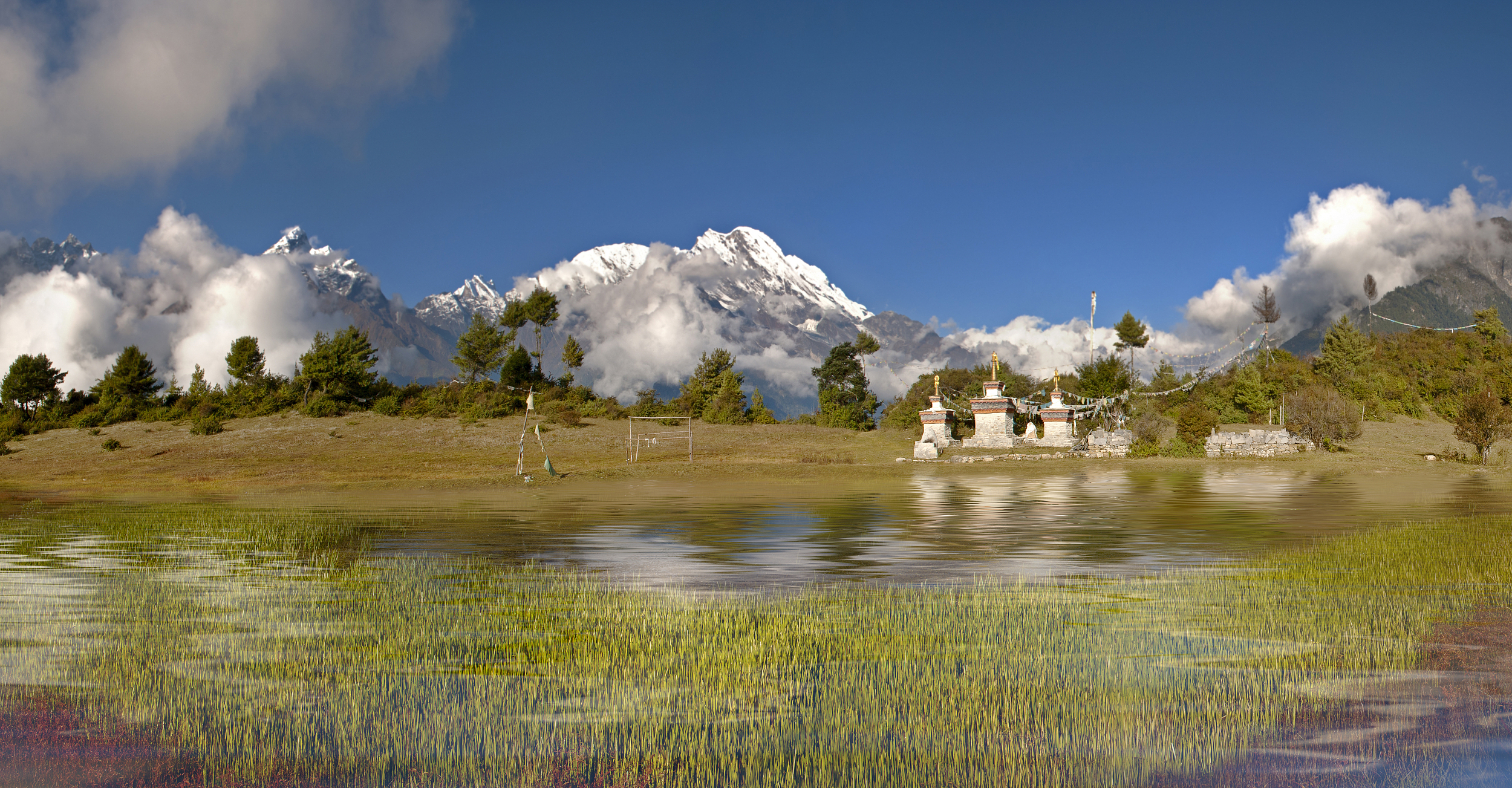
Jilonggou is located in Jilong County. Strictly speaking, the length of Jilonggou is 93 kilometers – from Zongga Town, where the county seat is located, to Resuo Village, Jilonggou was once part of the Tangni Ancient Road from Datang to Tianzhu. Enjoy the sunrise of Langbogangri, Gonais, Yangran and Zaragoza on the viewing platform of Naicun. Hike the Grand Jeep Canyon and visit Jeep Villages. The blue sky, white clouds, snow-capped mountains, pastures, pastoral terraces like oil paintings, wild flowers growing everywhere, fragrant and fresh, and the curious and lovely smiling faces of children, everything is so harmonious.