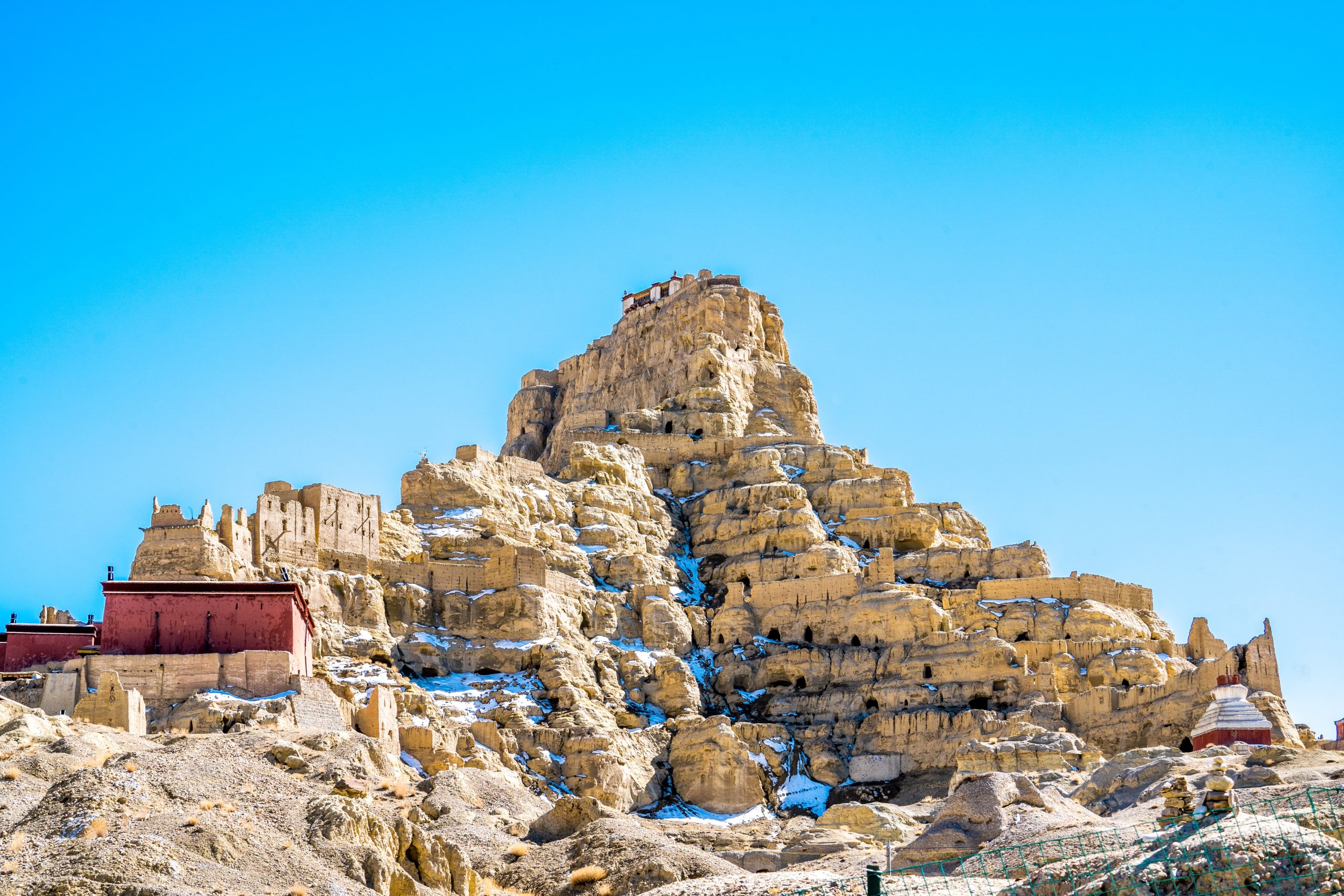
The ruins of the Guge Kingdom are located on a loess slope about 300 meters high, 2 kilometers away from Zabrang Village in Zhada County. Houses, pagodas and caves are densely distributed all over the mountain, forming a huge ancient building complex. The ruins are divided into three levels: upper, middle and lower, which are the royal palace, temples and houses respectively.The Guge Kingdom was established in the first half of the 10th century AD, and had 16 hereditary kings. Its palace castle was also continuously expanded from the 10th century and reached its peak, ending in the 17th century when the Tubo Dynasty collapsed. The ruins are surrounded by city walls, with watchtowers at the four corners, and full of buildings and caves of the same color as the earth. They are large in scale, rigorous in layout, and majestic in appearance.From the entrance at the foot of the mountain, follow the path up the mountain. There are several well-preserved temple buildings halfway up the mountain, namely the Red Hall, the White Hall and the Tara Hall. The walls of the hall are covered with exquisite murals, with a rough style and heavy colors. Despite the years, the colors are still bright. These murals that record the lineage of the Guge kings and reflect the political, economic activities and cultural customs of the Guge region are very rare in China and have great ornamental and archaeological value. However, the doors of these halls are usually locked and require a Guide to open the door. There are more than a dozen caves around the temple, which also hide ancient weapons such as shields, armor, and swords.There is a secret passage connecting the mountainside, and you can directly reach the palace on the top of the mountain along the secret passage. There is a relatively well-preserved building in the palace, which is said to be the meeting hall of the Guge Dynasty. The main part of the murals in the hall is mostly Tantric Buddhist men and women practicing Buddhism together, with a bold style and strong colors. The lower part of the murals vividly shows the suffering of hell, and various types of punishment are horrible. The border is a long row of dozens of naked dakinis, charming and elegant, with various manners, and no one is the same.Walk out of the gate of the ruins, go south for about a few hundred meters, and go around the path on the edge of the cliff. There is a cave about 2 meters above the ground. This is the mysterious corpse cave in the Guge ruins. There are caves in the cave, divided into three cave halls. The cave is full of rotten bones. It is said that they are Guge soldiers and monks who were massacred by Ladakh. The strange thing is that the bones in the cave are all headless. The reason is still a mystery. There are several wooden ladders spliced together at the entrance of the cave. You can climb up to take a peek at the scenery inside the cave. However, due to the dry climate, the corpses are not completely decayed, and they emit a strange smell mixed with ghee. Those who are not immune should be cautious.The tour of Guge Ruins takes about 2 hours, after which you can take a bus back to Zhada County for food and lodging. If you want to take photos of the Guge Ruins at sunset, you can stay in Zhabu Rang Village, about 2 kilometers away from the Guge Ruins. There are currently family hotels in the village that can provide food and lodging, but reservations must be made in advance during the peak season.
归档: Attractions
-
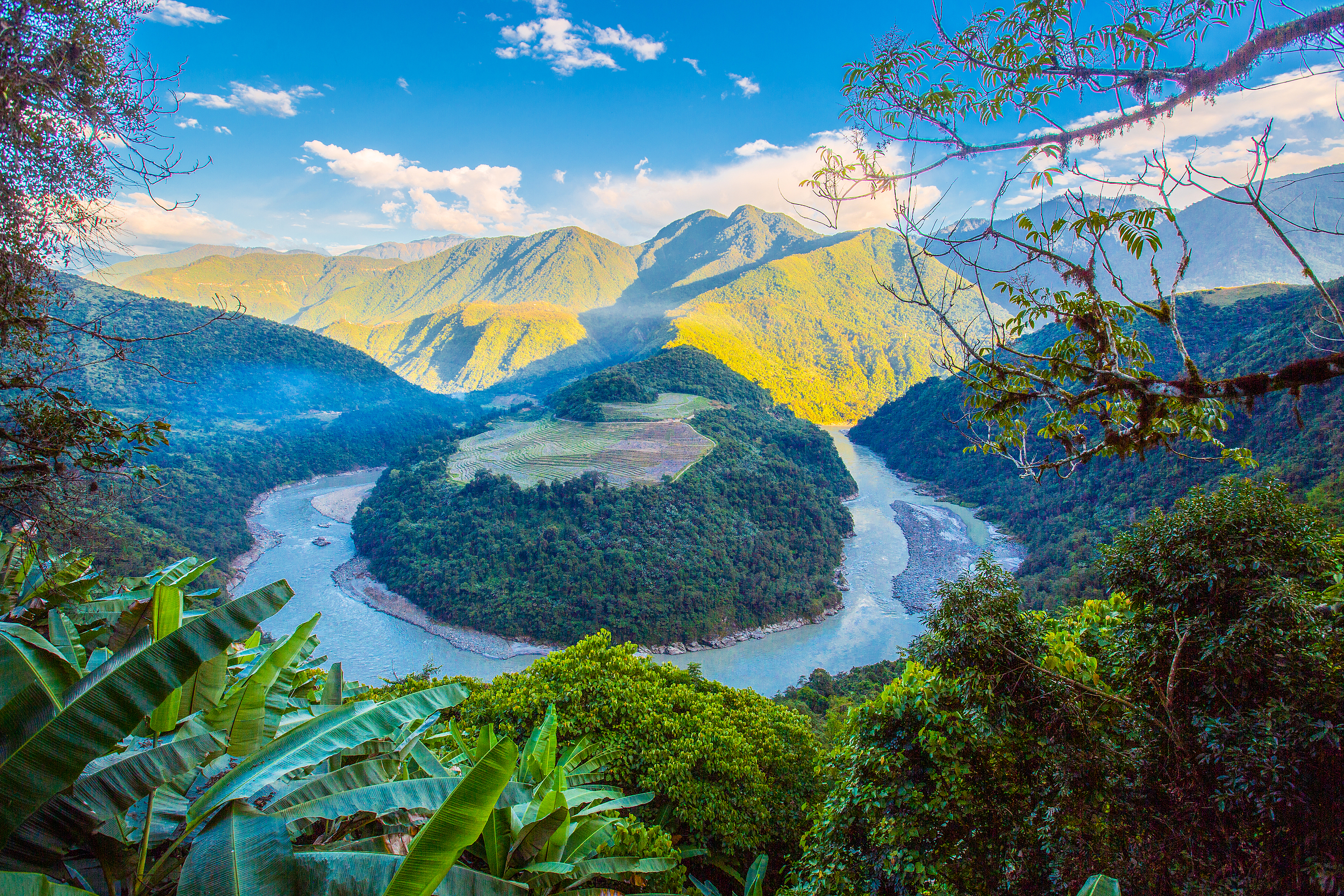
Guoguotang Big Turn
The Brahmaputra River makes a big bend in Guoguotang, which is also called Snake Bend locally. Guoguotang Big Bend is named Guoguotang because it looks like a lollipop.
-
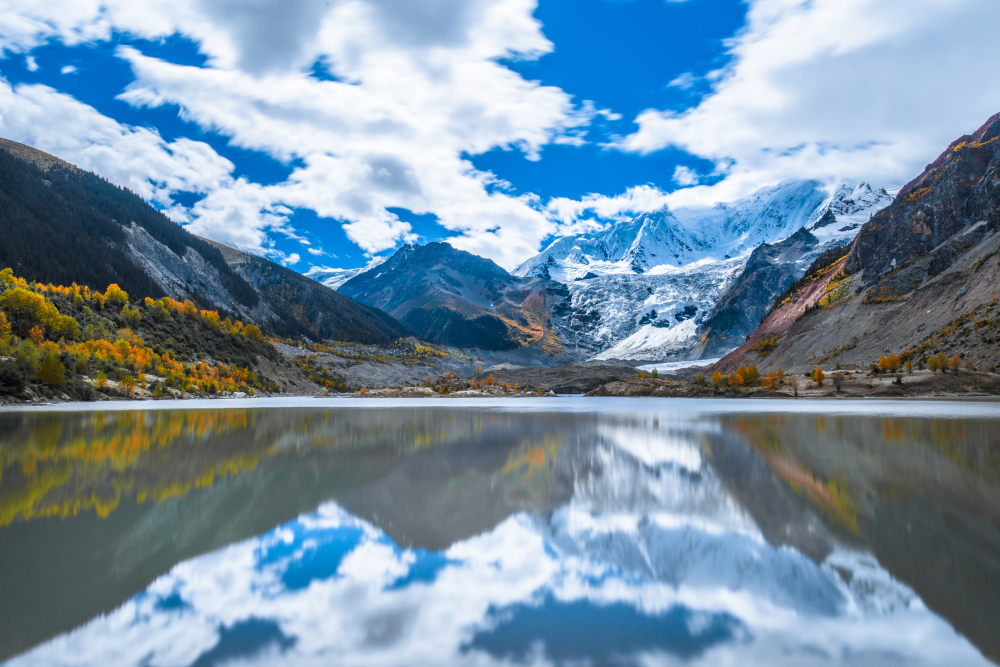
Mi Dui Glacier
Midui Glacier is located near Mimei and Midui villages in Yupu Township, Bomi County, Nyingchi Prefecture. It is only 8 kilometers away from National Highway 318. It is very convenient to arrive. Due to the low altitude of the ice tongue, it can be easily viewed at close range. The Midui Glacier has a handsome shape and was rated as one of the six most beautiful glaciers by China National Geographic. To watch the Midui Glacier, you must first reach Midui Village at your feet. The ticket office is about 6-7 kilometers away from Midui Village. This section of the road has poor road conditions. From Midui Village to the viewing platform, you can walk, but the distance is longer, about 2.5 kilometers, and it takes about 45 minutes. You can also ride horses, and you need to pay about 100 yuan for the round trip. After reaching the viewing platform, you can see the open glacier unfolding in front of you, which is very spectacular.
-
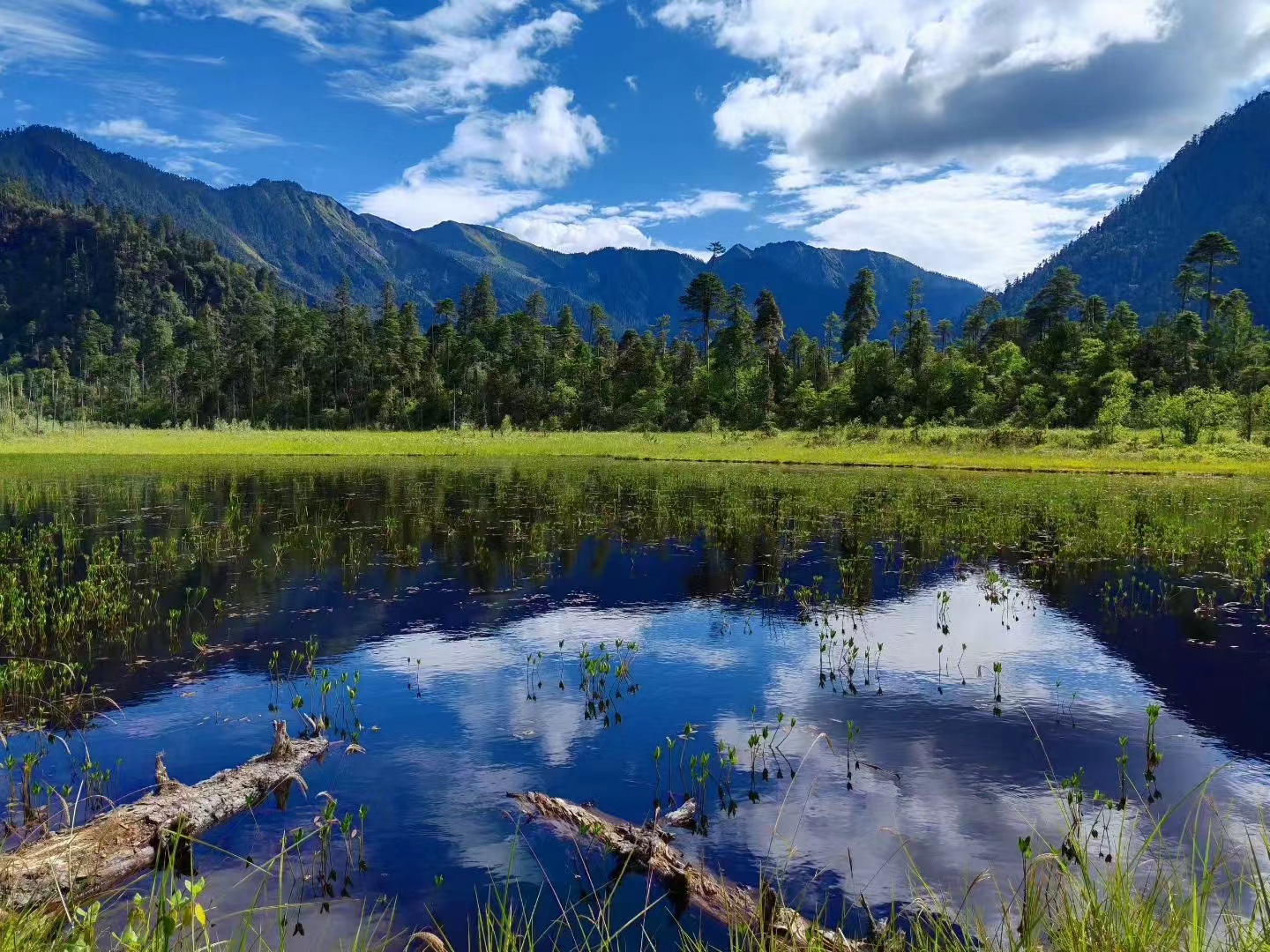
Nanyigou Scenic Area
The Nanyigou Valley is located in Milin County’s Nanyigou Township. It is also known as the Valley of the Medicine King. It is a quiet and beautiful canyon. This location has much well-preserved natural virgin forest in the surrounding mountains. It is a green paradise hidden away from the outside world. Within this area, visitors can also go to the Minba Folk Village to experience unique Lhoba culture, taste their foods and discover their ethnic costume.
-
Ramoche Monastery
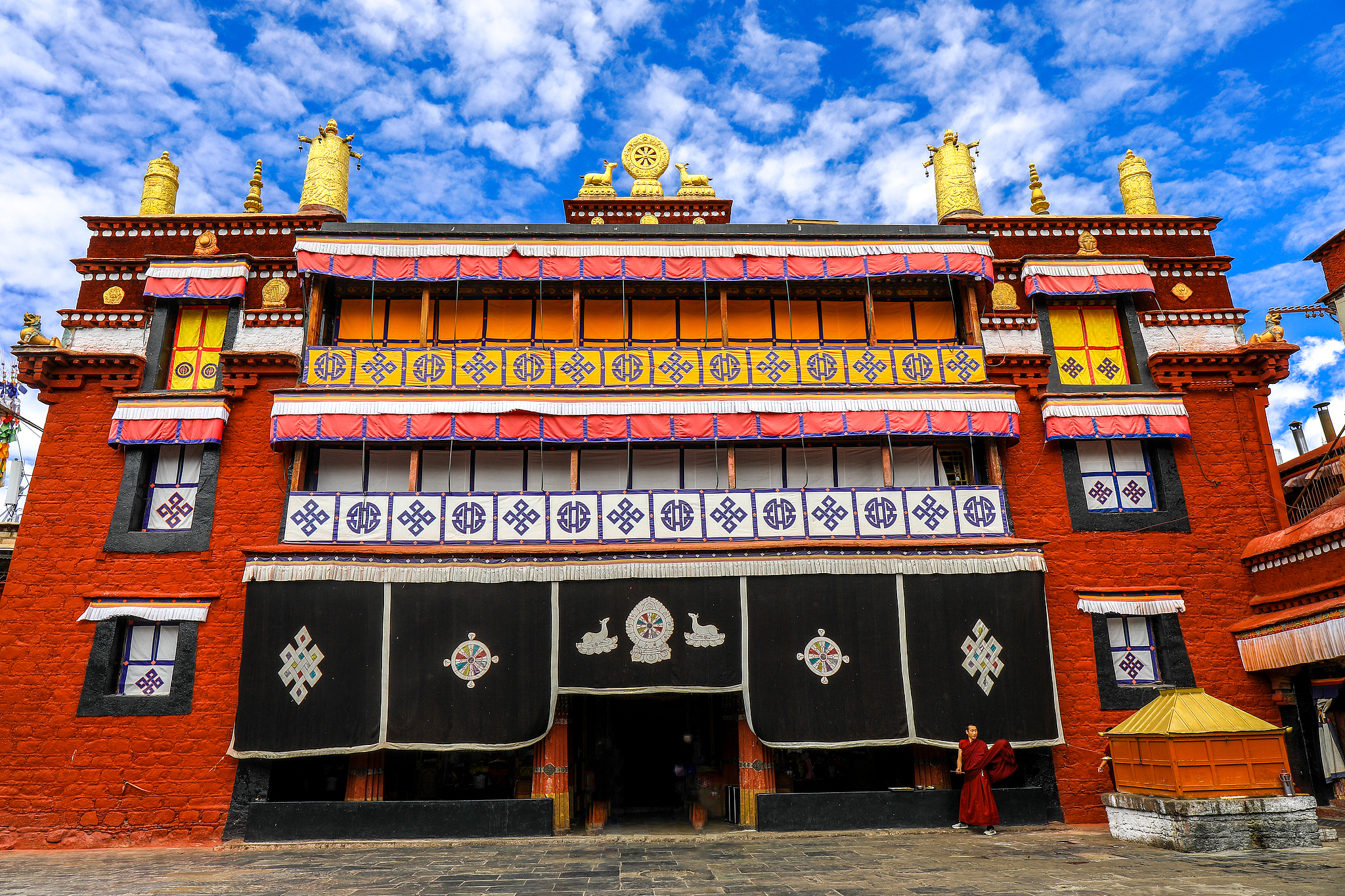
The Ramoche Temple is located on the Jokhang Temple Road north of Beijing Road in Lhasa. It was built in 641 AD and was built by Princess Wencheng. The temple is named “Kada Hotwood Qizu Lakang”, meaning “Han Tiger God” Change the temple.” Although the size and reputation of the Jokhang Temple is better than that of the Jokhang Temple, there is no flavor. The architectural style of the Jokhang Temple combines the characteristics of Chinese and Tibetan architecture. It was built by Han craftsmen brought by Princess Wencheng when he entered Tibet, so the early Xiaozhao Temple had an obvious Han and Tang style.
-
Lake Manasarovar
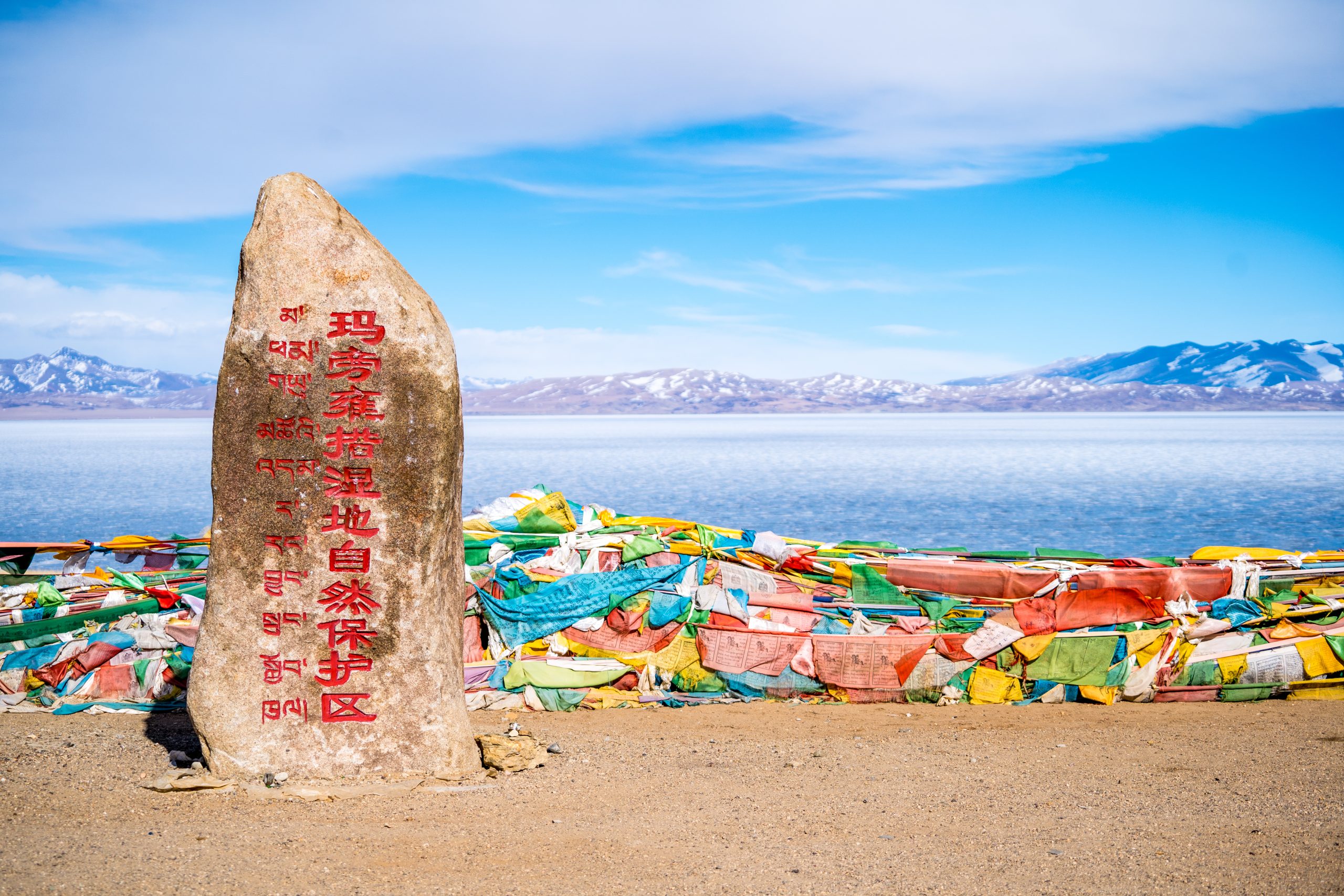
Located in Pulan County, Ali Region, Tibet, Lake Manasarovar is one of the world’s highest freshwater lakes and one of the three renowned holy lakes in Tibet. Lake Manasarovar is currently a lake with a high transparent water quality in China. It is known as a holy lake. The lake is also known as the Nectar of Chakrasamvara. Historically, pilgrims have considered being able to come to the lake to pray and bathe themselves as a great blessing in their lives.
-
Drepung Monastery
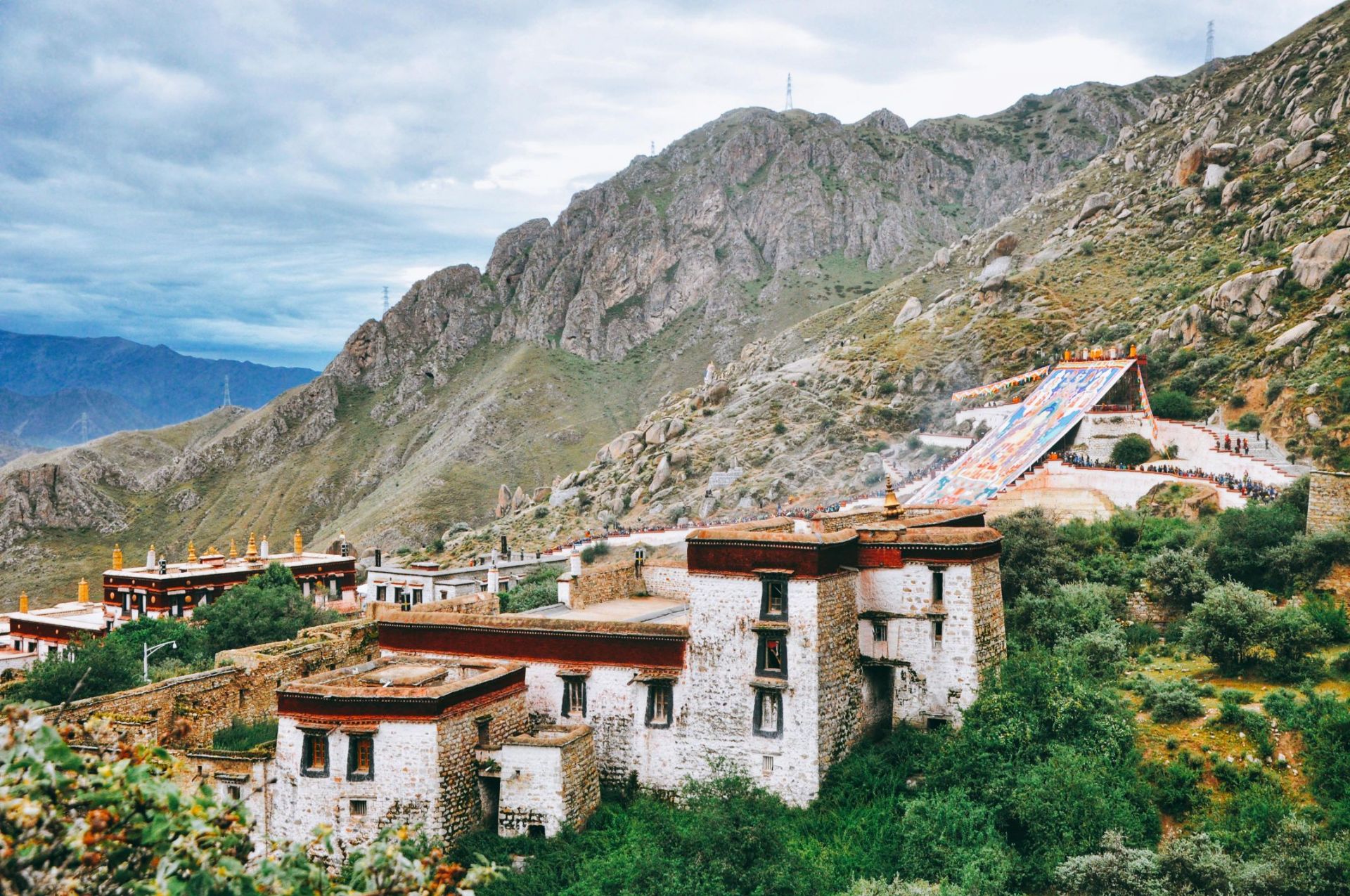
Drepung Monastery is found in the foothills of the western suburbs of Lhasa. The architectural complex of the monastery is large-scale. White houses and red halls line up onto the mountainside. They look like huge piles of rice which are spectacular when photographed. It is a monastery with a high status among the Gelug factions of Tibetan Buddhism. It has an impressive internal architectural atmosphere and is filled with many beautiful treasures.
-
Potala Palace Square
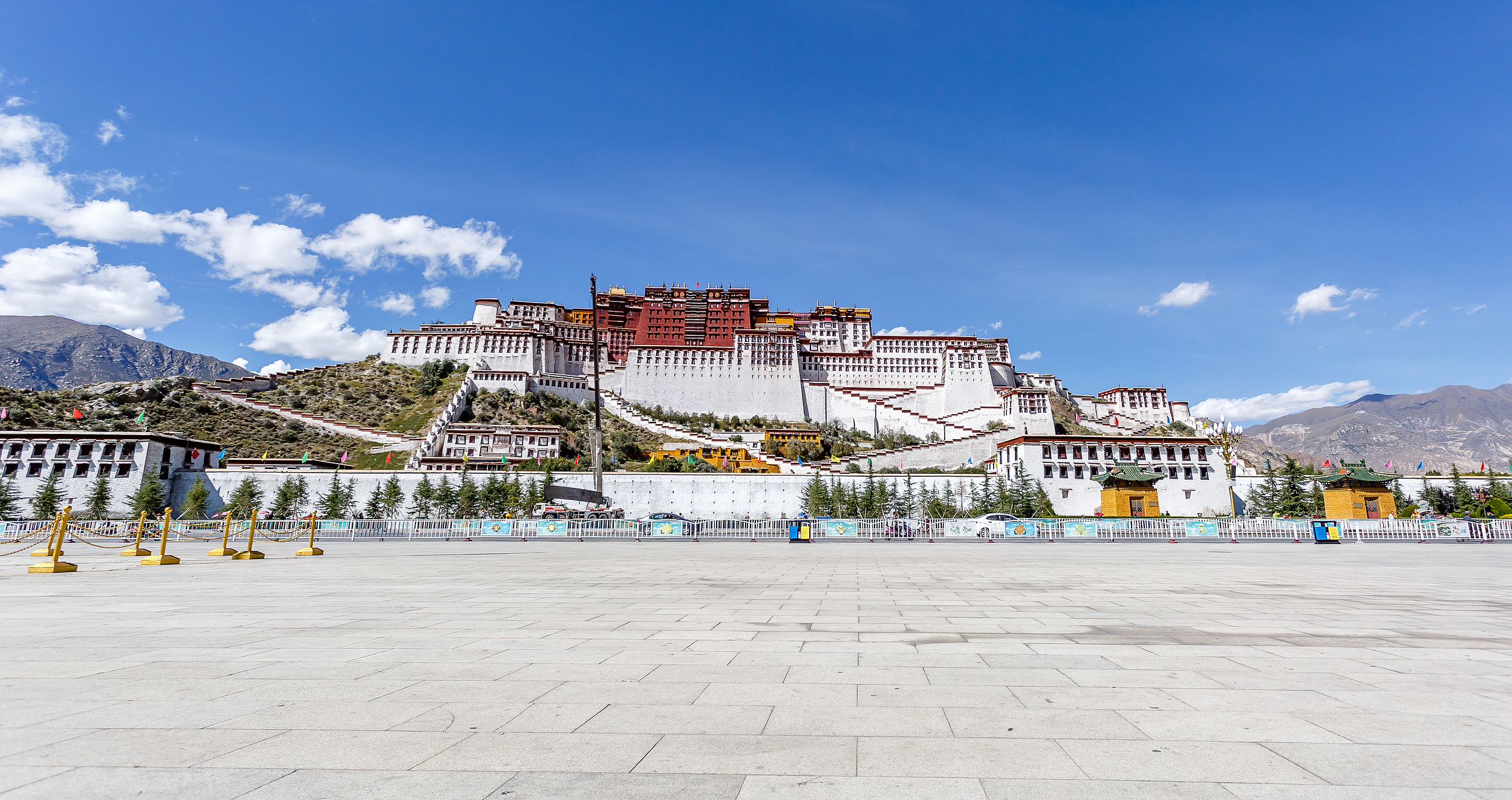
The Potala Palace Square is located opposite the Potala Palace in Lhasa, Tibet. This square is also an important part of the Potala Palace, a World Cultural Heritage site. It is an important event venue for the Tibet Autonomous Region Government and Lhasa City. It is also one of the tourist attractions for Chinese and foreign tourists to concentrate on sightseeing. It is a fine place for leisure, culture, and assembly and it is multi functional as a modern square
-
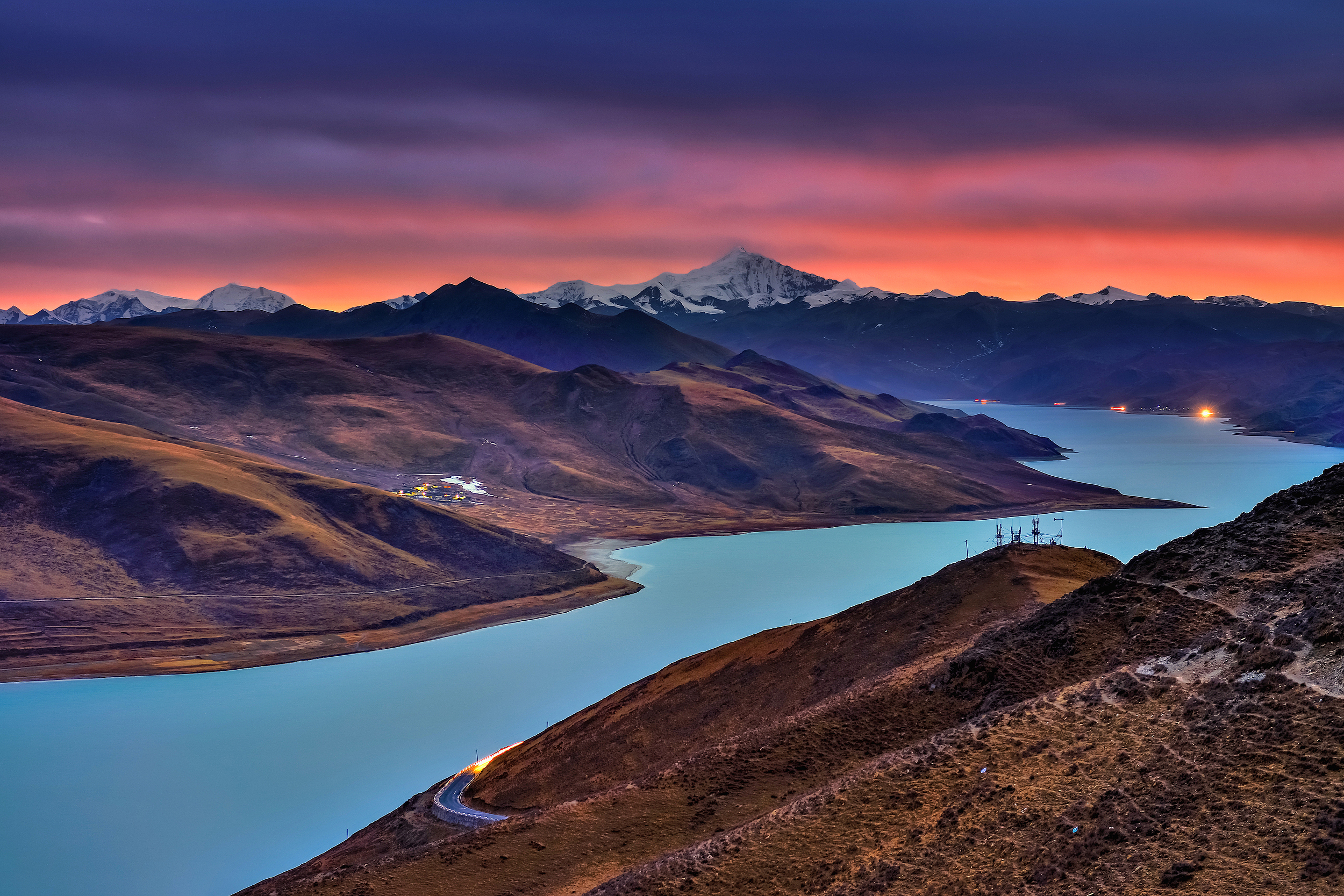
Ganbala Mountain
Gangbala Mountain is located between Langkazi County and Gonggar County in Shannan District of Tibet. It is adjacent to Yamdrok Lake in the south, Gangdise Mountain in the east, and Himalayas in the west. It lies in the center of Tibet. Rice, like all the famous mountain passes in Tibet, has a huge mani pile, pulling the overlapping wind and horse flags (that is, colorful prayer flags), fluttering in the wind, and this is also the perfect place to overlook the Yangzhuo Yongcuo. best location.
-
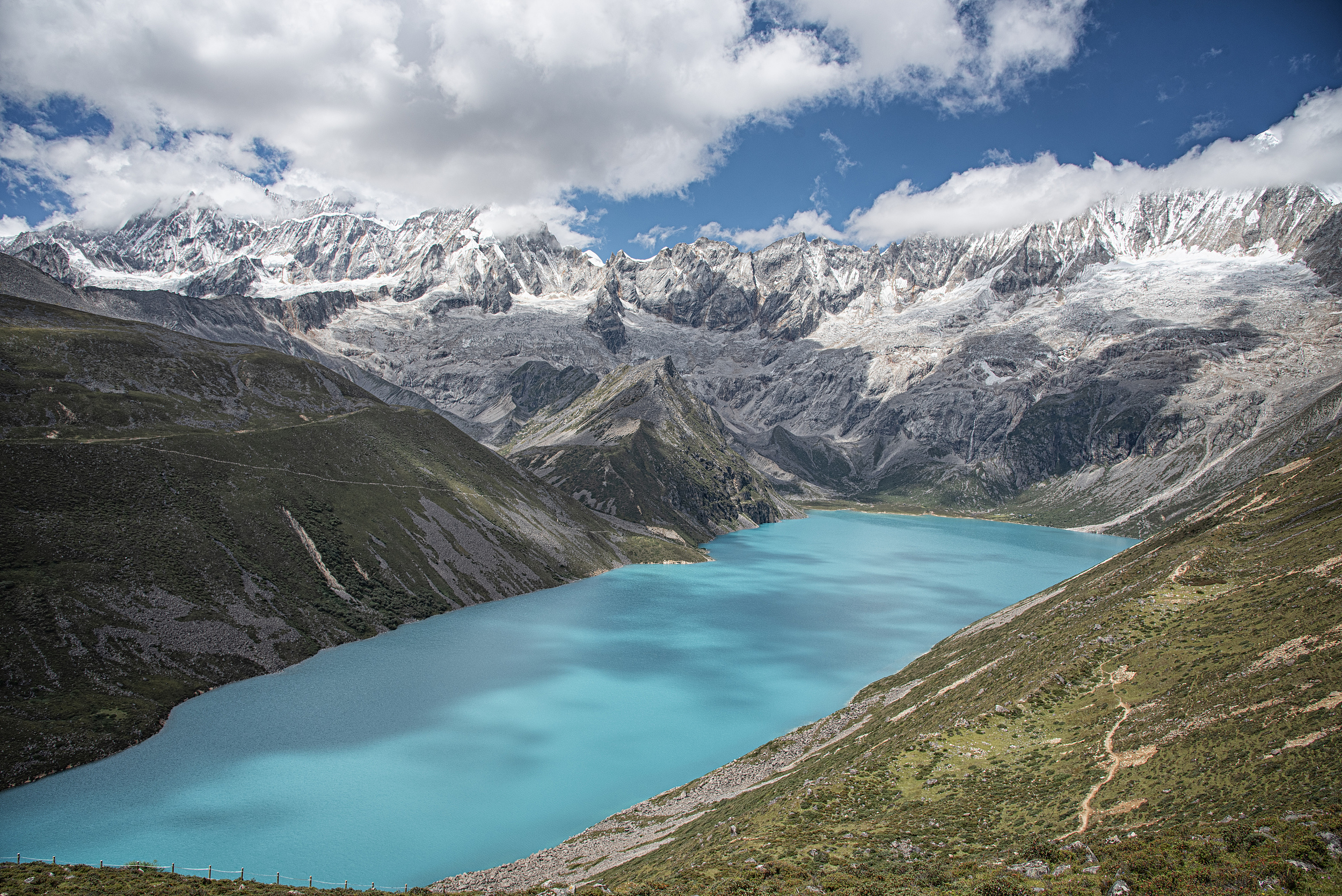
Kulagangri Snow Mountain
Kulagangri Snow Mountain is located in Lhozha County, Shannan Prefecture, Tibet. It is one of the famous “Four Sacred Mountains” in central Tibet, with an altitude of more than 7,000 meters. The snow mountain is located on the main ridgeline of the middle section of the Himalayas. It consists of three peaks. The main peak is soaring into the clouds, and together with the six surrounding peaks above 7,000 meters, it forms a magnificent ice and snow barrier. There are steep bedrock cliffs on both sides of the ridge. There are four glaciers in the canyon. The two glaciers on the north side are as long as 10 kilometers. The wonders such as ice towers, ice cliffs and ice walls are breathtaking. Kulagangri Snow Mountain not only attracts tourists with its natural landscape, but also looks particularly spectacular because of its frequent ice and snow avalanches. The northern foot of the mountain is the broad Lhozha Xiongqu Valley, with a harsh climate and strong winds all year round. However, in mid-April every year, the warm current of the Indian Ocean makes the valley on the south side glow with spring, with red flowers, green trees and colorful butterflies flying, adding vitality to this world of ice and snow. For travelers seeking adventure and natural beauty, the Kulakangri Snow Mountain offers a great opportunity for exploration.