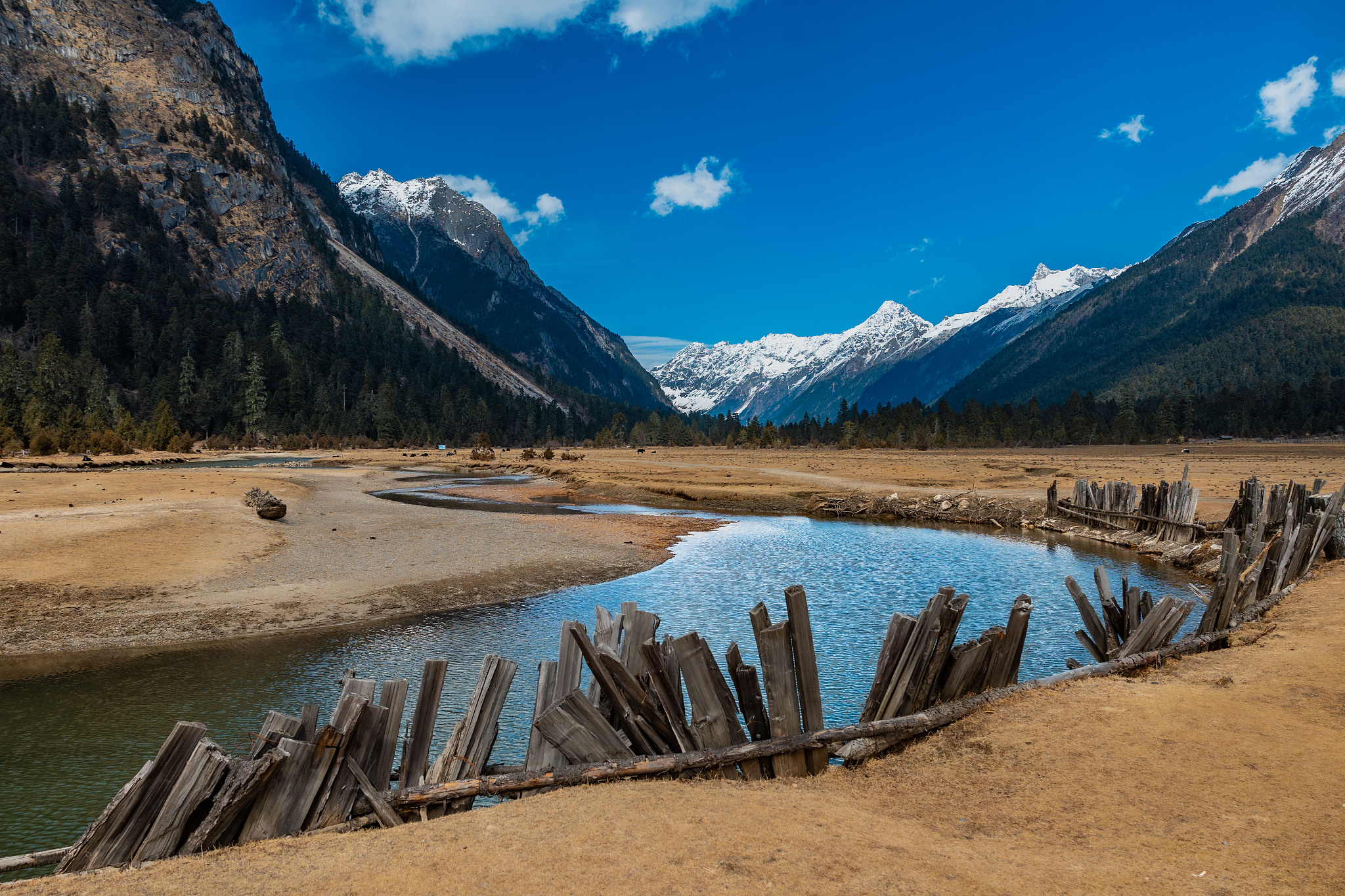
“Xin” means “wood, tree” in Tibetan, and Xincuo refers to a lake in the shape of a fallen tree. Some people say that the reason why it is called “Xincuo” means “newly discovered lake”. There are very few people who know about Xincuo, and it takes more than two hours to reach it, which also blocks a considerable number of tourist enthusiasts. Anyone who knows it will say: the beauty of Xincuo is too worth hiking and camping. Moreover, if the roads in this world are all flat roads, you will never experience the sweetness and comfort of hiking.
归档: Attractions
-
Huxin Island
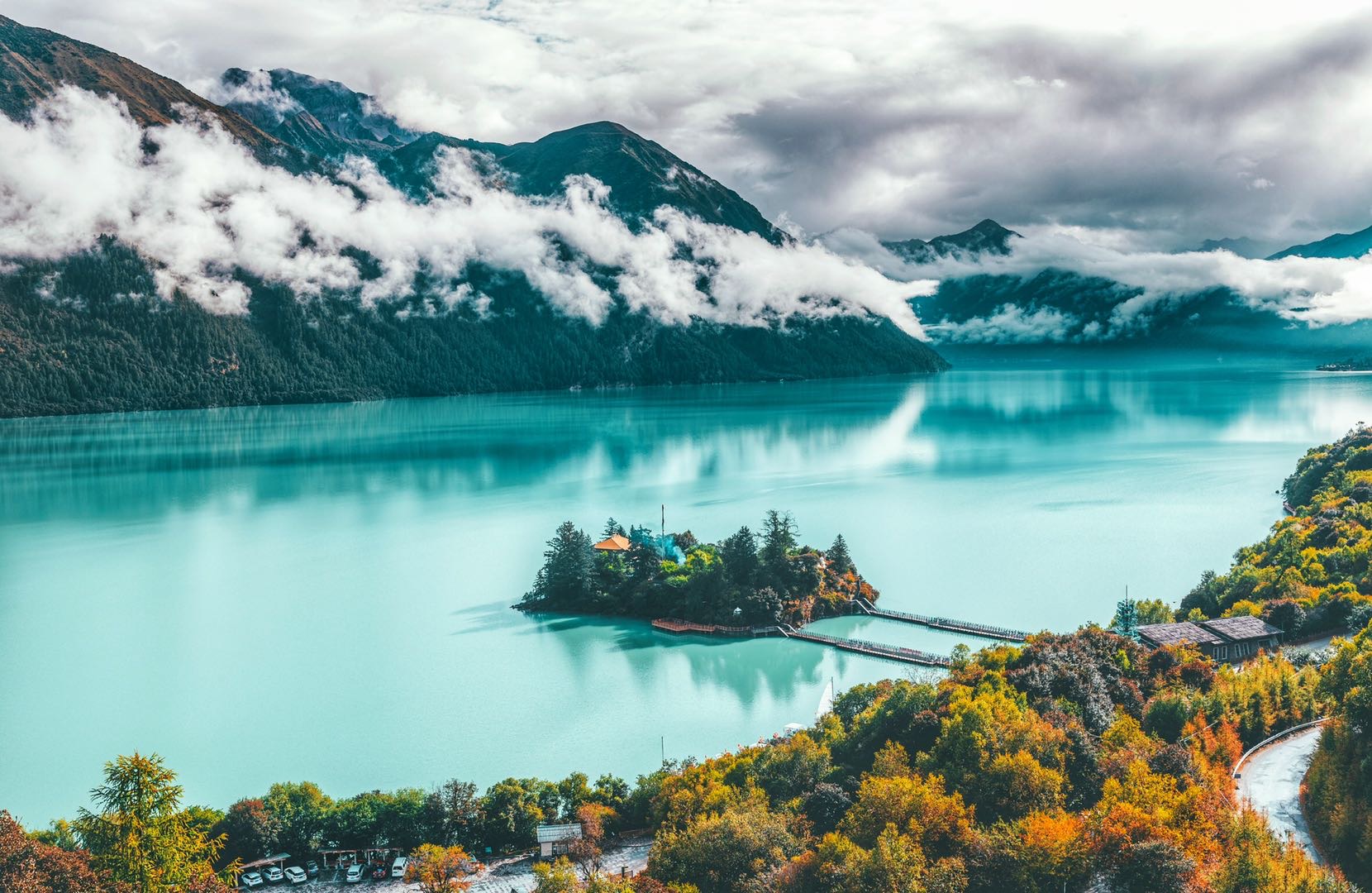
The island in the center of the lake is located on the surface of the lake, with pontoon passages passing through it. There are also white pagodas, temples and other attractions on the island.
-
Gaura
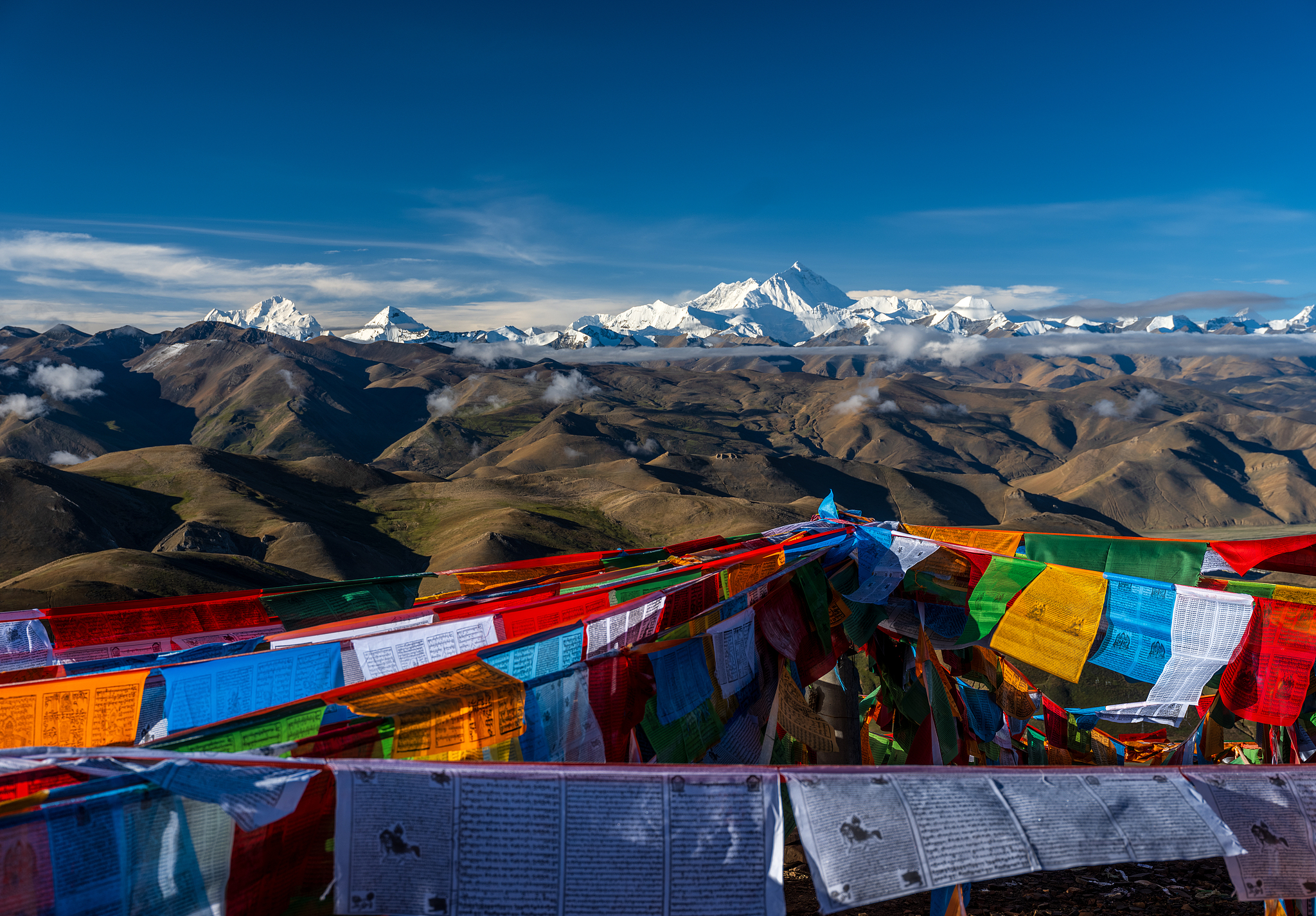
Gaura Pass can be said to be one of the very famous viewing platforms for shooting Mount Everest. Standing on this top of the mountain, there are rolling mountains at the foot, and in the distance stand four peaks of the Himalayas with an altitude of more than 8,000 meters. They are arranged in the order from left to right: Makalu, Lhotse, Everest, Cho Oyu peak.
-
The World Cypress King Park
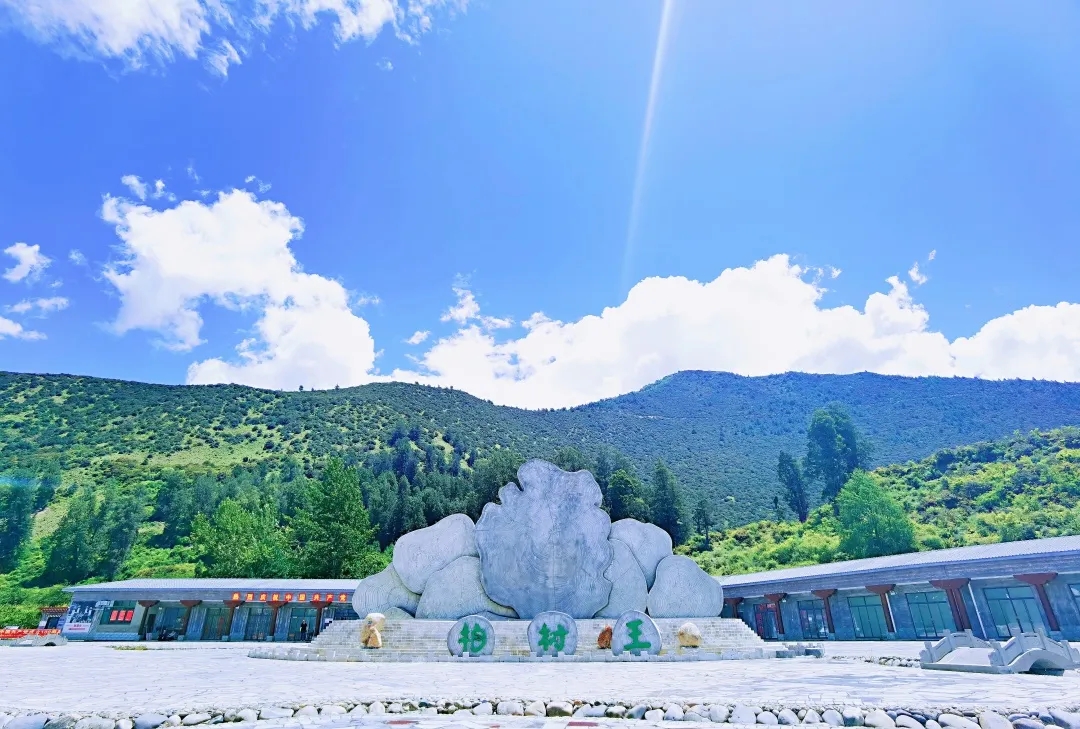
The Attraction is located in Baji Village, Bayi District, Nyingchi City, 6 kilometers away from the municipal government seat. It is the nearest “forest oxygen bar” to the urban area. The average altitude is between 3,000 and 3,200 meters. It has a temperate humid monsoon climate, with abundant rainfall and sufficient sunshine throughout the year. The winter is mild and dry, the summer is humid without high temperature, the annual average temperature is 8.5℃, and the climate is pleasant.The numerous giant cypress trees in the Attraction are also called “Yarlung Zangbo River Cypress”. In Tibetan, they are called “Laxin Xiuba”, which means sacred tree. One of the giant cypress trees is 57 meters high and 5.8 meters in diameter. It takes more than a dozen adults to hug it. The tree is more than 3,200 years old and is known as a “living cultural relic” and “the king of cypress trees in the world”. In 2019, this giant cypress was reviewed and confirmed by a world certification agency as “the oldest giant cypress in the world”.The World Cypress King Garden Attraction is a holy place in the minds of local Tibetan people. According to legend, the ancient cypress trees were transformed from the hair of Bon religion founder Donba Xinrab Miwoche. Among them, the certified “World Cypress King” represents the tree of life and soul of Donba Xinrab Miwoche.
-
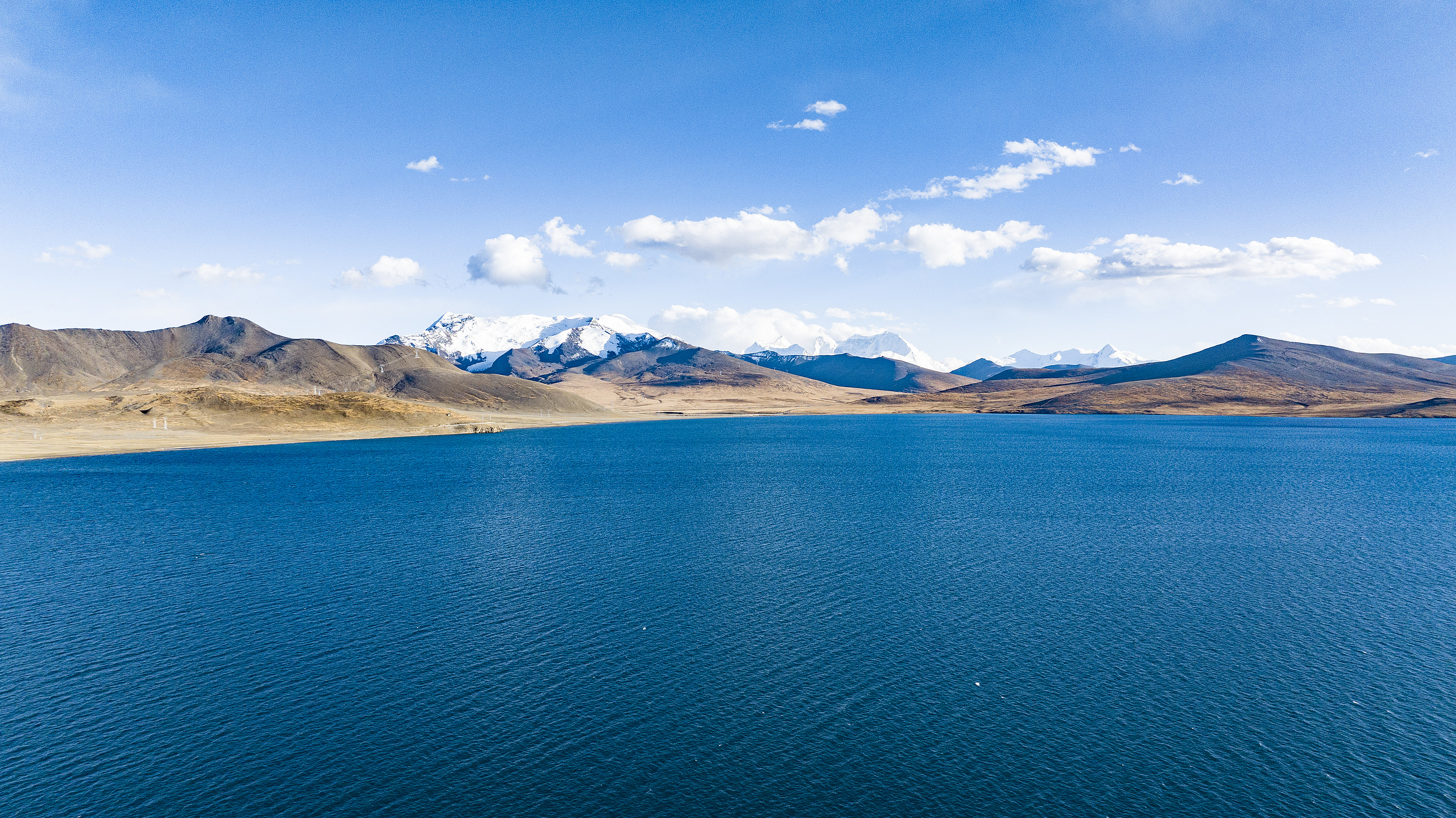
Phumo Yumtsolake
Pumo Yumco is a saltwater lake in the Himalayas, located south of Yamdrok Yumco in Langkazi County, at an altitude of about 5,010 meters. The lake runs east-west, with a shoreline of about 94 kilometers. It is the highest lake in southern Tibet and is known as the “Lake Baikal” in China.There are three small rocky islands in the northeast of the lake. The lakeside is covered with lush aquatic plants and is surrounded by endless grasslands and snow-capped mountains. The scenery is breathtaking. In winter, Pumoyongcuo will freeze into blue ice blocks, and huge ice waves will pile up on the lakeside. Under the refraction of the sun, the cracks and bubbles in the blue ice are clearly visible, and being in it is like being in a fairyland.
-
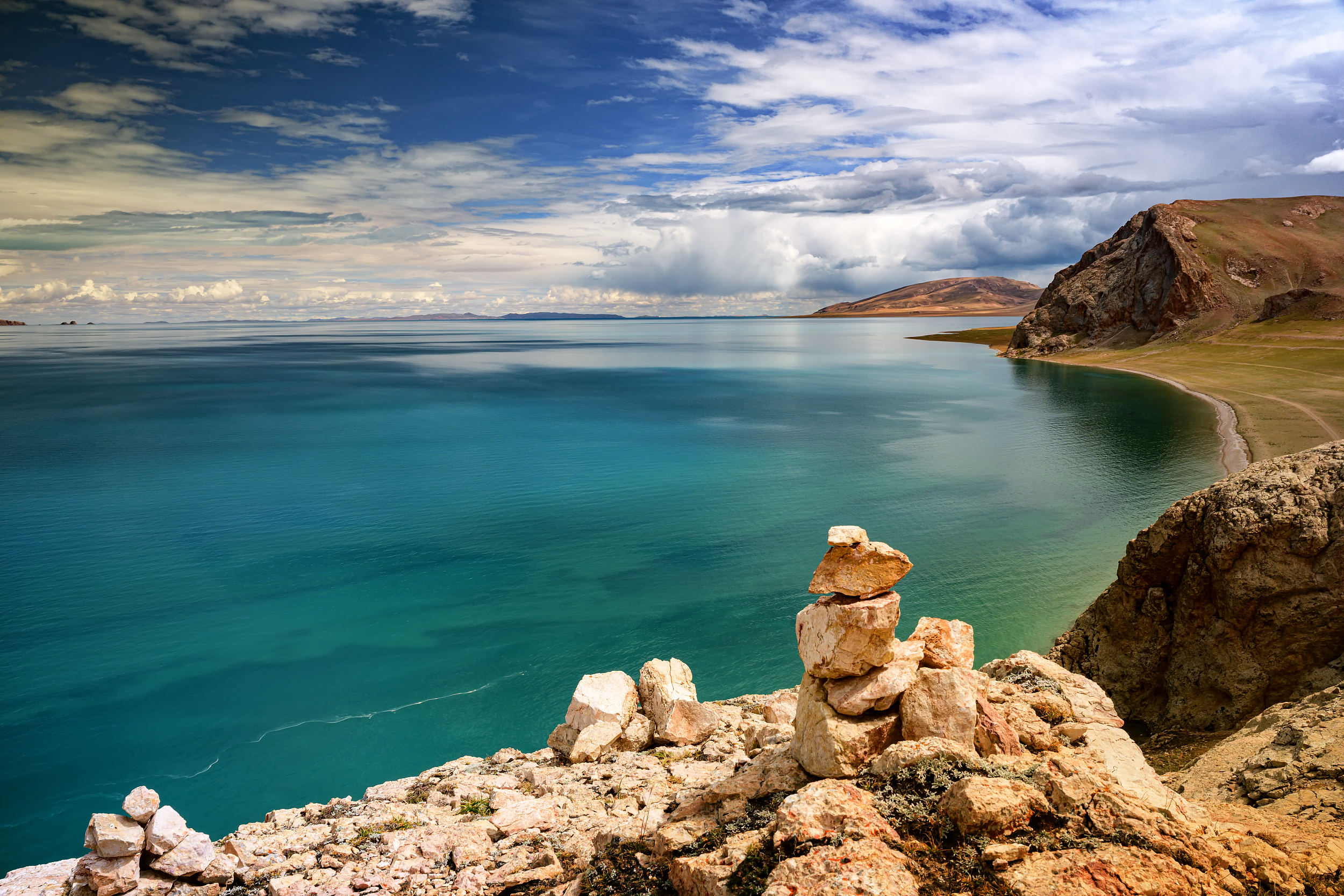
Siling Lake
The lake of Selincuo is 4530 meters above sea level, 72 kilometers long from east to west, 22.8 kilometers wide on average, 40 kilometers wide in the east, and 1640 square kilometers in area. There are many rivers and lakes in the basin, forming a closed inland lake group. In addition to Selincuo, there are 23 small satellite lakes such as Gerencuo, Wurucuo and Rencuo Gongma. Every summer, the lakeside scenery is unique, and all kinds of migratory birds live on the small islands in the lake.
-
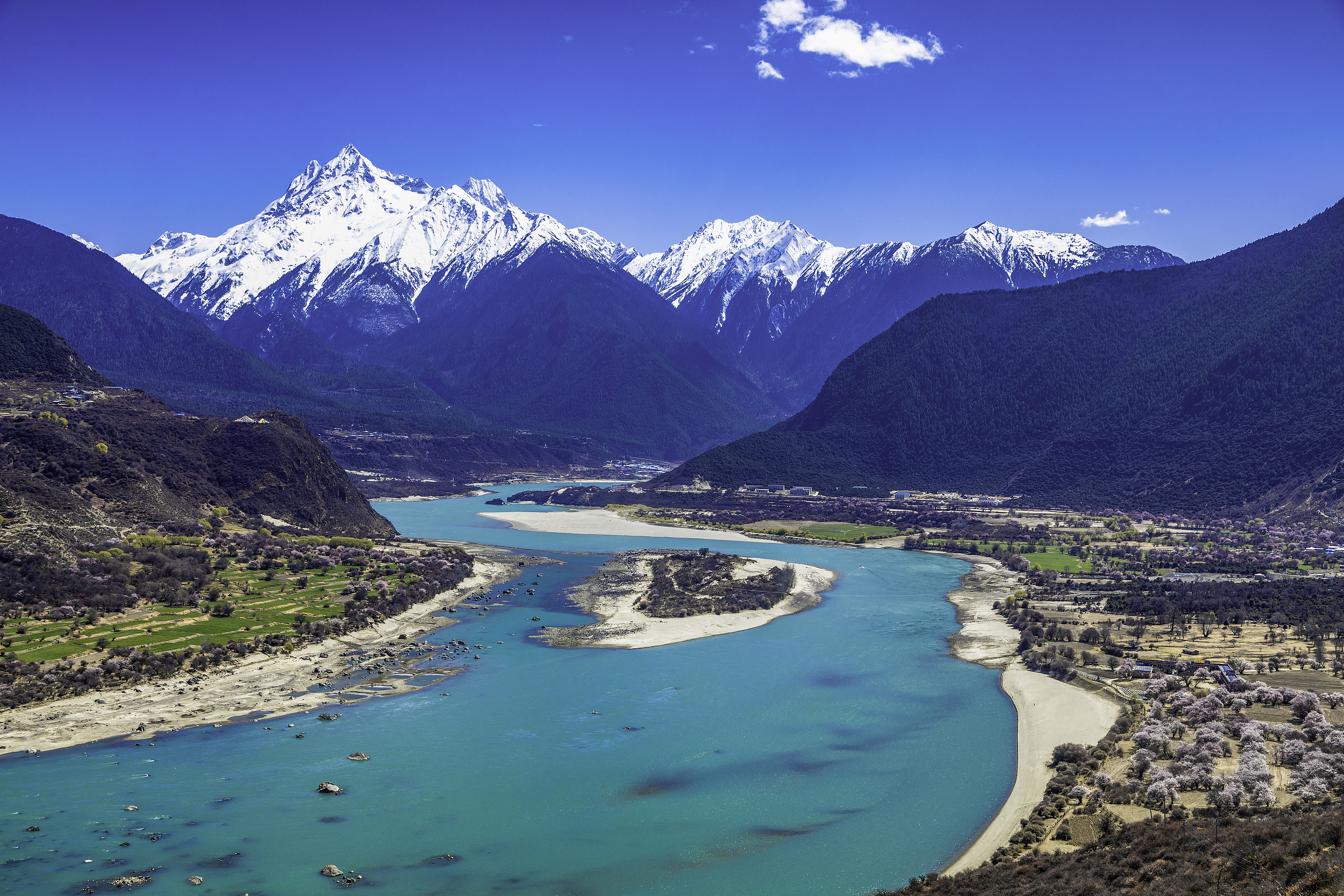
Yarlong Tsangpo River
The Yarlung Zangbo River is called “Yangchabu Zangbo” in ancient Tibetan documents, and it originates from the Jema Yangzong Glacier in the snowy ridges of the icebergs at the northern foot of the middle of the Himalayas. The reserves of hydropower are abundant, second only to the Yangtze River in China.
-
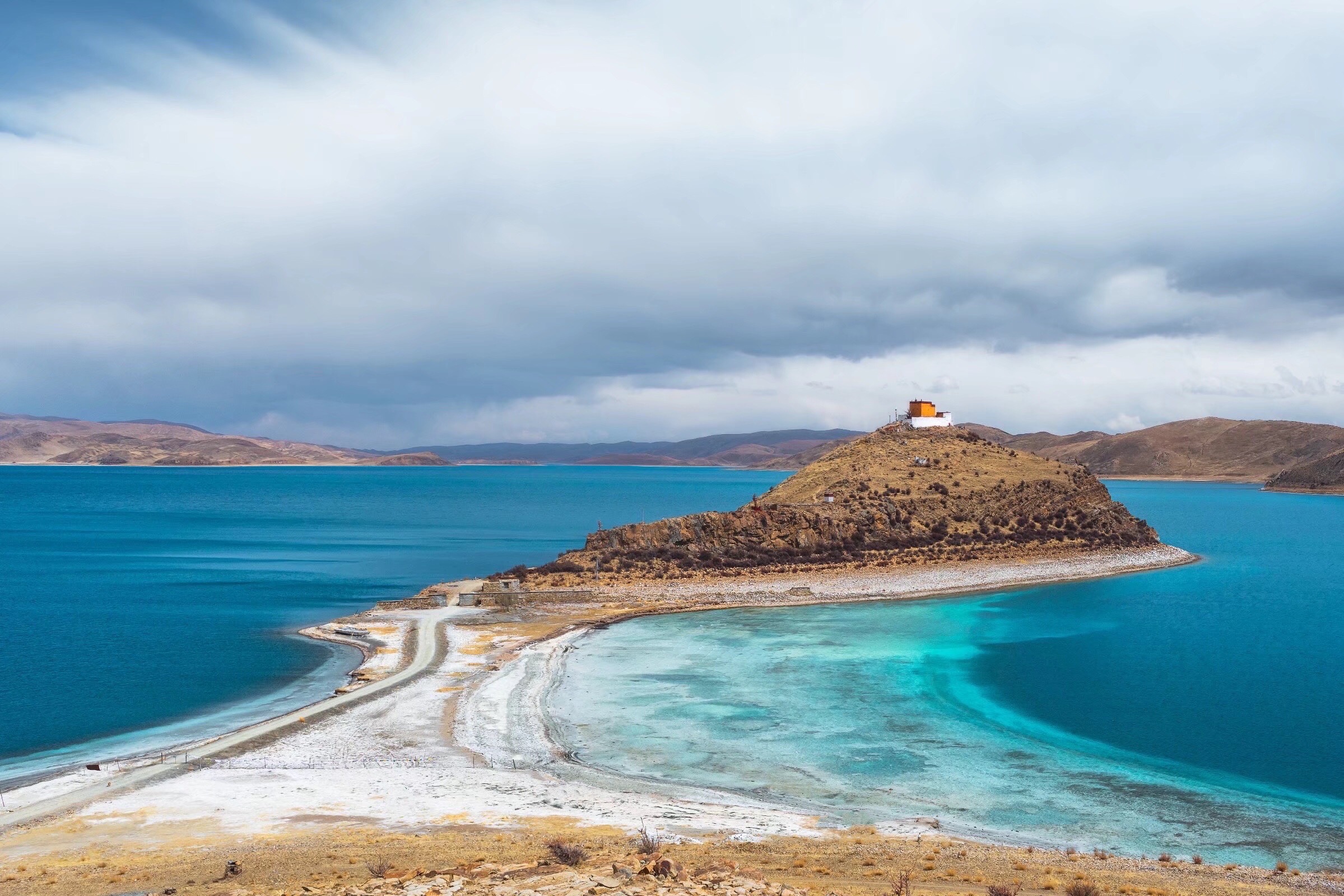
Rituo Temple
Rito Monastery is located on the shore of the Jade Yamdrok Lake, surrounded by the lake and beautiful scenery. It is a secret place worth visiting for tourists. You can have a 360-degree panoramic view of the world of Yamdrok Lake, which makes people feel as if they are out of this world and feel relaxed and happy. Visitors can also explore the daily life of the ascetic monks here and experience the dual impact of vision and spirit.Rito Temple is built on the hillside, with a staggered layout, reflecting the unique style of Tibetan architecture. Visitors can visit the main hall, pagoda and monks’ quarters, and admire the exquisite murals and carvings. These works of art not only show Buddhist stories, but also reflect the history and culture of the Tibetan people. The daily chanting of monks in the temple provides visitors with an opportunity to experience the religious atmosphere.The natural environment around Rito Monastery is equally intoxicating. Surrounded by lakes, mountains and green waters, it feels like being in a fairyland, providing an ideal place for tourists to relax. Walking by the Yamdrok Lake, you can see bar-headed geese swimming freely in the water, and when night falls, the sky is full of stars reflected on the lake. Here, the temple and the lake, the snow-capped peaks and the blue sky are integrated. Rito Monastery provides every visitor with a perfect journey to explore religious culture and feel the tranquility of the soul.
-
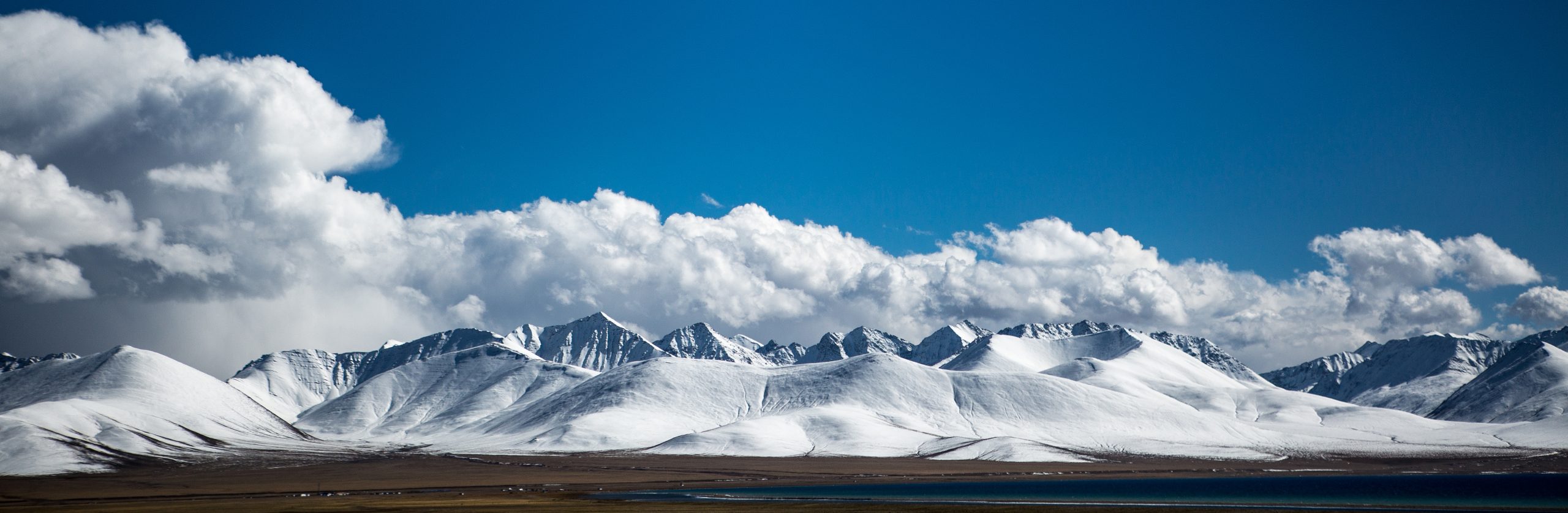
Nyainqentanglha Mountain
The Tanggula Mountains are located on the Qinghai-Tibet Plateau, with Jieshan in the east and Yunling and Nushan in the Hengduan Mountains in the southeast. “Tibetan means “mountain on the plateau”, also known as “Dangla Mountain”, which means “mountain that eagles cannot fly over” in Mongolian. It is an east-west mountain range in the middle of the Qinghai-Tibet Plateau. About 6000 meters, Tanggula Mountain (peak name) is about 6099 meters.
-
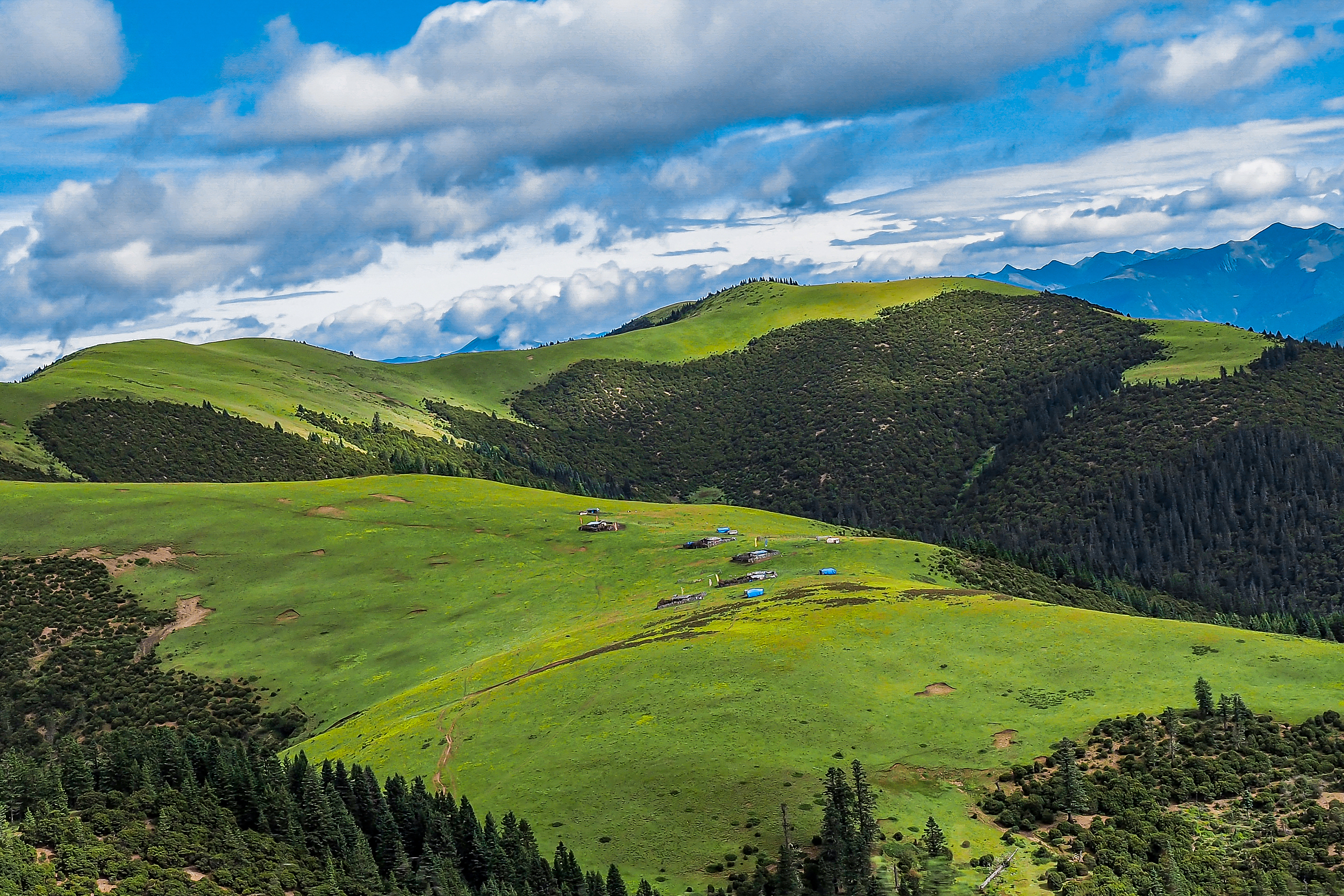
North Tibet Grassland
The northern Tibetan grasslands have a vast grassland area and beautiful scenery, with blue sky, snow-capped mountains, tents, etc., which are breathtakingly beautiful.