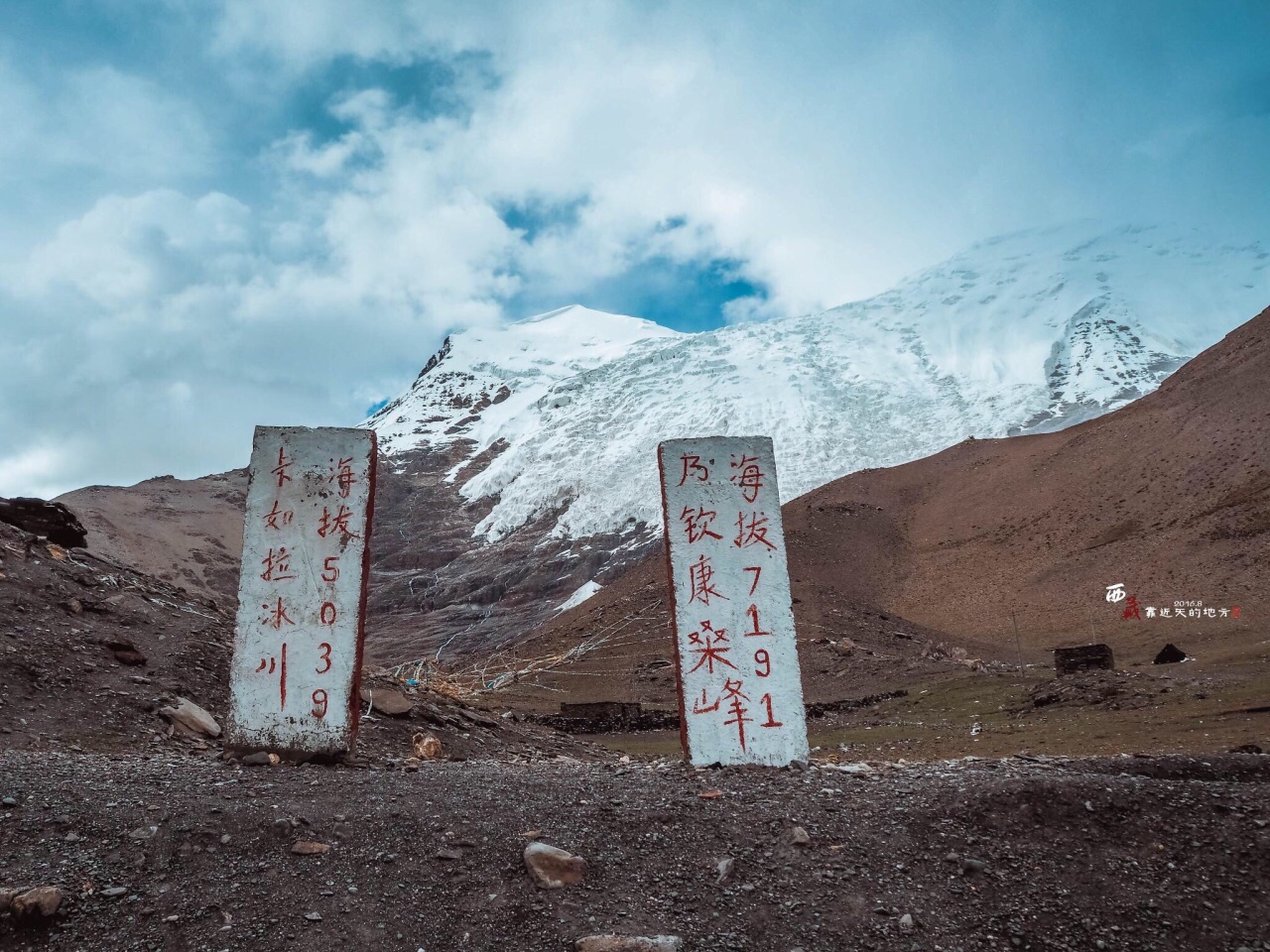
Karuola Glacier is located at the boundary between Nagarze County and Gyangze County in the south of Tibet. It leans on the south slope of Nojin Kangsan Mountain, one of the four largest mountains in Tibet. The top of the glacier is the ice cap with gradual slope, while the bottom is two ice tongues shaped as ice fall. Karuola Glacier is one of the three continental glaciers in Tibet, and it is also an outdoor shooting site, for multiple movies.
归档: Attractions
-
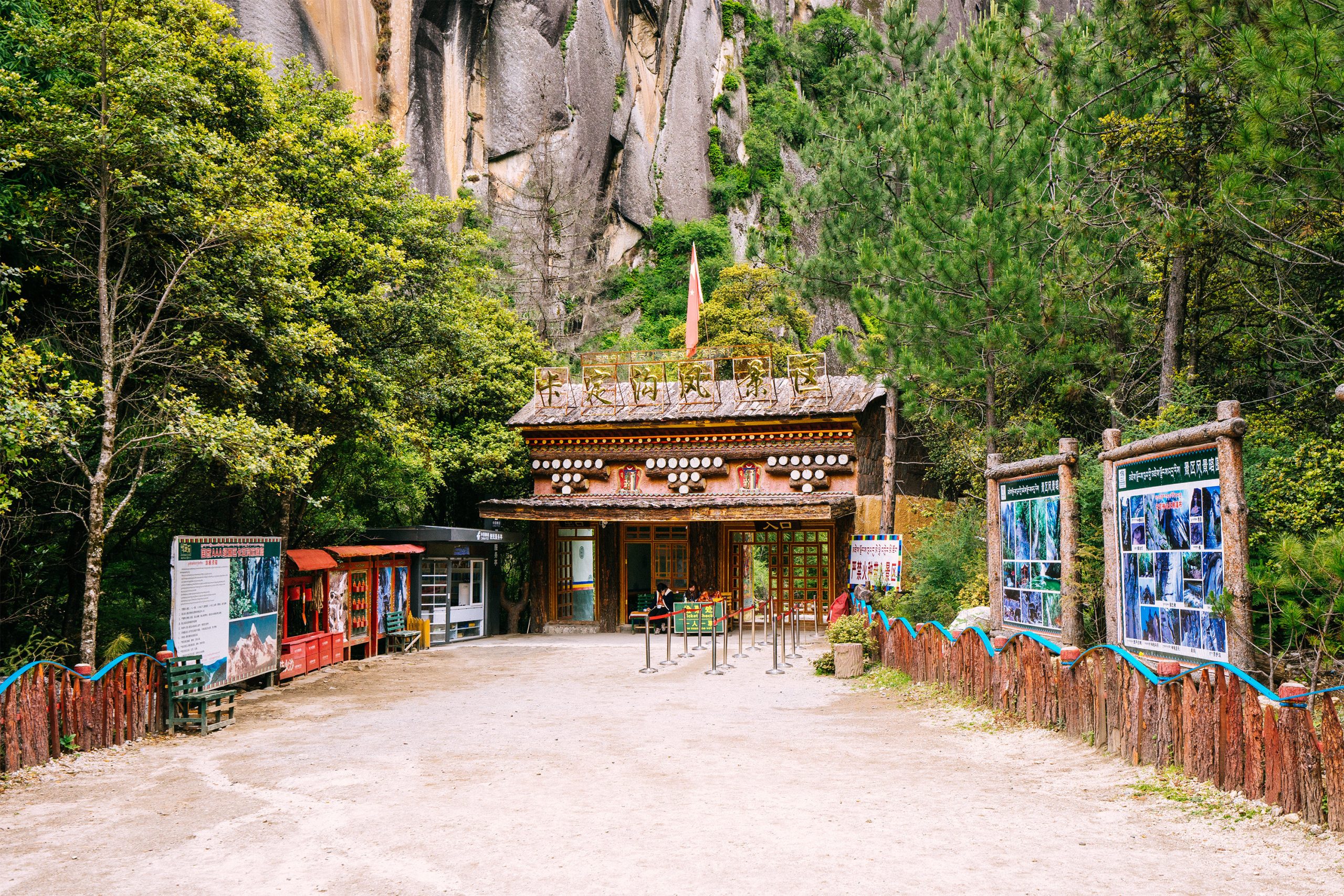
Kadinggou Scenic Area
Kadinggou Attraction, also known as Kading Tianfo Waterfall Forest Attraction, is located on the banks of the Niyang River, 24 kilometers from Bayi Town on National Highway 318. The valley is full of towering ancient trees and gurgling water, and the environment is very beautiful. The cliffs on both sides have peculiar shapes, with various images such as big Buddhas and animals. There is also a 200-meter-high Tianfo Waterfall in the depths of the canyon, which is very beautiful. Kadinggou Scenic Attraction is not large. There are steps and plank roads in the Attraction, and you can walk around in about an hour. The main attraction in the Attraction is Tianfo Waterfall. Going up to the viewing platform, the silver chain-like water flows on the cliff, which is very spectacular. When the waterfall is small, it floats down like a silver chain, and when the water is large, it is magnificent and thrilling. There is a naturally formed Buddha statue on the rock wall behind the waterfall. It is said that this is the patron saint of Tibetan compatriots in Linzhi area. The face is clear, as if it was artificially carved. There are male and female guardians on both sides of the Buddha statue, and they are also solemn and lifelike. The female guardian Bandan Lhamo on the right is about 100 meters tall. You can vaguely see that she is wearing a veil, a ribbon around her waist, and holding Buddhist beads. Her image is lifelike; on the left is Jigong worshipping Buddha, and her image is equally lifelike. In addition to the heavenly Buddha and the guardians on both sides, there are also naturally formed abstract Buddhist landscapes around the cliff, such as Tathagata, Guanyin, Lama chanting, divine turtle calling the sky, divine eagle offering treasures, and butter lamps. Although they are also lifelike, they still require a little imagination. It is said that people with a predestined relationship with Buddhism can better see their forms. Under the waterfall, local Tibetans often support their elderly parents to come here to worship, hang prayer flags and offer Hada.
-
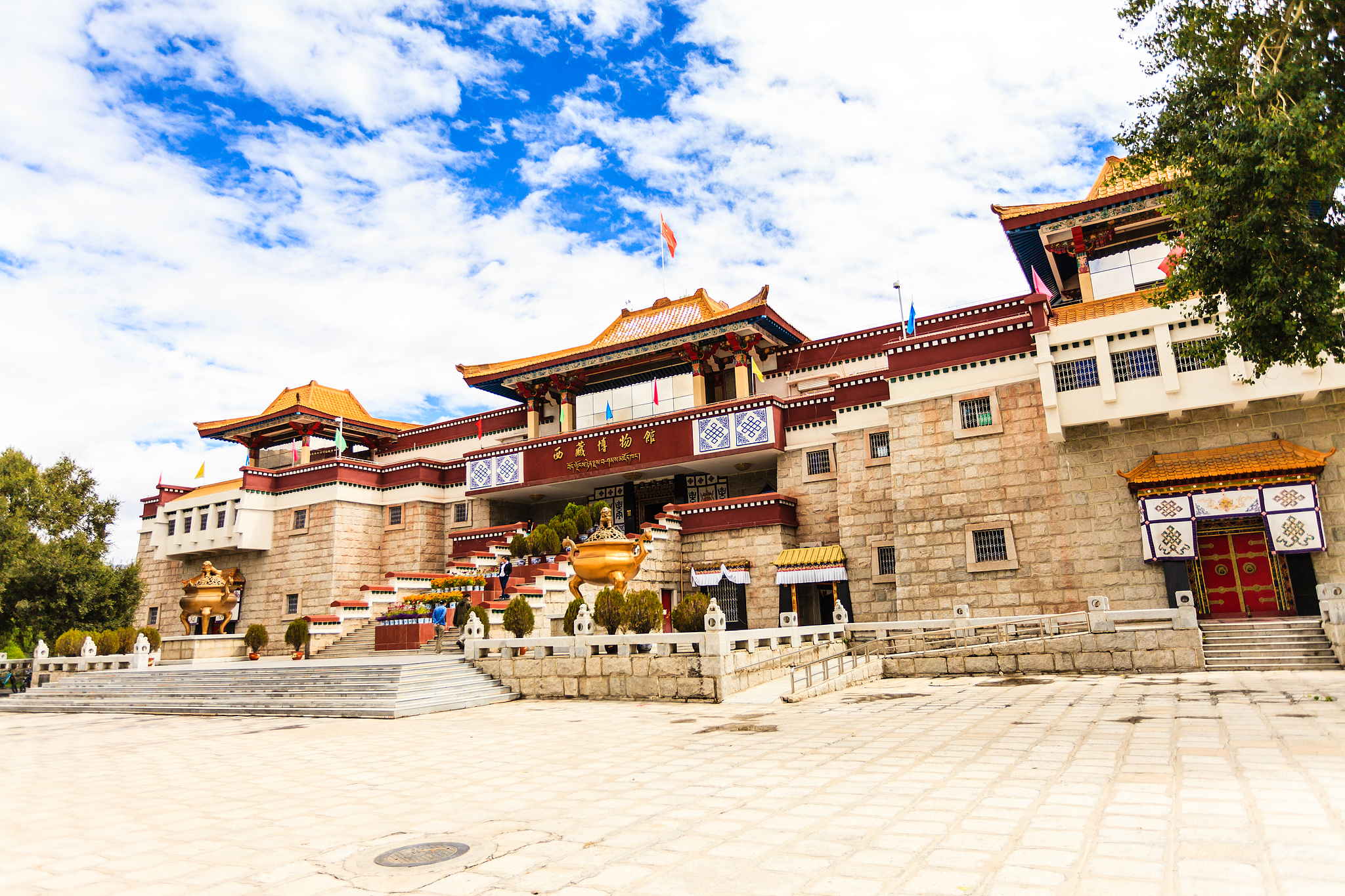
Tibet Museum
The Tibet Museum is located across the road in the east of Norbulingka in Lhasa City. It is the first museum with modern functions in Tibet. There are many precious cultural relics in the museum, showing the splendid culture and long history of the unique charm of the Tibetan nation. The museum is divided into three floors, the first floor is a tourist souvenir shop, the second floor is a Tibetan history exhibition, and the third floor is special exhibitions and temporary exhibitions such as thangkas, animals and plants, and jade. The exhibition hall of the museum consists of four major parts: prehistoric culture, indivisible history, culture and art, and folk culture. Each exhibition hall displays a wealth of treasures in the collection, such as statues of Buddha and Bodhisattva in various textures and shapes, handwritten Tibetan classics dipped in gold powder, silver powder, coral powder, etc. Jade sticks used in rituals, colorful thangkas, various musical instruments and instruments, handicrafts with distinctive national characteristics, pottery with unique styles, etc., from Tibetan history, culture, art, religion, folk customs, etc. It shows the audience the splendid culture and long history of the Tibetan people’s unique charm. The prehistoric culture exhibition hall displays the stone chips, stone cores and other Paleolithic tools of daily life excavated in northern Tibet in the early days, as well as stone adzes, stone axes, stone chisels and stone clusters, bone cones, bones unearthed in Qamdo in the late Neolithic Age. The needles and various red, grey and black pottery utensils completely reproduce several representative eras before Tibet entered a civilized society: the Paleolithic, Neolithic, Bronze Age and Iron Age. The inseparable history exhibition hall intuitively reveals that Tibet has been an important and inseparable part of China since ancient times through some precious historical materials. The two exhibition halls of culture and art and folk culture vividly show the audience the long history and splendid culture of Tibet with exquisite Buddhist statues, thangkas, pottery, scriptures and other precious cultural relics. A must-see in all the collections of the Fifth Golden Seal is the Fifth Golden Seal. At that time, Ngawang Lobsang Gyatso went to Beijing for pilgrimage in order to obtain the support of the central government of the Qing Dynasty, and he was bestowed upon him after the fifth Ngawang Lhasang Gyatso was enshrined in Shunzhi. The golden seal is made of pure gold and weighs 8.5 kilograms. The seals are written in Han, Tibetan, Manchu and Mongolian. In addition, there is also a legend that Princess Wencheng drew a “witch map” thangka about the terrain of the Tibetan area. In the picture, a witch is lying on her back. There are temples built in twelve important parts of her body, such as the joints and the heart. The Jokhang Temple is located at the heart of the witch, which has a profound meaning. Audio guides are available in the museum and can be rented for free at the gate. Entering the exhibition hall, in front of different exhibits, you can hear the explanations of the exhibits in four languages including Tibetan, Chinese, Japanese and English. For the protection of cultural relics, the museum stipulates that photography is not allowed in the exhibition hall, please follow the regulations.
-
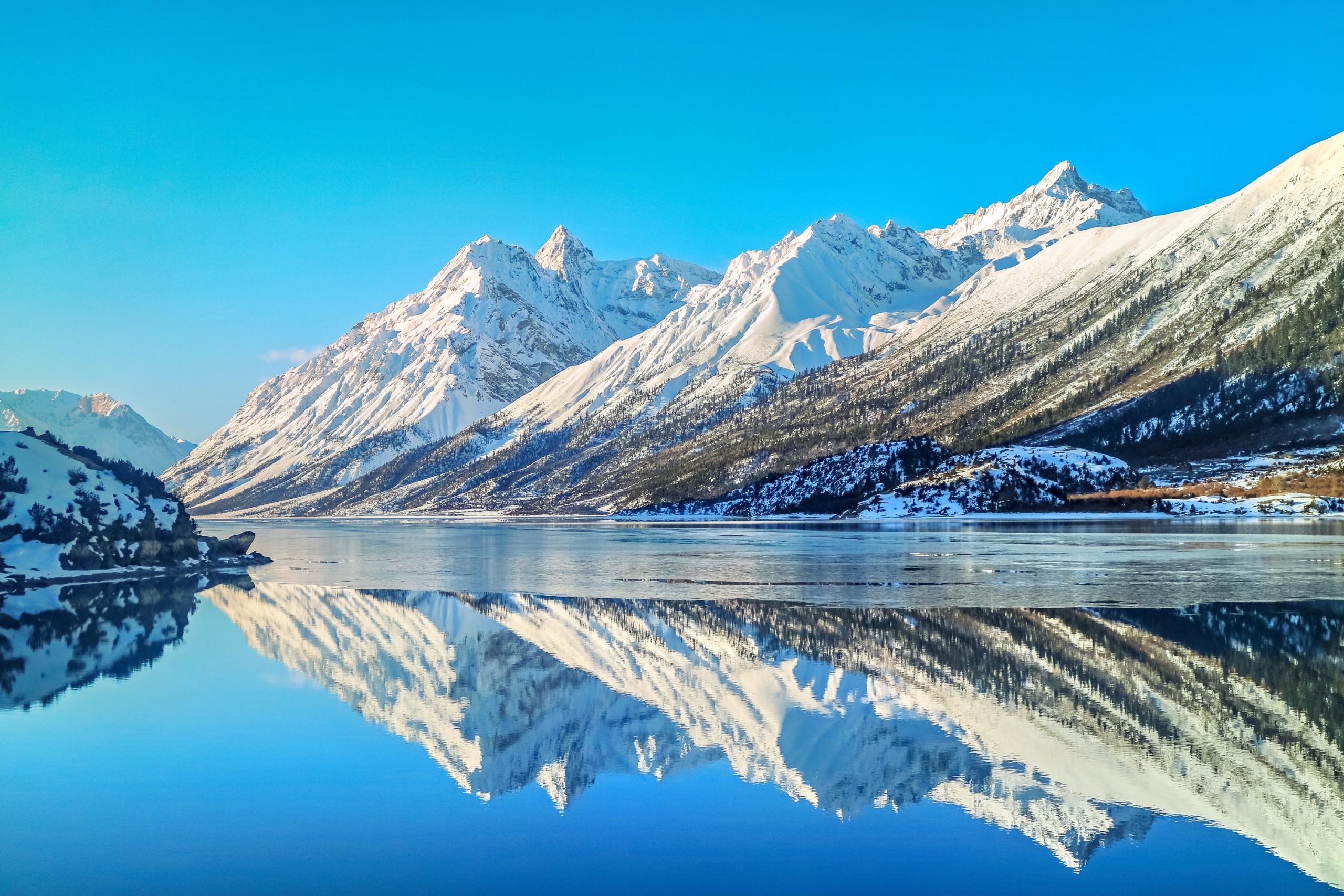
Ranwu Lake
Ranwu Lake is located in Basu on National Highway 318. It is the main source of the Palong Zangbo River, a tributary of the Brahmaputra, with a length of about 25 kilometers. The whole lake is in the shape of a long and narrow river valley, with a width of 12 kilometers. To the north of Wuhu Lake is the famous Laigu Glacier, which extends to the lake. Whenever the snow and ice melt, the snow water is poured into the lake, so that there is always a rich source of water here. Ranwu Lake is surrounded by a large meadow of green grass, covered with bright wolf poisonous flowers, blue lake water and snow-capped peaks, forming a beautiful scenery. Depending on the season, the lake water also presents several colors such as blue or green, with many rocks and small islands interspersed among them.
-
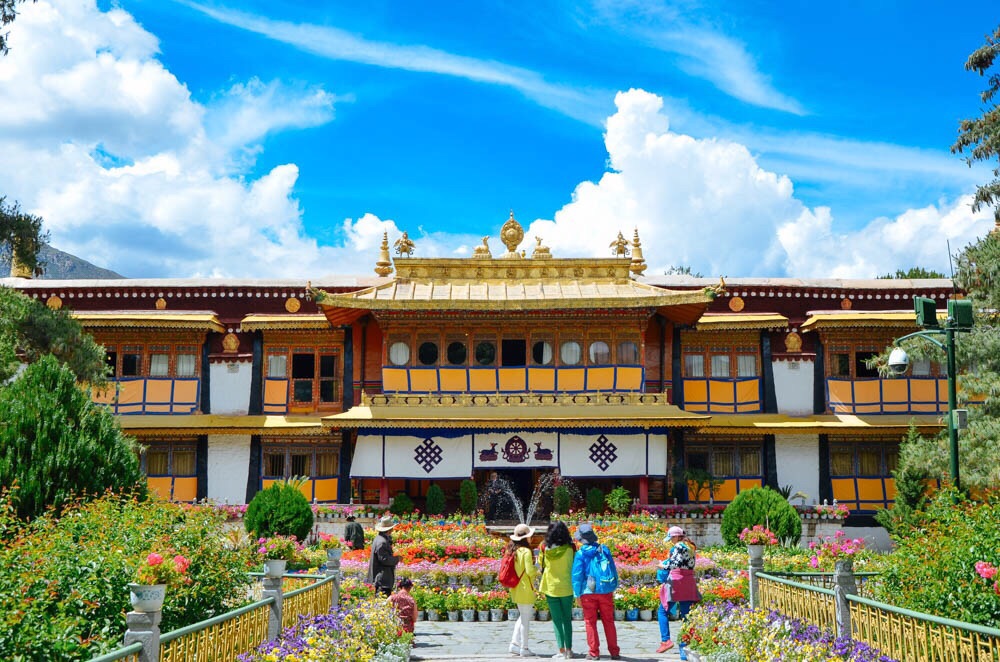
Norbulingka
Norbulingka is a palace and surrounding park in Lhasa, Tibet, which has a lot of relics and treasures remained. As a huge and exquisite park of Tibet, there are more than 300 rooms in it. Norbulingka has a beautiful scenery surrounded by various types and numbers of plants and flowers, which is like a wondering place of the earth.
-
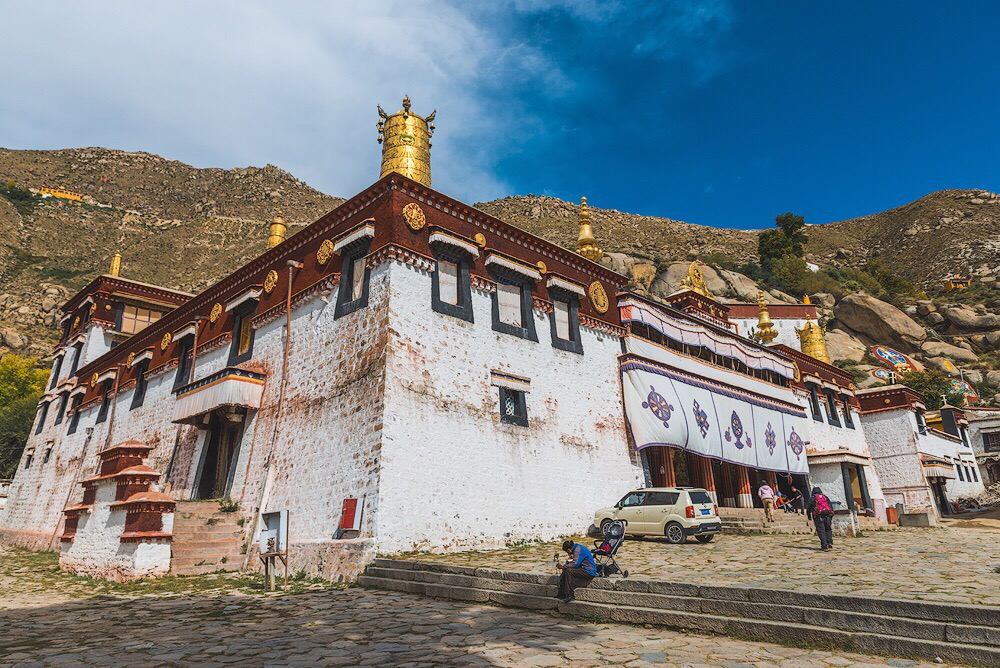
Sera Monastery
The Sera Monastery is called salad Dalai Chau. It is located at the foot of the Seraulu Mountain in the northern suburbs of Lhasa City. It was built for the disciples of the Tsongkhapa Master Minchin Ching-chih and the Ming Dynasty Yongle. Sera Monastery is a large-scale temple built on a hill. It is one of the three largest temples in Lhasa and one of the six temples of Gelugpa (Yellow religion).
-
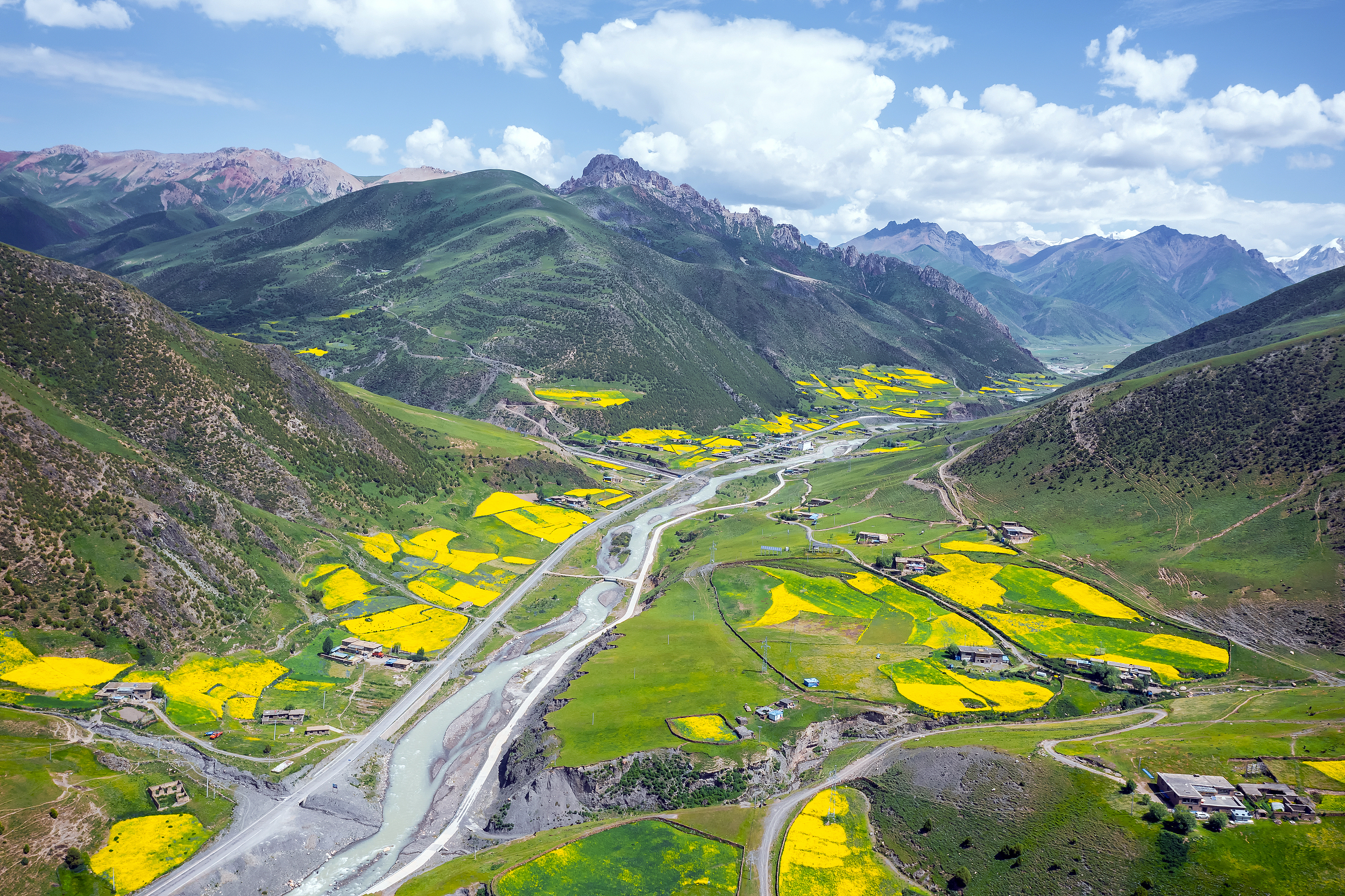
Chuanzang Highway
The Sichuan-Tibet Highway is about 2,140 kilometers long. Self-driving drivers will cross 14 high mountains with an average altitude of about 4 to 5 kilometers, across many well-known rivers such as the Dadu River, Jinsha River, Lancang River, and Nu River, and pass through virgin forests and countless Dangerous area. As part of the 318 National Highway, the Sichuan-Tibet Highway can be said to be the most rugged, steep and difficult road in China. This road extending from east to west at “30 degrees north latitude” not only has rich and spectacular natural scenery, but also has a more attractive cultural landscape, attracting a large number of self-driving enthusiasts to embark on a devout pilgrimage every year.
-
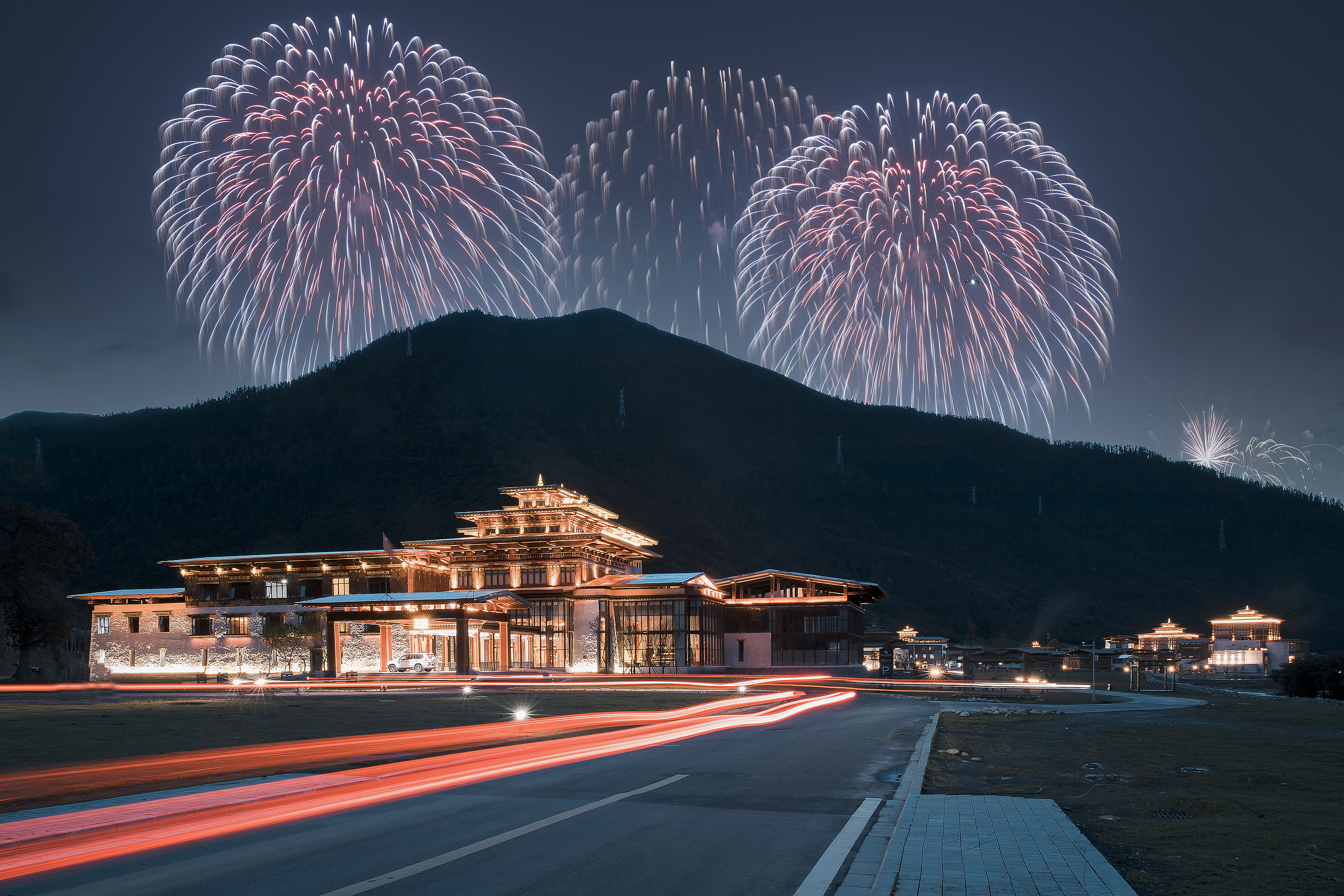
Lu Lang Town
Lulang Town is located in Bayi District, Nyingchi Prefecture. It is a quiet town surrounded by forests and mountains. The town is a pastoral scenery of wooden houses and fences. In the distance, the mountains are shrouded in clouds and mist, and the alpine meadows are full of wild flowers. The scenery is beautiful and peaceful. Lulang Town now has a relatively complete range of accommodation and Dining business places, and has beautiful scenery. Many tourists who take the Sichuan-Tibet Line will choose to stay here. The town’s delicacy is stone pot chicken, you may want to try it.
-
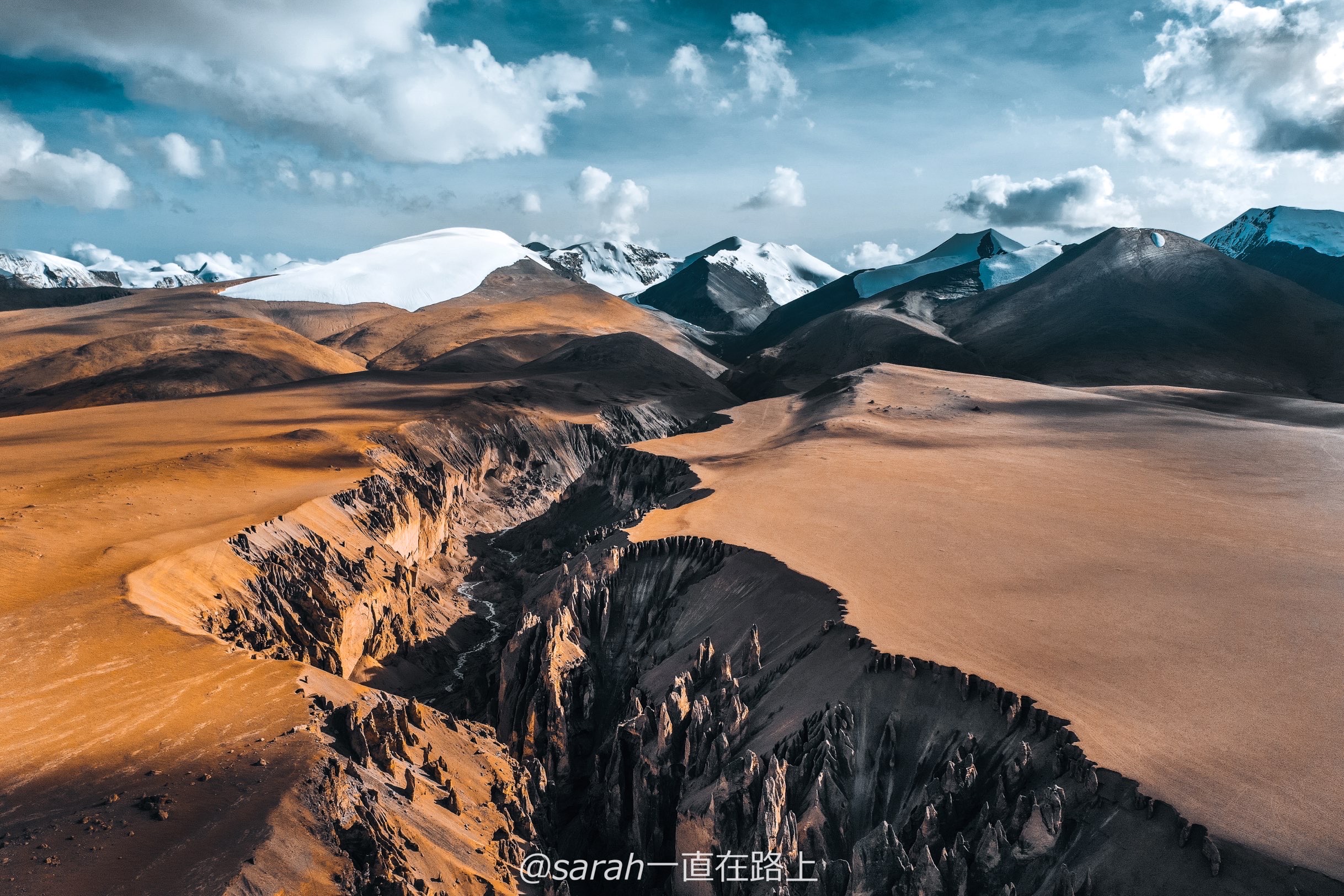
Qilinxia Scenic Area
Qilinxia Scenic Area is located in Dinggye County, Xizang’s Shigatse region, at the northern foot of the Himalayas. The karst landscape formed by hundreds of millions of years of glacial erosion attracts numerous visitors. As an attraction featuring unique geological wonders and magnificent natural scenery, it offers visitors an ideal opportunity to explore nature’s mysteries. Qilinxia Scenic Area is renowned for its steep cliffs and unique rock formations. The towering rocks and majestic cliffs blend depth, wonder, suspension, serenity, and thrill, showcasing nature’s mesmerizing artistry. The canyon features numerous towering sand pillars, each distinct yet harmonious, creating a breathtaking sight from afar. Visitors can admire the diverse shapes and color variations of the rocks, marveling at nature’s craftsmanship. Time here takes tangible form, with millennia of geological change visible at a glance. From the viewing platform, visitors can also glimpse the world’s third-highest peak, Kangchenjunga (8,586m), while the expansive vista offers photographers the perfect spot to capture stunning landscapes. Whether you’re a nature lover, outdoor enthusiast, or traveler seeking tranquility, Qilinxia Scenic Area offers every visitor the perfect journey to explore nature and unwind. More than just a sightseeing destination, it serves as a natural geological museum that inspires ecological reflection.
-
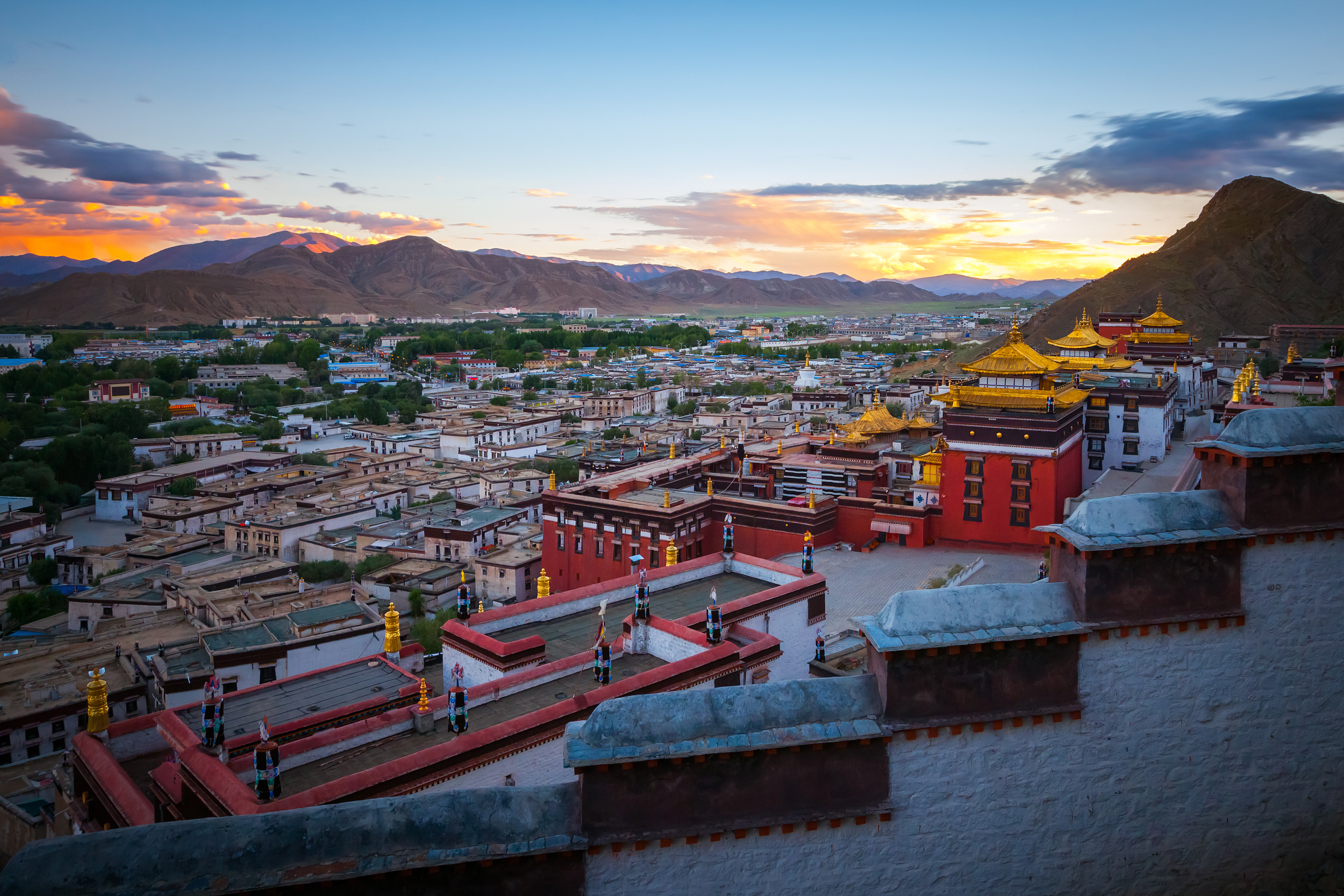
Tashilhunpo Monastery
Tashilhunpo Monastery means “Auspicious Sumeru Mountain” in Tibetan. It is one of the six major Dge-lugs-pa temples. Since the 4th Panchen Lama, Tashilhunpo Monastery has become the head base of Panchen Lamas. Cuoqin Hall is the main hall of Tashilhunpo Monastery. Panchen Lamas used to preach a sermon to the monks throughout the temple. It is also the site for religious debates of monks. 7 Stupa Halls lie in the east of the monastery and dagobas of Panchen Lamas are placed there. The monastery also stores a number of valuable cultural relics in the Song, Yuan, Ming and Qing Dynasties.