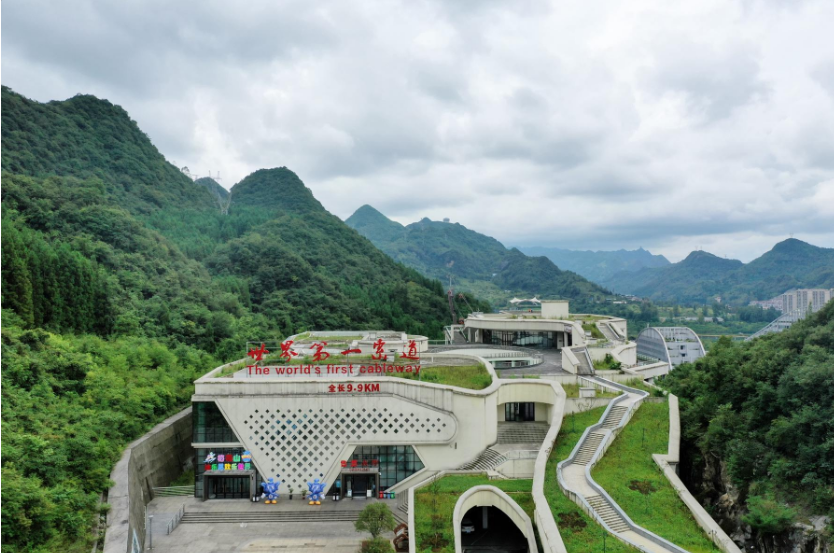
The Meihua Mountain Cableway Tourist Attraction is densely forested and has a quiet environment. Taking the display of Liangdu’s natural and cultural landscape as its starting point, it hasA mountain tourist cableway that combines sightseeing and enjoyment.There are four stations along the cableway, passing through diverse landscapes such as cities, wetlands, lakes, canyons and mountains.
归档: Attractions
-
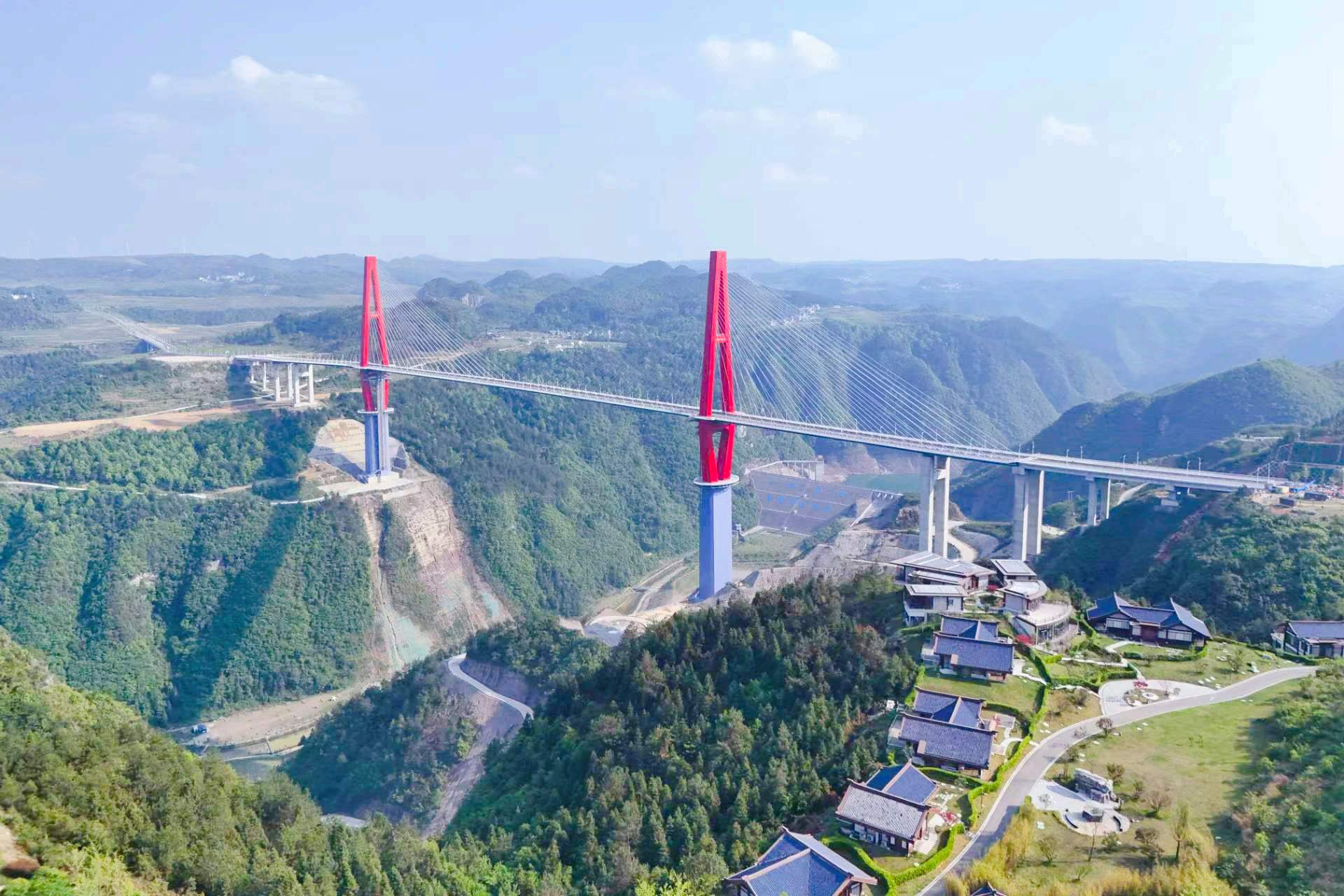
Longli River Bridge Glass Walkway
The Longli River Bridge project is located in the core area of the Longxi Inland Open Economic Development Pilot Zone in Longli, Guizhou, with a total investment of about 1.2 billion yuan. The total length of the road is 1,260 meters, the tower height above the bridge deck is 122 meters, and the bridge deck is about 273 meters from the valley bottom. The main bridge is a double-tower, double-cable steel-concrete cable-stayed bridge with a main span of 528 meters. It is a key node project for the extension of Longxi Avenue to Longli Prairie, and is the basic guarantee for the final formation of a transportation network to completely solve the external transportation problems of Longli core tourist area.
-
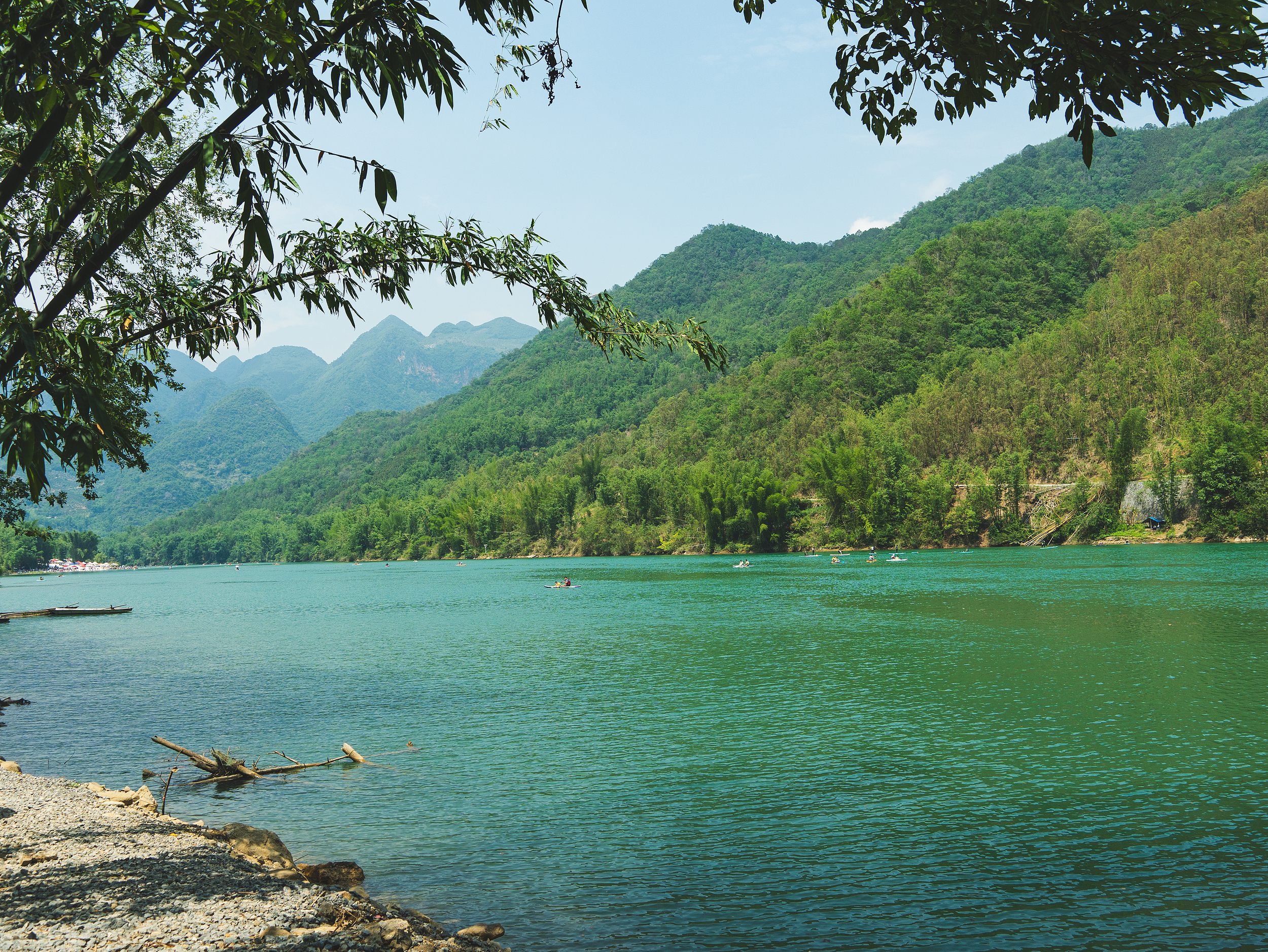
Bapan Buyi Ancient Village
Bapan Village boasts a history of over 500 years, with the Buyi ethnic group comprising over 99% of its population. The village’s name, “Bapan,” is a transliteration of the Buyi language, meaning “arrow baldness” in Chinese. The village is renowned for its “four ancient cultural features”: traditional papermaking, ancient banyan trees, ancient stilt houses, and the ancient Eight-tone Music. The traditional papermaking technique, which follows the millennium-old process of the Caihou Paper, is considered a “living fossil” of ancient Chinese papermaking. “Eight-tone Sitting Singing” is a traditional Buyi folk art form, featuring an ensemble of eight instruments and boasting simple, quaint melodies.
-
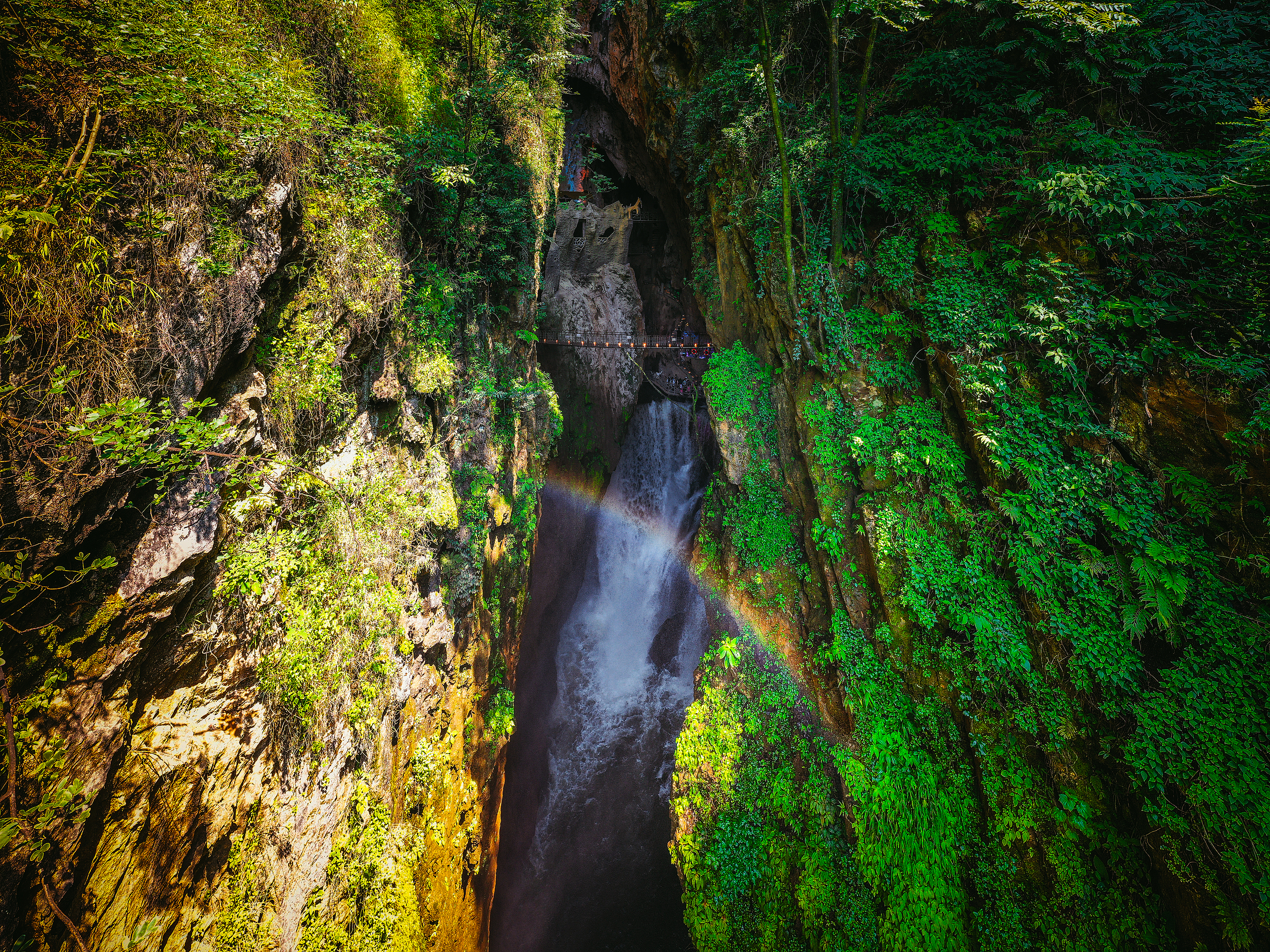
Shedu River Canyon Scenic Area
Located in Shuicheng District, Liupanshui City, the Shedu River Canyon Scenic Area in Guizhou Province is a picturesque paradise on earth. Like an uncut yet dazzling jade, it exudes a unique charm. Its natural scenery is truly breathtaking. Surrounded by mountains, the canyon resembles a verdant screen, while the river cascades down like a silver chain. The unique topography creates a wondrous landscape reminiscent of a “paradise paradise.” The allure of the Shedu River Canyon Scenic Area lies not only in its tranquil natural scenery but also in its diverse array of activities. These diverse offerings cater to every traveler. The Shedu River Canyon Scenic Area in Guizhou Province, a dreamlike place where nature and culture intertwine, offers a unique opportunity for both adventurous outdoor activities and a tranquil retreat, ensuring an unforgettable journey. It is a truly exceptional destination.
-
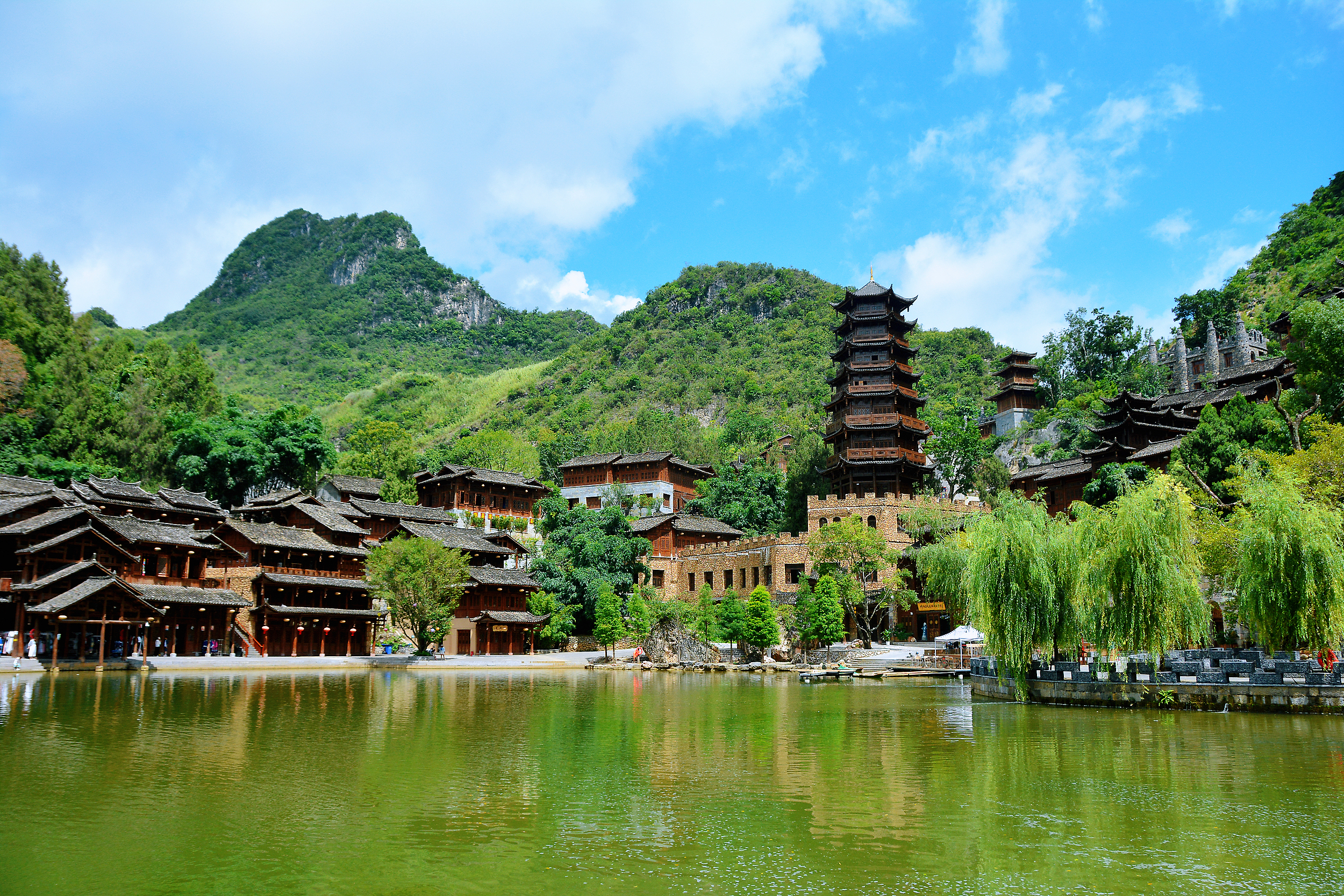
Nahui Bouyei Village, Wanfenglin Scenic Area
Buyizhai is located in the Wutun Wanfenglin Scenic Area in Xingyi City, Guizhou Province. It is a village full of the charm of Buyi culture. Surrounded by mountains, it has beautiful scenery. The village is built on the mountain, showing a unique ethnic style. Buyi Village is famous for its traditional wooden buildings and stone roads, which preserve the architectural characteristics and lifestyle of the Buyi people. Walking through the village, visitors can enjoy the quaint houses and exquisite wood carvings, and feel the strong historical atmosphere. The villagers are friendly and enthusiastic, and visitors have the opportunity to participate in their daily lives and experience traditional Buyi customs, such as handicraft activities such as weaving, embroidery and winemaking. Buyi Village also regularly holds traditional festivals, where visitors can watch Buyi singing and dancing performances and folklore displays, and gain a deeper understanding of local cultural traditions. The natural environment here is also very suitable for hiking. Visitors can explore the surrounding mountains and forests and enjoy the tranquil natural scenery. Buyi Village is not only a good place for sightseeing, but also an ideal place to gain a deeper understanding of the Buyi culture.
-
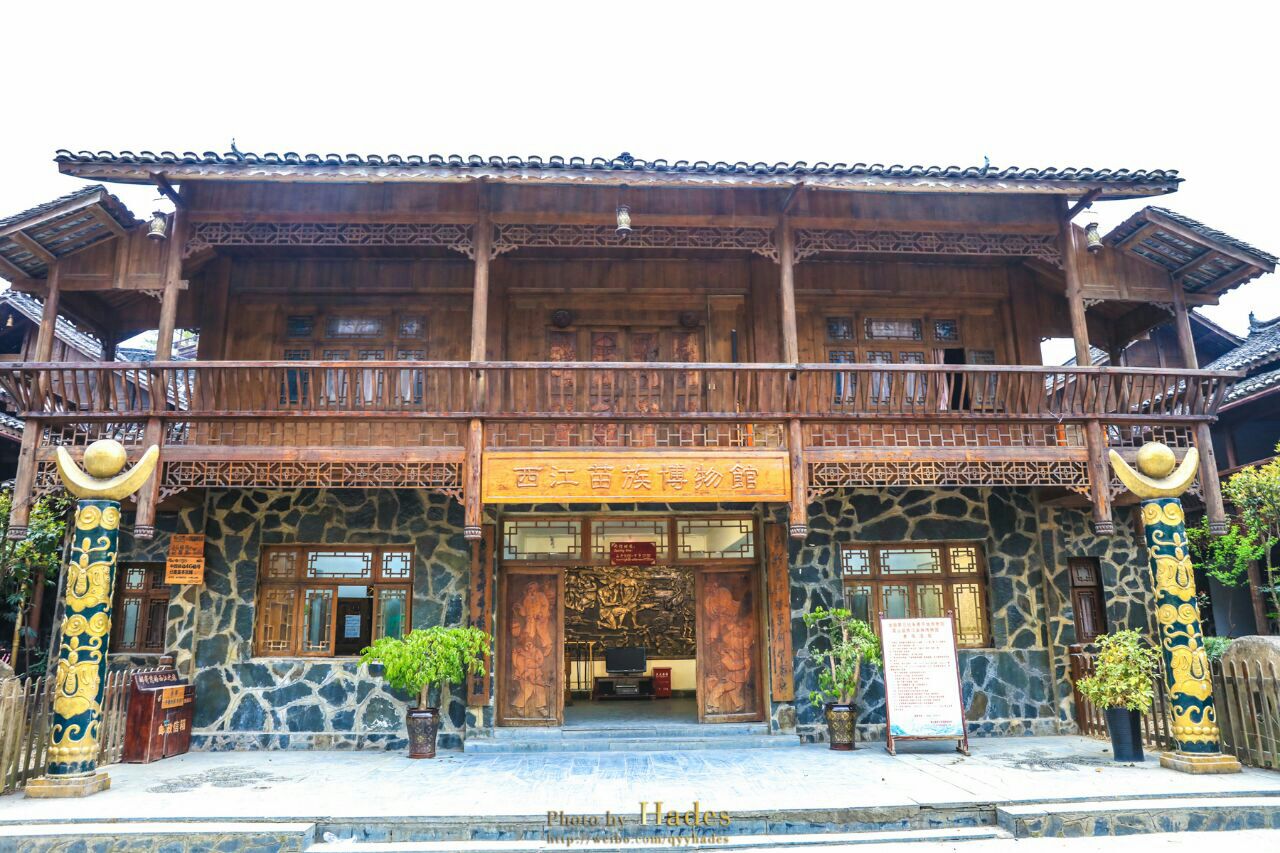
Xijiang Miao Museum
Xijiang Miao Museum is located in the Xijiang Miao Village Scenic Area. It is composed of six single-unit, two-story buildings in characteristic Miao architecture. The first floor is a brick-concrete structure, while the second floor is a wooden structure. It is a house built on stilts unique to the Miao people. There are a number of exhibition halls in the museum, including the front hall, history hall, work hall and living hall. The museum houses a collection of Miao cultural relics and a number of representative pictures and portraits, displaying the uniqueness of the Miao culture through history, life and costumes of the Miao people.
-
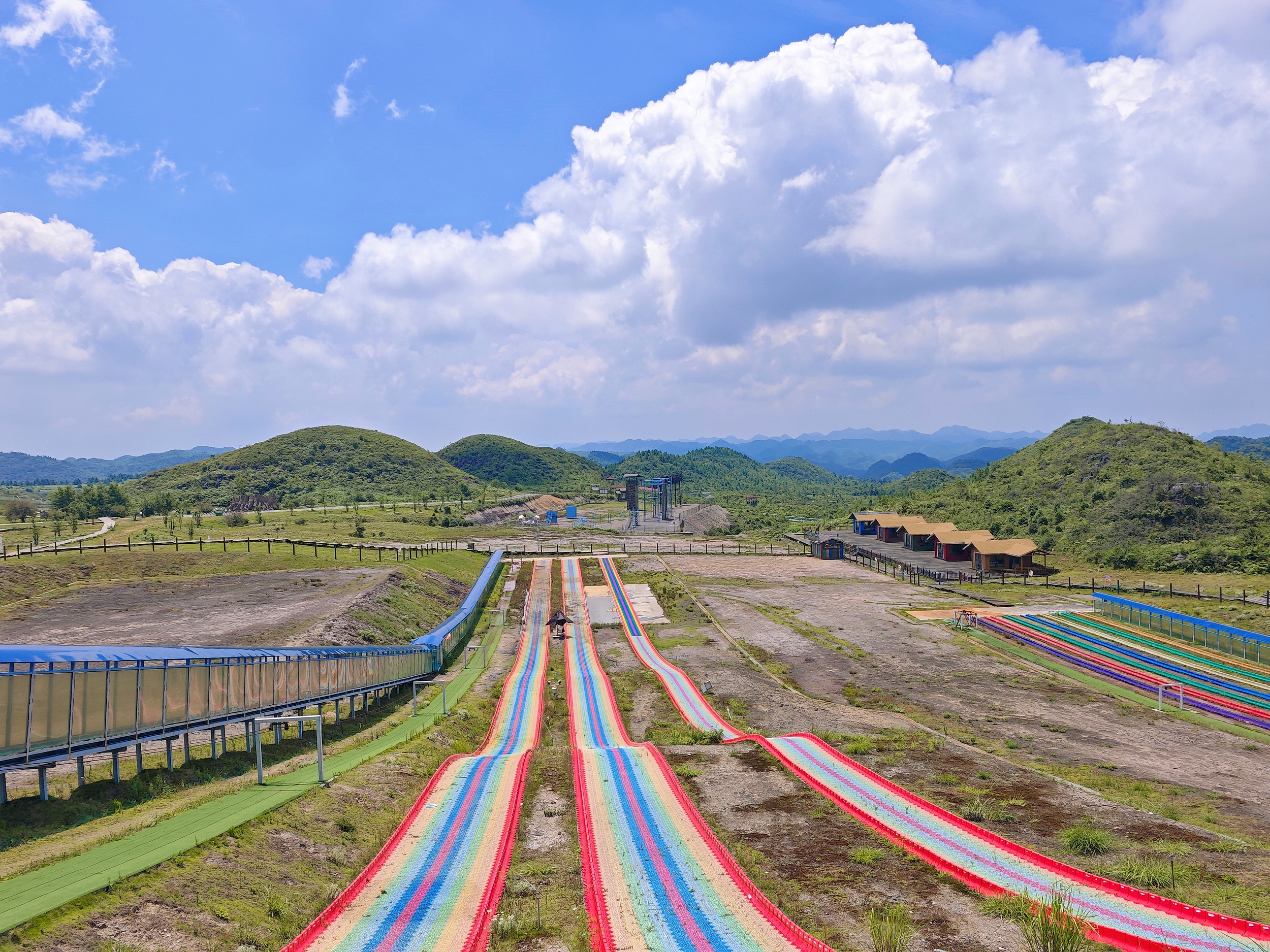
Fangjiaoping Scenic Area(Hundred Miles of Azalea )
This Attraction was originally named (Shexiang Military Camp Mountain Tourist Attraction). It is located in a summer resort at an altitude of 1,780-1,922 meters. The core grassland area is about 100,000 mu (about 9,338 football fields). The terrain is flat and wide, and the surrounding areas are steep. There are more than 30 isolated peaks and mountains of different sizes, and more than 72 sinkholes (sinkholes) scattered on the grassland.The average annual temperature of the prairie is 11.48℃, the climate is warm and humid, the air is fresh, there is no severe cold in winter and no scorching heat in summer.The Attraction has many expansion projects, including horse riding, camping, grass skiing, real-life CS and so on.
-
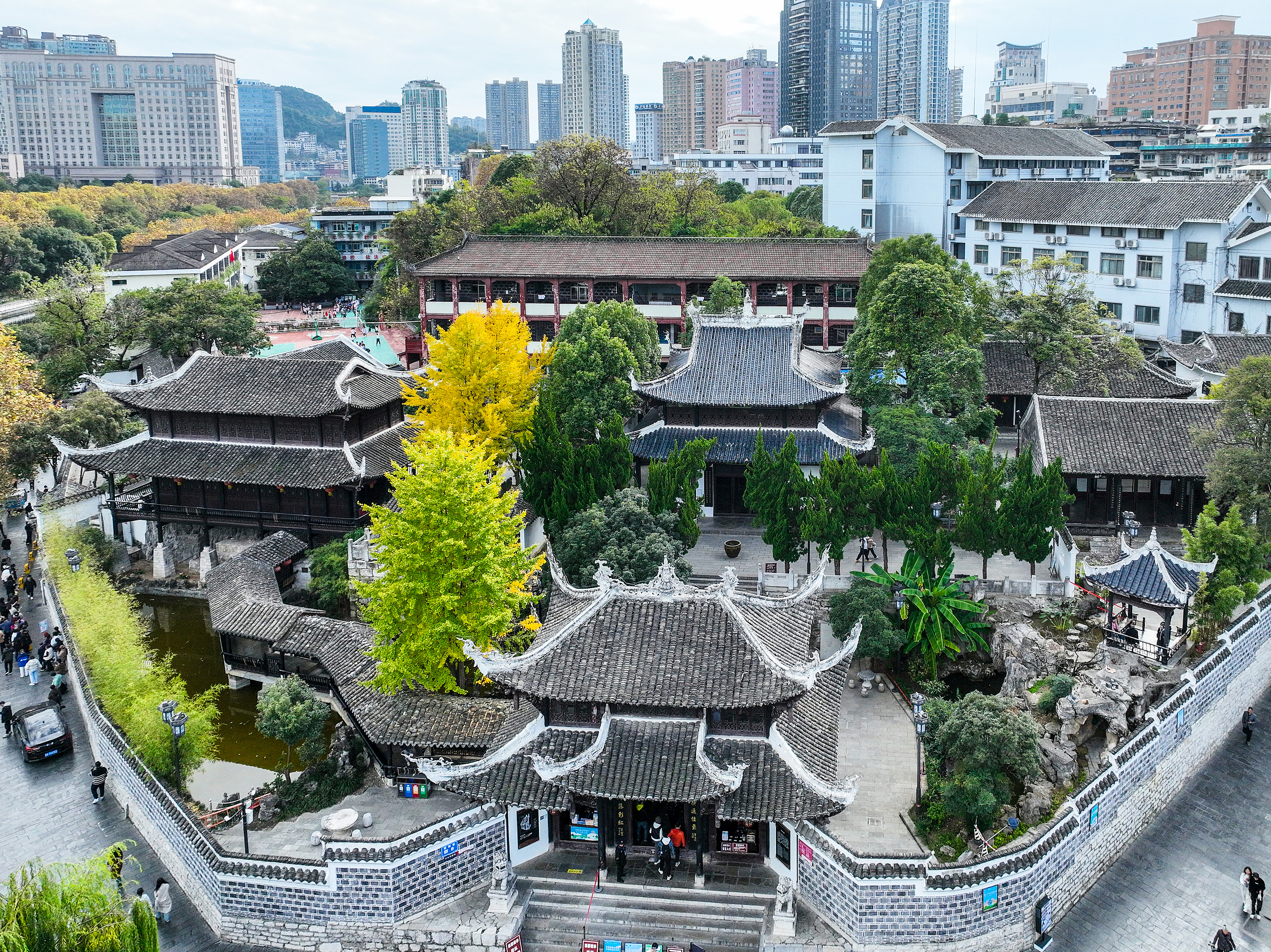
Cuiwei Garden
Adjacent to Jiaxiu Building in the south of the city, Cuiwei Garden is a large-scale ancient building complex, covering an area of more than 4,000 square meters. The Gongnan Pavilion in the garden is simple and vivid, the Cuiwei Garden is dignified and beautiful, the Cuiwei Garden is full of flowers and bamboos, the Longmen Academy is shady and quiet, and the promenade is surrounded by flower walls, integrating seclusion, elegance, majesty and simplicity. It used to be a temple and a garden, and the Nan’an Temple visited by Wang Yangming’s Pujing is here. In recent years, it has been rebuilt into Cuiwei Garden, which integrates temple buildings and garden courtyards.
-
Jiacha Scenic Spot
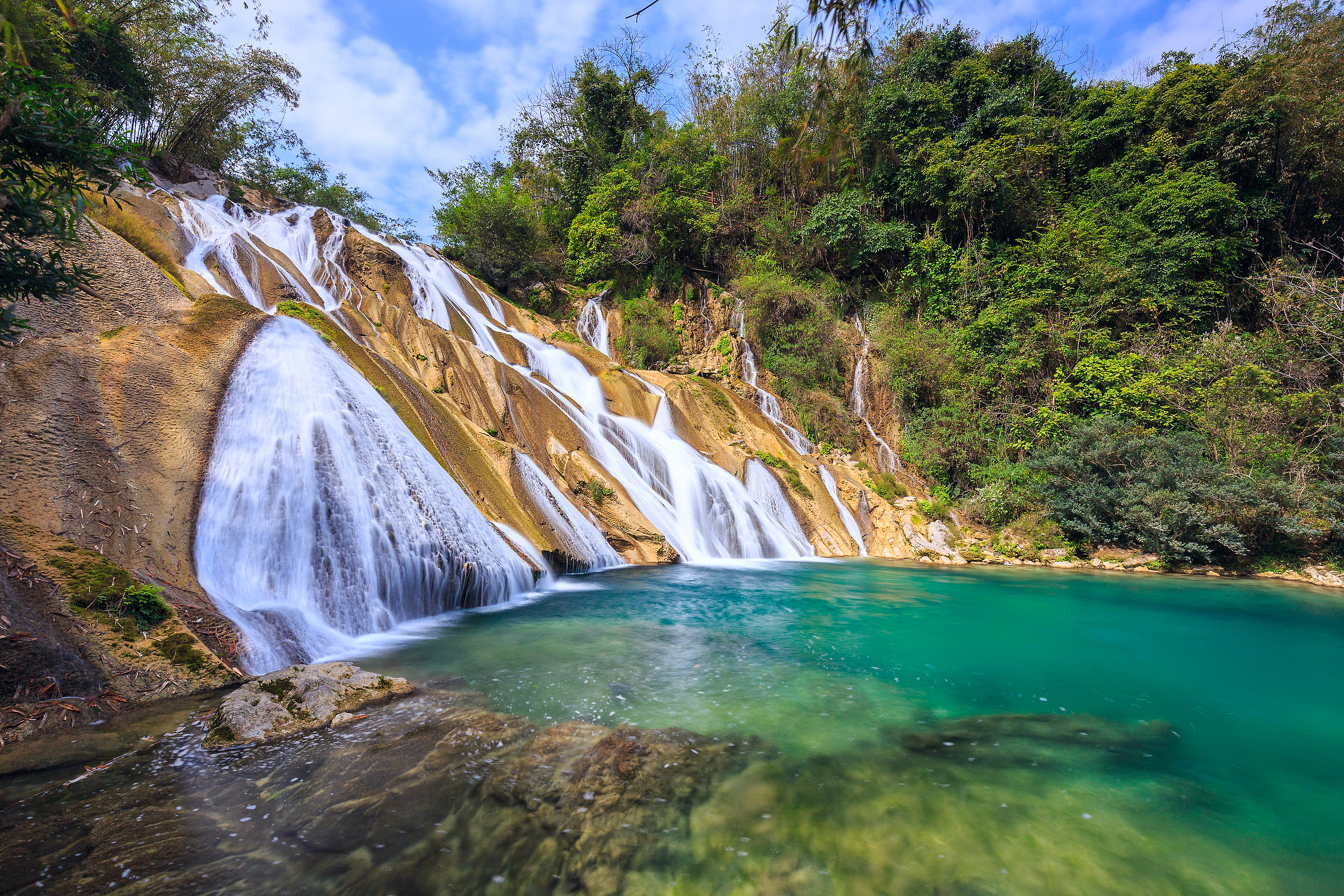
Jiacha Scenic Spot is located in Jiacha Village, Bairu Town, Pingtang County, 47 kilometers away from the county seat, belonging to the lower reaches of Pingzhou River, covering an area of 45.1 square kilometers and 20 scenic spots. Since the Jiacha Attraction is only 402 meters above sea level, the low-latitude warm and humid climate has formed the unique subtropical scenery here. Jiacha Attraction integrates mountains, water, waterfalls, caves, bamboos and stones, and is handsome, beautiful, strange, secluded and beautiful, with its own distinctive characteristics. The strange and beautiful waterfalls, the thorny bamboos in belts and forests, the evergreen rattan bamboos and the clear green river water, the golden sand beach, the magical and deep karst caves, the beautiful canyons, the Buyi villages hidden in the lush bamboo forests and the rich folk customs have added charming charm to the mysterious land of Jiacha.Jiacha Waterfall is 40 meters wide and 37 meters high, light and beautiful. Due to the steep and uneven rock layers, the water flows down and crosses, just like a huge white silk that is neat, smooth, crystal clear and glittering spread on the rock wall, or like several endless long silver silks that are shuttled off the loom and fall into the Biyun Lake. “I suspect that the fairy is weaving white silk, and the white silk falls off the axis and hangs down to the sky” is a true portrayal of Jiacha Waterfall.
-
Wuzhifang
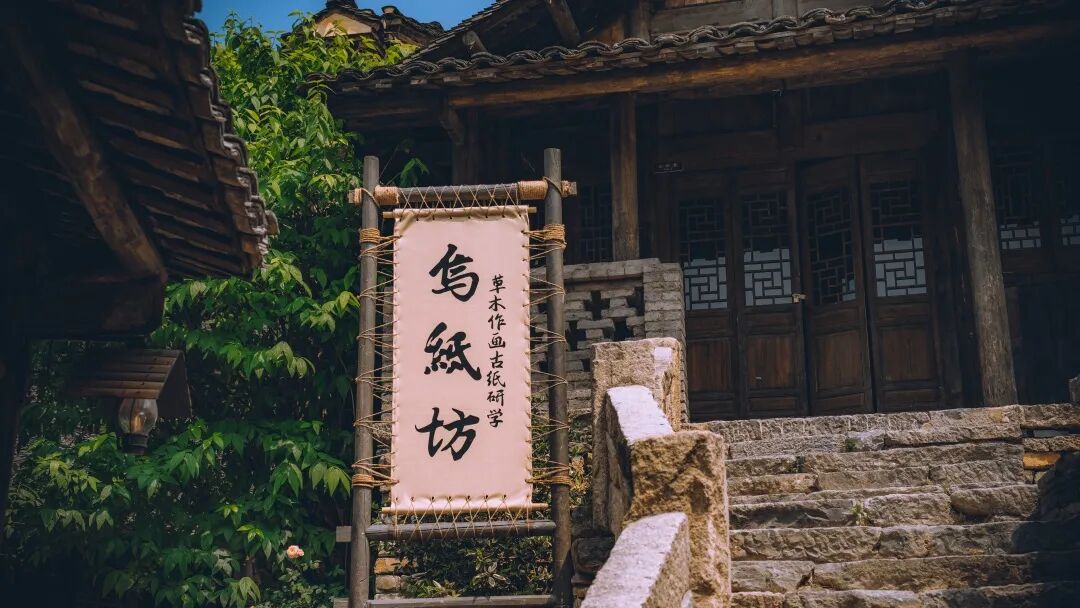
Wuzhifang is located in Zunyi, Guizhou Province. It’s a place for painting with plants and studying ancient paper. Wuzhifang has instilled the culture of floral and herbal papermaking, and through continuous efforts, it aims to allow this ethnic culture to “take root and flourish,” showcasing the charm of this thousand-year-old tradition.