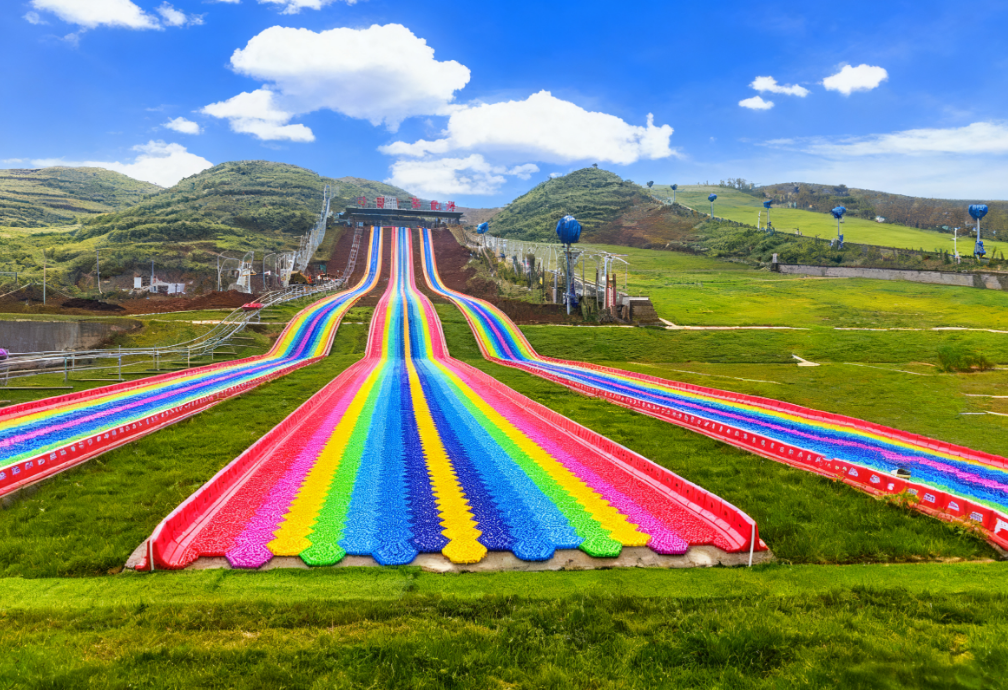
Wumeng Grass Skiing Field is located inside the ski resort. While having fun, you can feel the speed of the wind and appreciate the beautiful scenery of nature.
归档: Attractions
-
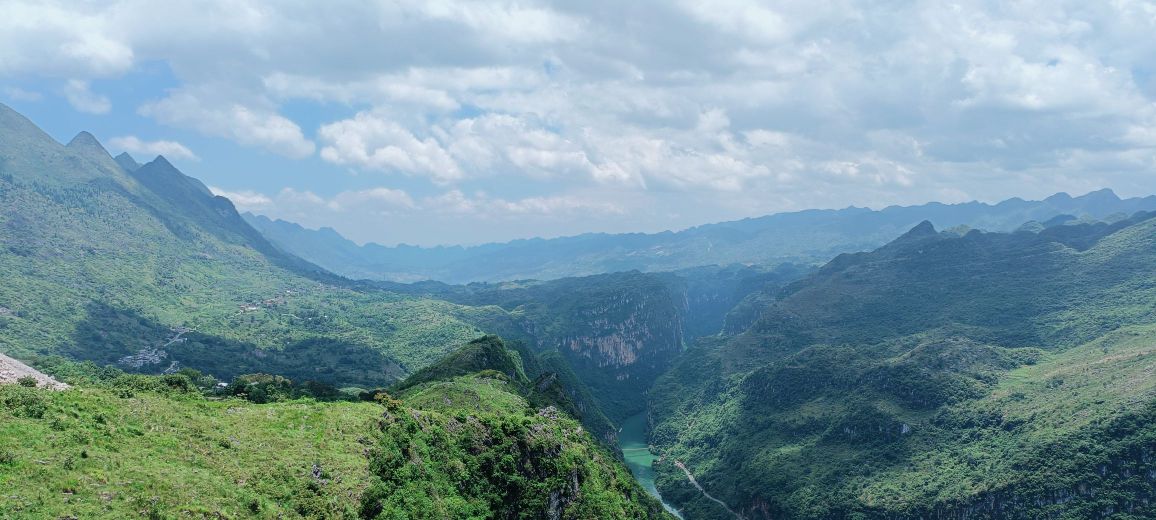
Huajiang Grand Canyon Scenic Area Observation Deck
The Huajiang Grand Canyon Scenic Area – Viewing Platform is located in Guanling Buyi and Miao Autonomous County, Anshun City, Guizhou Province, in the middle reaches of the Beipan River basin. It offers a superb vantage point for overlooking the Huajiang Grand Canyon. The viewing platform sits at the canyon entrance, about 10 kilometers from Guanling County. From here, one can see continuous mountain ranges on both sides of the canyon, with clearly visible exposed carbonate rock layers recording millions of years of geological changes. The Huajiang River at the bottom of the canyon flows swiftly, its emerald green waters winding like a ribbon, creating a striking contrast with the steep cliffs on both sides. The canyon is named “Huajiang” (Flower River) because flowers bloom year-round on both banks, their petals floating in the river like colorful ribbons. This area is a typical karst landform, with karst covering 92% of the area. The canyon is about 80 kilometers long and is known as the “Earth’s Crack.” The viewing platform is open all day, and visitors can stroll along the trail to the edge of the canyon to experience the wonders of nature up close.
-
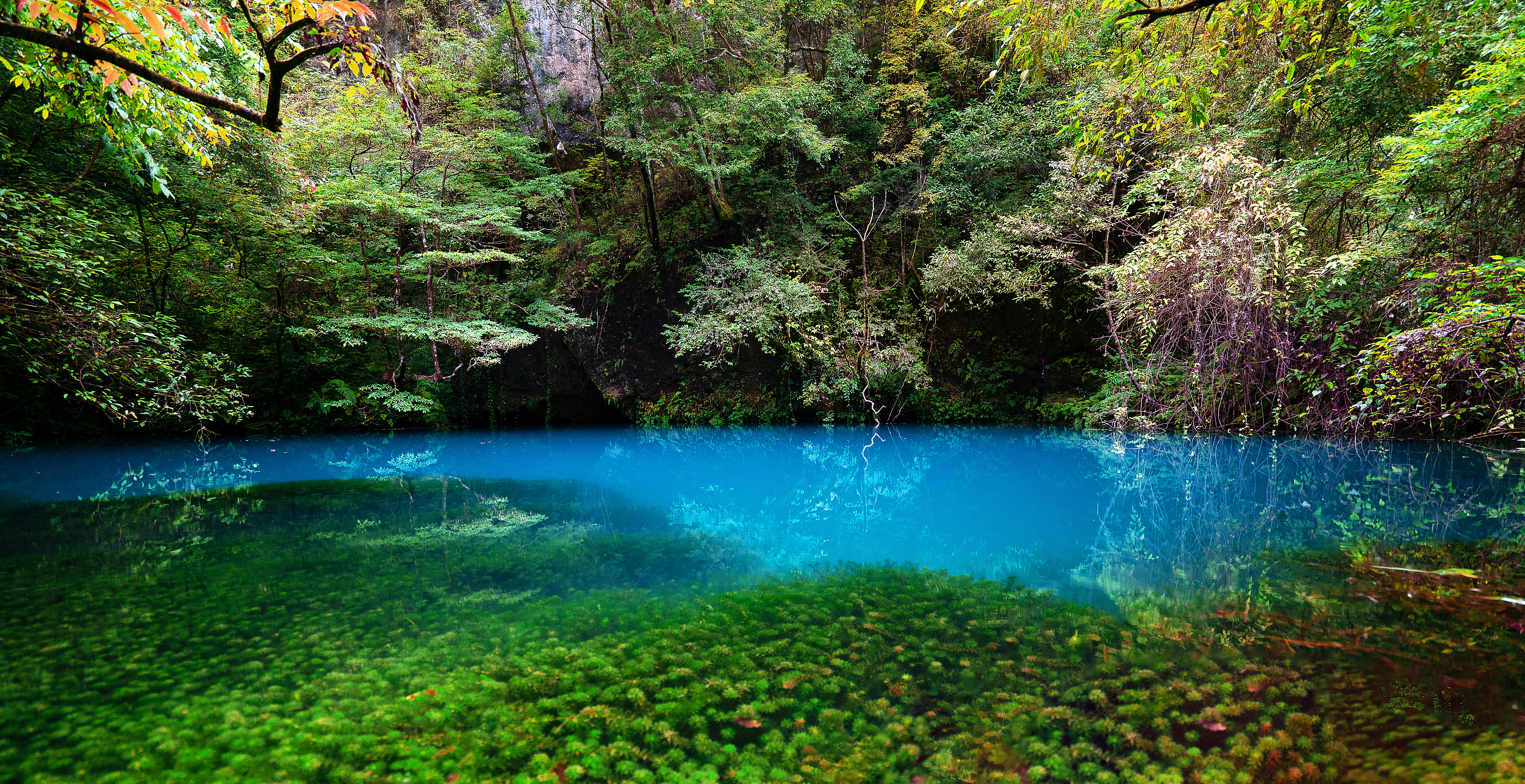
Tiexi Natural Scenic Area
Tiexi Natural Scenic Area is seated in the north of Zhenyuan County in Guizhou Province. It is one of the ten scenic spots to be seen on the Wuyang River, a key national scenic spot. Tiexi Natural Scenic Area is a natural scenic spot known for its beautiful myths and legends, the primitive forest vegetation and the strange stalactite caves. The dragon pool here is so calm that it looks like a mirror in royal blue and it is bottomless, known as the “Mini Jiuzhai Valley of Yunnan-Guizhou Plateau”.
-
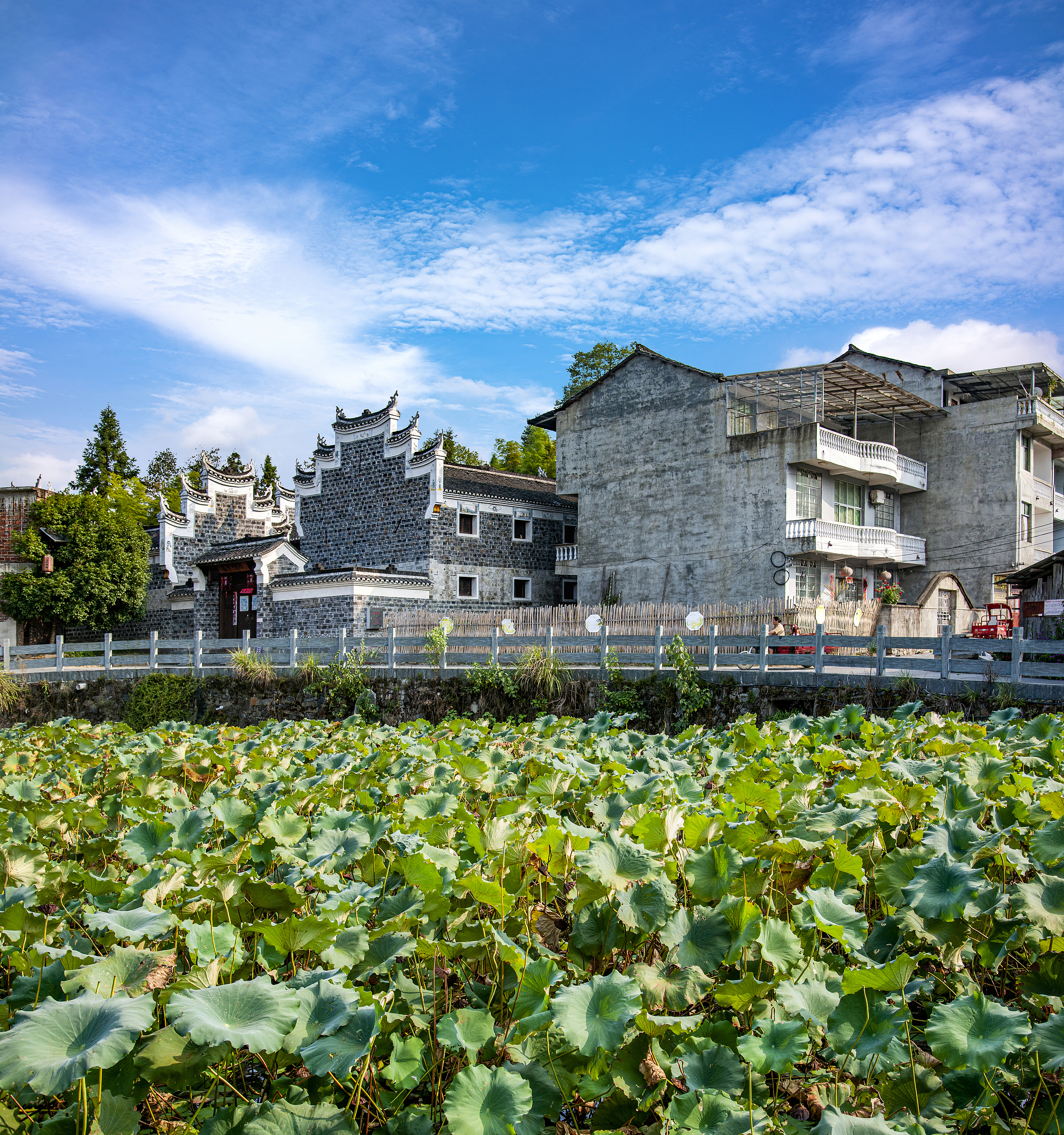
Longli Ancient City
Longli, formerly known as Longli, was named Longli in the Qing Dynasty, which means “the place of prosperity”. It is located in the southwest of Jinping County, 64 kilometers away from the county seat. This magnificent ancient city was built in the 19th year of Hongwu in the Ming Dynasty (1386) and rebuilt in the summer of Yongle (1404). It was an important military castle in the Ming Dynasty.Longli Ancient City is an island of Han culture in the Miao and Dong ethnic groups in Southeast Guizhou, and is also one of the four major ecological museums in Guizhou. The buildings in the city include the courtyard style of Beijing, exquisite Anhui folk houses, and Jiangxi folk houses. The planning of the city takes into account the military defense function everywhere. Walking in Longli Ancient City, I always feel that there is a dead end ahead, with no passage connecting, but when I get closer, I find a small road, and there is another village behind the dark willows and flowers. Moreover, each household has a back door passage, and each household is connected, so you can go in and out.When you finish touring this ancient city, you will find that there is no crossroads in this ancient city; the roads that seem passable, but you can’t find the exit after entering, this is called “open access but hidden obstruction”; and the roads that seem to be impassable, but there are other worlds inside, this is called “open obstruction but hidden access”. This is an ancient city built with military considerations in the cold weapon era. It is not big, but it is really special.
-
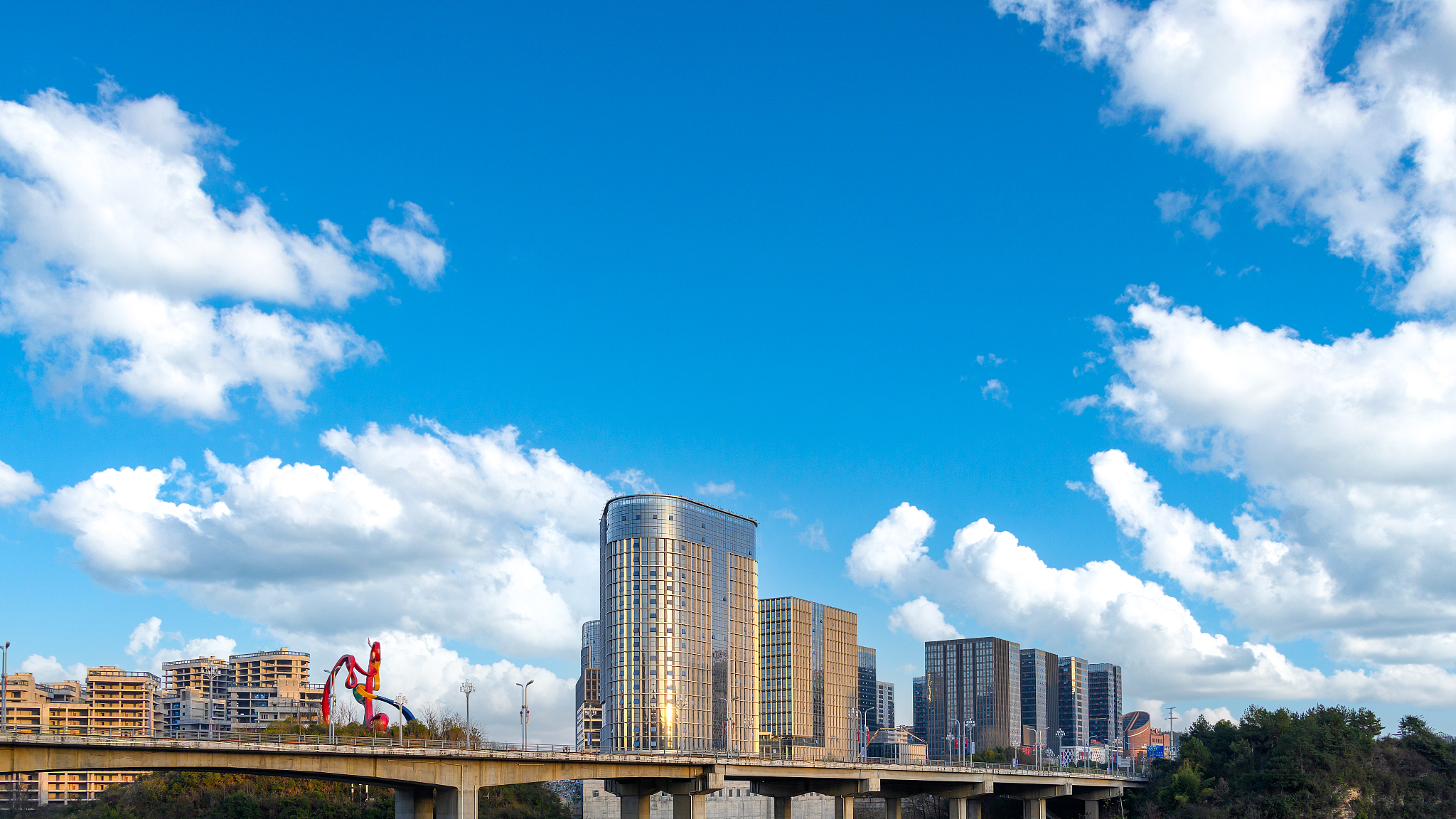
Longdongbao Street
Longdongbao is located in the eastern suburbs of Guiyang, Guizhou Province, China. It’s home to Guiyang Longdongbao International Airport, Longdongbao High-Speed Railway Station, and Longdongbao Bus Station, making it a major transportation hub.
-
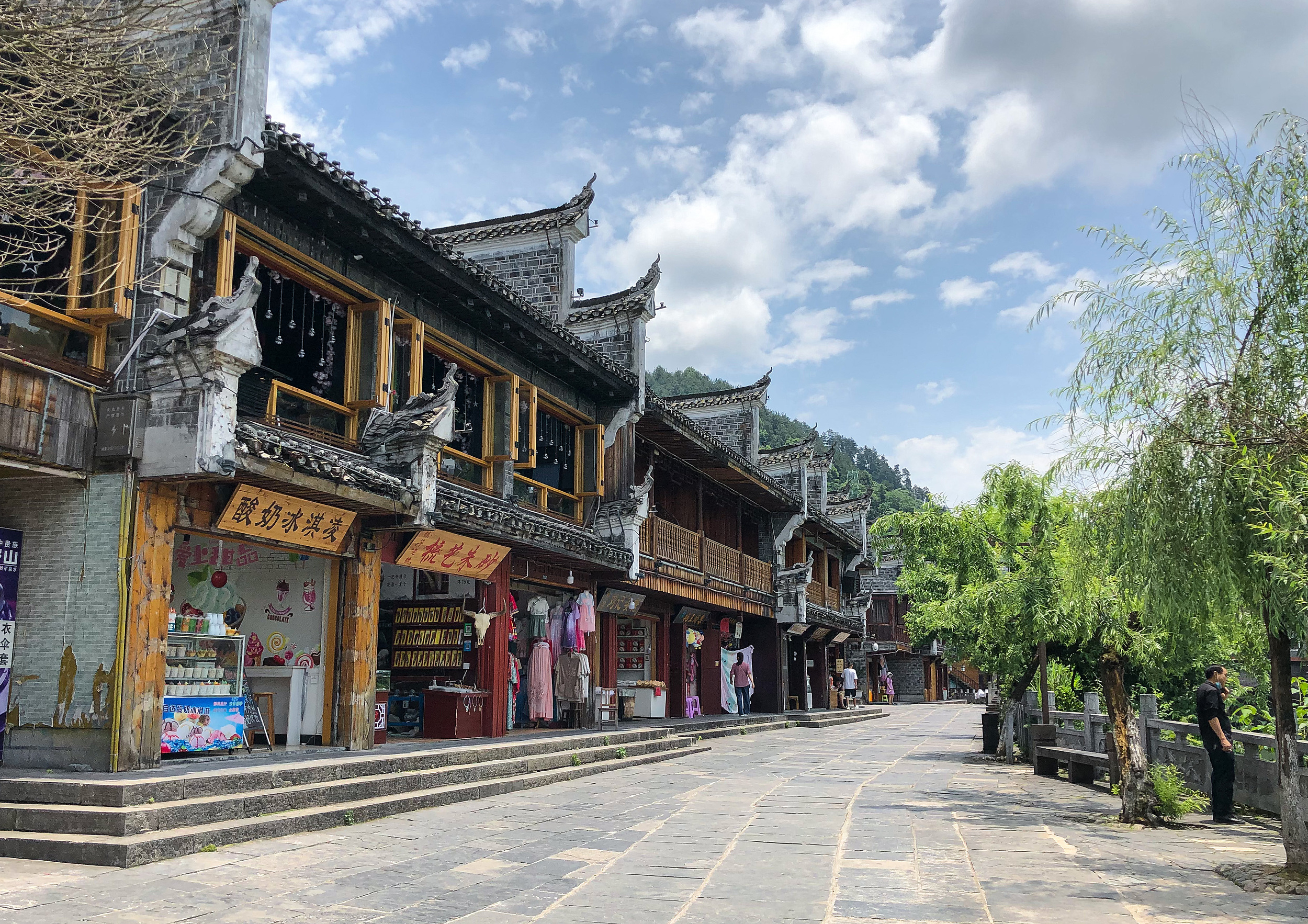
Xijiang Ancient Street
Xijiang Ancient Street is located in Xijiang Qianhu Miao Village in Qiandongnan, Guizhou Province. It is a street full of ethnic customs and extends about 600 meters along both sides of the Baishui River. The ancient street features traditional Miao stilt buildings, and there are many handicraft workshops and specialty shops on both sides of the bluestone pavement. Visitors can watch silver jewelry forging and Miao embroidery production here, and some shops offer simple hand-made experience projects such as batik and embroidery. There are many restaurants in the middle of the ancient street. It is recommended to try the local sour soup fish and Miao bacon, which are unique in flavor and reasonably priced. The tea shops along the street serve Leigongshan Yunwu Tea, which is suitable for tasting during an afternoon nap. Xijiang Ancient Street is about 1 hour away from Kaili City by direct bus. Self-driving tourists need to park their vehicles in the designated parking lot of the scenic area and transfer to the sightseeing bus to enter the ancient street. It is recommended to wear comfortable walking shoes for walking on the stone slabs.
-
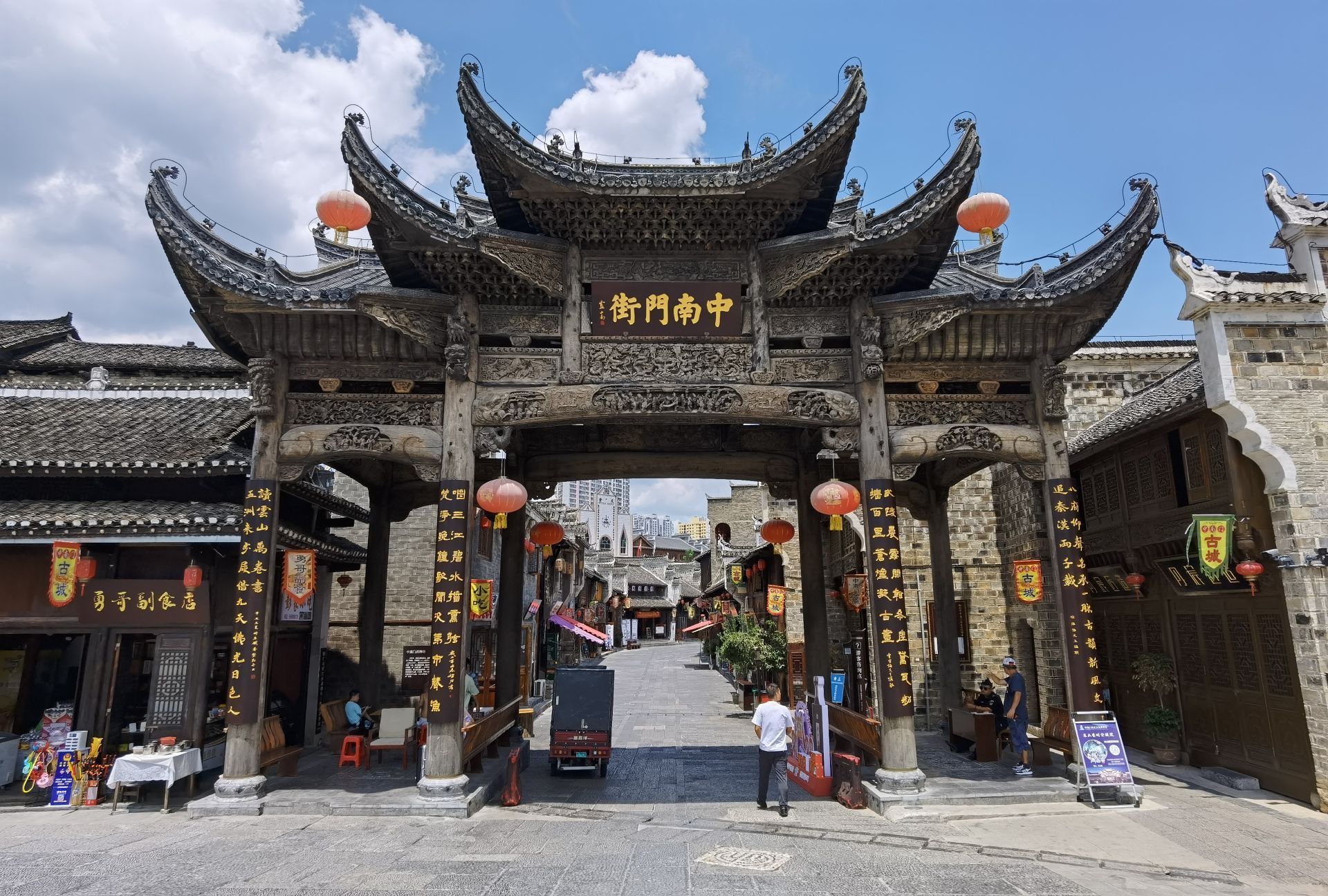
Zhongnan Gate Historical and Cultural Tourism Area
Zhongnanmen Historical and Cultural Tourism Area has been the seat of the government since Tongren was established as a prefecture in the 11th year of Yongle in the Ming Dynasty. It has never changed its status as the political, economic and cultural center of the eastern Guizhou region, and has a history of more than 600 years. Zhongnanmen Historical and Cultural Tourism Area, also known as Tongren Ancient City, was built in 1413 and has a history of more than 600 years.
-
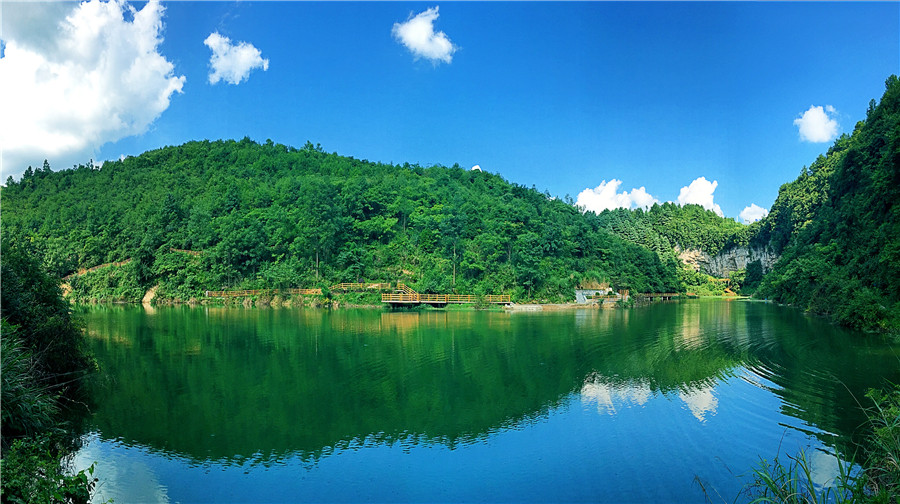
Wushan Canyon Tourist Area
Wushan Canyon Tourist AttractionIt is divided into five major Attraction, namely the Landscape Art Garden Attraction, Taoyuan Secret Attraction, Outdoor Sports Park Attraction, Butterfly Valley Attraction and Bird’s Singing Forest Attraction, integrating tourism, leisure, vacation, sports, parent-child entertainment, etc.Currently, the attractions that have been built and opened to the public include Shuanglong Town Commercial Street, Wushan Rock Paintings, Cliff Plank Road, Canyon Suspension Bridge, Canyon Zipline, Sightseeing Elevator, Containerized Beehive Museum, Jingfuxuan, Boutique Garden, Qishe Thatched House, Cloud Bridge, Terraced Flower Sea Landscape, Plant Maze, Micro Zoo, Wind Plain Summer Camp Base, etc.
-
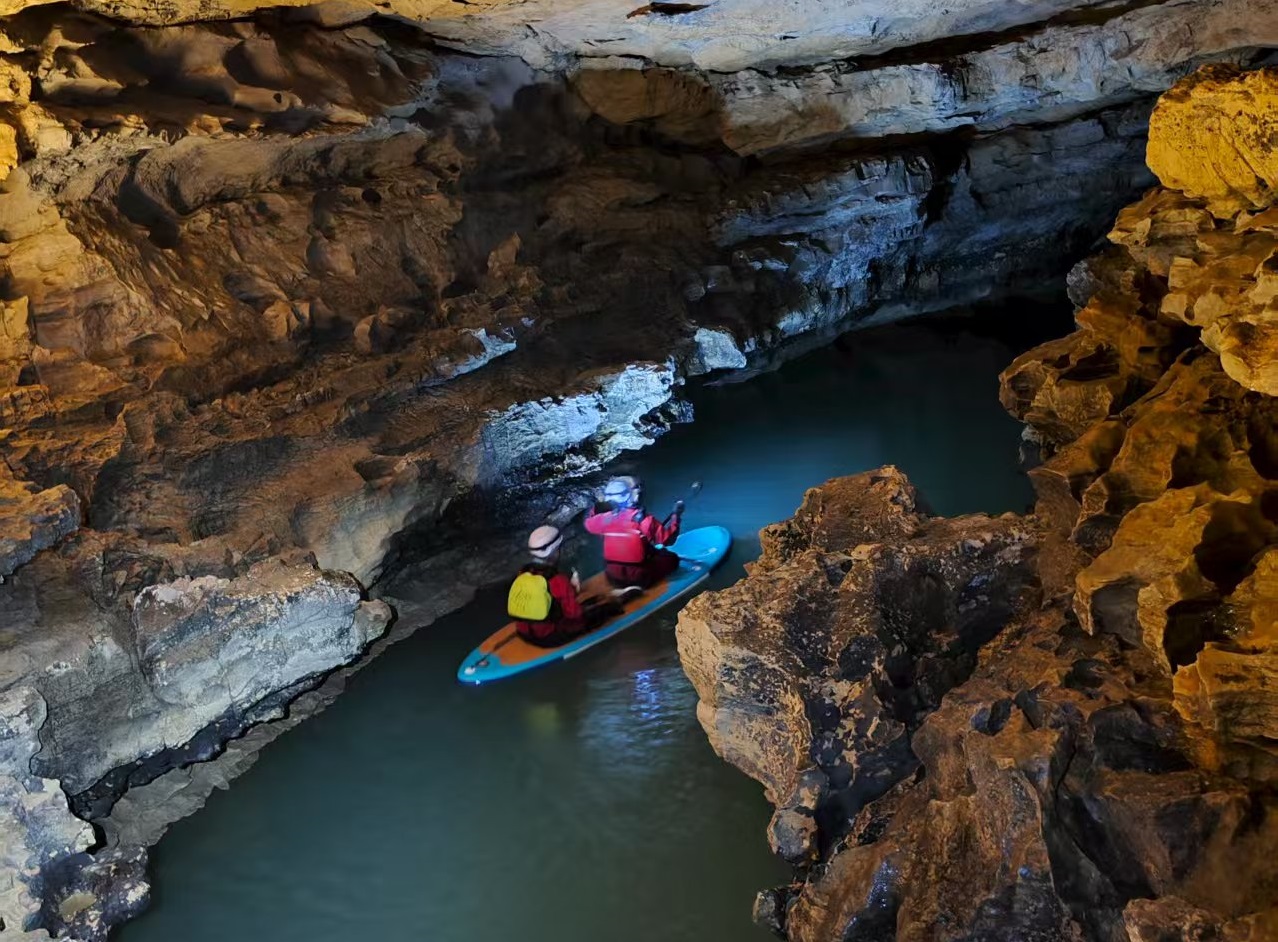
Guizhou Longli Baiyudong Cave Exploration Experience
The Longli White Jade Cave exploration experience in Guizhou is located in Longli County, Qiannan Buyei and Miao Autonomous Prefecture. It’s a tourist destination combining geological wonders with adventure activities. Here’s a detailed introduction: Unique geological landscape Stalactite spectacle: The cave’s stalactites are crystal clear, resembling translucent white jade that glows like precious gems under the lights, evoking a shower of falling crystal stars. Towering stone curtains resemble frozen waterfalls, creating a magnificent and breathtaking sight. Starry Sky Cave: The stalactites on the cave ceiling refract light to create a dazzling display, making visitors feel as if they’re immersed in a sea of stars. This underground starry sky offers a dreamlike visual experience. Moon Milk Stone Waterfall and White Jade Pool: The Moon Milk Stone Waterfall cascades like flowing milk, with its milky white stone pools creating a dreamlike scene. The emerald-green White Jade Pool complements it perfectly, together forming the cave’s unique and mesmerizing views. Underground River: Inside the CaveUnderground RiverThe river meanders with crystal-clear waters, flowing like liquid jade, where you might spot translucent cave creatures like tiny shrimp. Diverse experience options Cave Via Ferrata: Featuring beginner and advanced routes, the beginner line lets you experience “Spider-Man style” wall walking, while the advanced route requires crossing an underground canyon, allowing visitors to navigate between stalactites and feel the thrill of climbing. Vertical free fall: Experience the 30-meter drop, where visitors can descend through ancient stalagmite formations, feel the thrill of gravity, challenge themselves, and conquer their fears. Underground river paddleboarding: Visitors can paddleboard along the subterranean river, navigating through the hidden waterways while admiring the geological views along the route. Experience the sensation of freely drifting on glass-like waters, as if transported into a magical underground world. Thoughtful safety measures: Equipped with internationally certified gear including helmets, life jackets, and waterproof backpacks. With a coach-to-visitor ratio of 1:6–8 and attentive guidance throughout, we ensure a secure adventure experience for all visitors—even beginners can enjoy with complete peace of mind. Convenient transportation location: Situated in Longli County, Guizhou, just about a 1-hour drive from Guiyang, it’s easily accessible whether by self-driving or private charter, making it convenient for visitors to explore and enjoy. featured service package Dining services: Offers cave hot pot and cave afternoon tea at ¥68/person and ¥50/person respectively, with a minimum booking requirement of 4 visitors. Enjoy delicious food in this magical karst cave while soaking in its unique ambiance. Suitable for a wide range of participants: Ideal for ages 5–55, anyone in good health without major medical conditions can bravely participate. Age restrictions may be flexibly adjusted for those with excellent physical fitness. Both seniors and children can find suitable activities, making it a perfect family adventure full of fun.
-
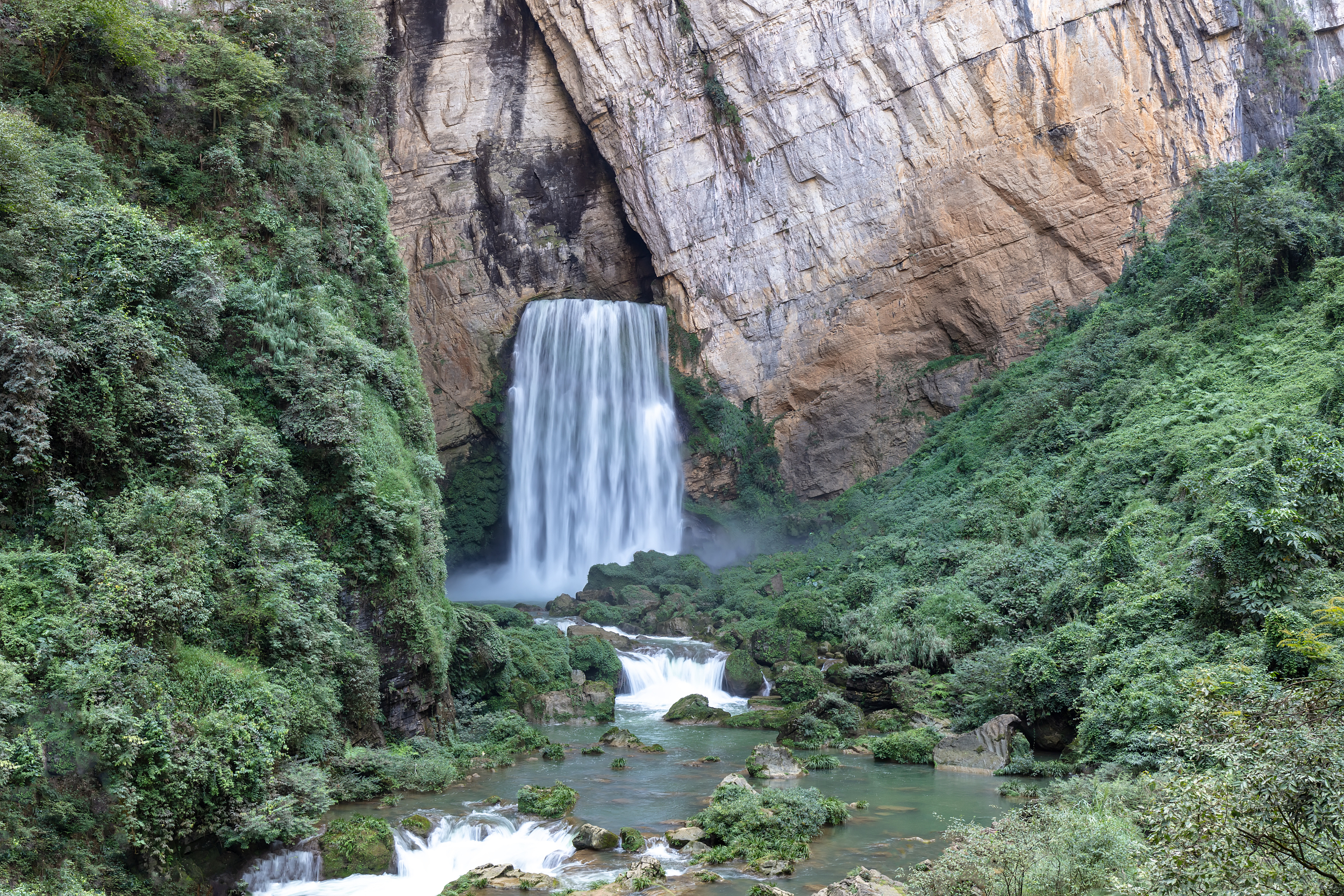
Yangpi Cave
Yangpidong Waterfall is located in Muke Village, Anliu Town, Qingzhen City, Guiyang City, Guizhou Province. It is a niche attraction that has not been commercially developed. It is a typical karst landform and is an exit of an underground river. It is named because the cave entrance resembles sheepskin. The river water pours down from the cave entrance halfway up the mountain, forming a spectacular waterfall about 41 meters high and 20-30 meters wide. From a distance, the waterfall roars down like a white water wall, majestic; when you get closer, the water rushes down, splashing layers of water on the rocks, making a deafening sound, like a symphony played by nature. The scenery around the waterfall is charming, with cliffs on both sides, lush trees, and fresh air, just like a natural oxygen bar. The stalactites in the cave are of various shapes, which contrast with the underground river and calcified terraces, forming a primitive and wild landscape painting. What is special is that the Yangpi Cave still retains the remains of the Miao people’s traditional cave burial customs. It can be seen that the ancient coffins are placed in the cave, adding a mysterious cultural color to this natural wonder.