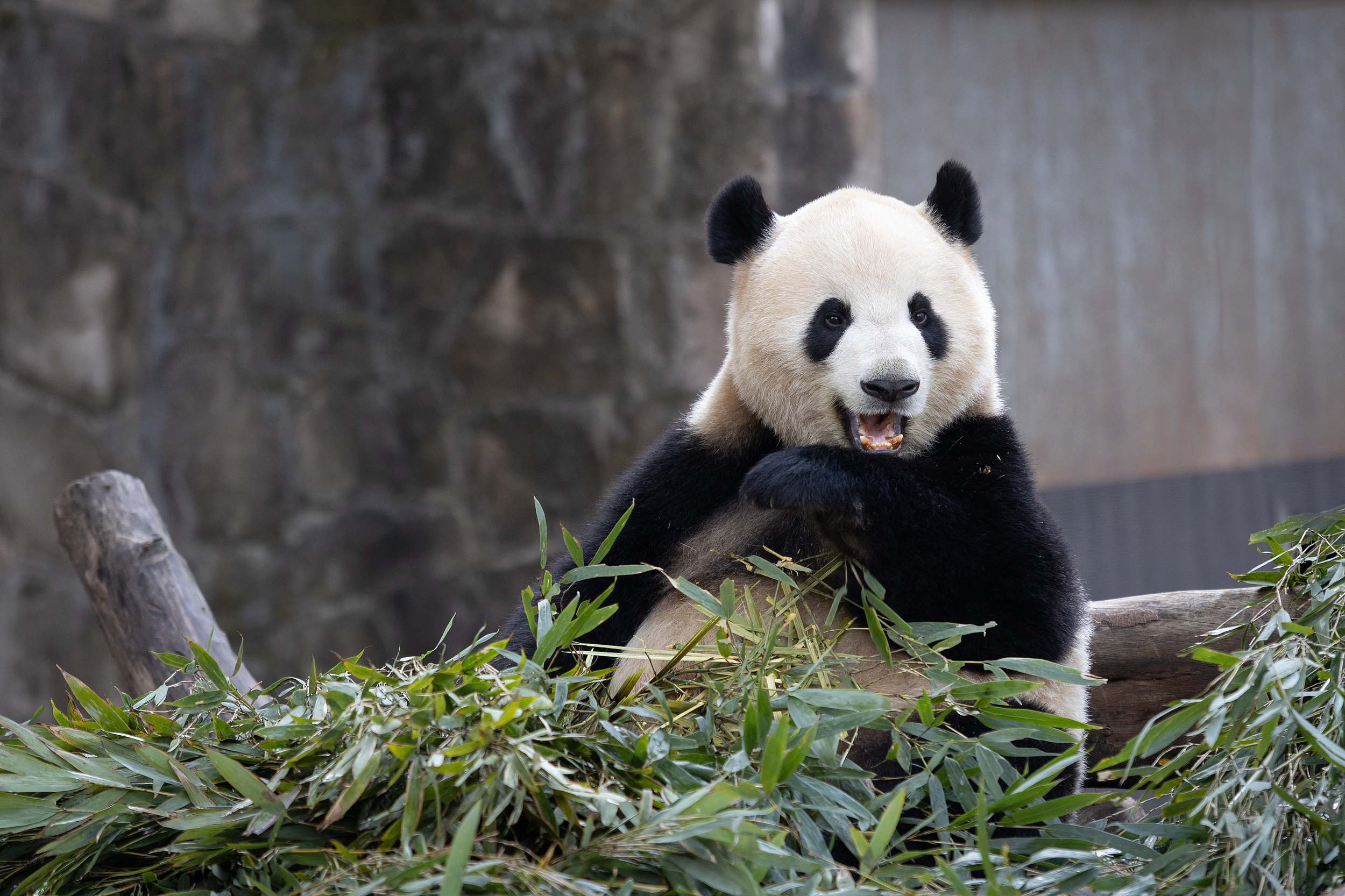
The Panda House at Chongqing Zoo is one of the zoo’s most popular exhibits, dedicated to showcasing and protecting China’s national treasure, the giant panda. The Panda House provides pandas with a near-natural living environment, aiming to promote public understanding and conservation of this rare species. The Panda House features spacious indoor and outdoor activity areas, ample space for activities, and toys, ensuring the pandas live in a comfortable and safe environment. Visitors can observe the pandas’ daily lives up close and admire their adorable appearance and unique behaviors. In addition to viewing the pandas, the Panda House also features educational exhibits offering information on panda biology, habitat conservation, and breeding programs. Through lively exhibits and interactive activities, visitors can gain a deeper understanding of the pandas’ ecological habits and conservation status, enhancing their awareness of conservation. The Panda House at Chongqing Zoo is not only a great place to observe pandas but also an educational platform for learning about and participating in conservation efforts. Families and animal lovers alike can enjoy an unforgettable experience while contributing to the cause of giant panda conservation.
归档: Attractions
-
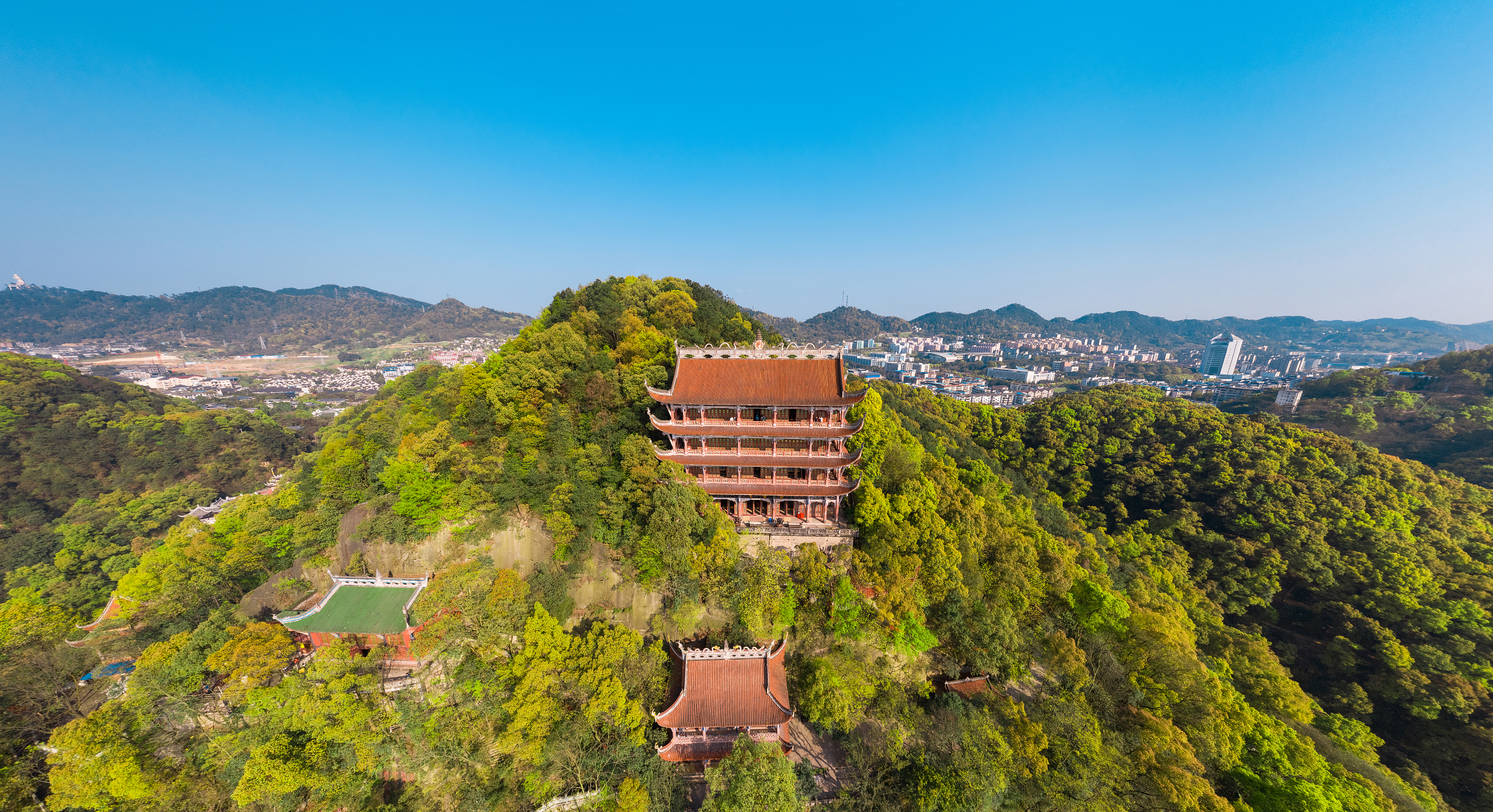
Laojun Cave
Laojun Cave is located in Laojun Mountain, about 2 kilometers east of Shangxin Street, Nan’an District. It is one of the scenic spots in Nanshan Scenic Area. Laojun Cave was built in the Tang Dynasty, formerly known as Guanghua Temple, a Buddhist temple. In the ninth year of Wanli in the Ming Dynasty (1581), it was changed to a Taoist temple, commonly known as “Laojun Cave”, and later became a Taoist temple in eastern Sichuan. During the Qing Daoguang, Tongzhi and Guangxu years, it was repaired and expanded several times. The entire Taoist temple is built according to the mountain, and the wall is carved to form an image. From the mountain gate, it is arranged in layers along the cliffs and steep walls in the shape of “Xuan”, spiraling up to the top of the mountain. There are 13 halls in the temple, including Sanqing Hall, Zhenwu Hall, Lingzu Hall, Sanfeng Hall, Doumu Hall, Wenwu Hall, Qixing Hall, Luzu Hall, Cihang Hall and Jade Emperor Hall. Most of these halls imitate the style of Chinese gardens, with hanging mountains and buckets, and eaves and corners. In Laojundong Taoist Temple, there are many images of Buddhist and Taoist stories carved on the cliffs, among which the two stone reliefs of Jiulong Stele and Bananyan have artistic value.
-
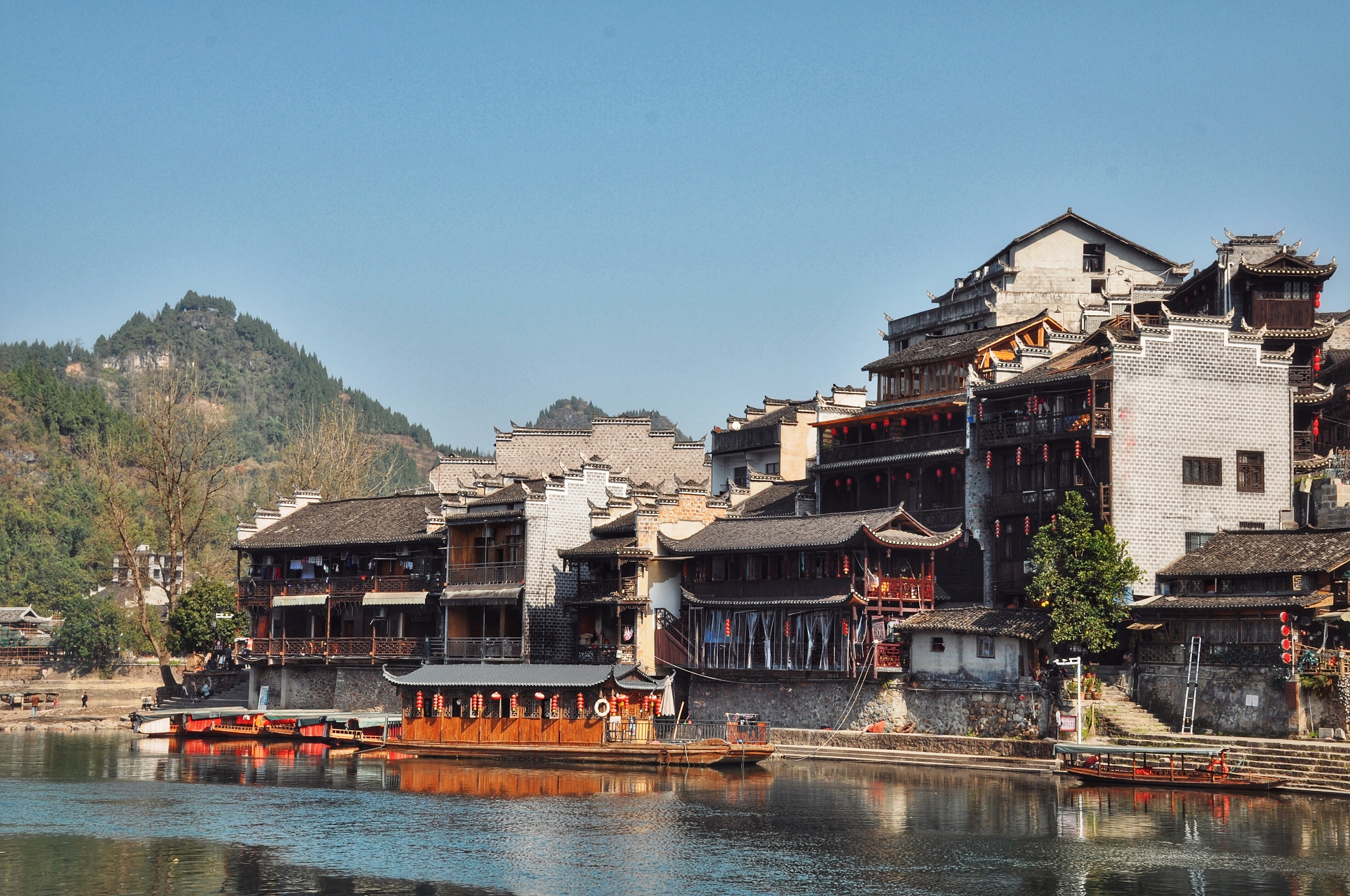
Hong’an Ancient Town
Hong’an, the border town of Xiushan, is located in the southeast of the county, 47 kilometers away from the county. It is the junction of Chongqing, Guizhou, and Hunan. It is known as the “gateway to southeast Chongqing”. The prototype of Border Town. The ancient buildings in Hong’an Town are clustered with unique craftsmanship and shape, and the style of Tujia and Miao Village is unique. The natural scenic spots “Elephant Trunk Absorbing Water”, “Jiulongpo” and “Three No Matter” islands are all well-known. Hong’an Town is surrounded by mountains and rivers, with green trees, rippling rivers and picturesque scenery. The interesting thing about Hong’an Old Street is the Sola River Ferry, which is connected by a steel wire to the piers on both sides, which also ties the power of the ferry. After it was full of customers, Lao Shao Gong sat leisurely on the wooden square platform in the boathouse, used a two-foot log with a thin groove as a twist rod, stuck on the river crossing wire and dragged the boat to the other side bit by bit. .
-
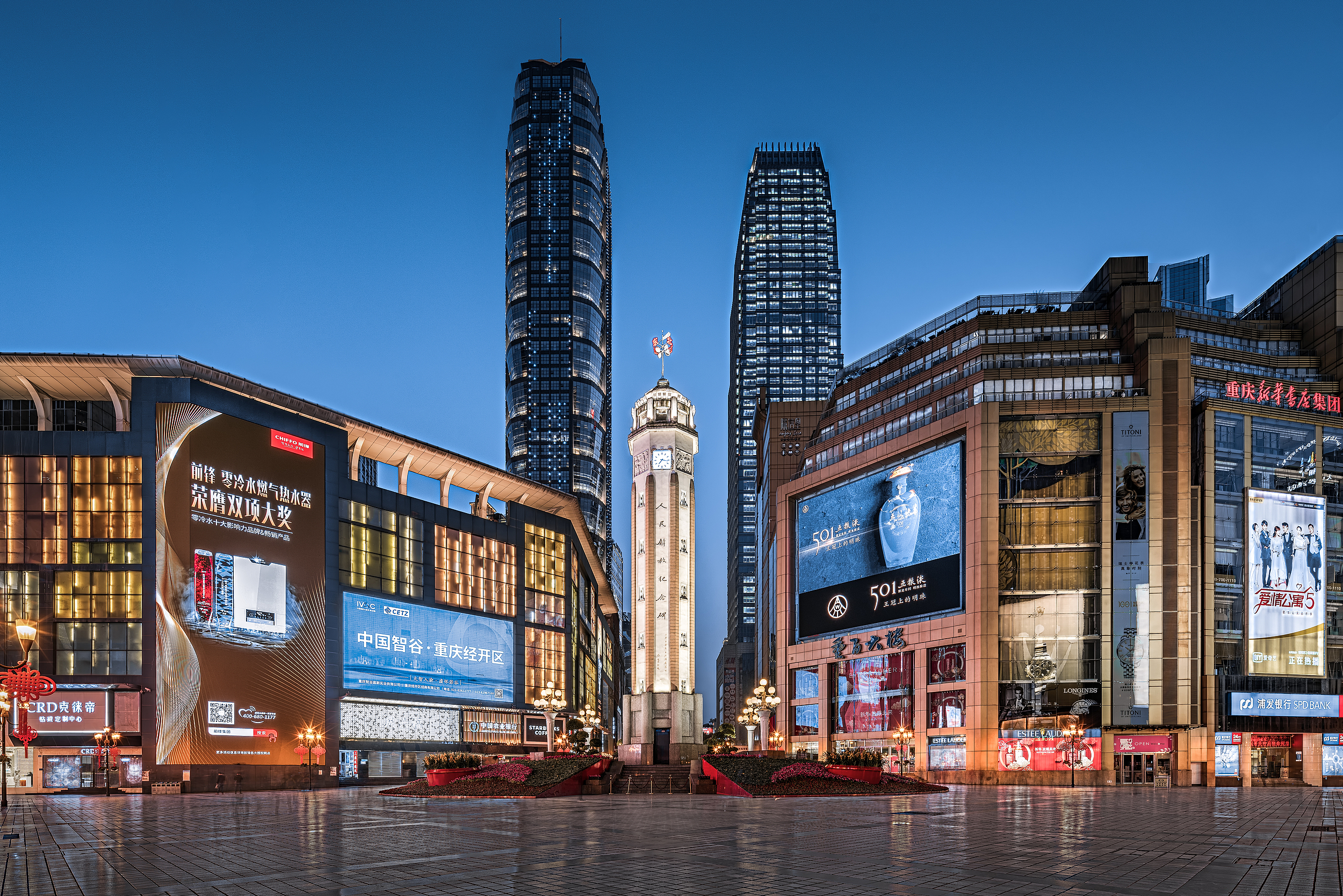
People’s Liberation Monument
The People’s Liberation Monument is located in the heart of Jiefangbei Commercial Pedestrian Street in Yuzhong District, Chongqing. It serves as a spiritual symbol of the victory in the War of Resistance Against Japanese Aggression, as well as a symbol of Chongqing’s liberation and the city itself. The monument is an octagonal column with a helmet-shaped reinforced concrete structure, standing 27.5 meters tall with a side length of 2.55 meters. It consists of eight floors, including underground levels, connected by a spiral staircase leading to the top. The four street-facing sides of the monument feature chiming clocks, while flower beds surround its base. Towering and dignified, its simple yet powerful design pays profound tribute to revolutionary martyrs. It has been selected as one of “Chongqing’s Top 10 Cultural Symbols” and “Chengdu-Chongqing’s Top 10 New Cultural Tourism Landmarks.” It is a microcosm of Chongqing’s urban development and the spiritual home of Chongqing people. During the War of Resistance Against Japanese Aggression, it served as a “spiritual fortress” to inspire and mobilize the public. After the founding of New China, Chongqing transformed its vicinity into China’s first commercial pedestrian street, gradually developing it into a financial hub for Chongqing and even western China. It has now become a landmark building in Chongqing. As a monument of profound historical significance, it not only documents the glorious journey of the people’s liberation but also serves as an important site for commemorating revolutionary martyrs and passing on the revolutionary spirit. It stands as a symbol of educating future generations and inspiring hearts. Here, visitors can learn about history, participate in activities, and experience the great power of the revolutionary spirit and the sense of mission of the times, expressing their reverence and remembrance for the revolutionary heroes.
-
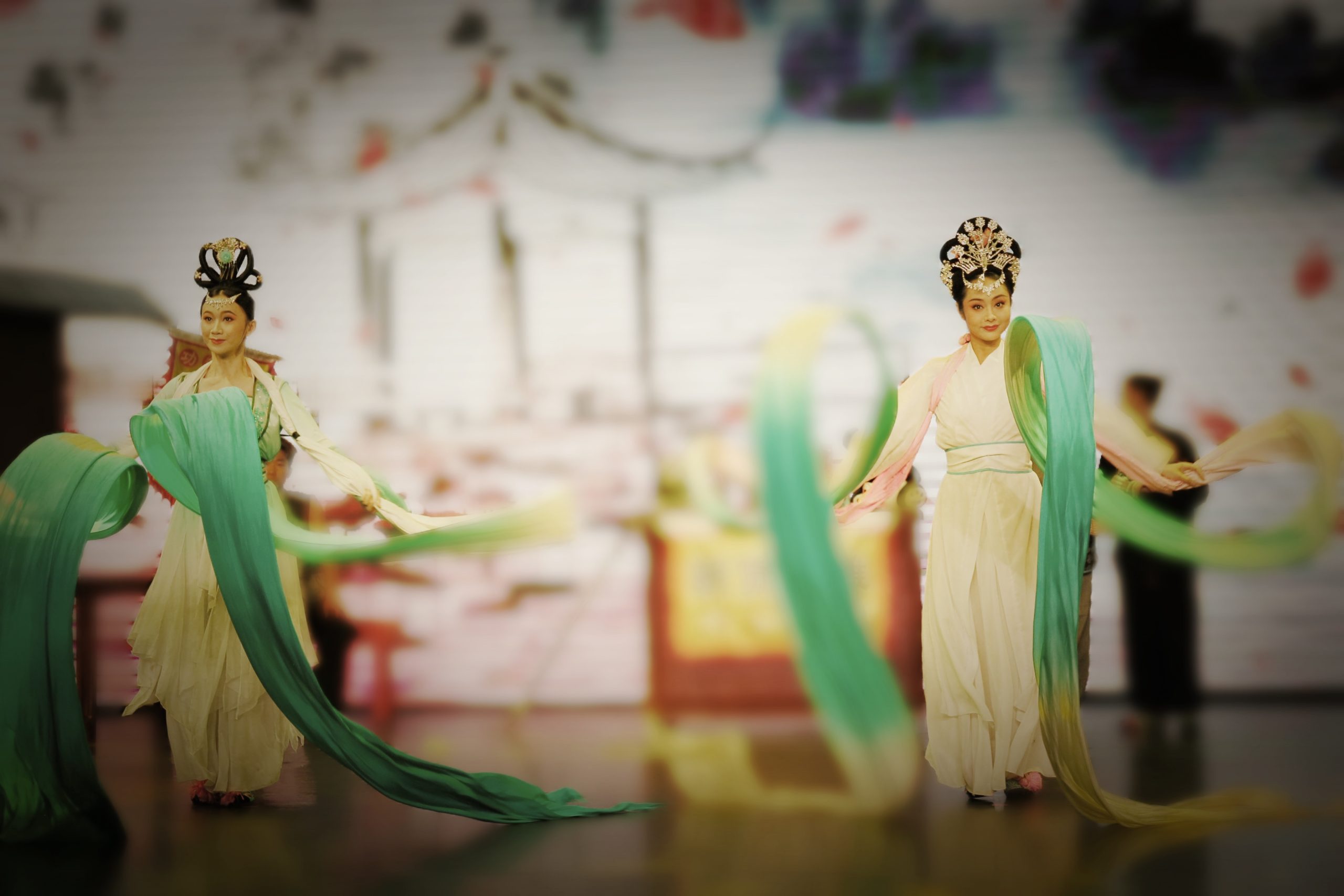
Yuzhou Story·Chongqing Intangible Cultural Heritage Experience Base (Shibati Jiefangbei Store)
Explore the ancient street of intangible cultural heritage and watch traditional performances. The long-spout teapot tea ceremony is a unique gem of Chinese tea culture. The long-spout teapot is a distinctive Chinese tea utensil with a long and rich history. This folk art performance featuring the long-spout teapot is deeply cherished by the public.”Traveling the Mountain City” Shadow Play, also known as “Shadow Theater” or “Lamp Shadow Play,” is a traditional folk drama that uses silhouettes of characters made from animal hide or cardboard to tell stories. Performers manipulate these shadow figures behind a white screen while narrating tales in local melodies, accompanied by percussion and string instruments, creating a rich rustic atmosphere.Marketplace “Chinese Kung Fu”: Chinese martial arts, created and developed by the Chinese nation, serve functions of fitness, self-protection, defense against enemies, and achieving victory. Recognized as one of China’s four great national treasures, it is widely beloved by people of all ethnic groups.”Long Silk Dance”: The fundamental techniques of water sleeve manipulation can be categorized into ten types: flicking, draping, wrapping, tossing, supporting, grabbing, shaking, coiling, turning, and lifting. These basic techniques combine to form over forty distinct sleeve movement combinations, such as right-draped left-trailing sleeves, left-right single-flick sleeves, double back-flick sleeves, left-catching right-pointing sleeves, disheveled rain-shielding sleeves, and gliding double-flying sleeves.”Brothers’ Puppet Show”: Bed Sheet Puppetry is an intangible cultural heritage of Sichuan Province. Hundreds of years ago, a unique form of puppet theater called Bed Sheet Puppetry emerged in Sichuan. It’s a solo puppet performance also known as Shoulder Pole Puppetry, named for its curtain that conceals the performer like a bed sheet. This narrative-driven puppet show features a hidden performer who manipulates multiple puppet characters with swift hand movements while only the puppets remain visible to the audience.”Pijin Rolling the Lamp,” a segment from Sichuan Opera’s “Rolling the Lamp,” portrays Pijin’s idleness and his wife’s punishment—rolling on the ground while balancing a lamp on his head. This performance brilliantly combines traditional opera with acrobatic lamp-balancing techniques, showcasing dazzling stunts atop stools.The art of quyi: “Erhu Solo” The erhu is a renowned Chinese bowed string instrument, with origins tracing back to the Tang Dynasty (7th–10th century AD) when it was primarily popular among ethnic minorities in northwest China. Over its thousand-year evolution, the erhu has consistently served as an accompanying instrument in Chinese opera.Puppet shows, with dramatic performances like “The Butterfly Lovers,” originated during the Han Dynasty. These shows use puppets to enact stories, with performers manipulating the puppets behind the stage while singing accompanied by music. Based on puppet designs and manipulation techniques, there are various types including glove puppets, string puppets, rod puppets, and wire puppets. Puppet theater is a dramatic art form where actors operate wooden dolls from behind the scenes, known as “kuilei xi” (marionette theater) in ancient China.Face-changing in Sichuan Opera: Legend has it that “face-changing” originated when ancient humans painted different patterns on their faces to scare away wild beasts for survival. Sichuan Opera elevated this technique to the stage, transforming it into a unique art form through masterful skills. The land of abundance in Sichuan offers this cultural treasure – witness face-changing artists using vibrant masks to portray diverse character traits in a mesmerizing performance.Shadow Puppetry “Animal Sounds” – A single screen, a spotlight, and a pair of skilled hands bring to life all manner of human emotions and creatures great and small through the dexterous movements of ten fingers.
-
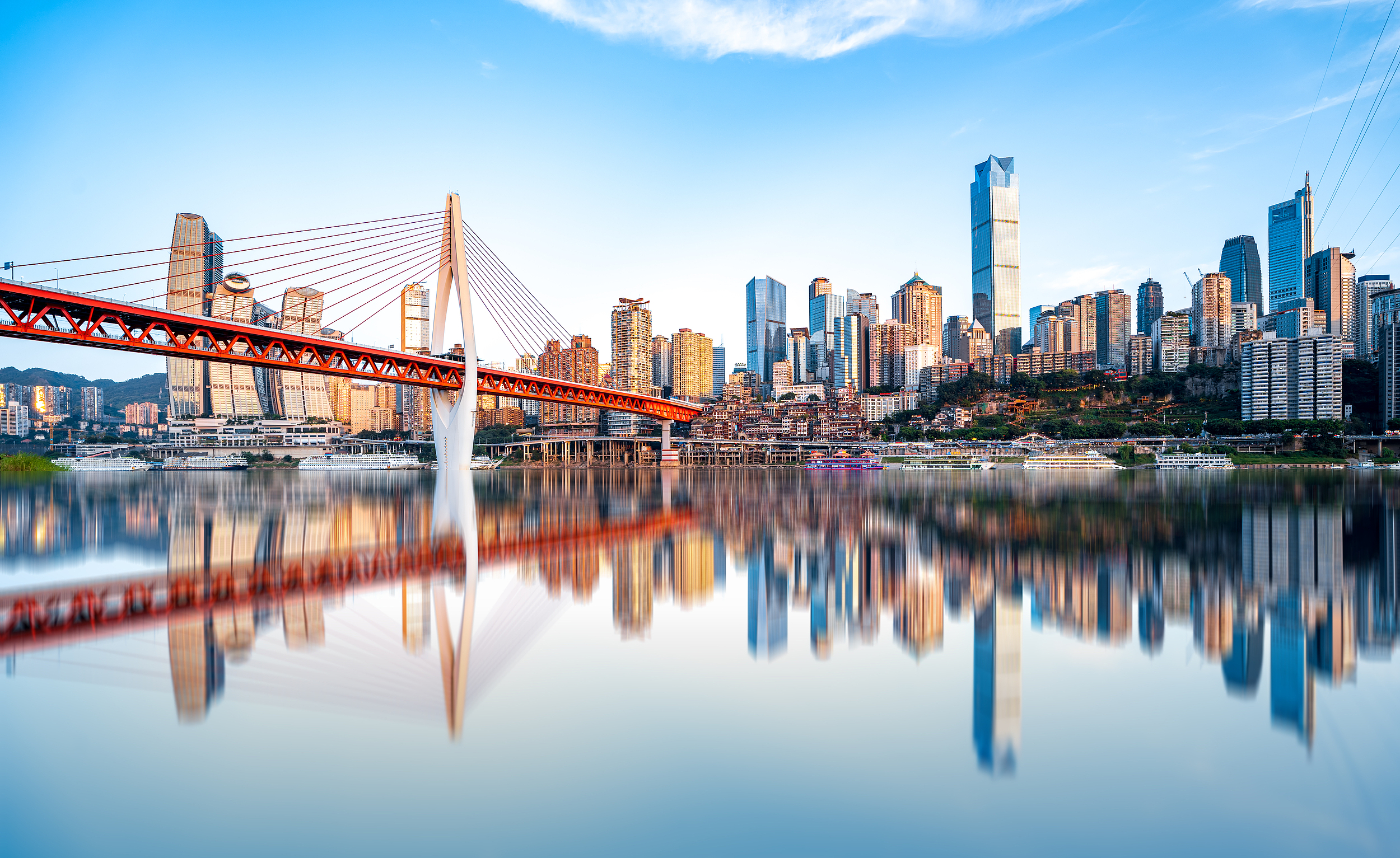
Jialing River
The Jialing River, a tributary of the upper reaches of the Yangtze River, originates from Daiwang Mountain in Fengxian County, Shaanxi Province at the northern foot of the Qinling Mountains, and is named after it flows through the Jialing Valley in the northeast of Fengxian County. The main stream flows through Shaanxi, Gansu, Sichuan, and Chongqing, and joins the Yangtze River at Chaotianmen, Chongqing. The main tributaries are: Badu River, Xihan River, Qujiang River, Fujiang River, etc. The total length is 1,345 kilometers, the main river basin area is about 39,200 square kilometers, and the total drainage area is about 160,000 square kilometers.
-
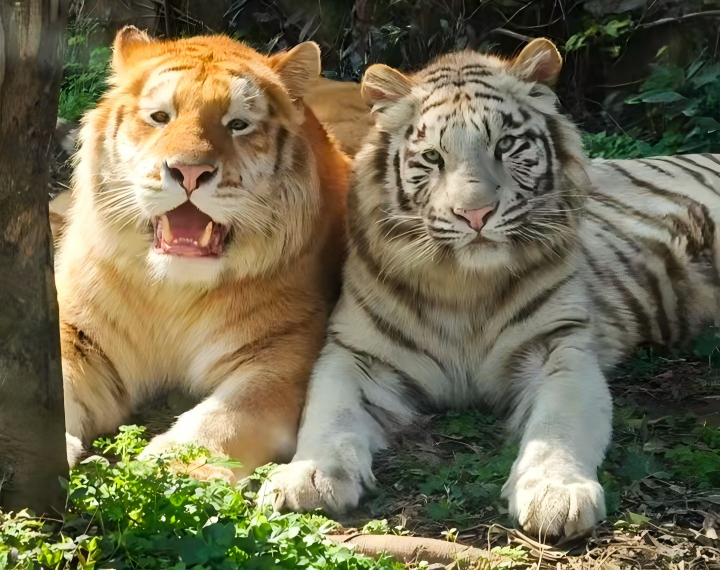
Chongqing Wild Animal World
Chongqing Wild Animal World is situated at Yongchuan’s Shuangzhu County. Here you can take a sightseeing tour, learn about wild life, and get close to nature by watching and interacting with animals. In the park there are also recreational facilities and animal performance shows, making it a great place for a family tour.
-
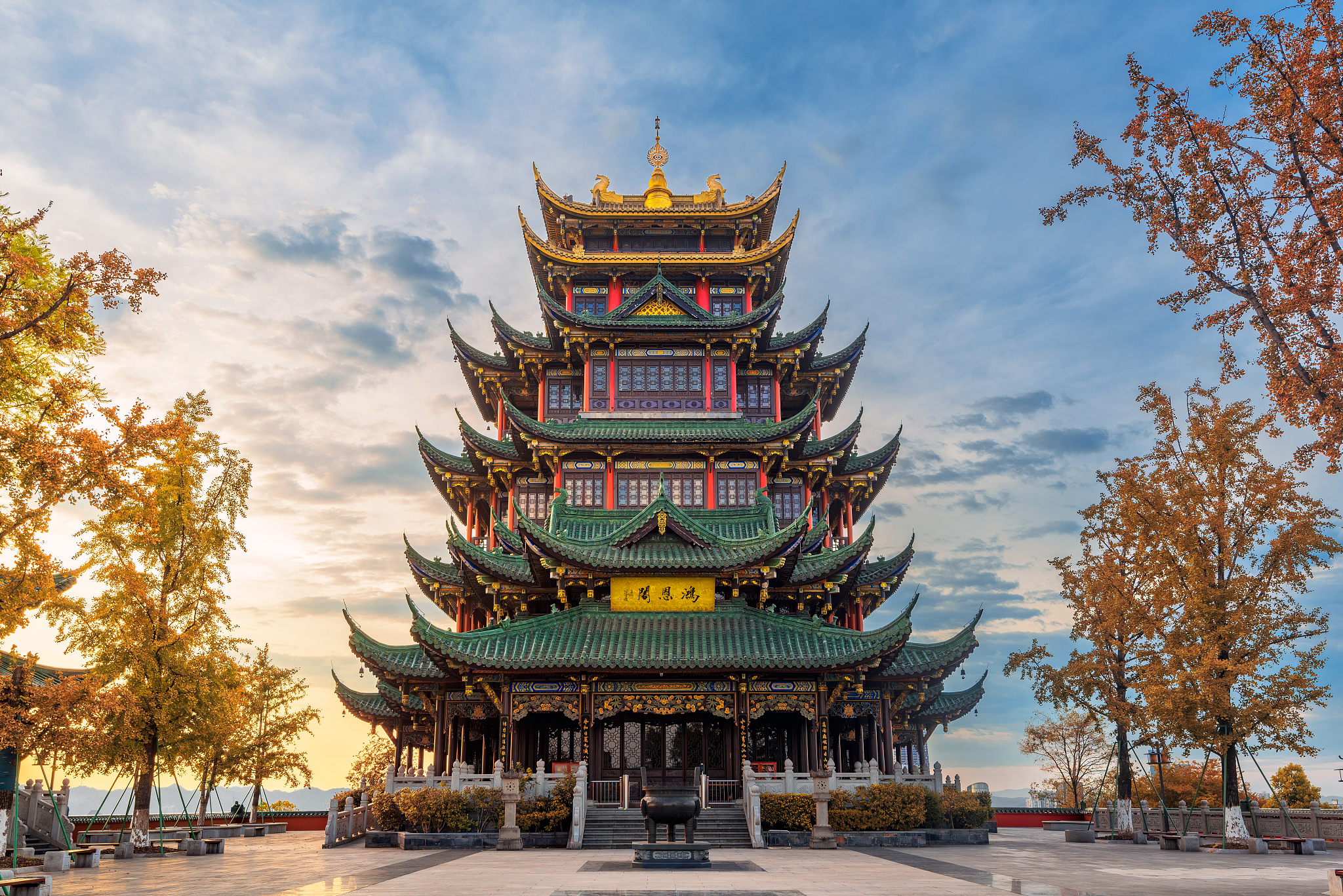
Hong’en Temple Forest Park
Hong’en Temple Forest Park is located in Jiangbei District, Chongqing, covering an area of more than 1,000 mu, second only to the Central Park in the main city of Chongqing. The commanding height of the park is 418 meters above sea level. When you climb up to the Hong’en Pavilion viewing platform on the top of the mountain, you can see the scenic spots of Jiangbei District, Yubei District, Shapingba District, Yuzhong District and Northern New District. Hong’en Pavilion is an antique building with a total of seven floors and an altitude of about 468 meters. It exceeds the Nanshan “One Tree” viewing platform of 437.5 meters. Chongqing Hong’en Temple Forest Park is a typical mountain park. The terrain in the park is undulating, with cliffs and cliffs on the northwest side, and slopes and terraces on the south side facing the river. There are 12 major garden attractions such as “Hongenfang”, “Ting Gui in the Snow” and “Shouting Castle”, and the whole park is run through the ecological loop, walking trails and mountaineering trails. Standing in the Hong’en Pavilion in the park, citizens can also see the beautiful scenery of the six districts of the main city. According to the topographic features, the northwest slope is mainly planned as an ecological forest, mainly of colored leaf trees, and planted with colored forests, covering an area of 18.4 hectares, accounting for 23% of the total area of the park. It is an important natural ecological area for wild animals. More than 30,000 trees such as sweet-scented osmanthus, ginkgo biloba and crape myrtle are planted in Hong’en Temple Forest Park. Among them, there are more than 10,000 osmanthus plants, mainly in four categories: golden osmanthus, silver osmanthus, red osmanthus, and four seasons osmanthus, with a total of more than 60 varieties. There are many kinds of osmanthus and a complete variety. Chongqing Hong’en Temple Forest Park also integrates cultural elements such as “Thanksgiving Culture” and “Osmanthus Culture” into major scenic spots. Beautiful music can be heard everywhere, adding to the elegance of the citizens to play.
-
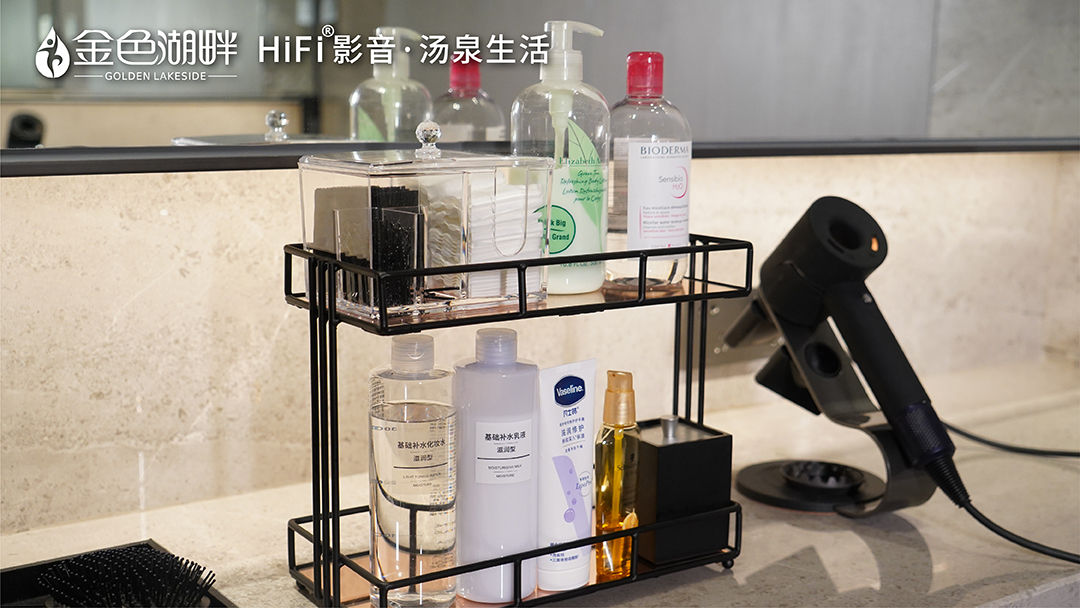
Golden Lakeside ·HIFI Audio-Visual Hot Spring Experience
The “Golden Lakeside HIFI Audio-visual Hot Spring Life” chain brand takes “quality hot springs, fresh fruit buffet, unlimited drinks, free desserts, exquisite food, HIFI Concert Hall hall, 24-hour synchronous cinema, steaming leisure, book bar, e-sports entertainment, chess and card team building, outdoor camping, health care, private rest” that embrace traditional culture as its core. It has a simple, youthful and fashionable decoration, integrating youth culture interests and quality life elements, and ingeniously creates a “free space for time to pause” for modern urbanites.
-
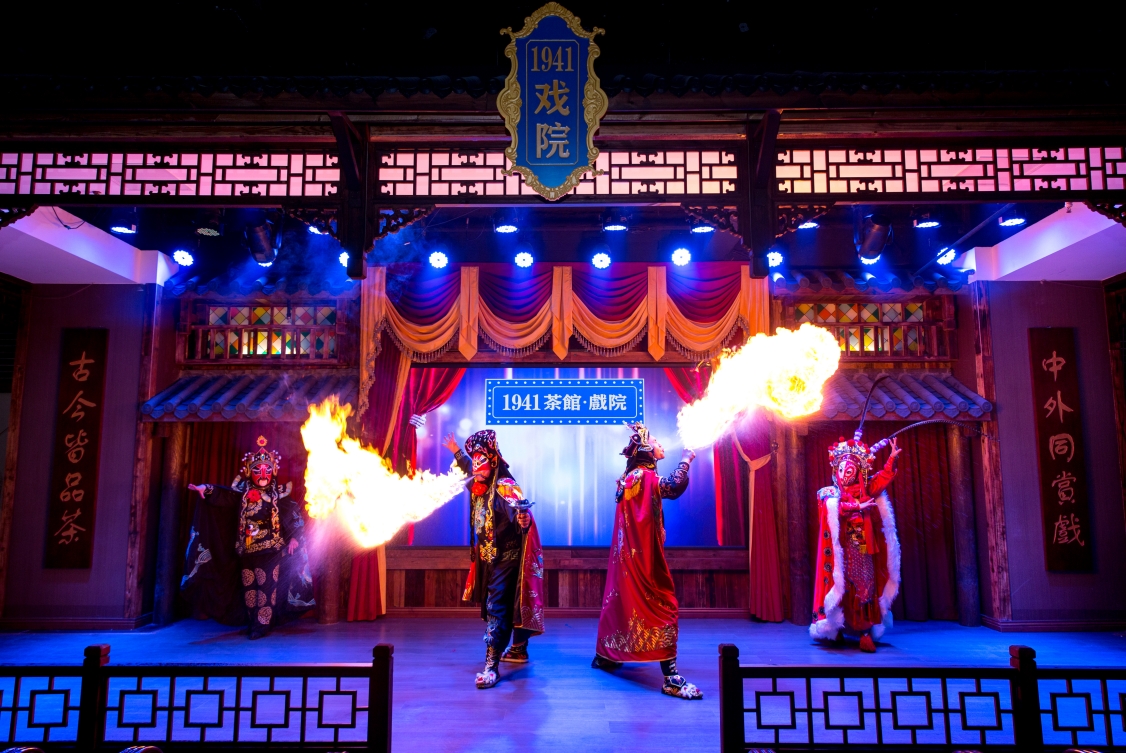
1941 Teahouse & Theater
1941 Teahouse Theater, 100 meters away from the Liberation Monument, offers a pot of tea and a play, integrating Sichuan and Chongqing teahouse culture with the old Chongqing Republic of China-style theater. Four wonderful plays are performed every day to present unique Sichuan opera and intangible cultural heritage folk performances.Travel back to old Chongqing in 1941 in 1 second, feel the customs of the Republic of China, change clothes and check in to take photos of the spiritual fortress, air-raid shelter, Paramount, etc., the predecessor of the Liberation Monument.Drink tea and watch a movie, enjoy life slowly, appreciate the charm of the quintessence of Sichuan Opera, taste the colorful folk customs of Sichuan and Chongqing, recall the heroes of the Anti-Japanese War, learn about Internet celebrity Chongqing and heroic Chongqing, and enter the 1941 Teahouse Theater.