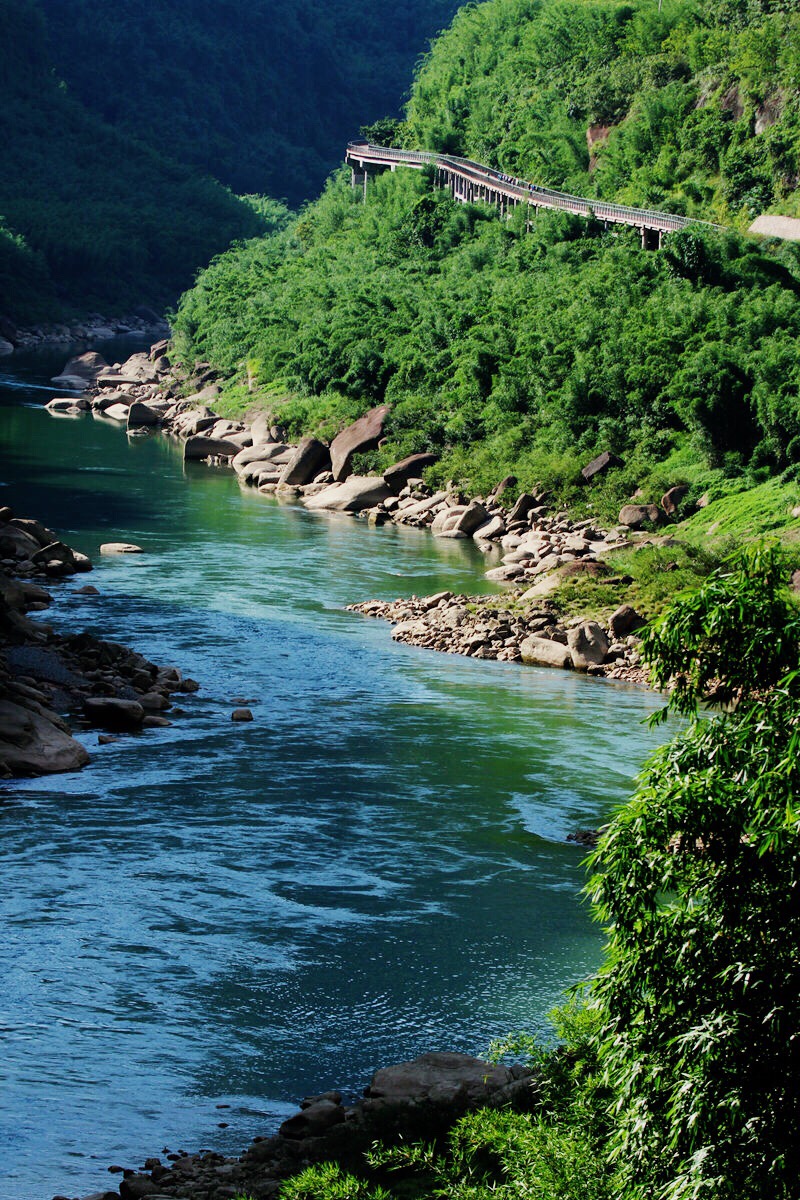
The combination of strength and gentleness defines the character of the Zunyi Chishui River: the banks feature both lush, dark green mountains and “fierce-looking” stone forests surging quietly; for thrills, there are the dangerous cliffs and surging waves of the Shili Changtan Scenic Area, while for tranquility, there are the banyan trees lining the banks and waves of green bamboo at the Sanke Zhuang Scenic Area. Across the mature Danxia landforms rushes a spectacular view on the Chishui River—the Chishui Danxia Tourist Area · Great Waterfall. Renowned painter Liu Haisu once hailed it as a “beauty in an empty valley.” Chishui is known as the city of a thousand waterfalls. Beyond the majestic Chishui Danxia Tourist Area · Great Waterfall, the Sidonggou Senic Spot offers a much more relaxed atmosphere. River travel tips: It is 15 km from Chishui to the Sidonggou Senic Spot. It is approx. 42 km from Chishui to the Chishui Danxia Tourist Area · Great Waterfall. The best way to get close to the river is naturally by rafting; the Shili Changtan section from Maotai Town to Erlangtan has many waves and shoals, alternating between gentle and rapid. The banks of the Chishui River are lined with lush forests and bamboo; you can pick up some local bamboo handicrafts to take home, with all-bamboo scented fans highly recommended. As for dining, be sure to try the Qingbo fish and silver carp from the Chishui River. If you have extra time, you can also visit the Chinese Liquor Culture City and the Monument to the Red Army’s Four Crossings of the Chishui River.
归档: Attractions
-
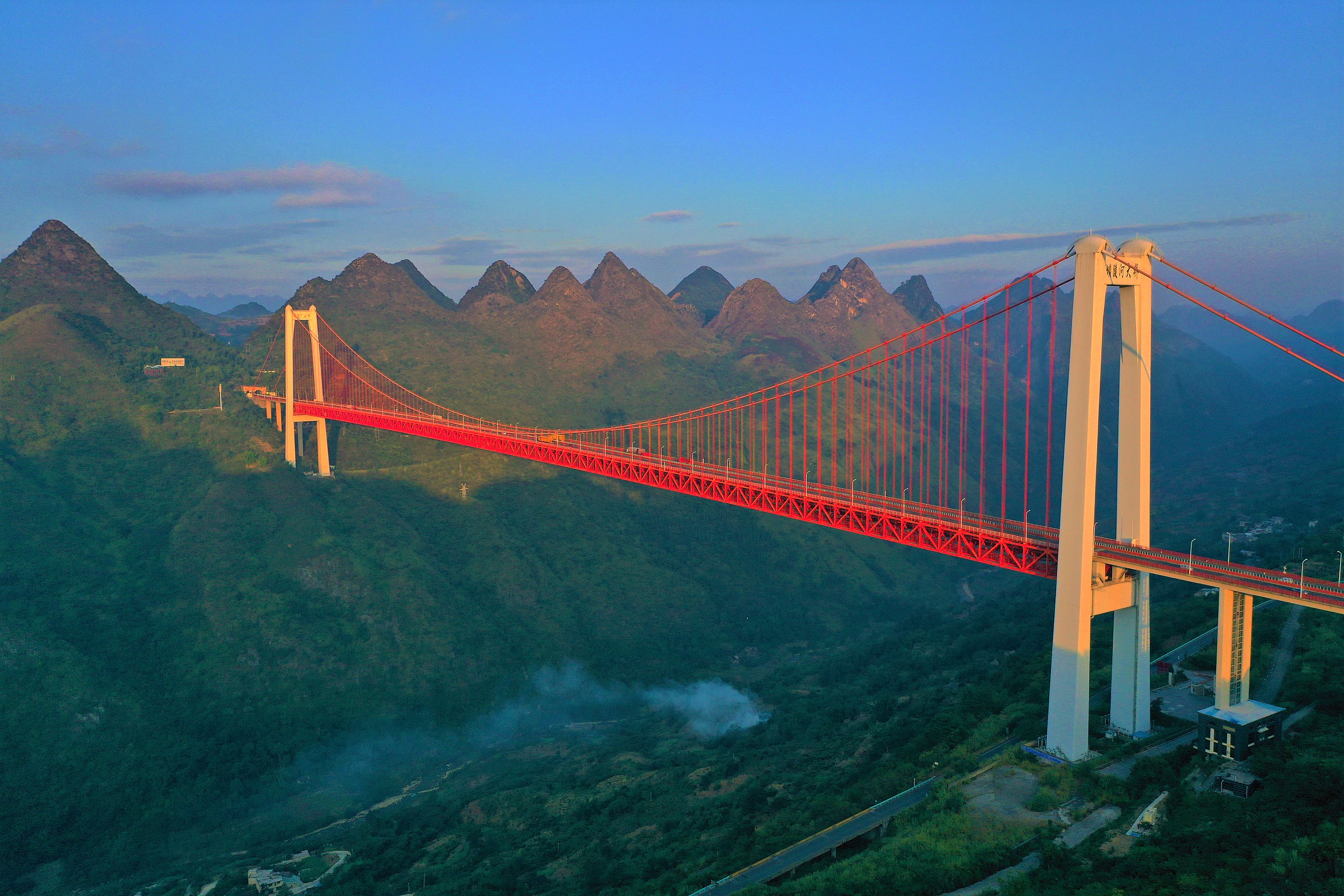
Huangguoshu Balinghe Bridge Bungee Jumping
Huangguoshu Balinghe Bridge Bungee Jumping is an exhilarating attraction designed for extreme sports enthusiasts, located atop the magnificent Balinghe Bridge. As one of the world’s highest bungee jumping points, it offers visitors a thrilling opportunity to challenge themselves and push their limits. Spanning a deep canyon, jumpers experience an adrenaline-pumping freefall with breathtaking views during their daring leap. Under the guidance of a professional team and strict safety measures, visitors can confidently enjoy this extreme sport. Whether first-timers or experienced bungee enthusiasts, everyone can find their own thrill here. Visitors can also admire the magnificent views of the Balinghe Bridge and the surrounding natural scenery from the observation deck, experiencing the grandeur of nature. In addition to bungee jumping, the attraction offers a wealth of natural views and tourism resources, such as the Huangguoshu Waterfalls. Visitors can explore Guizhou’s natural beauty and cultural charm beyond extreme sports. The Huangguoshu Balinghe Bridge Bungee Jumping is not just a place to challenge limits, but also a spot that inspires courage and confidence, providing every visitor with an unforgettable adventure.
-
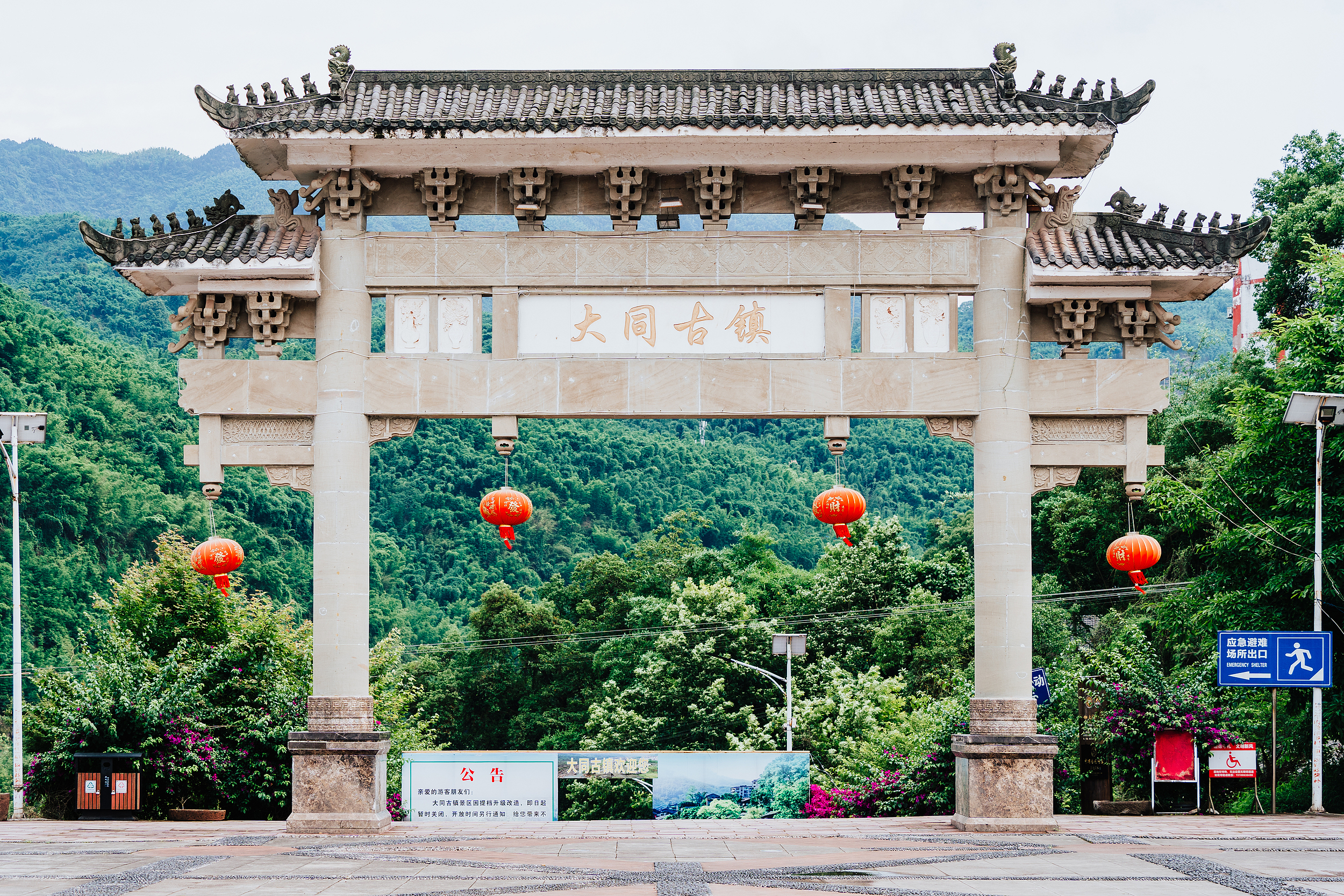
Datong Ancient Town
Datong Ancient Town is located on the Chishui River in Chishui City, Zunyi City, Guizhou Province. It can reach Chongqing, Wuhan and Shanghai via the Chishui River into the Yangtze River. Since ancient times, the commercial market has been prosperous, the army has been fighting for the army, the rich farming and reading culture, the honest villagers’ temperament, the guild halls built with donations from businessmen from all over the world, the mansion courtyards, the ancestral halls of famous families, and a set of sacrificial buildings that have been inherited. Water and forest constitute a harmonious and beautiful natural and human ecological environment, reflecting the historical features of the self-sufficient small-scale peasant economy era. The existing buildings in Datong Ancient Town were built in the late Ming and early Qing dynasties, consisting of ancient streets, ancient docks, ancient wells, ancient street houses, ancient dwellings, ancient temples, ancient guild halls, ancient monuments, ancient archways, etc. , the main hall, the apse, the stilted building, the cave and other buildings are scattered, carved beams and painted buildings; the ancient tombs, ancient monuments, ancient arches are rigorous in structure, painting, carving, calligraphy and writing are all available, and the historical and cultural heritage is profound. The houses in the ancient town take the street as the building, the vertical axis and the horizontal axis of the building are connected in series, and they are lined up in line with each other. The building materials are made of wood, fir skin, small green tiles, Danxia stone, bamboo and other natural and human-processed materials. The form, texture, color, irregular symmetry and other items constitute the formal beauty of the ancient town’s architectural art. Segmentation, scale of body, exaggeration of perspective, coordination of colors and opening and closing, rhythm, interspersed, etc. in the sequence combination of complementarity all have certain objective laws of traditional architecture, which give full play to the expressiveness and art of ancient architectural art. comprehensive ability.
-
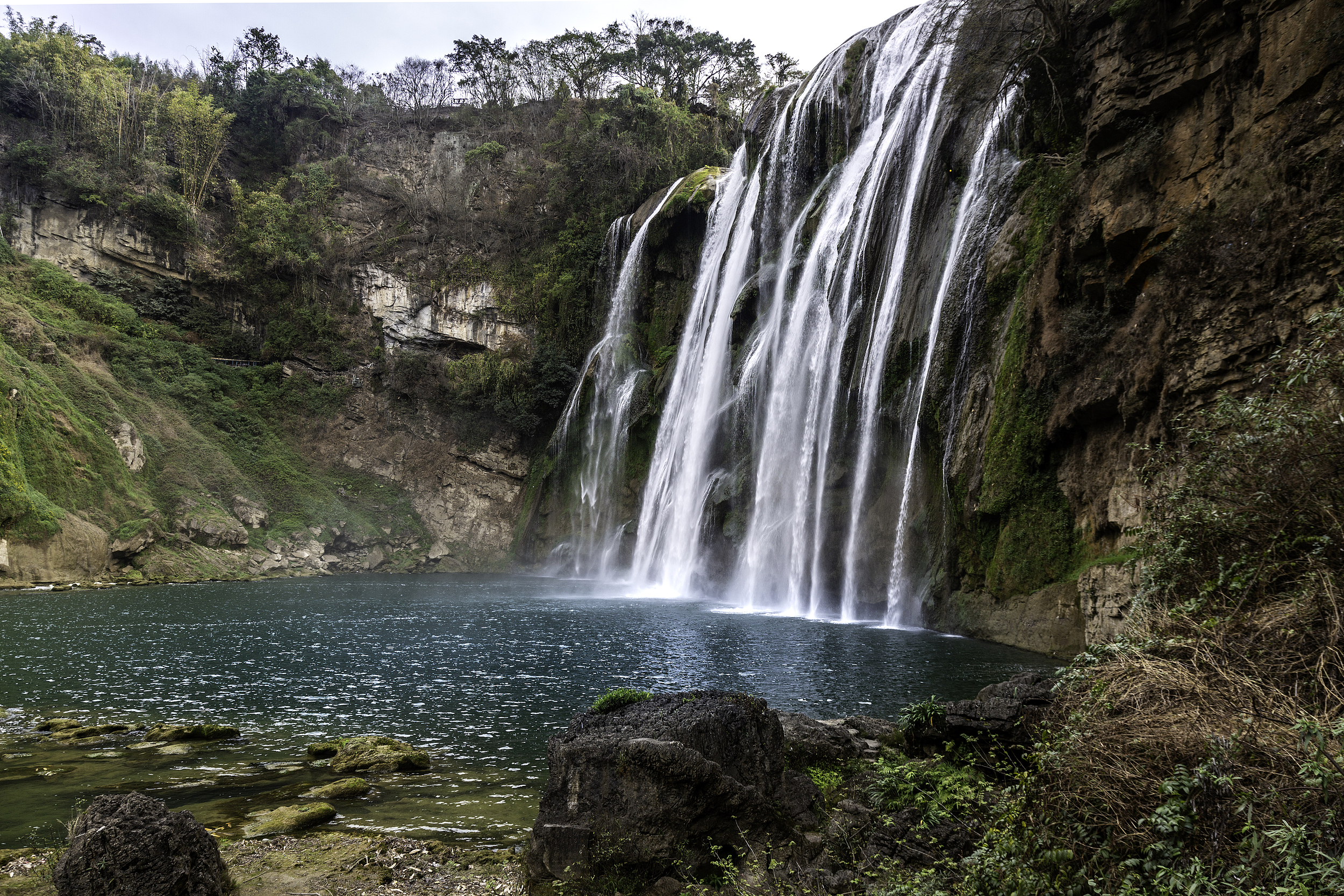
Rhino Lake
Located in Guizhou Province, Rhinoceros Pond is a tourist attraction famous for its natural scenery and cultural heritage. The lake here is crystal clear, surrounded by mountains and has pleasant scenery, making it an ideal place for tourists to relax. Rhinoceros Pond is named after its shape which resembles a rhinoceros. According to legend, this is where rhinoceroses once lived, adding a bit of mystery to the place. Visitors can stroll along the lakeside trail, enjoy the scenery of lakes and mountains, and feel the tranquility and beauty of nature. In addition, there are some small teahouses and restaurants near Rhinoceros Pond, which provide authentic Guizhou snacks. Visitors can taste the local food while touring. For tourists who like outdoor activities, the mountains around Rhinoceros Lake are suitable for hiking, where you can see rich flora and fauna along the way and experience Guizhou’s unique ecological environment. Visitors are advised to wear comfortable walking shoes and bring plenty of drinking water to better enjoy the journey.
-
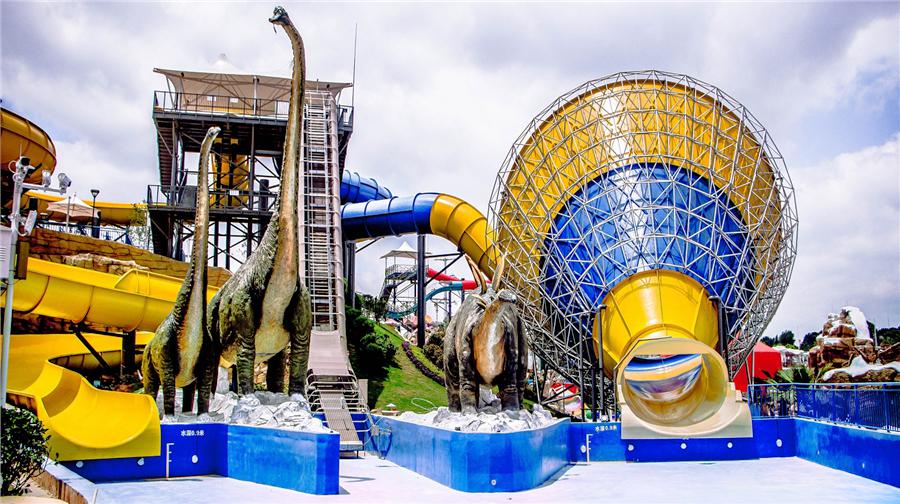
Four Seasons Guizhou – Polar Adventure Water World
Four Seasons-Polar Adventure Water World is a huge water park in Guizhou Province and introduces the internationally-advanced design and operation concept. It covers a wide area in its design, equaling to that of ten standard football fields. The water world is composed of two parts: the indoor water park with ocean scene and the outdoor water park with polar crossing. It takes the situational experience as the clue to create a blissful world for tourists.
-
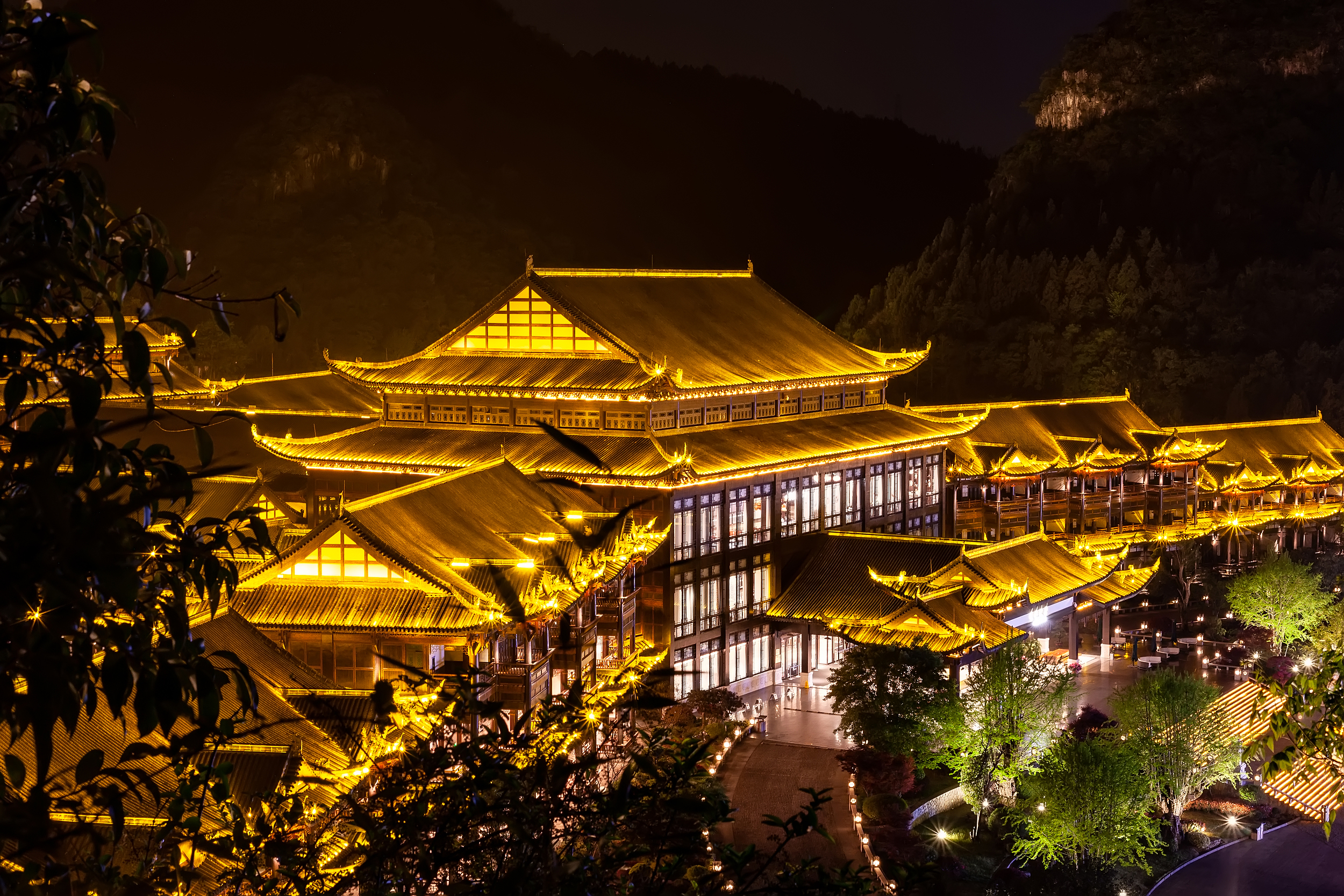
Zhijin Ancient City
Zhijin Ancient City belongs to Bijie City. There are a large number of historical buildings from the Qing Dynasty left in the city, many of which were built during the Kangxi and Qianlong periods. Therefore, most of the buildings are exquisite and elegant and have high ornamental value.The ancient city of Zhijin has ancient roads paved with bluestone slabs, Huilongtan, and banquet dishes known as “Eight Bowls of Water”. Whether it is history, culture, natural scenery, cultural tourism, or food, it can bring you satisfaction.
-
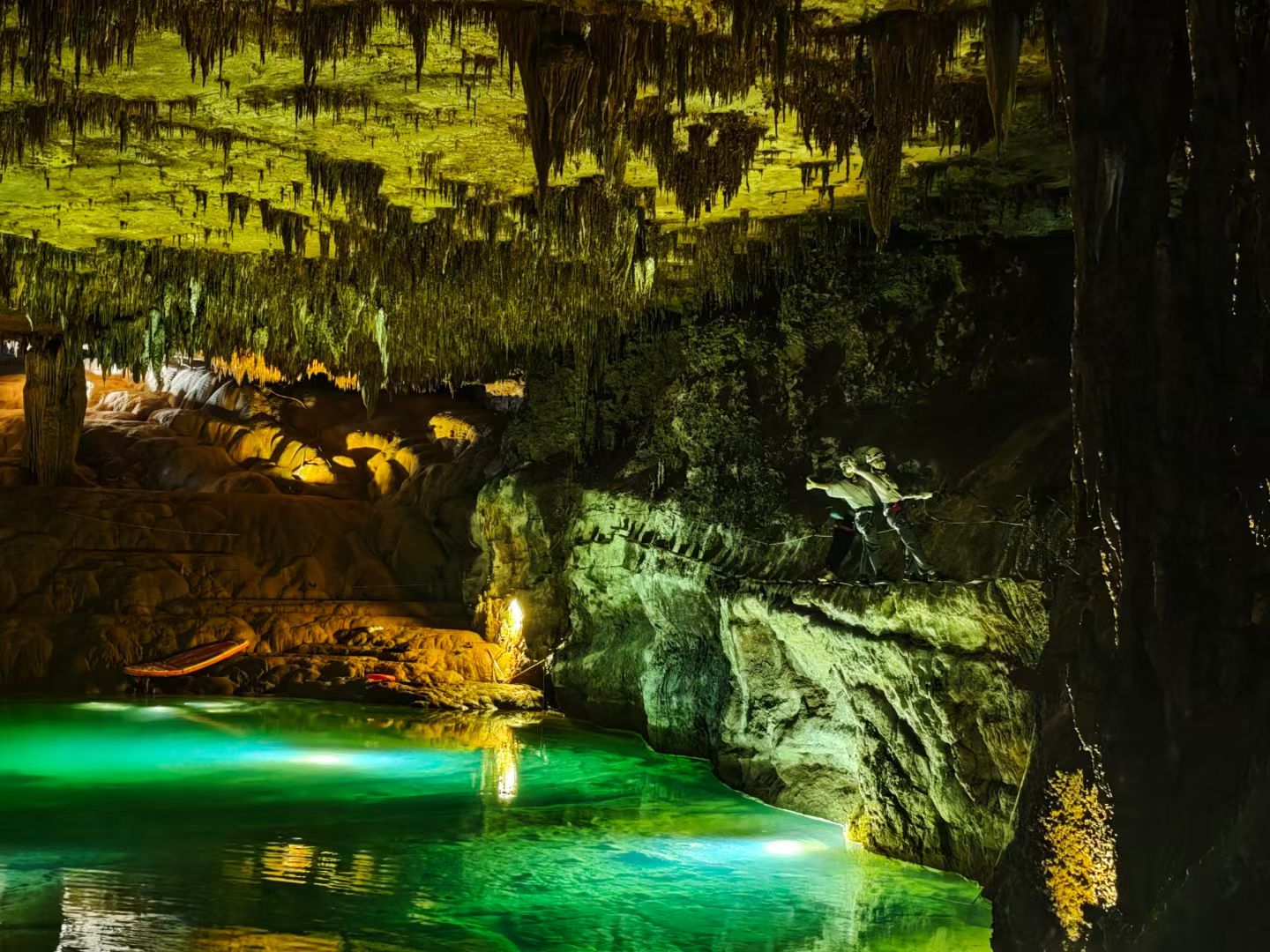
Guizhou General’s Cave
Guizhou’s General Cave is a spectacular karst cave located in Dewo Town, Xingyi, in southwestern Guizhou. The cave is vast and divided into two levels: a dry cave and a water cave. The underground river stretches over 1 km, allowing visitors to take a boat ride and admire stunning formations like stalactite curtains, stone waterfalls, and stone shields. Inside the cave, lifelike formations such as the “Kirin Stone” and “General’s Seal” captivate visitors. During the Anti-Japanese War, locals used the cave as a shelter, hence its name, General Cave. Today, it features light shows, educational boardwalks, and outdoor cave exploration activities, making it a comprehensive attraction that combines geological education, historical significance, and family-friendly exploration. Known as the “Underground Landscape Gallery,” it offers a unique blend of adventure and learning.
-
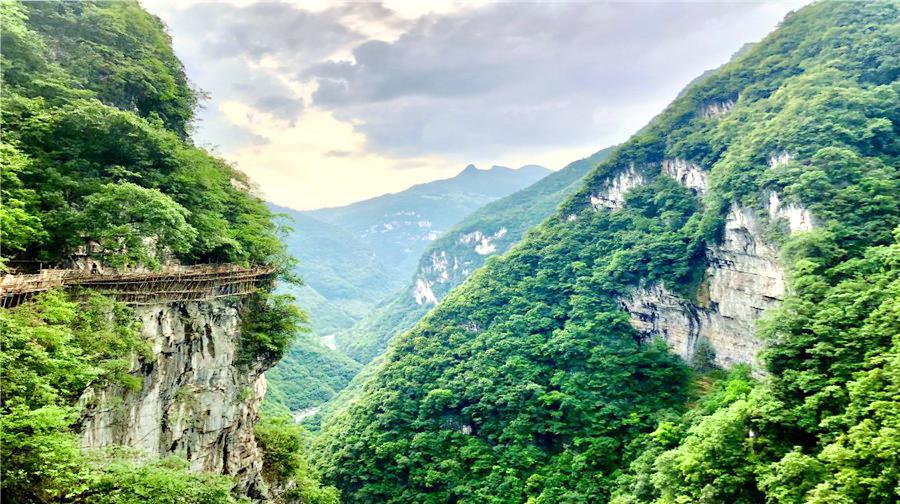
Nuo Town
China Nuo City is the Nuo Opera Culture Research Center awarded by the China Nuo Opera Society, and is the largest Nuo cultural city in the world today. Its overall layout is based on the principle of the five elements of metal, wood, water, fire, and earth, and integrates the elements of luck, luck, longevity, happiness, and auspiciousness. While inheriting and developing the original culture, it gives it new characteristics of the times, and with scientific planning and careful construction, it concentrates on displaying the essence of Nuo culture. Nuo opera, an intangible cultural heritage, is known as the “living fossil of human civilization” and is a sacrificial ceremony in the period of totem worship in ancient times. Nuo opera, Nuo sacrifice, and Nuo dance carry the beautiful vision of the Gelao people to pray for good fortune, to heal diseases and to eliminate disasters.
-
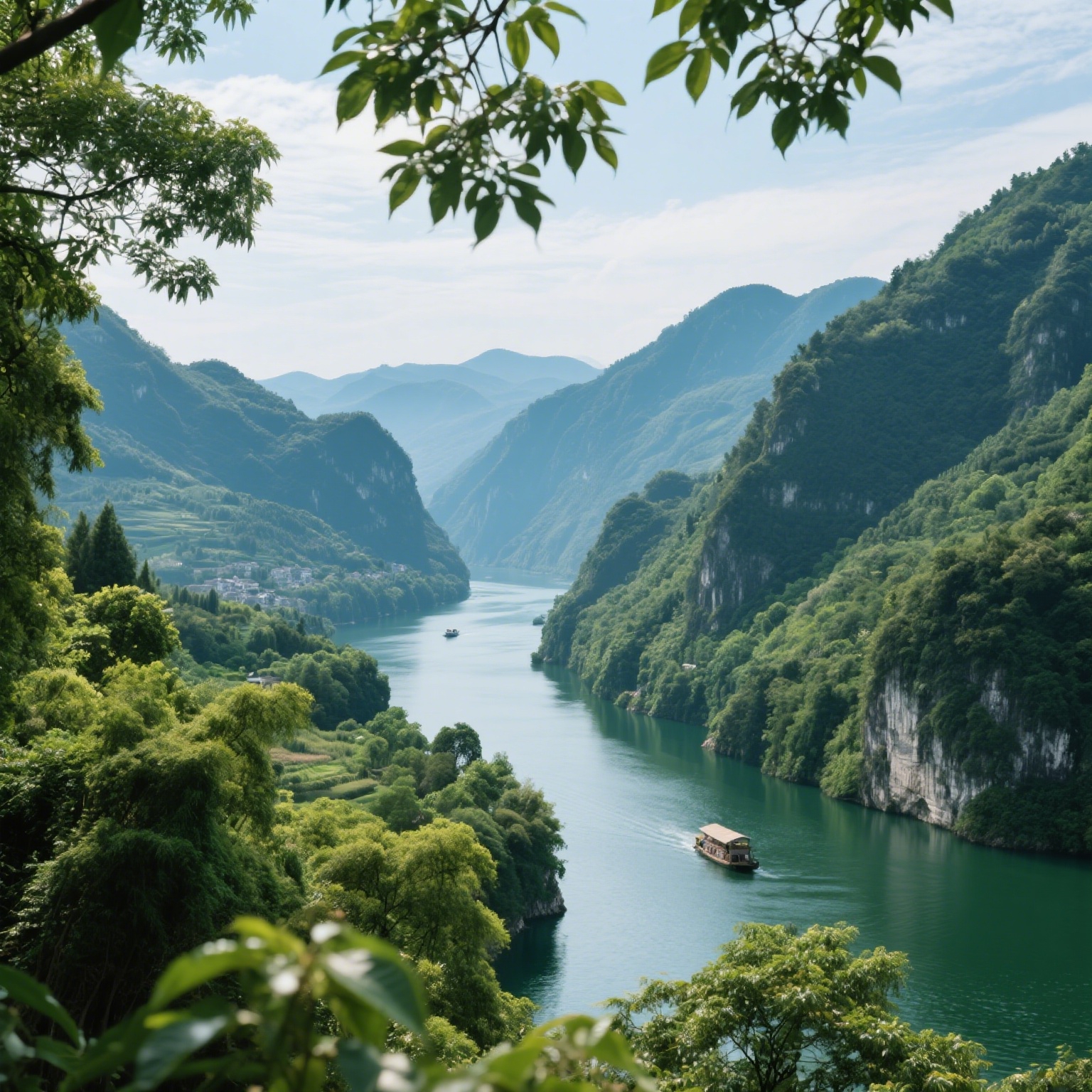
Wuyang River
The Wuyang River is a highly representative scenic area in southeastern Guizhou, renowned for its canyons, peaks, river bends, and karst landforms. It is often described as having “unique canyons, precipitous peaks, and green waters,” possessing a majestic, wondrous, beautiful, and secluded quality. The Wuyang River scenery is concentrated in the “Three Gorges of Wuyang”: Zhuge Gorge, Longwang Gorge, and Xi Gorge. Zhuge Gorge and Longwang Gorge are particularly known for their strangely shaped peaks and rocks, rapids, deep pools, and waterfalls. Along the banks, one can also see stone peaks of various shapes, such as a peacock spreading its tail, a giant elephant drinking water, a Miao king welcoming guests, and Taigong fishing, offering ample room for imagination. The most common way to experience the Wuyang River is by boat downstream, allowing one to admire the mountains on both sides and feel the river’s twists and turns through the canyons. When the water level is right, the river surface presents a state between tranquility and dynamism: sometimes wide like a lake, sometimes rapidly narrowing into a gorge, creating a strong visual rhythm. The Wuyang River possesses both the delicate beauty of Guizhou’s mountains and rivers and the majestic grandeur of its mountain valleys, making it a classic scenic spot that balances natural beauty with cultural significance.
-
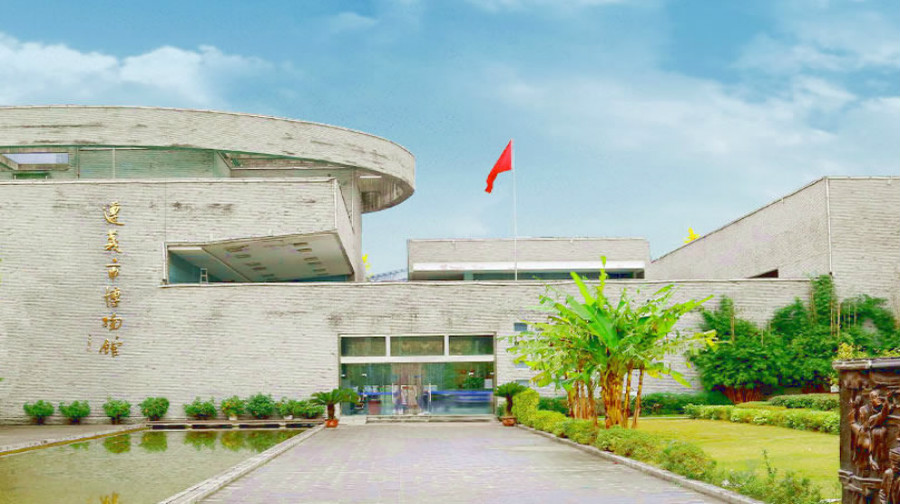
Zunyi Museum
Zunyi Museum was established on November 20, 2006. It is a non-profit social service organization open to the public with the main functions of collecting, protecting, researching and displaying cultural relics and natural specimens, and its purpose is to play a social function and broadcast knowledge that is beneficial to social progress, ideology and morality, science and technology, and civilization. It is an important base for the construction of spiritual civilization in Zunyi City. Zunyi Museum is still in the preparation stage. The main construction of the museum building has been completed, the construction of internal facilities is being stepped up, and the display work is being carried out in an intense and orderly manner. The Zunyi Museum, which is in preparation, is collecting cultural relics from the society and sincerely hopes to receive the attention and support of the public.